How to Replace Baseboards for a Better Home Finish (Step-by-Step)

Focusing on ease of installation is often the starting point for many homeowners looking to refresh their living space. When I tackled my first full-home renovation nearly two decades ago, I focused heavily on the big-ticket items like cabinets and flooring. I assumed the smaller details would simply fall into place. However, I soon realized that the way a room feels—its “flow” and finished quality—often depends on the lower wall trim. This perimeter molding acts as the visual anchor for every room. In my 18 years as a project coordinator, I have seen how refreshing these elements can transform a space from looking “under construction” to feeling truly complete.
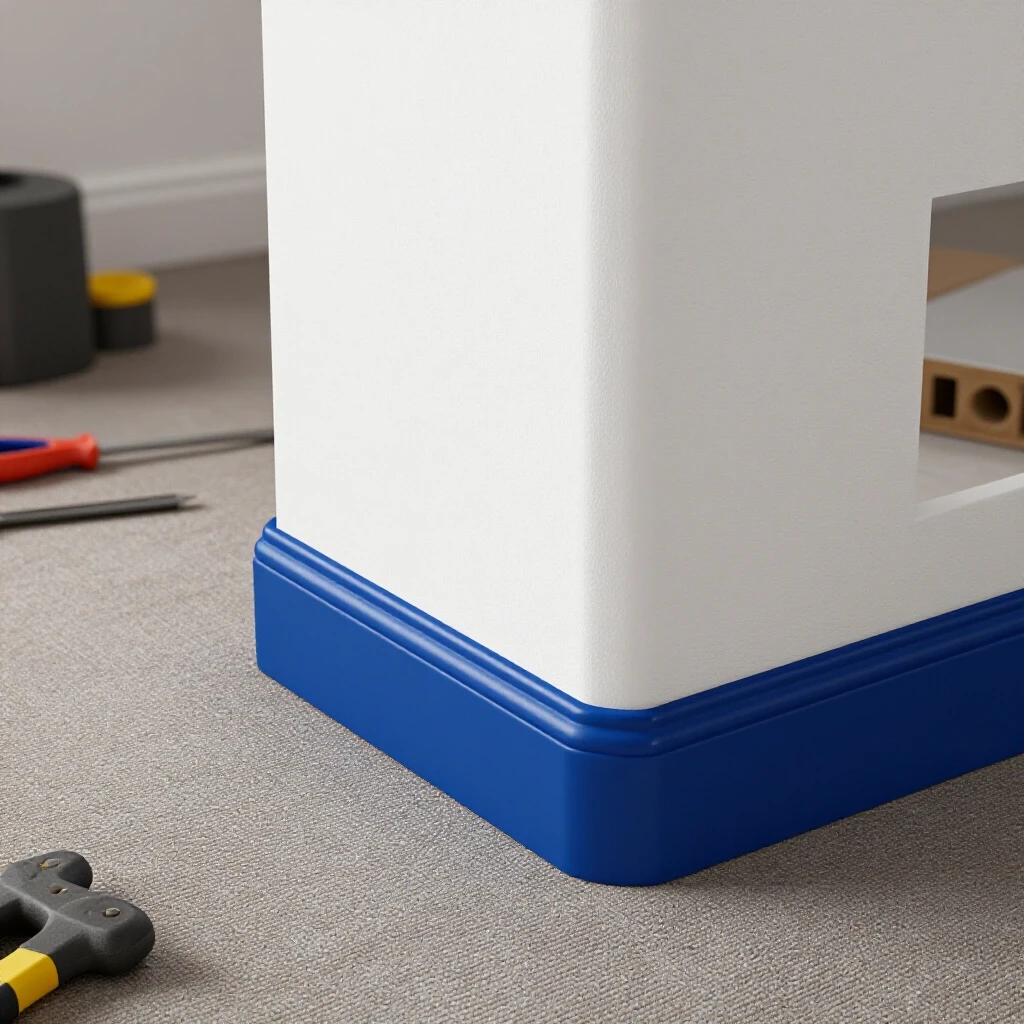
In my own second renovation, a 1940s colonial, I found that the original trim was hiding decades of minor wall shifts and settled floors. By taking a DIY approach to updating these floor-level accents, I was able to address these gaps personally, ensuring a tight fit that a rushed professional might have overlooked. This guide draws on those experiences and the data I have gathered over hundreds of projects to help you navigate your own perimeter refresh with confidence.
Defining the Scope of Wall Perimeter Updates
Defining the scope of work means creating a detailed list of every task, material, and tool required to complete a project from start to finish. In the context of refreshing lower wall molding, this involves measuring every linear foot of wall space, identifying corner types, and determining the desired height and profile of the new material.
When you begin planning, the first step is a thorough walkthrough. I recommend using a digital measuring tool to capture the exact length of every wall segment. One mistake I often see homeowners make is forgetting to account for the “waste factor.” In finish carpentry, you should always order 15% more material than your raw measurements suggest. This buffer accounts for miter cut mistakes, “shorthand” pieces that cannot be used, and the occasional splintered edge.
- Linear Footage: Measure the perimeter of each room, subtracting door openings.
- Corner Count: Note how many inside corners (where walls meet at 90 degrees pointing in) and outside corners (pointing out into the room) you have.
- Profile Selection: Choose a height that complements your ceiling height; for example, a 5-inch board often suits standard 8-foot ceilings better than a small 3-inch strip.
Building on this, you must decide if you are removing old material or installing new layers. In many of my projects, we found that removing the existing trim revealed hidden issues like unsealed drywall gaps or minor moisture spots near the floor. Addressing these early prevents them from becoming bigger problems later.
Navigating the Sequence of Finish Carpentry
Construction sequencing is the logical order in which tasks must be performed to ensure the highest quality result and avoid re-doing work. For lower wall trim, this phase typically occurs after all wall painting is finished and the flooring is fully installed, but before furniture is moved back into the room.
Interestingly, many people try to install trim before the final wall coat is dry. I advise against this. By waiting until the walls are painted, you eliminate the need to “cut in” with a paintbrush against your brand-new molding. This sequence protects your hard work and ensures a cleaner line where the wood meets the wall.
| Phase | Task Description | Time Allocation (DIY) |
|---|---|---|
| Preparation | Removing old trim and prepping wall surfaces | 15% of total time |
| Layout | Measuring, marking studs, and dry-fitting pieces | 20% of total time |
| Installation | Cutting, nailing, and securing the molding | 40% of total time |
| Finishing | Filling nail holes, caulking, and final touch-ups | 25% of total time |
As a result of following this sequence, you minimize the risk of damaging the trim during other phases of your renovation. In my professional coordination career, I always scheduled the “finish” carpentry as the final victory lap of the interior work.
Identifying Hidden Wall Discrepancies Before Installation
A structural inspection checklist for a DIYer involves looking for imperfections in the “thermal envelope” (the barrier between conditioned and unconditioned air) and the physical flatness of the walls. Before you nail a single board, you must ensure the surface behind it is sound.
During a remodel of a 1960s ranch, I discovered that the bottom plate of the wall—the horizontal wood member the studs sit on—was slightly bowed. If I had simply nailed the trim to it, the board would have followed that curve, creating an unsightly gap at the floor. By using a long level or a straightedge, you can identify these “high spots” or “low spots” ahead of time.
- Check for moisture: Look for dark spots or soft drywall near the floor, which could indicate a past leak.
- Locate studs: Use a stud finder to mark the vertical framing members; your trim must be nailed into these for a secure hold.
- Verify floor level: If the floor dips, you may need to “scribe” the bottom of your trim to match the slope.
Scribing is a technique where you hold the board level against an uneven floor and use a compass to trace the floor’s contour onto the wood. You then trim the wood along that line. This ensures the top of your molding remains perfectly level even if the house has settled.
Mastering the Art of Seamless Corner Transitions
Transitions refer to the points where two pieces of trim meet, either at a corner or in the middle of a long wall. Achieving a seamless look is what separates an amateur job from a professional-grade finish.
In the world of finish carpentry, we often debate between “mitered” corners and “coped” corners. A miter cut is a simple 45-degree angle on both boards. While easier to cut, miters often open up over time as the wood expands and contracts with the seasons. Building on my experience, I always recommend coping inside corners. This involves cutting the profile of one board into the end of another so they fit together like puzzle pieces.
- Inside Corners: Cope these for a joint that stays tight even if the house moves.
- Outside Corners: Use miters here, but reinforce them with wood glue and “headless” pins to prevent gapping.
- Scarf Joints: When a wall is longer than your longest piece of trim, use a 45-degree overlapping cut (a scarf joint) rather than a butt joint to make the seam invisible.
As an analogy, think of these joints like the seams in a well-tailored suit. If the seams are tight and well-placed, the whole outfit looks expensive. If they are gapped or misaligned, even the best fabric looks cheap.
Managing the Workflow for Maximum Efficiency
Project management tools aren’t just for large construction firms; they are essential for homeowners too. To keep your perimeter refresh on track, I suggest using a simple digital spreadsheet or a dedicated home improvement app to track your progress.
- Cut List App: Use a mobile app to store your measurements so you aren’t constantly walking back and forth to the saw.
- Gantt Chart Template: Create a simple timeline showing which rooms will be completed on which days.
- Digital Blueprints: Take photos of your walls before the trim goes up so you know exactly where wires and pipes are located.
In my personal renovations, I found that “batching” tasks was the most efficient way to work. I would measure an entire room, go to the saw to make all the cuts at once, and then return to the room for installation. This reduces the “project schedule float time”—the amount of time a task can be delayed without pushing back the entire project.
Establishing a Quality Control Checklist for DIY Success
A punch-list is a final document used in construction to list all the minor tasks that need to be corrected before a project is considered complete. Even when working for yourself, a punch-list is vital for maintaining high standards.
Once the boards are nailed in, the work is only 75% done. The final “finish” phase is where the visual transformation truly happens. This involves filling every nail hole with wood filler and running a bead of paintable caulk along the top edge where the wood meets the wall. This caulk line hides any slight gaps caused by wavy drywall.
- Hole Filling: Ensure filler is slightly proud (raised) of the surface, then sand it flush once dry.
- Caulking: Use a “dripless” caulk gun and a wet finger or sponge to create a smooth, concave bead.
- Sanding: Lightly sand any scarf joints or outside miters to ensure they are smooth to the touch.
In a post-occupancy evaluation—a fancy term for checking on your work a few months later—you will appreciate these steps. High-quality finishing prevents dust from collecting in gaps and makes the trim much easier to clean.
Protecting Your Investment from Daily Wear
The primary function of lower wall molding, beyond aesthetics, is to protect the base of your walls from vacuum cleaners, feet, and furniture. Choosing the right material is a key part of your planning process.
Medium-density fiberboard (MDF) is a popular choice because it is stable and easy to paint. However, in high-moisture areas like bathrooms or entryways where wet shoes might sit, solid wood or water-resistant composites are often better. During my 18 years in the field, I have seen many homeowners regret using MDF in a mudroom because it swelled and warped after the first winter.
| Material Type | Best Use Case | Durability Level |
|---|---|---|
| Primed MDF | Bedrooms and living areas | Moderate |
| Finger-Jointed Pine | General whole-house use | High |
| Solid Hardwood | High-end rooms or stained finishes | Very High |
| PVC / Composite | Bathrooms and laundry rooms | Maximum (Waterproof) |
By selecting the right material for the specific environment of each room, you ensure your interior flow remains consistent without sacrificing long-term durability.
Conclusion: The Impact of the Final Detail
Refreshing your lower wall molding may seem like a minor task in the grand scheme of a whole-house remodel, but its impact is significant. It provides the crisp, clean lines that define the boundaries of your home’s interior. By systematically planning your measurements, mastering the sequence of installation, and following a strict quality control process, you can achieve a result that rivals professional work.
The key is to remain patient and focus on the details. Start with a single, small room—like a powder room or a home office—to hone your cutting and coping skills. Once you have mastered the technique, you can move on to the more visible areas of your home. This phased approach reduces stress and allows you to build momentum as you transform your living space one wall at a time.
Frequently Asked Questions
Why does the sequence of installation matter so much?
Installing trim after painting and flooring prevents the molding from getting splattered with paint or damaged during floor installation. It ensures that the trim sits flush on top of the finished floor, providing the cleanest possible look and better protection for the wall-to-floor junction.
What is the most common mistake in DIY trim updates?
The most frequent error is failing to account for wall irregularities. Most walls are not perfectly flat or square. If you don’t use techniques like scribing or caulking, your new trim will highlight these flaws rather than hide them. Always check your walls with a straightedge before starting.
How do I handle walls that are longer than the available trim boards?
Use a scarf joint. This involves cutting the ends of two boards at a 45-degree angle that overlaps. This creates more surface area for glue and makes the seam much less visible than a standard “butt joint” where two flat ends meet.
What is “coping,” and is it really necessary?
Coping is the process of cutting the profile of one board into the end of another. It is highly recommended for inside corners because houses naturally expand and contract. A coped joint will stay looking tight during these shifts, whereas a simple mitered joint will often pull apart and show a gap.
How much extra material should I buy?
A standard rule in the industry is to add a 15% contingency to your total linear footage. This covers mistakes, waste from cutting angles, and ensures you have enough long pieces to cover your longest walls without unnecessary seams.
Can I install new trim over existing flooring?
Yes, but you must ensure the trim is the correct thickness to cover the “expansion gap” left by the flooring installers. If the gap is too wide for your new trim, you may need to add a “shoe molding” or “quarter round” piece to the bottom of your baseboard.
What tools are essential for a professional-looking finish?
You will need a miter saw (compound is best), a coping saw, a pneumatic finish nailer, a level, and a high-quality measuring tape. For the finishing stage, a “dripless” caulk gun and various grits of sandpaper are necessary to smooth out joints.
How do I find the studs if I don’t have a stud finder?
You can often find studs by looking for the nails in the existing drywall or by tapping the wall and listening for a solid sound. Another trick is to look for electrical outlets; the boxes are almost always nailed to the side of a stud.
Is it better to paint the trim before or after installation?
I recommend applying a primer and at least one coat of paint before installation. This way, you only need to do a final “finish” coat once the boards are on the wall and the nail holes are filled. This significantly reduces the amount of detail painting required near your floors.
How do I handle rounded corners (bullnose) on my walls?
For rounded corners, you can either buy special “transition blocks” or cut a small “clip” piece of trim at a 22.5-degree angle to wrap around the curve. This creates a much smoother visual transition than trying to force a 90-degree corner onto a round surface.
(This article was written by one of our staff writers, David Langford. Visit our Meet the Team page to learn more about the author and their expertise.)