How to Expand a Bathroom Without Losing Storage (Step-by-Step)

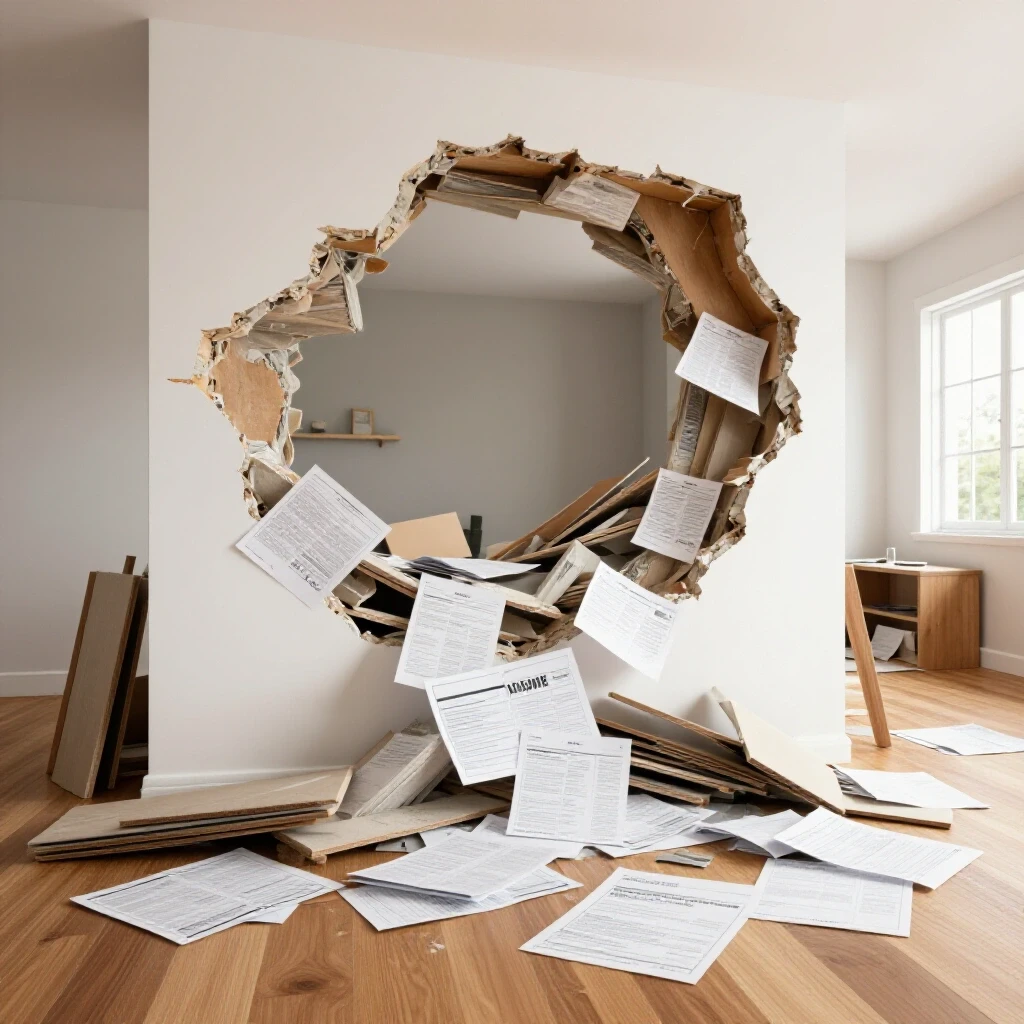
One of the fastest ways to gain a sense of progress in a major residential renovation is to perform a simple “space audit” before any walls come down. By measuring the actual depth of your current wall cavities and the true floor area of adjacent closets, you can often find four to six inches of “ghost space” that does not appear on original blueprints. This quick win allows you to adjust your layout expectations early, ensuring your new fixtures fit perfectly without needing to move heavy structural supports.
Analyzing the Interior Footprint for Area Reallocation
This phase involves a detailed review of the existing floor plan to identify which areas can be sacrificed to increase the size of a primary or secondary bath. It requires looking at the home as a puzzle where moving one partition affects the storage, light, and movement of the neighboring room.
In my 18 years of managing residential builds, I have found that the most successful projects start with a clear understanding of the “thermal envelope” and the “load-bearing” nature of interior partitions. A load-bearing wall is a structural element that supports the weight of the roof or the floor above it. If you plan to move a wall to gain space from a bedroom, you must first determine if that wall is holding up your house. If it is, you will need to plan for a structural beam to take its place.
During a project I coordinated on an older home, we discovered that a small hallway closet was the perfect candidate for reallocation. By shifting the bathroom wall just 24 inches into that closet space, we were able to transition from a cramped alcove tub to a walk-in shower. This type of internal footprint adjustment is common in residential renovation planning, but it requires a precise “scope of work” document. This document acts as your roadmap, listing every wall to be removed and every new stud to be installed.
- Measure the thickness of existing walls to account for plumbing stacks.
- Identify “dead space” behind corner cabinets or under-stair areas.
- Evaluate how reducing a bedroom’s size affects its minimum egress requirements.
Managing the Critical Path of Internal Layout Changes
The critical path is a scheduling technique that identifies the sequence of essential tasks that must be completed on time for the project to finish. In the context of shifting interior walls, the critical path usually moves from demolition to structural framing, and then to the “rough-in” phase.
“Rough-in” refers to the stage where all the internal components—like pipes, wires, and ducts—are installed inside the wall frames but before the drywall is hung. When you are reallocating square footage, the rough-in phase is where most surprises happen. I once managed a project where we moved a wall only to find a main vent stack for the entire house hidden inside. Because we had built “float time” into our construction sequencing, we were able to reroute the stack without delaying the final tile work.
| Renovation Phase | Key Task for Space Reallocation | Duration Estimate |
|---|---|---|
| Discovery | Probing walls for hidden utilities | 1-2 Days |
| Demolition | Removing non-structural partitions | 2-3 Days |
| Structural | Installing beams or new headers | 3-5 Days |
| Framing | Building new wall plates and studs | 2-4 Days |
| Rough-in | Moving plumbing and electrical lines | 5-7 Days |
Building a buffer into your schedule is a core home remodeling tip. If you expect the framing to take three days, plan for five. This allows for the inevitable discovery of outdated wiring or slight floor leveling issues that often arise when you merge two different floor areas into one.
Technical Quality Control During the Framing Phase
Framing is the skeleton of your new room, and it must be perfectly “plumb” and “square” to ensure a high-quality finish. Plumb means a wall is perfectly vertical, while square means the corners meet at a precise 90-degree angle, which is vital for installing large-format tiles or custom vanities.
When you are shifting space from one room to another, you are often dealing with floors that have settled differently over time. As a project coordinator, I always use a long level or a laser level to check the floor height across the new, larger footprint. If the floor in the old closet is a quarter-inch lower than the floor in the old bathroom, your tile will eventually crack. You must address this during the framing and subfloor preparation phase.
- Check that all new studs are spaced 16 inches “on center” for maximum strength.
- Ensure “blocking” is installed between studs to support heavy items like wall-mounted vanities or grab bars.
- Verify that the subfloor is screwed down tightly to prevent future squeaks.
Interestingly, many homeowners focus on the finish materials but forget that the framing determines how those materials look. If your wall is bowed by even half an inch, your new vanity will have a visible gap against the wall. Using a structural inspection checklist during this phase can prevent these design errors from becoming permanent eyesores.
Integrating New Fixtures into Existing Utility Grids
Moving a wall to enlarge a room often means the existing plumbing and electrical points are no longer in the right spots. This requires a “utility relocation,” which involves extending water lines and drainage pipes to reach the new fixture locations within the expanded footprint.
In my experience, the “drain-waste-vent” (DWV) system is the most challenging part of any interior footprint change. While water lines are small and flexible, drain pipes are large and must be sloped correctly to function. If you move a toilet three feet away from its original spot, you must ensure there is enough space in the floor joists to maintain a slope of 1/4 inch per foot.
| Property Age | Suggested Contingency Buffer (Scope/Time) | Common Hidden Issue |
|---|---|---|
| 0-10 Years | 10% | Poorly fastened subfloors |
| 11-30 Years | 15% | Outdated electrical circuits |
| 31-50 Years | 20% | Galvanized pipe corrosion |
| 50+ Years | 25% | Lead paint or knob-and-tube wiring |
When planning a kitchen remodel budget or a bathroom expansion, you must account for these “behind-the-wall” adjustments. Even if the walls look fine from the outside, the internal systems might need a total refresh to support modern high-flow showerheads or multiple lighting circuits.
Balancing Storage Loss in Adjacent Rooms
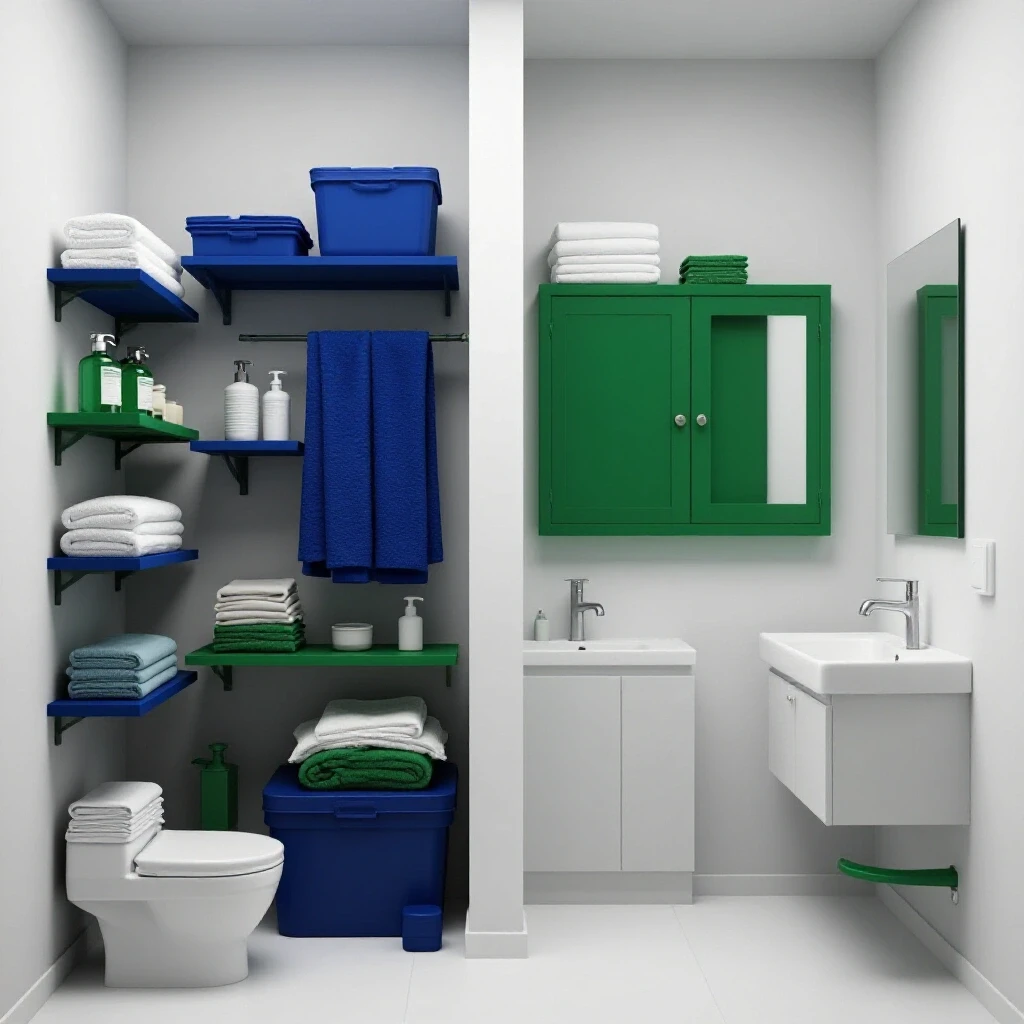
Every square foot added to a bathroom is usually a square foot taken from a closet, a bedroom, or a hallway. Managing this trade-off requires a strategy for “vertical storage” to replace the lost horizontal floor space in the neighboring areas.
Building on this, I recommend performing a post-occupancy evaluation of the rooms you are shrinking. Ask yourself how the furniture will fit in the new, smaller bedroom. If you removed a reach-in closet to make room for a double vanity, can you install a “built-in” wardrobe in another corner of the bedroom? This keeps the home’s flow natural and prevents the renovation from feeling like a series of compromises.
- Use recessed wall niches in the bathroom to save floor space.
- Install floor-to-ceiling cabinetry in the remaining closet area.
- Consider pocket doors to eliminate the “swing space” required by traditional doors.
Material Selection for Visual Continuity and Flow
When you merge two spaces, you must decide how to blend the old and new materials. This is especially important for flooring and wall finishes, as any slight mismatch will highlight where the old wall used to be.
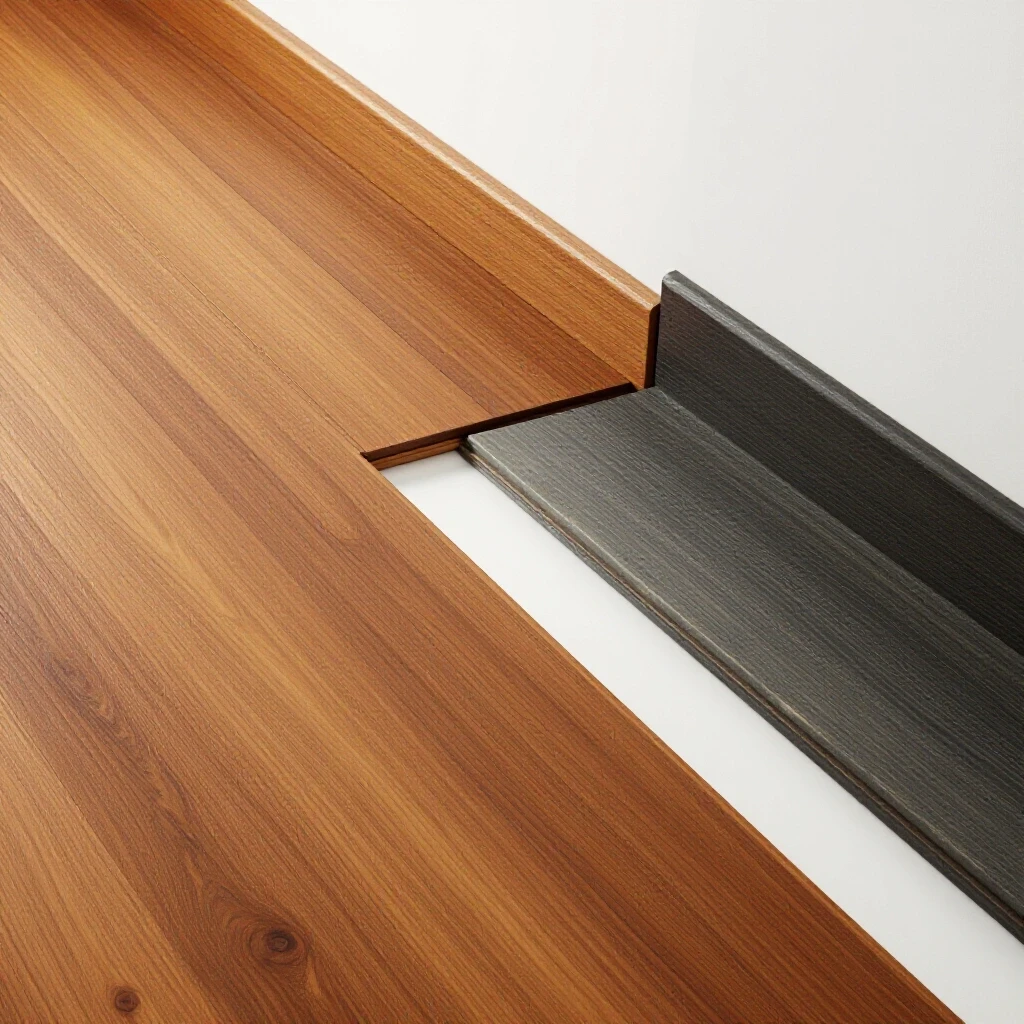
As a result of my work on two full-home renovations, I have learned that “feathering” is the best way to handle flooring transitions. If you have hardwood in the bedroom and you are moving the bathroom wall out, you may need to weave new wood planks into the old ones before refinishing the entire floor. For the bathroom itself, choosing materials that complement the existing home’s style ensures the expansion looks like it was always part of the original design.
- Digital Blueprints: Use a tablet-based app to track changes to the layout in real-time.
- Laser Measuring Tools: These provide accuracy within 1/16th of an inch, which is vital for custom cabinetry.
- Moisture Meters: Use these to ensure the subfloor is dry before laying down new tile or stone.
- Leveling Systems: Plastic spacers that ensure tiles are perfectly flat relative to each other.
Change Order Impact Analysis
A change order occurs when the project scope shifts after work has begun. For example, if you decide to move a wall an extra six inches after the plumbing has already been roughed in, that is a change order. These shifts can have a massive impact on the project timeline.
| Change Type | Impact on Timeline | Technical Complexity |
|---|---|---|
| Shifting a non-load-bearing wall | Low (1-2 days) | Low |
| Moving a toilet location | Medium (3-5 days) | High (Pipe slope issues) |
| Relocating a load-bearing post | High (7-10 days) | Very High (Requires engineering) |
| Changing tile patterns mid-way | Medium (2-3 days) | Moderate (Layout recalculation) |
To minimize friction, I suggest a “freeze date” for all layout decisions. Once the framing starts, any further changes to the wall positions should be avoided. This keeps the project moving and prevents the “scope creep” that often leads to frustration and delays.
Final Quality Control and the Punch-List Process
The “punch-list” is a document created at the very end of a project that lists all the small items that need to be fixed or finished. When you have expanded a room, the punch-list often includes things like paint touch-ups where the old wall met the ceiling or adjusting the trim where the new floor meets the old.
I always advise homeowners to walk through the space with a critical eye. Check the “thermal envelope” by feeling for drafts around any new electrical outlets or light fixtures. Ensure that the doors swing freely and that the transitions between different flooring types are smooth and trip-free. A thorough punch-list resolution marks the difference between a project that feels “mostly done” and one that is truly complete.
- Test all plumbing fixtures for at least 15 minutes to check for leaks.
- Verify that all electrical outlets are grounded and functional.
- Check the grout lines for consistency and pinholes.
FAQ: Navigating the Technicalities of Space Reallocation
How do I know if a wall is load-bearing before I start? Look in your attic or basement. If the ceiling joists meet on top of the wall, or if there is another wall or beam directly below it in the basement, it is likely load-bearing. These walls support the weight of the structure and require a beam if they are moved.
What is the minimum width for a functional bathroom? Most residential building standards suggest a minimum width of 30 inches for a toilet area and at least 30 to 36 inches for a standard shower. When reallocating space, ensure you maintain at least 21 inches of clear floor space in front of the toilet and vanity.
Can I move a bathroom wall if there is a window in the way? Yes, but it complicates the exterior of the house. You will either need to resize the window or ensure the new interior wall does not bisect the glass. This often involves custom framing and exterior siding work to maintain the home’s appearance.
What happens to the electrical wiring inside a wall I want to move? The wiring must be disconnected, pulled back to a junction box, and then re-run through the new wall studs. You cannot simply “bury” a junction box inside a wall; it must remain accessible per standard safety practices.
How do I handle a floor that is uneven between the two merged spaces? You can use a “self-leveling underlayment.” This is a liquid cement-like product that you pour over the subfloor. It finds the low spots and creates a perfectly flat surface for your new flooring.
Will moving a wall affect my home’s heating and cooling? It might. When you change the size of a room, the “load” on your HVAC system changes. You may need to add a larger vent or move the existing ductwork to ensure the expanded space stays comfortable.
How much space should I leave for a walk-in shower? For a comfortable experience without a door, you generally need a space that is at least 60 inches long. This allows enough room for the water to stay within the “wet zone” without splashing into the rest of the room.
Can I reallocate space from a hallway without making it feel too narrow? Standard hallways are usually 36 to 42 inches wide. If you reduce this to less than 32 inches, it will feel cramped and may make it difficult to move furniture through the house. Always measure your largest piece of furniture before narrowing a hallway.
What is the best way to hide the seam where the old and new ceilings meet? The best method is to “skim coat” the entire ceiling. This involves applying a thin layer of joint compound over the whole surface and sanding it smooth. This prevents a visible “hump” where the new drywall meets the old plaster or board.
Do I need to worry about mold when opening up old bathroom walls? Yes. Moisture often seeps behind old tile or around leaking valves. If you find mold or rot in the studs during demolition, you must replace the affected wood and treat the area before closing the wall back up. This is why a 15–25% contingency buffer in your schedule is so important.
(This article was written by one of our staff writers, David Langford. Visit our Meet the Team page to learn more about the author and their expertise.)