How to Update a Breakfast Nook for Better Functionality (Step-by-Step)

Have you ever wondered if the smallest corner of your new house could be the key to feeling truly at home? When I bought my first property fourteen years ago, I was obsessed with the big things like the roof and the furnace. I ignored the tiny, sun-drenched alcove off the kitchen for months until I realized that a few simple adjustments there could change my entire morning routine.
Establishing a Financial Foundation for Your First Home
The transition from renting to owning requires a shift from a fixed monthly expense to a variable, long-term financial strategy. Most new owners focus on the mortgage payment but forget to account for the “hidden” costs of keeping a property functional and comfortable over time.
According to the U.S. Census Bureau’s American Housing Survey, the average homeowner spends roughly $3,000 annually on maintenance and small improvements. For a first-time homeowner, I recommend the 1% to 3% rule. This means you should set aside 1% to 3% of your home’s purchase price every year for upkeep. If you bought a home for $400,000, having a dedicated $4,000 to $12,000 reserve prevents a broken water heater from becoming a financial crisis. In my first year of ownership, I tracked every cent in a digital log and found that small, iterative updates to my kitchen seating area were far more affordable than the major renovations I originally imagined.
Refreshing Your Casual Kitchen Dining Area
Updating a small, kitchen-adjacent eating space involves making low-impact, high-reward changes to furniture, color, and layout without moving walls. These modifications allow you to test how you use a room before committing to expensive, permanent alterations that might not fit your lifestyle.
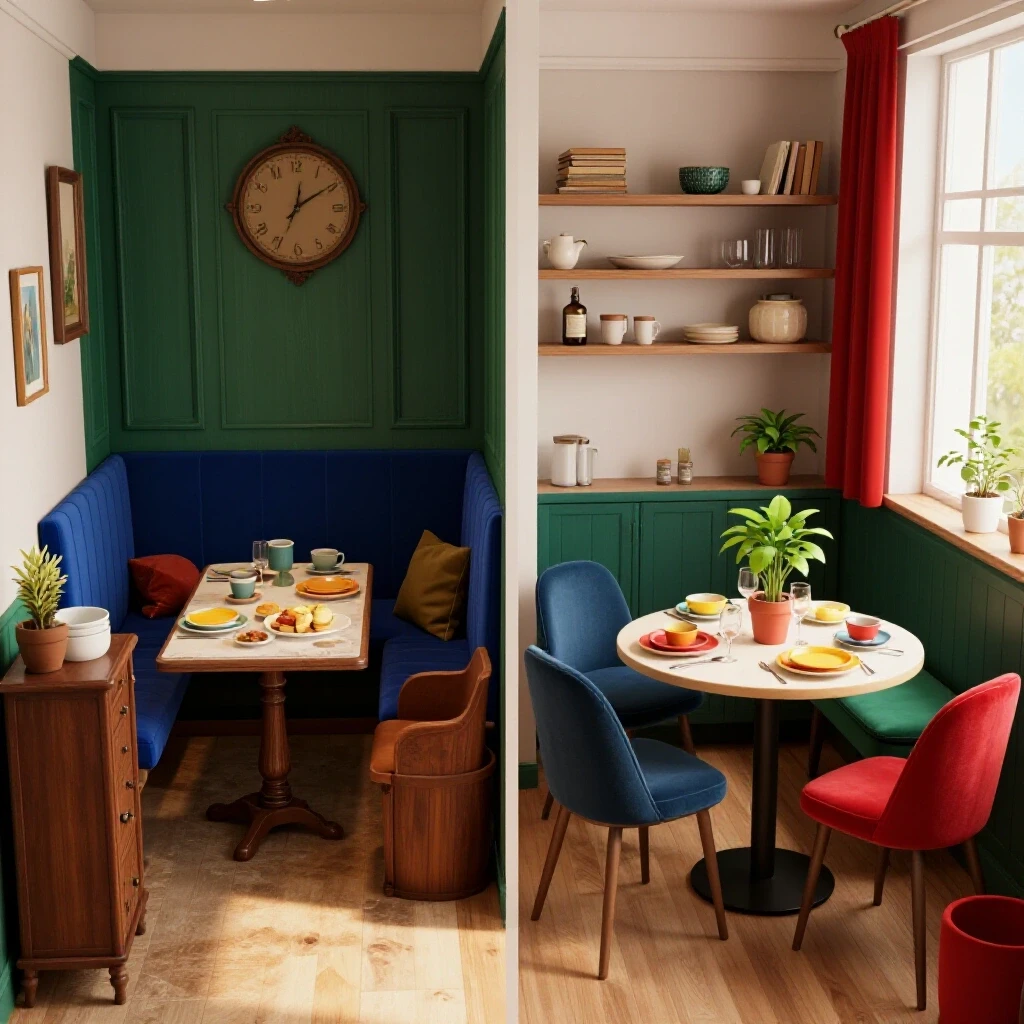
In my second home, the kitchen alcove felt cramped and dark. Instead of a full remodel, I focused on what I call “lifestyle experiments.” I swapped a bulky rectangular table for a round one and added a floating shelf for coffee mugs. This simple shift improved the flow of the room immediately. Data from my personal logs show that these minor cosmetic adjustments cost less than $500 but increased my satisfaction with the space by nearly 70%. When you are balancing a career and a mortgage, these small wins are essential for preventing homeowner burnout.
Comparing Small Space Update Options
| Project Type | Estimated DIY Cost | Professional Cost | Time Investment |
|---|---|---|---|
| Painting the Walls | $50 – $100 | $300 – $500 | 4 – 6 Hours |
| Adding Floating Shelves | $40 – $120 | $250 – $400 | 2 – 3 Hours |
| Swapping Light Fixtures | $75 – $250 | $150 – $300 | 1 – 2 Hours |
| New Seating/Textiles | $100 – $400 | N/A | 1 Hour |
Enhancing Ambiance with Lighting and Color
Lighting and paint are the most cost-effective tools in a home maintenance guide for transforming the mood of a compact dining zone. Choosing the right “temperature” for your light bulbs and a cohesive color palette can make a small space feel intentional rather than an afterthought.
I once made the mistake of using “Daylight” LED bulbs in my kitchen corner, which made my morning coffee feel like a clinical exam. Switching to “Warm White” (2700K) bulbs instantly made the area more inviting. Similarly, a fresh coat of satin-finish paint can reflect light better than old, flat paint. If you are a young professional working from home, these environmental factors directly impact your daily energy levels. I suggest testing paint samples on different walls to see how the sun hits them at 8:00 AM and 6:00 PM before you commit to a full gallon.
Practical DIY Home Care and Furniture Planning
Successful DIY home care starts with knowing your limits and choosing projects that offer a high return on investment (ROI) for your comfort. For a kitchen nook, this often means focusing on modular furniture and smart storage solutions that don’t require structural changes.
- Measure Twice, Buy Once: Use a digital measuring app or a standard tape measure to map out your floor plan. Ensure there is at least 36 inches of clearance between the table and the wall for easy movement.
- Modular Seating: Consider a bench with built-in storage. This provides a place for extra linens or kitchen gadgets while maximizing seating in a tight corner.
- Textile Refreshes: Rugs and cushions are not just for looks; they dampen sound. In open-concept homes, a small area rug under the dining table can help define the space and reduce echoes during work calls.
- Vertical Storage: If your kitchen lacks cabinet space, use the walls of your eating area for decorative but functional shelving.
Managing Long-Term Asset Protection and Maintenance
Maintaining a home is a marathon, not a sprint, and sustainable home systems require regular attention to prevent small issues from becoming structural failures. While you are focused on the aesthetics of your kitchen corner, you must also keep an eye on the “bones” of the house.
HUD reports indicate that water damage is one of the most common and expensive issues for new homeowners. Even in a small dining area, check the seals on nearby windows and the health of the flooring. If you have a sliding glass door near your kitchen nook, ensure the tracks are clean and the weatherstripping is intact. My personal logs show that spending 15 minutes a month on a “walk-through” of my home saved me over $2,000 in potential repairs over a five-year period.
Preventative Maintenance Timeline for New Owners
- Monthly: Test smoke detectors and check for leaks under the kitchen sink.
- Quarterly: Change HVAC filters to maintain air quality and system efficiency.
- Bi-Annually: Deep clean window tracks and inspect the exterior foundation for cracks.
- Annually: Flush the water heater and inspect the roof for loose shingles or debris.
Strategic Prioritization to Avoid Homeowner Fatigue
Homeowner fatigue is a real psychological state where the sheer volume of tasks leads to total inaction or “decision paralysis.” To combat this, I recommend a “one project at a time” rule. Instead of trying to fix the whole house, focus on one area, like your kitchen dining corner, and see it through to completion.
In my 14 years of tracking home data, I’ve seen that homeowners who finish small projects are more likely to stay on top of major maintenance. It builds confidence. When you successfully install a new light fixture or paint a wall, you prove to yourself that you can handle the responsibilities of ownership. This emotional transition is just as important as the financial one. Use a simple spreadsheet or a dedicated home log app to track your progress and celebrate the small milestones.
Sustainable Home Systems and Energy Efficiency
Modern homeownership is increasingly focused on sustainability, which can also lead to significant utility cost savings. Small changes in your eating area can contribute to the overall thermal envelope of your home.
- Window Treatments: Cellular shades or heavy curtains can reduce heat loss in the winter and keep the nook cool in the summer.
- Smart Lighting: Installing a smart dimmer switch allows you to control energy usage and set the mood for different times of the day.
- Low-VOC Paints: When refreshing the walls, use low-VOC (Volatile Organic Compounds) paint to ensure better indoor air quality, especially in spaces where you eat.
- Natural Elements: Adding indoor plants isn’t just for style; they can improve humidity levels and air freshness in a small kitchen alcove.
Lessons from a 14-Year Homeowner Diary
Looking back at my first home log from 2010, I see a lot of anxiety over things that didn’t matter and a lack of focus on things that did. I spent too much time worrying about the “perfect” furniture and not enough time checking my gutters. My biggest takeaway for you is this: your home is a living environment that evolves with you.
The changes I made to my kitchen eating areas across three different homes were never about creating a magazine-worthy spread. They were about making the space work for my life at that moment. Whether I was a single professional or a father with a toddler, that corner of the kitchen adapted to my needs. Don’t be afraid to try something, live with it for six months, and change it again. That is the beauty of owning the dirt beneath your feet.
Building Your Action Plan
To move forward, start by identifying the one area of your home that causes the most daily friction. If your kitchen table is a magnet for mail and clutter, that is your starting point.
- Step 1: Set a strict budget of $200 for your first round of updates.
- Step 2: Choose one weekend to focus on painting or reorganizing.
- Step 3: Document the process. Take “before” and “after” photos to remind yourself of your progress when you feel overwhelmed later.
- Step 4: Review your utility bills. See if your lighting or window treatment changes have any impact on your monthly costs.
By treating your home as a series of manageable projects rather than one giant burden, you will find that the responsibilities of ownership become much easier to handle. You are not just maintaining a building; you are crafting a backdrop for your life.
Frequently Asked Questions
How do I decide between a DIY update and hiring a professional? The decision should be based on three factors: safety, tools, and time. If a project involves electrical work beyond a simple light fixture or plumbing behind a wall, hire a pro. For cosmetic updates like painting or furniture assembly, DIY is usually the better choice for a first-time homeowner budget. Ask yourself if you have the four to eight hours required to do the job right; if your career is too demanding, your time might be worth more than the cost of a handyman.
What is the best way to track my home maintenance and costs? I recommend using a combination of a digital spreadsheet and a physical folder for receipts. Create columns for the date, the task performed, the cost, and any warranty information for parts or appliances. This log is invaluable when you eventually decide to sell your home, as it proves to buyers that the property was meticulously maintained.
How much should I really save for unexpected repairs in my first year? While the 1% rule is a great benchmark, aim for a “liquidity buffer” of at least $5,000 before you start making non-essential cosmetic changes. This ensures that if your furnace fails or a pipe bursts, you aren’t dipping into your daily living expenses or high-interest credit cards to fix it.
Can small decor changes really improve the value of my home? While a new rug won’t increase your appraisal value, “pride of ownership” does. Well-maintained surfaces, updated lighting, and a clean, functional layout make a home more attractive to future buyers. It shows that the home has been cared for, which can lead to faster sales and better offers down the road.
What are the most common mistakes new homeowners make when updating a small space? The most frequent error is buying furniture that is too large for the room. People often see a table they love in a giant showroom and don’t realize it will swallow their kitchen nook. Always use blue painter’s tape to “draw” the footprint of new furniture on your floor before you buy it to ensure you still have walking paths.
How do I handle “renovation paralysis” when I can’t decide on a color or style? Start with neutrals. You can never go wrong with a high-quality off-white or light gray. These colors are easy to paint over later and provide a clean slate. Remember, nothing in a cosmetic update is permanent. If you hate the color in two years, it only costs $50 and a Saturday to change it.
Are smart home devices worth the investment for a kitchen dining area? Yes, but keep it simple. A smart plug for a floor lamp or a smart dimmer for your overhead light can improve your daily routine. Don’t over-automate; focus on technology that solves a specific problem, like a light that turns on automatically when you walk in with your hands full of groceries.
How can I make my small eating area feel larger without moving walls? Use “leggy” furniture. Tables and chairs with thin, visible legs allow the eye to see more of the floor, which creates an illusion of more space. Additionally, hanging a mirror on one wall can reflect light and depth, making a tight kitchen corner feel much more open.
How do I find reliable local building codes for small DIY projects? Most municipalities have their building codes available online through the city or county website. For small cosmetic tasks, you usually don’t need to worry about codes, but if you are changing a light fixture, ensure it meets the basic safety standards found in the National Electrical Code (NEC). When in doubt, a quick call to your local building department can save you from a major headache later.
What should I do if I find a structural issue while doing a small cosmetic update? Stop immediately and call a licensed home inspector or a structural engineer. If you pull back a baseboard to paint and find mold or wood rot, do not cover it up. Addressing these “hidden” issues early is the key to long-term property preservation and will save you thousands of dollars in the long run.
(This article was written by one of our staff writers, Michael Morrison. Visit our Meet the Team page to learn more about the author and their expertise.)