How to Build a Dog Wash Station at Home (Step-by-Step Guide)

I once believed a garden hose and a prayer were enough to clean my Golden Retriever after a rainy hike. I ended up with a soaked mudroom, a sore back, and a dog that smelled like wet wool and regret. As a facilities manager, I handle industrial boilers and commercial plumbing daily, but my 80-pound dog, Buster, is a more chaotic force of nature than any burst pipe I have encountered in a mechanical room.
After a decade of maintaining commercial spaces and two of my own homes, I realized that a dedicated pet shower is not a luxury; it is a functional necessity for the active homeowner. If you are tired of wrestling a muddy animal into your clean bathtub, creating a customized washing zone is a high-value weekend project. It requires a blend of basic framing, plumbing knowledge, and waterproofing skills. I will walk you through the process I used to build a durable, code-compliant station that saves your back and your bathroom floors.
Planning and Site Selection for Your Pet Bathing Zone
This phase involves identifying the most efficient location in your home, typically near existing water lines and drains. You must consider the height of the user, the size of the animal, and the proximity to high-traffic mud zones like the garage or laundry room.
When I started my project, I looked at my laundry room. It already had a floor drain and hot/cold water lines for the washing machine. This is a common setup for many professionals living in suburban homes. You want to minimize the distance you run new pipes to avoid excessive wall demolition.
A crucial metric I use in facilities management is “ergonomic height.” For a pet shower, this means raising the floor of the basin so you are not bent over. For a medium-to-large dog, a basin floor height of 12 to 18 inches off the ground is usually the “sweet spot.” This allows you to stand upright while scrubbing.
DIY vs. Professional Installation Comparison
| Metric | DIY Approach | Professional Hire |
|---|---|---|
| Estimated Cost | $600 – $1,200 | $3,000 – $5,500 |
| Active Labor Time | 24 – 30 Hours | 12 – 16 Hours |
| Total Duration | 2 – 3 Weekends | 3 – 5 Days |
| Skill Level Required | Intermediate | Licensed Trade |
| Tools Needed | Standard Power Tools | Specialized Trade Tools |
Essential Tools and Equipment for a Functional Wash Station
Before making your first cut, you need a full inventory of tools. This prevents the “three-trip-to-the-hardware-store” syndrome that plagues many weekend projects. I categorize tools into “Critical” for safety and “Efficiency” for ease of use.
- PEX Crimping Tool: Used for connecting flexible plastic water lines. PEX is far easier for DIYers than soldering copper pipes.
- Wet Saw: Essential for cutting ceramic or porcelain tile without cracking it.
- 4-Foot Level: Used to ensure the base is stable and the walls are plumb (perfectly vertical).
- Impact Driver: Provides the torque needed to drive structural screws into the wooden frame.
- Hole Saw Kit: Used for cutting precise circles in backer board for the plumbing valves.
- Notched Trowel: Required for spreading thin-set mortar to bond your tiles or panels.
- Laser Level (Optional): Highly recommended for keeping your tile lines straight across multiple walls.
Safety Gear Checklist
- Safety Glasses: Essential when cutting tile or drilling into concrete.
- N95 Mask: Necessary when mixing mortar or cutting cement board to avoid inhaling silica dust.
- Work Gloves: Protects hands from sharp tile edges and plumbing adhesives.
- GFCI Tester: A small tool used to ensure your electrical outlets near the water source are properly grounded and safe.
Understanding Plumbing Codes and Safety Protocols
Plumbing is the area where most DIYers feel the most anxiety. Following the Uniform Plumbing Code (UPC) or International Plumbing Code (IPC) ensures your home remains safe and your insurance remains valid. A major failure in a pet shower often stems from improper drainage or lack of venting.
In my experience, the most important code requirement is the “P-trap.” A P-trap is a U-shaped pipe that holds a small amount of water to prevent sewer gases from entering your home. Every drain must have one. Additionally, most codes require a 2-inch drain pipe for showers to handle the volume of water and the inevitable amount of pet hair.
Another safety factor is the mixing valve. I recommend installing a pressure-balanced valve. This prevents “shower shock,” where the water gets scalding hot if someone flushes a toilet elsewhere in the house. As a professional, I always check the manufacturer’s “scald-guard” settings before finishing the wall.
Phase 1: Framing and Structural Support
Framing is the “skeleton” of your project. It involves building a wooden box that can support the weight of a basin, several gallons of water, and a heavy animal. I use pressure-treated lumber for the base because it resists rot if any moisture ever bypasses the waterproofing layers.
When I built my station, I used 2×4 studs spaced 16 inches apart. If you are elevating the station, you must build a “platform” or “curb.” This platform must be rock-solid. A 60-pound dog moving around in a tub creates dynamic weight, which can cause a weak frame to creak or shift, eventually cracking your grout lines.
I suggest using 3-inch structural screws rather than nails. Screws have better “pull-out” resistance and allow you to make adjustments if you realize a board is slightly out of alignment. Always “dry-fit” your basin or pan onto the frame before securing anything to ensure it sits level.
Phase 2: Rough-In Plumbing and Drainage
“Rough-in” refers to the stage where the internal pipes are installed before the walls are closed up. This is where you connect your hot and cold supply lines and your main drain. Using PEX (cross-linked polyethylene) tubing is a game-changer here. It is flexible, resists scale buildup, and is much more forgiving than rigid pipe.
One mistake I often see is improper “slope.” A drain pipe must slope downward toward the main stack at a rate of 1/4 inch per foot. If the slope is too steep, the water flows faster than the solids (like hair and dirt), leading to clogs. If it is too shallow, nothing moves.
- Step 1: Locate your main waste stack.
- Step 2: Cut a “Wye” fitting into the stack to create a new branch.
- Step 3: Install the P-trap directly under the center of your station’s drain hole.
- Step 4: Run 1/2-inch PEX lines for hot and cold water to the valve location.
- Step 5: Secure the valve to a “stringer” (a horizontal 2×4) at the height you want the handle to sit.
Phase 3: Waterproofing and Substrate Preparation
If you skip or rush this step, your project will eventually fail. Moisture is a home’s greatest enemy. You need a solid substrate—the surface your tile sticks to—and a waterproof membrane. I do not recommend using standard drywall, even “green board,” in a shower area. Use cement backer board or specialized foam boards like Kerdi-Board.
In my facilities work, we use liquid-applied membranes like RedGard. You paint this onto the seams and surfaces of your backer board. It dries into a rubbery, waterproof skin. I apply two thick coats, allowing the first to dry completely (usually 2 to 4 hours) before applying the second.
Material Cure and Drying Timelines
| Material | Application | Cure Time (to touch) | Full Cure (to use) |
|---|---|---|---|
| PVC Primer/Cement | Plumbing joints | 5 Minutes | 2 Hours |
| Waterproof Membrane | Walls/Base | 2 Hours | 12 Hours |
| Thin-set Mortar | Setting tile | 12 Hours | 24 Hours |
| Grout | Filling tile gaps | 4 Hours | 24 – 48 Hours |
| Silicone Caulk | Sealing edges | 3 Hours | 24 Hours |
Phase 4: Surfaces and Finishing Work
Now that the station is waterproofed, it is time for the finish. Tiling is the most common choice because it is durable and easy to clean. However, if you are a busy professional looking for a faster result, you can use high-density PVC panels. These are “tongue-and-groove” and can be glued directly to the waterproofed walls.
If you choose tile, start with the floor of the basin. You want a slight slope toward the drain—about 1/8 to 1/4 inch per foot. I use small 2×2 inch tiles for the floor because they conform to slopes better than large-format tiles. For the walls, larger tiles are fine and mean fewer grout lines to scrub later.
Don’t forget the “transition” areas. Where the station meets the drywall of the room, use a “Schluter” strip or a bullnose tile to create a clean, professional edge. This prevents water from wicking into the surrounding wallboard.
Testing and Quality Control Procedures
Before you declare the project finished, you must perform a “flood test.” This involves plugging the drain and filling the basin with about two inches of water. Let it sit for 24 hours. If the water level hasn’t dropped and you see no leaks in the crawlspace or floor below, your waterproofing is successful.
Interestingly, most leaks occur at the “penetrations”—the spots where the pipe comes through the wall. I always use a generous amount of 100% silicone caulk around the shower arm and the valve trim plate. Avoid “latex” caulk for this; it will eventually peel away in a wet environment.
Finally, check the water temperature. Most modern valves have a “limit stop” under the handle. You should set this so the water cannot exceed 100 degrees Fahrenheit. This protects your pet’s sensitive skin from accidental burns if the handle is bumped.
Troubleshooting Common DIY Hurdles
Even with 12 years of experience, I still run into issues. One common problem is a “slow drain” immediately after installation. This is often caused by construction debris—sawdust or pieces of PEX—falling into the pipe. Always tape over your drain opening during the build to prevent this.
If you notice a tile is “hollow” when you tap it, it means there wasn’t enough mortar coverage. This can lead to a cracked tile later. If the mortar is still wet, pop the tile off, add more thin-set, and reset it. It is much easier to fix now than in six months.
- Problem: Water pooling in a corner. Fix: Use a “self-leveling” mortar or add an extra layer of thin-set under the tile in that specific spot to create a slope.
- Problem: Grout cracking. Fix: This usually means the wooden frame is flexing. Ensure you have enough structural blocking under the basin.
- Problem: Low water pressure. Fix: Check the “aerator” or the spray head. Often, bits of solder or pipe tape get stuck in the fine mesh screen.
Maintaining Your Grooming Station for Longevity
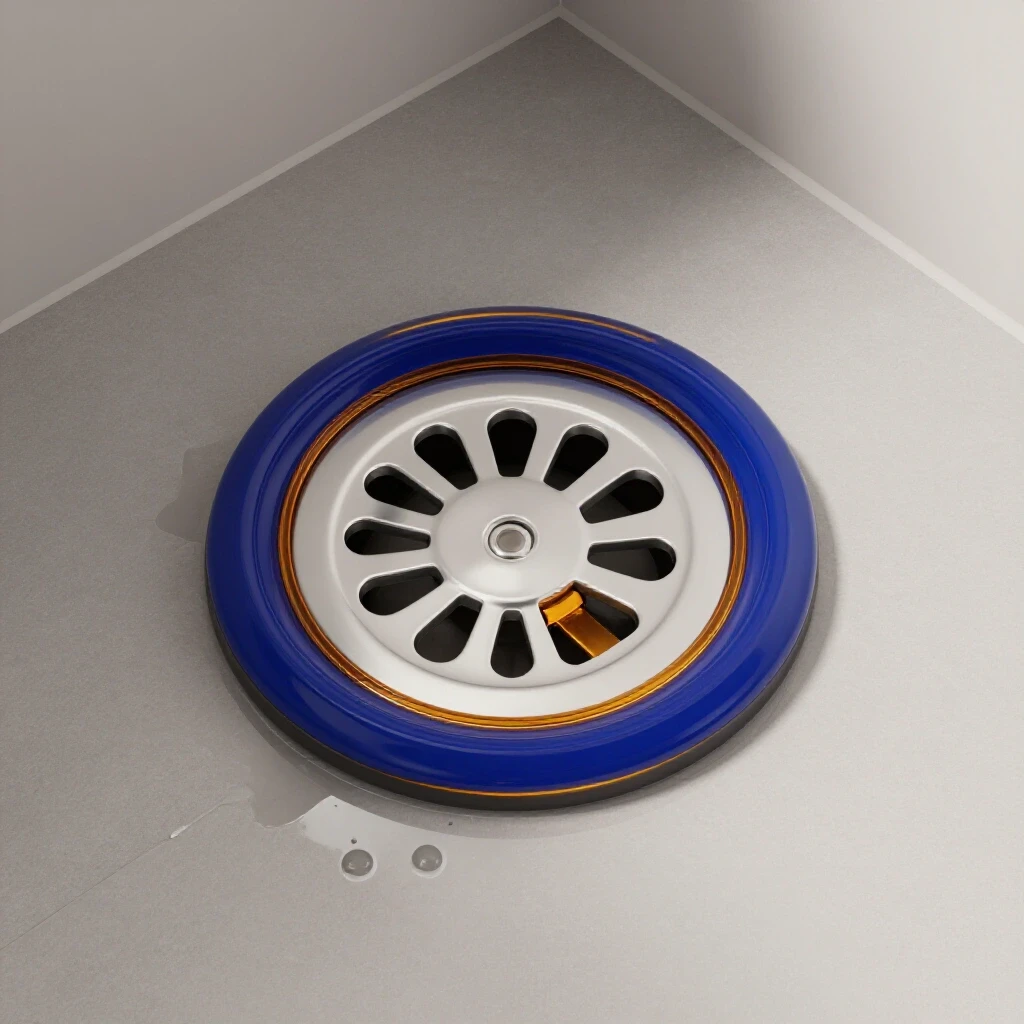
A well-built station should last as long as your home, but it does require maintenance. Hair is the primary culprit for failure. I recommend a stainless steel hair catcher that sits over the drain. Clean it after every single wash to prevent the P-trap from becoming a solid plug of fur.
Every year, inspect the silicone caulk around the base and the fixtures. If it looks discolored or is pulling away, scrape it out and re-apply. This five-minute task can prevent thousands of dollars in water damage to your subfloor.
I also suggest using a “squeegee” on the walls after use. This prevents soap scum and hard water deposits from building up, which makes the deep cleaning much easier for someone with a busy professional schedule.
Knowing When to Call a Professional
While most of this project is within the reach of a determined DIYer, some scenarios require a pro. If your home has an older “cast iron” main stack, cutting into it is a massive, dirty job that requires specialized saws and heavy-duty couplings. If you are uncomfortable with the structural integrity of your floor joists, consult a structural engineer or a veteran carpenter.
Safety is the priority. If you find mold behind the walls during the demolition phase, stop immediately. Mold remediation requires specific protocols to ensure you don’t spread spores throughout your HVAC system.
Building a dedicated grooming area is a rewarding way to apply your hands-on skills. It adds tangible value to your home and solves a recurring household headache. By following these steps and respecting the mechanical requirements of your home’s plumbing and structure, you can create a professional-grade station that stands the test of time.
FAQ: Frequently Asked Questions About Home Pet Wash Stations
How high should I build the platform for the basin?
For most adults, an elevated height of 12 to 18 inches from the floor to the bottom of the basin is ideal. This prevents the need to hunch over, which is the primary cause of back strain during pet washing. If you have a very large breed, like a Great Dane, you might choose a lower height or even a floor-level entry with a ramp.
Can I use a standard kitchen faucet for the sprayer?
While a kitchen faucet works, I recommend a dedicated “pre-rinse” sprayer or a shower wand with a long, flexible hose (at least 60 inches). This allows you to reach under the animal’s belly and around their paws easily. Ensure the sprayer has a “pause” button to save water while you are lathering.
Do I need a special permit for this project?
In many jurisdictions, adding a new “plumbing fixture” requires a permit. However, if you are simply replacing a utility sink with a pet wash station in the same footprint, it may fall under “repair and maintenance.” Always check your local building department’s website. Following code is essential for safety, even if you don’t pull a permit.
What is the best way to prevent hair clogs?
A multi-stage approach is best. Use a 2-inch drain pipe (which is standard for showers but larger than sink drains). Then, install a recessed drain with a removable hair strainer. Finally, use an external silicone hair catcher over the drain during the actual washing process.
Is tile better than a plastic insert?
Tile is more customizable and generally looks more “high-end,” which helps with home resale value. However, a pre-formed acrylic or fiberglass base is much easier to waterproof and faster to install. If you are worried about your tiling skills, a hybrid approach—a plastic base with tiled walls—is a great compromise.
How do I handle the “wet dog” smell in the room?
Proper ventilation is key. Ensure your laundry room or mudroom has an exhaust fan rated for the square footage of the room (usually 50-100 CFM). Running the fan during and for 20 minutes after the wash will pull the humid, scented air out of the house.
Can I build this in a garage?
Yes, but you must consider the climate. If you live in a region where temperatures drop below freezing, you must insulate the water lines and the station itself to prevent pipes from bursting. You also need to ensure the garage floor has a proper slope or a way to tie into the main sewer line, which can be more difficult than an indoor installation.
What kind of lighting should I install?
Shadows make it hard to see if you’ve rinsed all the soap off. I recommend “wet-rated” LED recessed lights directly over the station. Because you are working with water, ensure these lights are on a GFCI-protected circuit to prevent electrical hazards.
How much weight can a wooden frame hold?
A standard frame built with 2x4s and 3/4-inch plywood can easily hold 500+ pounds if constructed correctly. When you factor in the weight of the basin (50 lbs), 10 gallons of water (83 lbs), and a large dog (100 lbs), you are well within the safety margins of standard residential framing.
What is the most common mistake DIYers make?
The most common error is failing to “slope” the floor toward the drain. Water is lazy; it will sit in the corners if you don’t give it a path. Always use a level to verify that every square inch of the floor angles slightly toward the center drain before you set your tile.
(This article was written by one of our staff writers, Robert Callahan. Visit our Meet the Team page to learn more about the author and their expertise.)