Buying a House in Winter: Essential Tips for Homeowners (Guide)

Adaptability is the most important trait for a new homeowner, especially when you move in during the coldest months of the year. While the weather outside may be harsh, this period offers a unique opportunity to understand the true bones of your property. I have owned three homes over the last 14 years, and my second move took place right in the middle of a January freeze. That experience taught me that the quiet, indoor focus of a cold-weather move-in is actually a blessing in disguise. It forces you to look at your home’s efficiency and comfort levels immediately, rather than waiting for a surprise during the next year’s first cold snap.
Managing the Immediate Transition into a Cold-Weather Property
Transitioning into a home during the colder months requires a shift in focus toward the interior environment. This period is less about curb appeal and more about ensuring the structural systems can withstand low temperatures. It is a time for observation, adjustment, and learning how your new space breathes and holds heat.
When I moved into my second home, I spent the first week wearing a heavy sweater inside. I realized quickly that the previous owners had ignored several small gaps around the window frames. According to the U.S. Census Bureau’s American Housing Survey, nearly 25% of homeowners report drafts as a primary comfort concern. Moving in during the frost means you find these issues on day one. You aren’t distracted by lawn care or exterior painting. Instead, you can focus on the “thermal envelope,” which is the barrier between your conditioned indoor air and the freezing outdoor air.
Building a relationship with your home’s mechanical systems is the first step. You need to know where your main water shut-off valve is located, especially if a pipe freezes. I keep a digital log of every valve and switch in my house. For a new owner, this simple act of mapping your home can reduce the panic that sets in during a midnight emergency.
Establishing a Winter-Ready Household Budget
A winter-specific budget accounts for higher utility demands and the need for immediate indoor repairs or upgrades. It moves away from outdoor landscaping costs and prioritizes the 1% to 3% annual maintenance reserve. This financial framework ensures you have funds for sudden furnace repairs or insulation improvements when they matter most.
Most experts suggest saving 1% of your home’s value for annual maintenance. However, my personal logs show that older homes often require closer to 3%. If you just moved in, your first-year costs might be higher as you stabilize the property. I recommend tracking your utility costs per square foot to see how your home performs against national averages.
| Metric | Benchmark Range | My 14-Year Average |
|---|---|---|
| Annual Maintenance Reserve | 1% – 3% of home value | 2.2% |
| Monthly Heating Cost | $0.10 – $0.15 per sq. ft. | $0.12 per sq. ft. |
| Emergency Repair Fund | $3,000 – $5,000 | $4,500 |
| DIY Tool Investment (Year 1) | $500 – $1,200 | $850 |
The Essential Toolset for Indoor Upkeep
Having the right tools on hand prevents small issues from becoming expensive professional repairs. For a cold-weather move-in, your toolkit should focus on sealing the home and maintaining air quality. These items are the foundation of a proactive maintenance strategy that saves money on energy bills and prevents long-term structural damage.
You do not need a garage full of power tools on day one. Start with the basics that help you manage the indoor environment. My logs show that I used a simple $20 caulk gun more in my first three months than I used my expensive miter saw.
- Digital Infrared Thermometer: This tool helps you find cold spots on walls and ceilings where insulation might be missing.
- High-Quality Caulk Gun and Silicone Sealant: Essential for sealing gaps around baseboards and window trim.
- HEPA Air Filters: Winter means less fresh air circulation, so changing filters every 30 to 60 days is vital for air quality.
- Basic Plumbing Kit: A plunger, a pipe wrench, and thread seal tape can handle 80% of minor leaks.
- Ladder (Multi-position): You will need this to check attic insulation levels and change ceiling light bulbs.
Prioritizing Interior DIY Projects for the Off-Season
The months spent indoors allow you to focus on projects that improve your daily life and the home’s aesthetic. Without the pressure of yard work, you can dedicate your weekends to painting, organizing, and small upgrades. These tasks help you bond with the property and make it feel like your own.
I have found that the psychological transition of homeownership is easier when you complete a few small projects early on. In my current home, I spent my first winter replacing all the outdated plastic light switches with modern, clean versions. It was a low-cost task that I could do while it was snowing outside. These small wins build your confidence for larger tasks later.
Creating a Warm Design Palette with Textiles and Lighting
Using textiles and lighting to adjust your home’s atmosphere is a practical way to manage the winter blues. Layering rugs, curtains, and warm-toned bulbs can change the temperature of a room both physically and visually. This approach focuses on comfort and “hygge,” a concept of coziness that is essential for winter living.
Lighting is often overlooked by new owners. Most builder-grade homes come with “cool white” bulbs that feel clinical and cold. I suggest switching to “warm white” bulbs (2700K to 3000K) to create a more inviting space. Adding heavy, thermal-lined curtains also serves a dual purpose. They block drafts from windows and soften the acoustics of a room. My data shows that thermal curtains can reduce heat loss through windows by up to 10%, which reflects directly in your monthly gas or electric bill.
Strategic Painting and Flooring Upgrades
Winter is an excellent time for interior painting because the low humidity helps the paint dry more evenly. Focusing on one room at a time prevents the “renovation fatigue” that many first-time owners experience. Flooring projects, such as laying area rugs or repairing hardwood, are also ideal when you are spending more time inside.
When I painted my first living room, I didn’t realize how much the color would change based on the low winter sun. Always test paint patches on different walls before committing. If you are doing DIY flooring, remember that wood expands and contracts. My logs from 2012 remind me that I left too little of a gap at the edges of a laminate floor, and it buckled when the humidity rose in the spring. Always follow the manufacturer’s specifications for “expansion gaps.”
| Project | DIY Cost (Est.) | Pro Cost (Est.) | Time Investment |
|---|---|---|---|
| Painting a 12×12 Room | $100 – $150 | $400 – $600 | 8 – 12 Hours |
| Installing Weatherstripping | $30 – $50 | $150 – $250 | 2 – 4 Hours |
| Replacing Light Fixtures | $50 – $200 | $150 – $300 per | 1 – 2 Hours |
| Adding Attic Insulation | $400 – $800 | $1,500 – $2,500 | 6 – 10 Hours |
Understanding and Maintaining Your Home’s Thermal Envelope
The thermal envelope is the most critical system to monitor during your first winter in a new home. It consists of the roof, walls, windows, and foundation that keep the heat in and the cold out. Understanding how this envelope functions helps you prevent moisture issues and reduces the strain on your heating system.
I once evaluated a home where the owners complained of high heating bills despite having a new furnace. The issue wasn’t the mechanical system; it was a lack of “top-plate” sealing in the attic. Heat was escaping through the gaps around the light fixtures into the attic space. This is why an energy-focused mindset is so important for new homeowners.
Identifying Heat Loss and Insulation Gaps
Finding where your home loses heat is the first step in sustainable property preservation. You can perform a simple “smoke pencil” test or use your hand to feel for drafts around outlets, baseboards, and attic hatches. Addressing these gaps is one of the highest ROI tasks a homeowner can perform in their first year.
The EPA estimates that homeowners can save an average of 15% on heating and cooling costs by air sealing and adding insulation. In my third home, I found that the attic hatch was just a piece of uninsulated plywood. By adding a $20 foam kit to the back of that hatch, I raised the temperature in the upstairs hallway by three degrees. Look for “bypass” areas where plumbing pipes or electrical wires go from the heated living space into the cold attic or crawlspace.
Preventative Mechanical Care for Heating Systems
Maintaining your HVAC system is the best way to avoid a catastrophic failure during a cold snap. Most first-time owners wait until the heat stops working to call a technician, but proactive care is much cheaper. This includes regular filter changes and annual professional inspections to ensure the system is running safely and efficiently.
According to HUD reports, the average lifespan of a furnace is 15 to 20 years. If your home’s system is nearing this age, you need to be extra diligent. I have a recurring calendar alert to check my furnace filter on the first of every month. A clogged filter makes the blower motor work harder, which can lead to a premature burnout.
- Filter Change: Every 1-3 months depending on pets and allergies.
- Flame Sensor Cleaning: An annual task that prevents the furnace from “short cycling.”
- Vent Inspection: Ensure the outdoor exhaust pipes are clear of snow or debris.
- Thermostat Calibration: Verify that your thermostat reflects the actual room temperature.
Long-Term Asset Protection and Avoiding Homeowner Burnout
The first year of homeownership is often an emotional rollercoaster of excitement and anxiety. Managing the responsibilities of a property while balancing a career or family requires a structured approach. Creating systems for maintenance helps you stay ahead of problems so they don’t become overwhelming.
I have seen many young professionals burn out because they try to fix everything in the first six months. They spend every weekend at the hardware store and feel guilty when they aren’t working on the house. My advice is to pace yourself. Your home is a long-term asset, not a sprint. Use the winter months to plan your spring and summer projects so you don’t feel rushed when the weather clears.
Building a Digital Home Log and Maintenance Schedule
A home log is a record of everything that happens to your property, from the date of a roof repair to the specific paint color used in the kitchen. Keeping this information in one place reduces stress and makes it easier to manage the home over time. It also adds value if you ever decide to sell the property in the future.
I use a simple spreadsheet, but there are many apps available today for this purpose. My log includes: 1. System Age and Serial Numbers: For the HVAC, water heater, and appliances. 2. Service History: Dates and contact info for any contractors used. 3. Utility Tracking: Monthly costs to monitor for unusual spikes. 4. Warranty Information: For any new items purchased.
| Appliance/System | Expected Lifespan | Replacement Cost (Est.) |
|---|---|---|
| Gas Furnace | 15 – 20 Years | $4,000 – $7,000 |
| Central AC | 12 – 15 Years | $3,500 – $6,000 |
| Water Heater | 8 – 12 Years | $1,200 – $2,500 |
| Dishwasher | 9 – 10 Years | $600 – $1,200 |
| Roof (Asphalt) | 20 – 25 Years | $8,000 – $15,000 |
Managing the Emotional Weight of First-Year Responsibilities
The “Sunday Scaries” can take on a new form when you own a home, as you worry about what might break next. It is important to remember that most home issues are not emergencies. Learning to distinguish between a “must-fix” and a “want-to-fix” is a skill that comes with time.
When I had my first major plumbing leak, I felt like I had failed as a homeowner. I eventually realized that houses are dynamic systems that require constant adjustment. Validating your stress is part of the process. If you feel overwhelmed, step back and focus on a non-house-related hobby for a weekend. The house will still be there, and a fresh perspective often leads to better decision-making.
Conclusion and Practical Next Steps
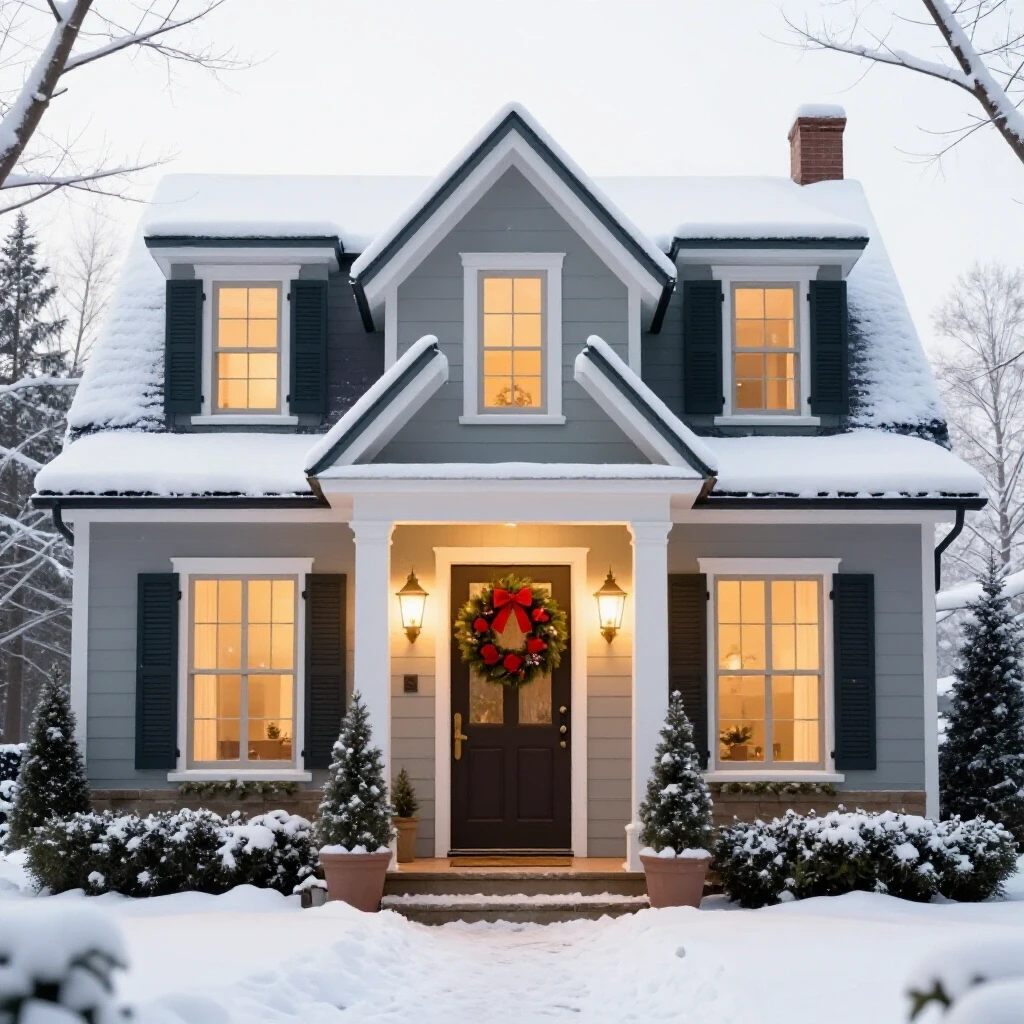
Moving into a home during the winter offers a unique chance to build a solid foundation for your life as a homeowner. By focusing on the interior, mastering your budget, and understanding your home’s thermal needs, you set yourself up for long-term success. The quiet months of winter are your training ground.
Start by walking through your home with a notepad. Listen to the sounds it makes when the heater kicks on. Feel for drafts around the doors. This simple act of observation is the beginning of your journey. Remember that you don’t have to do everything at once. Pick one small project this weekend—perhaps changing your air filters or installing a smart thermostat—and celebrate that win. Homeownership is a marathon, and you are just finding your stride.
FAQ
How much should I realistically set aside for my first winter’s utility bills? Utility costs vary by region, but a safe estimate is $0.12 to $0.15 per square foot per month for heating. If you have a 2,000-square-foot home, expect to pay between $240 and $300 during the peak cold months. It is wise to look at the previous year’s data if the utility company can provide it, as this helps you avoid “bill shock” in January.
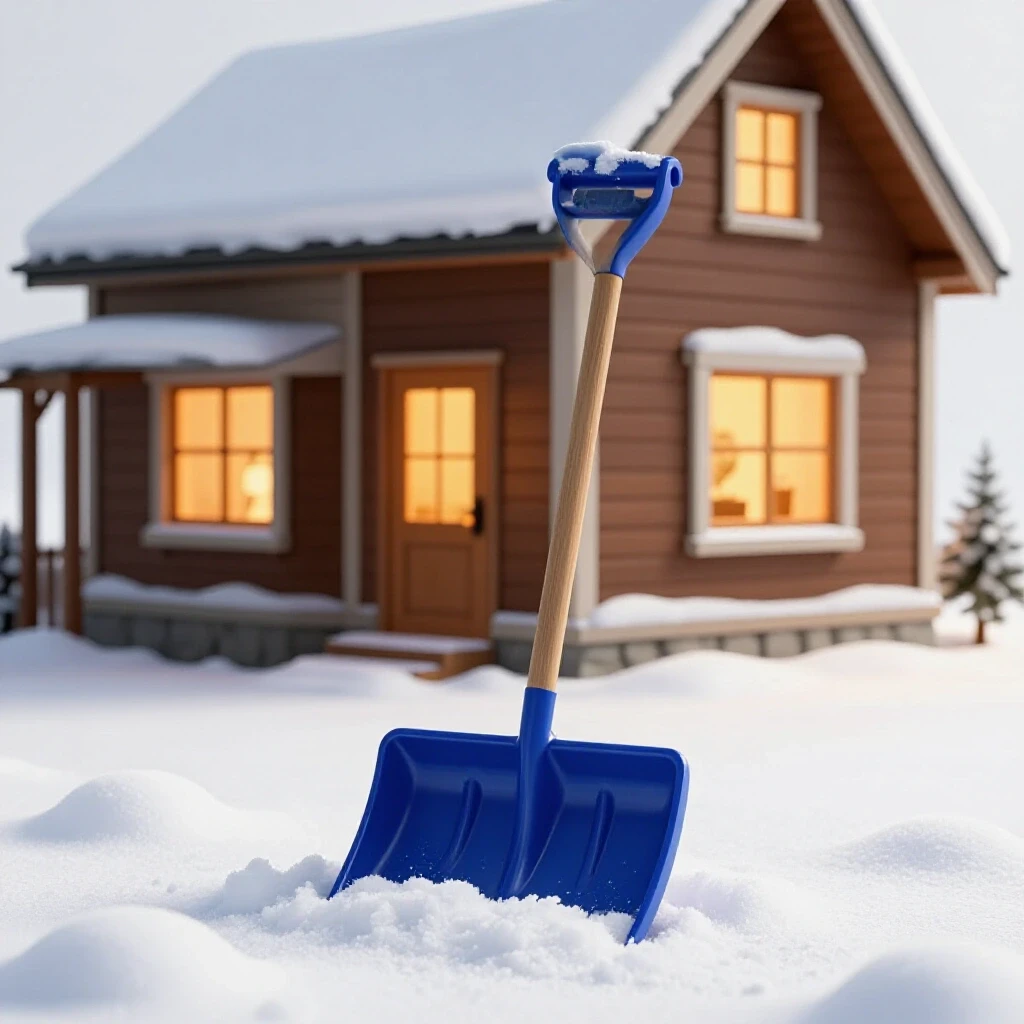
What are the most common “hidden” costs of a winter move-in? Beyond utilities, you may face costs for snow removal equipment, emergency heating repairs, and indoor air quality improvements. Many new owners forget to budget for a high-quality snow shovel or salt. Additionally, if the home was vacant before you moved in, the heating system may need a professional tune-up to handle the sudden increase in demand.
Is it safe to do interior painting in the winter without opening windows? Yes, as long as you use Low-VOC (Volatile Organic Compounds) or Zero-VOC paint. These paints release fewer chemicals into the air, making them safer for indoor use when ventilation is limited. You can also use a small air purifier in the room to help remove any lingering odors. The low humidity in winter actually helps the paint cure faster and more evenly.
How can I tell if my attic insulation is sufficient? A quick rule of thumb is to look across your attic floor. If the insulation is level with or below the floor joists, you likely need more. The Department of Energy recommends an R-value of R-49 to R-60 for most cold climates, which usually translates to about 16 to 20 inches of blown-in insulation.
What should I do if I find a draft but can’t afford new windows right now? You don’t need new windows to stop a draft. Temporary solutions like window film kits, heavy thermal curtains, and “draft dodgers” at the base of doors are very effective. These DIY fixes cost less than $50 and can significantly improve your comfort until you can afford a more permanent solution.
How often should I check my home’s exterior during the winter? Even if you are focused on the interior, do a quick walk-around after every major storm. Look for ice dams on the roof, which appear as large icicles hanging from the gutters. Also, ensure that your furnace and water heater exhaust vents are not blocked by drifting snow, as this can cause carbon monoxide to back up into your home.
Why is my home so dry in the winter, and how does it affect the structure? Cold air holds less moisture, and heating systems further dry out the indoor air. This can cause wood floors and trim to shrink and crack. Maintaining a humidity level between 30% and 50% using a humidifier helps protect your woodwork and improves your personal comfort and respiratory health.
Should I keep my thermostat at a constant temperature or lower it at night? Lowering your thermostat by 7 to 10 degrees for eight hours a day can save you up to 10% a year on heating. A smart thermostat can automate this for you. However, never set it below 55 degrees Fahrenheit, as you risk freezing the pipes inside your walls.
(This article was written by one of our staff writers, Michael Morrison. Visit our Meet the Team page to learn more about the author and their expertise.)