How to Build a DIY Entryway Bench With Storage (Step-by-Step Guide)

Many homeowners start their journey toward a more organized home by looking at low-maintenance options for high-traffic areas. This often includes durable tile flooring or scuff-resistant paint that can handle the daily grind of boots and bags. However, even the best finishes cannot solve the problem of physical clutter. In my own home, the entryway had become a chaotic pile of sneakers and backpacks. As someone who manages commercial facilities for a living, I knew that a structural solution was needed to manage the “traffic flow” of my family. I decided to build a custom seating unit with integrated cubbies to reclaim the space.
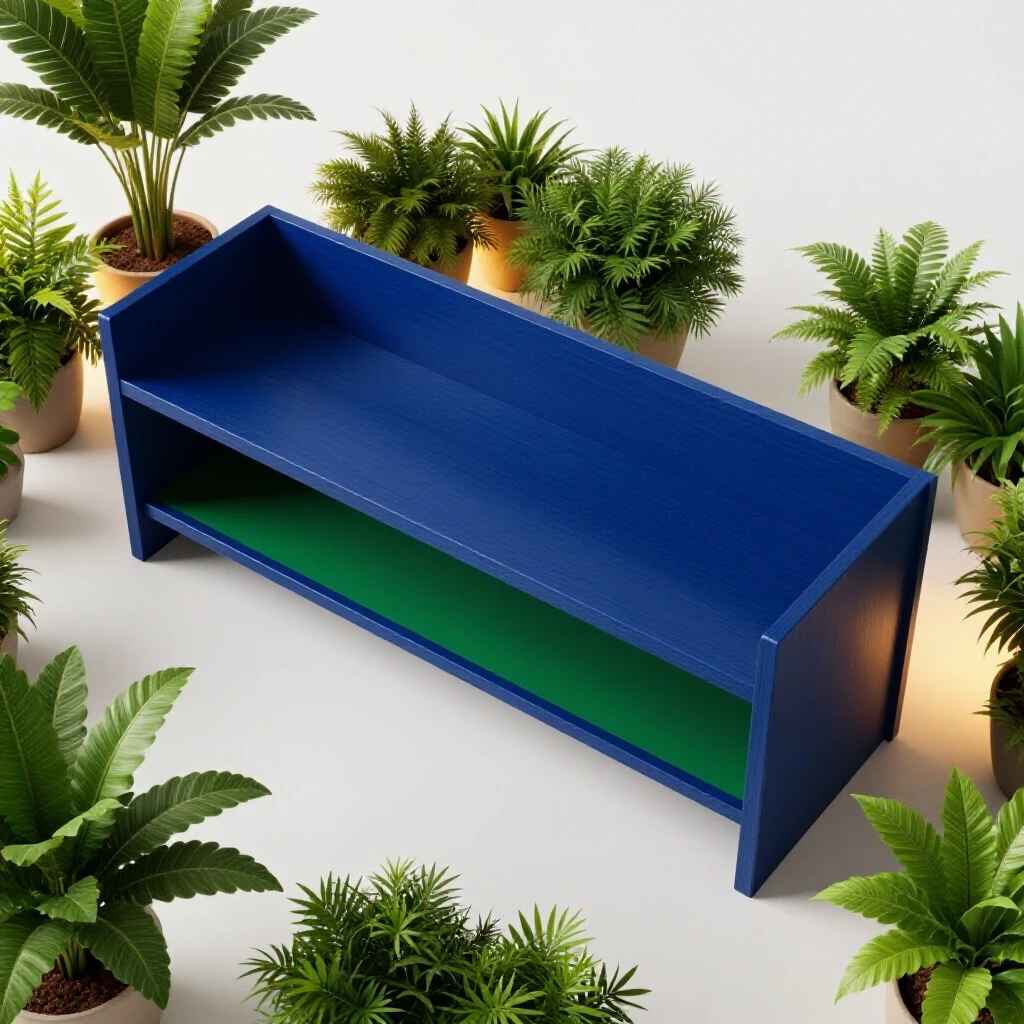
My professional background has taught me that the difference between a successful project and a frustrating failure lies in the preparation. I have seen many DIY projects fall apart because the builder skipped the planning phase or ignored basic structural principles. For this project, I applied the same standards I use at work: safety first, code compliance, and a focus on long-term durability. This guide reflects the lessons I learned while balancing a 40-hour work week with the desire to improve my family’s daily routine. We will look at how to build a sturdy, functional piece of furniture that stands up to the rigors of a busy household.
Establishing the Foundations of a Custom Mudroom Bench Project
This section covers the preliminary planning required to ensure your build is safe and fits your home’s layout. We will discuss measuring your space, checking for obstructions, and understanding how the unit interacts with your home’s existing structure.
Before you buy a single board, you must evaluate the site. In my first home, I once spent an entire Saturday building a cabinet only to realize it blocked a light switch. For an entryway project, you must check for electrical outlets, floor vents, and baseboard heaters. The International Residential Code (IRC) requires a minimum clear width for hallways and entryways to ensure safe egress during an emergency. Generally, you want to maintain at least 36 inches of clear walking space. If your bench is too deep, you might create a safety hazard.
I recommend a standard seat height of 18 inches. This is a comfortable height for most adults and children to sit while putting on shoes. The depth should be between 15 and 18 inches. Anything deeper tends to swallow up the space, while anything shallower feels unstable to sit on. When I built our unit, I used a piece of painter’s tape to outline the footprint on the floor. We walked around it for two days to make sure it didn’t feel cramped. This “mock-up” phase is a low-cost way to avoid a high-cost mistake.
Safety Protocol and Workspace Setup
Safety is not just about wearing goggles; it is about organizing your workspace to prevent accidents. You need a flat, stable surface for cutting and assembly. If you are working in a garage or driveway, ensure you have adequate lighting.
I follow a strict “clean as you go” policy. Sawdust on a smooth floor is a slip hazard, and scrap wood with protruding nails can cause serious injury. Always use a dust mask or respirator when cutting lumber, especially if you are using Medium Density Fiberboard (MDF) or pressure-treated wood, which contain resins and chemicals you should not breathe.
Understanding Load Tolerances and Structural Integrity
A bench is not just a shelf; it has to support the weight of multiple people. Most residential furniture is designed to support a live load of at least 200 to 300 pounds per seating position. To achieve this, I used a combination of 3/4-inch plywood for the carcass and solid wood for the face frame.
If you build a bench that is longer than 48 inches without center support, the wood will eventually sag. This is known as “deflection.” To prevent this, I installed vertical dividers every 16 to 20 inches. These dividers act as load-bearing walls for the seat, transferring the weight directly to the floor.
Essential Tools and Materials for a Durable Seating Unit
This section details the specific equipment and supplies needed to complete a high-quality build. We will distinguish between must-have tools and those that simply make the job faster, while also discussing material selection for longevity.
Choosing the right materials is a balance of cost and durability. For my project, I chose cabinet-grade birch plywood. It is more expensive than construction-grade plywood, but it has fewer internal voids and a smoother surface that takes paint or stain much better. Avoid using 1/2-inch plywood for the main structure; it is too thin to hold screws securely over time and will flex under weight.
| Tool Type | Essential | Optional | Purpose |
|---|---|---|---|
| Circular Saw | X | Making long, straight cuts in plywood. | |
| Power Drill | X | Driving screws and pre-drilling holes. | |
| Kreg Jig | X | Creating hidden pocket-hole joints. | |
| Level (2-foot) | X | Ensuring the bench is not tilted. | |
| Speed Square | X | Checking for 90-degree corners. | |
| Wood Glue | X | Providing long-term structural bonding. | |
| Stud Finder | X | Securing the unit to wall studs for safety. |
The Role of Pocket-Hole Joinery
I am a big fan of pocket-hole joinery for weekend projects. A pocket hole is a hole drilled at a shallow angle into one board, allowing you to drive a screw into the second board. It creates a very strong joint that is hidden from view. Before I owned a pocket-hole jig, I used basic butt joints with wood screws driven through the face of the wood. This required a lot of wood filler and sanding to hide the screw heads.
When using pocket holes, always use the specific screws recommended by the manufacturer. Standard wood screws have a tapered head that can act like a wedge and split the wood. Pocket-hole screws have a flat underside that sits flush against the bottom of the hole, providing a clamping force that pulls the joint together.
Material Selection: Plywood vs. Solid Wood
For the main box of the storage unit, plywood is superior to solid wood because it is dimensionally stable. Solid wood expands and contracts with changes in humidity. In a high-moisture area like an entryway, a solid wood bench might warp or crack. Plywood is made of thin layers of wood glued in alternating directions, which prevents it from moving. I used solid poplar for the face frame because it is a “hardwood” that is easy to paint and resists dents from stray shoes or vacuum cleaners.
Step-by-Step Construction: From Raw Lumber to Functional Storage
This section provides a logical sequence for building your unit. We will move from the initial cuts to the final assembly, emphasizing the importance of “dry-fitting” your pieces before applying glue.
The first phase is the “breakdown” of your materials. If you don’t have a large table saw, you can use a circular saw with a straight-edge guide. I use a factory-made guide, but you can also clamp a straight piece of scrap wood to your plywood to act as a fence. Always account for the “kerf,” which is the thickness of the saw blade (usually 1/8 inch). If you don’t account for this, your pieces will end up slightly too small.
Phase 1: Cutting and Preparation
Start by cutting your side panels and vertical dividers. These should all be the exact same height. If they vary by even 1/16 of an inch, your bench seat will be unlevel, and the joints will have gaps. Once the pieces are cut, I use a piece of 120-grit sandpaper to smooth the edges. This removes any splinters and helps the wood glue penetrate the fibers more effectively.
Phase 2: The Dry-Fit Test
Dry-fitting is the process of assembling the entire project without glue or permanent fasteners. This is a critical step that many tutorials skip. During my build, I discovered that my floor had a significant hump in the corner. Because I dry-fitted the pieces, I was able to trim the bottom of one side panel to compensate for the floor before I had already committed with glue.
If you apply glue and then realize something is wrong, you have a messy, difficult situation to fix. Glue starts to set in about 10 to 15 minutes, which doesn’t give you much time to troubleshoot. A successful dry-fit gives you the confidence to move forward.
Phase 3: Assembly and Glue-Up
When you are ready for permanent assembly, apply a thin, even bead of wood glue to the joints. I use a small brush to spread the glue so it covers the entire surface. Wood glue is actually stronger than the wood itself once it cures, but only if the surfaces are in tight contact.
Use clamps to hold the pieces together while you drive your screws. This prevents the boards from “walking” or shifting as the screw enters the second piece of wood. Check for squareness constantly using your speed square. If the box is “racked” (tilted to one side), the storage bins or drawers you plan to use won’t fit correctly.
| Material | Initial Set Time | Full Cure Time |
|---|---|---|
| Wood Glue (PVA) | 30 Minutes | 24 Hours |
| Wood Filler | 15-30 Minutes | 2 Hours |
| Latex Paint | 1-2 Hours | 14-30 Days |
| Polyurethane | 4-6 Hours | 24-48 Hours |
Troubleshooting Common Assembly Errors and Site Challenges
Even with careful planning, things can go wrong. This section addresses how to handle uneven floors, bowed wood, and mistakes in measurement.
One of the most common issues in home improvement is the “un-square” house. No wall is perfectly vertical (plumb), and no floor is perfectly flat. When I installed our entryway unit, the wall had a slight bow in the middle. If I had screwed the bench tight to the wall, the bench itself would have twisted. Instead, I used “shims”—thin wedges of wood—to fill the gaps between the bench and the wall before driving the screws into the studs.
Dealing with “Sniped” or Bowed Lumber
Sometimes, despite your best efforts, a board will have a slight curve. This is common with long pieces of solid wood. If you have a bowed board, try to use it in a way where the assembly process will pull it straight. For example, if your bench top has a slight crown, screwing it down into the vertical dividers will usually flatten it out. If the bow is too severe, it is better to return the board to the store than to try and force it into a project.
Recovering from a “Short Cut”
We have all heard the phrase “measure twice, cut once.” But what happens when you measure twice and still cut short? If a piece is too small, do not try to “bridge” the gap with extra glue or wood filler. These materials have no structural strength. In my project, I accidentally cut one of the inner dividers half an inch too short. Rather than trying to hide it, I used that piece for a smaller scrap project and cut a fresh divider. It cost me an extra $10 in wood, but it saved the structural integrity of the bench.
Finishing and Maintenance for High-Traffic Entryway Zones
The final stage of the project is what protects your hard work from the elements. Entryways are subject to moisture from wet coats and grit from dirty shoes, so the finish must be robust.
For a painted finish, I recommend a high-quality acrylic alkyd paint. This type of paint flows out smoothly like oil-based paint but cleans up with water. It cures to a very hard finish that resists blocking (where items stick to the paint). I applied two coats of primer followed by two topcoats, lightly sanding with 220-grit sandpaper between each layer.
Protecting the Seating Surface
The top of the bench takes the most abuse. If you are staining the wood, you must apply at least three coats of a protective finish like polyurethane. I prefer a water-based polyurethane because it dries quickly and doesn’t have a strong odor. However, it requires more coats than oil-based versions to achieve the same level of protection.
In my household, the bench is used by two kids and a dog. To provide extra protection, I added a custom-fit cushion on top. This not only makes it more comfortable but also protects the wood finish from scratches caused by metal zippers or buttons on clothing.
Long-Term Maintenance and Cleaning
To keep the unit looking new, avoid using harsh chemical cleaners. A damp microfiber cloth is usually enough to remove dust and mud. Once a year, I check the screws that mount the unit to the wall. Over time, the house settles, and these fasteners can occasionally loosen. Tightening them ensures the unit remains safe and sturdy.
Measuring Success: Time, Cost, and Family Impact
When I finished the project, I tracked the total investment to see if the DIY route was truly worth it. A high-end custom mudroom unit can cost thousands of dollars when commissioned from a professional cabinet maker. By doing the work myself, I saved on labor costs but invested a significant amount of my own time.
- Total Active Working Time: 14 Hours (spread over two weekends).
- Material Cost: $240 (Birch plywood, poplar trim, screws, and paint).
- Tool Investment: $150 (Assuming you need to buy a pocket-hole jig and a circular saw).
- Professional Equivalent: $1,200 – $1,800.
- Estimated ROI: Over 300% in terms of home value and functional savings.
The real result, however, was the change in our morning routine. Before the bench, we spent ten minutes every morning looking for shoes. Now, each family member has a dedicated cubby. The “clutter creep” that used to take over the hallway has been contained. As a facilities manager, I view this as a successful “system upgrade” for my home.
Conclusion and Next Steps
Building your own entryway storage is a manageable project that provides immediate benefits to your daily life. By focusing on structural integrity and proper planning, you can create a piece of furniture that looks professional and lasts for years.
If you are ready to start, your first step is to clear out your entryway and map out the space with painter’s tape. This will give you a physical sense of the dimensions before you ever pick up a saw. Once you have your plan, gather your tools and remember to dry-fit everything. The satisfaction of sitting on a bench you built yourself—one that doesn’t wobble or creak—is well worth the weekend of effort.
Frequently Asked Questions
What is the best wood for a beginner to use for this project?
For the main structure, 3/4-inch birch plywood is the best choice. It is strong, relatively affordable, and has a smooth surface that is easy to finish. For the trim or “face frame,” poplar is a great beginner hardwood because it is easy to saw and takes paint very well.
How do I ensure the bench doesn’t tip over?
You must secure the unit to the wall studs. Use a stud finder to locate the wooden framing behind your drywall. Drive 3-inch cabinet screws through the back of the bench and into at least two different studs. This is a critical safety step, especially if you have children who might try to climb on the unit.
Can I build this without a table saw?
Yes, you can use a circular saw with a straight-edge guide. Many home improvement stores will also make a few “breakdown” cuts for you for a small fee, which makes it easier to get the large plywood sheets into your vehicle and onto your work surface.
What should I do if my floor is not level?
Use plastic or wood shims to level the base of the bench. Once the bench is level, you can hide the shims and any gaps between the bench and the floor by installing a small piece of “shoe molding” or “base shoe” trim around the bottom.
How much weight can a DIY plywood bench typically hold?
If built with 3/4-inch plywood and proper vertical supports every 16 to 20 inches, a standard entryway bench can easily support 400 to 500 pounds. Always ensure the seat is supported by the vertical dividers rather than just hanging by screws.
Do I really need to use wood glue?
Yes. Screws provide the clamping force, but wood glue provides the long-term structural bond. Over time, screws can loosen as the wood expands and contracts. Glue creates a permanent chemical bond between the wood fibers that prevents the joints from wobbling.
How do I finish the edges of the plywood so they don’t look messy?
Plywood edges show the layers of the wood, which can be unattractive. You can cover these edges with “edge banding” (a thin strip of wood veneer with heat-activated glue) or by attaching solid wood trim (like poplar) to the front of the unit.
How deep should the cubbies be for adult shoes?
A depth of 14 to 15 inches is usually sufficient for most adult shoes. If you have family members with very large feet (size 13 or up), you may want to increase the depth to 16 inches to ensure the shoes don’t stick out past the front of the bench.
(This article was written by one of our staff writers, Robert Callahan. Visit our Meet the Team page to learn more about the author and their expertise.)