How to Build Garage Wall Storage for Easy Organization (Step-by-Step)

Imagine walking into your garage on a Saturday morning and finding every tool, cord, and piece of seasonal gear exactly where it belongs. Instead of shifting heavy bins to reach a lawn mower, you see a clean floor and walls lined with accessible, sturdy storage. This transformation shifts the garage from a cluttered transit zone into a high-functioning extension of your home.
In my 12 years as a facilities manager and active home improver, I have seen how a lack of vertical organization leads to wasted time and unnecessary stress. I remember my first major project in our current home where I spent forty minutes just looking for a specific masonry bit. That frustration pushed me to stop “moving piles” and start utilizing the vertical real estate of my garage walls.
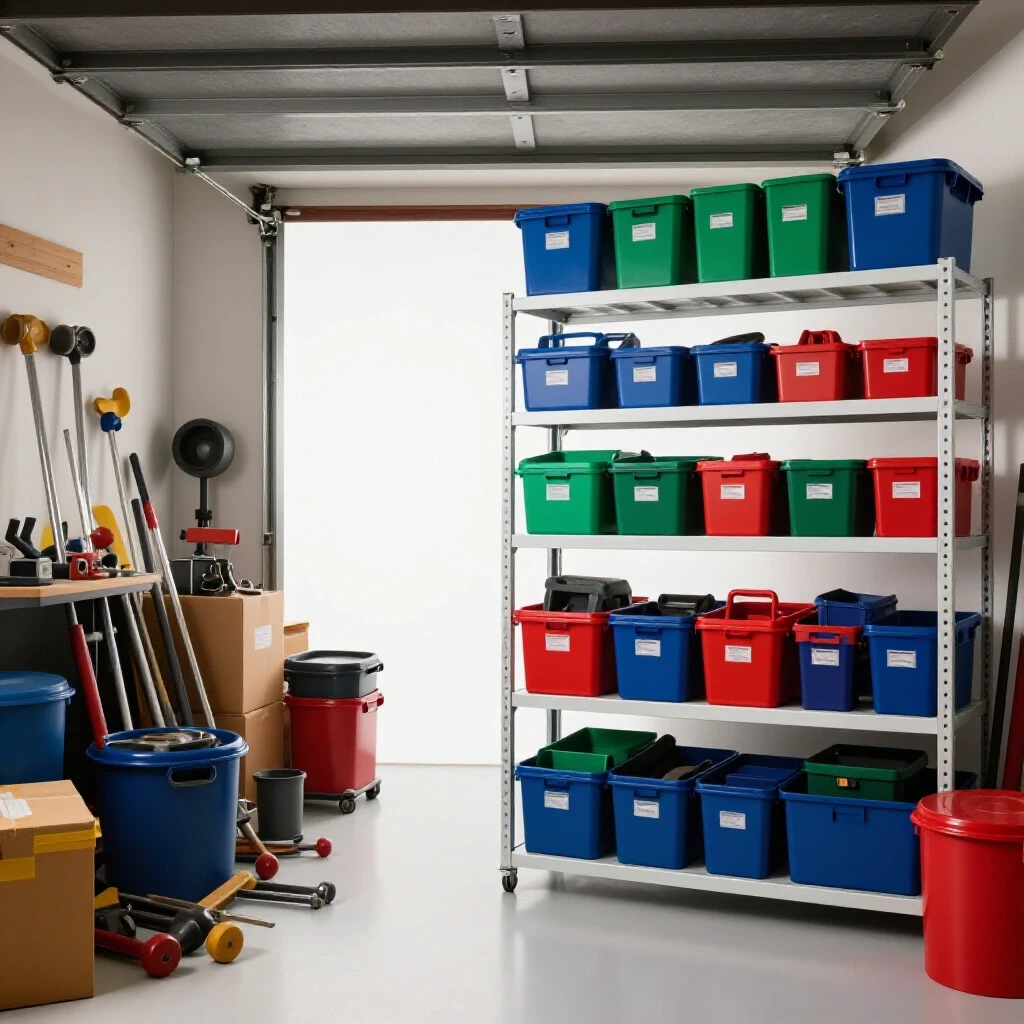
Completing a weekend project to reclaim your wall space requires more than just buying a few hooks. It demands a methodical approach to safety, structural integrity, and tool selection. By following a code-compliant plan, you can avoid the common mistake of overloading drywall or hitting hidden utility lines.
Preparing Your Workspace for Vertical Upgrades
Before you drive a single screw, you must evaluate the condition of your garage walls and identify what lies behind them. This phase involves clearing the work area, inspecting wall integrity, and identifying structural elements like studs. Proper preparation ensures that your mounting surface can safely support the weight of your equipment.
In my professional experience, the biggest failure point is assuming a wall is “flat” or that studs are perfectly spaced at 16 inches on center. In many residential garages, builders may have used irregular spacing or left the walls unfinished. I always start by clearing a six-foot perimeter around my work zone to provide ample room for ladders and long materials.
Safety is the primary concern during the prep stage. You must locate your electrical panel and identify where wires run through the wall. According to the National Electrical Code (NEC), cables are generally protected by metal plates if they are close to the surface, but a high-quality stud finder with AC detection is a necessary safeguard.
- Clear the floor space to prevent tripping hazards.
- Check for signs of moisture or mold on the drywall.
- Verify the thickness of your wall material (usually 1/2-inch or 5/8-inch drywall).
- Mark the location of all outlets and light switches.
Essential Tools for Mounting Garage Organization Systems
Selecting the right equipment is the difference between a secure installation and a sagging shelf. This inventory includes diagnostic tools for locating framing, precision leveling instruments, and power drivers capable of sinking heavy-duty fasteners into solid wood studs. Having these ready prevents mid-project trips to the hardware store.
For my own projects, I rely on a 20V cordless system for its mobility and torque. Using an impact driver instead of a standard drill prevents stripped screw heads when driving 3-inch lag bolts into aged lumber. Interestingly, I have found that a simple 4-foot box level is more reliable for long-run tracks than many entry-level laser levels, which can be difficult to see in bright garage lighting.
- Electronic Stud Finder: Essential for locating the center of 2×4 or 2×6 framing.
- 4-Foot Box Level: Ensures that horizontal tracks do not slant, preventing items from sliding.
- Impact Driver: Provides the necessary force to drive fasteners without damaging the heads.
- Drill with Masonry and Wood Bits: Used for creating pilot holes to prevent wood splitting.
- Tape Measure: For consistent spacing and layout planning.
- Safety Glasses and Work Gloves: To protect against wood splinters and metal shards.
Understanding Load Limits and Structural Safety
Every wall-mounted system has a maximum weight capacity determined by the manufacturer and the quality of the installation. Understanding how to distribute weight across multiple studs prevents structural failure and ensures that heavy items remain securely attached. Overloading a single point can pull the fasteners right through the drywall.
When I calculate weight loads, I look at the “shear strength” of the fasteners. This is the amount of force the screw can handle before it snaps or bends downward. For example, a standard #10 wood screw has a different capacity than a 1/4-inch lag bolt. I always aim for a safety margin of at least 20%, meaning if I expect to hang 100 pounds, I install a system rated for 120 pounds.
Building on this, you must consider the “pull-out” force. If you are mounting a heavy-duty rack, the weight pulls the top of the bracket away from the wall. This is why hitting the center of the stud is non-negotiable. Using drywall anchors for anything heavier than a light picture frame in a garage environment is a recipe for project failure.
| Material Type | Recommended Fastener | Typical Load Capacity (Per Stud) |
|---|---|---|
| Lightweight Pegboard | #8 Wood Screws | 25 – 50 lbs |
| Heavy-Duty Track System | 2-1/2″ Pan Head Screws | 100 – 200 lbs |
| Wall-Mounted Shelving | 3″ Lag Bolts | 150 – 300 lbs |
| Solid Masonry/Block | Tapcon Concrete Screws | 200+ lbs |
Step-by-Step Installation of Wall-Mounted Tracks and Pegboards
This core execution phase covers the transition from planning to physical mounting. It involves marking stud locations, pre-drilling pilot holes to prevent wood splitting, and using a level to ensure all components are perfectly aligned. Following these steps sequentially prevents the “crooked shelf” syndrome that plagues many DIY attempts.
I recently installed a track-based system in my own garage to hold several heavy ladders. The first thing I did was “dry-fit” the components. This means holding the track against the wall (or using painter’s tape to mark the spot) to see how the height feels. I realized that if I mounted the track too high, I wouldn’t be able to lift the ladders onto the hooks without a second person.
Phase 1: Layout and Marking
Use your stud finder to locate the edges of each stud across the area where you plan to install the storage. Mark the center of each stud with a vertical line using a pencil. Once the studs are found, use your level to draw a horizontal line at the desired height of your mounting rail or pegboard.
Phase 2: Pre-Drilling Pilot Holes
Never drive a large screw into a stud without a pilot hole. A pilot hole is a small hole drilled into the wood that is slightly smaller than the diameter of the screw threads. This removes a bit of material so the screw can enter without cracking the wood, which significantly weakens the hold.
Phase 3: Securing the Foundation
Align your first piece of hardware with your level line. Drive the first screw into the center stud but do not tighten it completely. Check the level again, then drive the remaining screws into the other studs. Once all fasteners are in place and the piece is level, tighten them until the head is flush with the hardware.
Troubleshooting Common Installation Errors
Even with careful planning, issues like missed studs or uneven walls can occur. Troubleshooting involves identifying these mistakes early, such as a fastener spinning freely in drywall, and applying corrective measures. Recovering from a mistake is part of the DIY process and doesn’t mean the project is a failure.
During a project last summer, I encountered a “floating stud”—a piece of framing that had bowed significantly behind the drywall. When I tried to mount a steel rail, the rail wouldn’t sit flat. As a result, I had to use shims (thin wedges of wood) behind the rail to create a flat mounting surface. If I had just forced the screw in, the rail would have bent, making it impossible to slide hooks onto it.
Another common issue is hitting a metal protection plate. If your drill bit suddenly stops and you see shiny metal shavings, stop immediately. You have likely hit a plate protecting an electrical wire or a plumbing pipe. Reposition your mounting hole at least two inches higher or lower to stay within code-compliant safety zones.
- Fastener spins freely: You missed the stud. Remove the screw and use a thin finish nail to “probe” for the wood.
- Hardware is unlevel: Loosen the screws, adjust the piece, and use a shim if the wall itself is bowed.
- Drywall cracks: You likely didn’t drill a large enough pilot hole or the screw was too close to the edge of the stud.
Project Time and Effort Estimates
Accurately estimating the time required for home upgrades helps you balance your professional life with your weekend goals. A standard wall organization project is typically broken down into planning, shopping, and execution phases. Most homeowners can complete a 10-foot section of wall storage in a single productive Saturday.
In my experience, the “active hours” are often shorter than the “total project time.” You might spend two hours researching systems and buying materials, followed by four hours of actual installation. I always recommend adding a 20% “buffer” to your time estimate to account for unexpected issues like a dull drill bit or a stubborn stud.
- Planning and Measuring: 1 Hour
- Material Procurement: 1.5 Hours
- Wall Prep and Stud Finding: 1 Hour
- Physical Installation: 3-4 Hours
- Organizing Tools and Clean-up: 1 Hour
- Total Weekend Commitment: 7.5 – 8.5 Hours
Maintenance and Long-Term Reliability
Once your vertical storage is installed, it requires minimal but important ongoing care. Regularly checking the tightness of fasteners and inspecting for any signs of sagging ensures that the system remains safe for years. Garage environments fluctuate in temperature and humidity, which can cause wood to expand and contract.
As a facilities manager, I perform a “stress test” twice a year. I simply grab the edge of the shelving or track and give it a firm (but not excessive) tug. If I hear any creaking or see the drywall moving, I know a fastener has loosened. Building this habit prevents a catastrophic failure where a shelf collapses onto your car or floor.
Cleanliness also plays a role in longevity. Dust and sawdust can build up in the tracks of slatwalls or the holes of pegboards. A quick vacuuming every few months keeps the attachments moving smoothly. If you notice any rust on metal components, sand the spot lightly and touch it up with a rust-inhibiting spray paint.
Knowing When to Call a Professional
While most wall-mounting tasks are well within the reach of a determined DIYer, some scenarios require professional expertise. If your garage walls are made of poured concrete or specialized structural brick, the tools and fasteners required are more advanced. Similarly, if you need to move electrical outlets to accommodate your new layout, you should consult a licensed electrician.
I always tell my friends that there is no shame in calling a pro for the “rough-in” work. For example, if you want a wall cleared of old, dangerous wiring before you put up your new storage, that is a smart safety move. Once the wall is safe and ready, you can take back over for the installation phase to save on labor costs.
- Electrical: Moving or adding outlets (requires a permit in many jurisdictions).
- Structural: If the wall shows signs of bowing, cracking, or foundation settling.
- Masonry: Large-scale mounting into old, brittle brick or stone.
Quality Control Checklist
Before you consider the job finished, go through this final checklist to ensure your work meets high standards of safety and function. This step mimics the “punch list” we use in commercial facility management to ensure every detail is addressed.
- Level Check: Use the 4-foot level on every horizontal rail.
- Fastener Count: Ensure every pre-drilled hole in the hardware has a screw in it.
- Weight Distribution: Place the heaviest items (ladders, sledgehammers) closest to the studs.
- Clearance: Check that garage doors and vehicle paths are not obstructed by hanging items.
- Safety Check: Ensure no sharp hooks are at eye level for children or pets.
Reclaiming your garage through vertical organization is one of the most rewarding weekend projects you can undertake. It provides a measurable result that you will appreciate every time you park your car or start a new repair task. By prioritizing stud-mounting, using the right tools, and respecting load limits, you create a professional-grade storage solution that adds genuine value to your home.
Frequently Asked Questions
Can I mount heavy storage racks directly into drywall using anchors?
No, I strongly advise against using drywall anchors for any significant garage storage. Drywall is a crumbly gypsum product that lacks the structural integrity to hold “live loads” (items that move or vibrate). Always secure your mounting hardware directly into the wooden studs or masonry using appropriate fasteners.
How do I find studs if my garage walls are finished and painted?
A high-quality electronic stud finder is the most reliable method. It measures changes in density behind the wall. If you are unsure, you can verify a stud’s location by drilling a very small “pilot” hole where you think the stud is; if the bit meets resistance and brings out wood shavings, you have found it.
What is the standard spacing for wall studs?
In most modern American homes, studs are spaced 16 inches apart from center to center. However, in some garages or older homes, they may be 24 inches apart. Always measure and mark at least three studs to confirm the pattern before you start mounting your tracks.
Is it safe to hang my lawn mower on the wall?
It depends on the mower and the system. Most push mowers weigh between 60 and 90 pounds. A heavy-duty track system secured into at least three studs with lag bolts can typically handle this weight. Always check the manufacturer’s specific weight rating for the hook and the rail before hanging heavy machinery.
What should I do if I hit a wire while drilling?
If you suspect you have hit a wire, stop immediately and turn off the power to that circuit at the main breaker. Do not touch the drill bit or the wall near the hole. You will need to open a small section of the drywall to inspect the damage and likely call an electrician to repair the wire according to code.
Can I use a pegboard for heavy power tools?
Standard 1/8-inch tempered hardboard pegboard is best for hand tools and light items. For heavy power tools like circular saws or hammer drills, use 1/4-inch heavy-duty pegboard or, better yet, a metal pegboard system. Ensure the pegboard is mounted on “furring strips” to provide a gap behind it for the hooks to seat properly.
How high should I mount my storage tracks?
A common “sweet spot” is between 60 and 72 inches from the floor. This keeps items off the ground but remains within easy reach for most adults. Always check the clearance of your garage door in the “up” position to ensure your stored items won’t interfere with its movement.
Do I need a permit to install wall shelves in my garage?
Generally, no. Simple wall-mounted shelving and organization systems are considered “non-structural” and do not require a building permit. However, if your project involves adding new electrical circuits or structural wall changes, you should check with your local building department.
What is the best way to organize hooks on a track?
Group items by frequency of use. Place daily items like brooms or frequently used garden trowels in the most accessible center area. Seasonal items, like snow shovels or camping gear, can be placed higher up or in the corners of the system.
How do I prevent metal storage racks from rusting?
Garages are often unconditioned spaces with high humidity. Choose systems with a powder-coated or galvanized finish. If you live in a coastal area with salt air, stainless steel or plastic-based slatwall systems are more resistant to corrosion than standard painted steel.
(This article was written by one of our staff writers, Robert Callahan. Visit our Meet the Team page to learn more about the author and their expertise.)