How to Build a DIY Laundry Pedestal for Comfort (Step-by-Step Guide)

Years of repetitive bending and lifting in both my professional life as a facilities manager and my personal life as a homeowner have taught me that wear-and-tear is not just something that happens to buildings. It happens to our bodies, too. After a decade of hauling heavy laundry loads from a low-profile front-loading machine, I realized that my lower back was paying the price for a poorly optimized workspace. A custom-built platform to raise these appliances is a practical solution that addresses ergonomics while utilizing standard construction techniques.
The Physical Benefits of Raising Your Laundry Equipment
Building an elevated base for your washer and dryer reduces the range of motion required to move wet, heavy clothing between machines. This project focuses on creating a stable, wooden structure that brings the door openings to a height that aligns with your natural standing position.
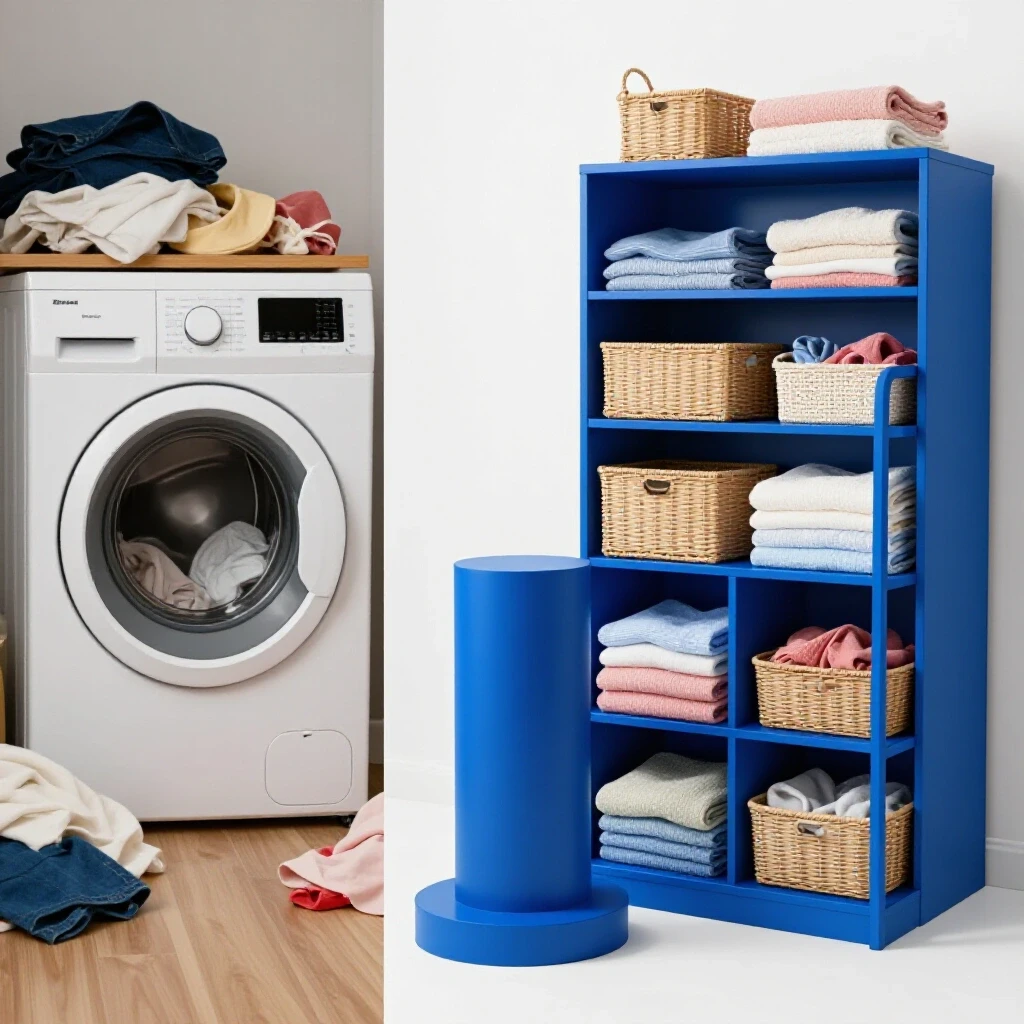
I remember my first attempt at a weekend home upgrade involving heavy machinery. I underestimated how much a high-efficiency washer vibrates during a 1,200 RPM spin cycle. Without proper bracing, a wooden stand can become a drum, amplifying noise throughout the house. My goal here is to help you avoid those common pitfalls by following a structure-first approach that prioritizes stability and long-term durability over quick, flimsy fixes.
Why Ergonomics Matter in the Laundry Room
Ergonomics is the study of people’s efficiency in their working environment. In a residential setting, this means adjusting the height of your appliances to prevent lumbar strain and knee fatigue during repetitive tasks. By raising your machines 12 to 16 inches, you create a more neutral spine position during loading and unloading.
This project is more than just a box; it is a structural modification to your workspace. In my facility maintenance experience, I have seen how even a four-inch difference in working height can significantly reduce worker fatigue over an eight-hour shift. For a busy professional doing three loads of laundry on a Saturday, that same logic applies to your home.
Essential Tools and Safety Gear for Structural Woodworking
Having the right equipment prevents mid-project hardware store runs and keeps you safe. This list includes precision measuring tools, fastening systems, and personal protective equipment (PPE) necessary for assembly and finishing. Using the wrong tool for a structural task can lead to loose joints or, worse, personal injury.
I once tried to rush a framing project using a dull circular saw blade. The wood scorched, the cut was uneven, and I ended up wasting three boards before I realized my mistake. Always check your blades and bits before starting. Below is a breakdown of what you will need for a successful build.
Table 1: Essential vs. Optional Tool Matrix
| Tool Category | Essential Items | Optional/Advanced Items |
|---|---|---|
| Cutting | Miter saw or circular saw | Table saw for plywood rips |
| Fastening | Impact driver and 3-inch wood screws | Pocket hole jig and 2.5-inch screws |
| Measurement | 25-foot tape measure and speed square | Laser level for floor mapping |
| Safety | Safety glasses and ear protection | N95 dust mask for sanding |
| Finishing | Wood glue and 120-grit sandpaper | Power sander and paint sprayer |
Safety Protocols and Workspace Preparation
Before you make your first cut, clear a space that allows you to lay out 8-foot boards safely. Ensure your work area is well-lit and that you have a stable surface for cutting. Wear safety glasses at all times, as wood chips from kiln-dried lumber can fly at high speeds when hit by a saw blade.
In a professional setting, we follow OSHA guidelines for tool safety, and those habits should carry over to your garage. Never bypass the guards on your saws. If a cut feels awkward or unstable, stop and reposition your material. A safe project is a successful project, and no amount of time saved is worth a trip to the emergency room.
Material Selection and Load-Bearing Logic
Choosing the right lumber is the difference between a platform that lasts twenty years and one that sags after six months. This section covers the importance of using kiln-dried 2×4 or 2×6 framing lumber and 3/4-inch plywood to handle the static and dynamic loads of heavy appliances.
When selecting wood at the lumber yard, look down the length of each board to check for “crowns” or bows. I typically spend an extra fifteen minutes sorting through the stack to find the straightest pieces. This saves hours of frustration later when you are trying to get the platform perfectly level.
Understanding Static and Dynamic Loads
A washing machine presents two types of weight: static load (the weight of the machine and water) and dynamic load (the force generated by the spinning drum). A standard front-loader can weigh 250 pounds empty, but with water and a full load of towels, that weight increases significantly.
The platform must be over-engineered to handle these forces. This is why I recommend a “joist” style construction, similar to a floor in a house. Using 2x4s spaced 12 inches on center provides a rigid skeleton that will not bounce or flex. If the platform flexes, the machine’s internal sensors may detect an imbalance and stop the cycle prematurely.
Table 2: Project Metric Estimates
| Metric | Estimated Value |
|---|---|
| Active Construction Time | 4 to 6 hours |
| Total Project Duration (with drying) | 24 to 48 hours |
| Material Cost (Lumber and Fasteners) | $70 – $110 |
| Professional Labor Savings | $250 – $400 |
| Weight Capacity (Estimated) | 800+ lbs |
Step-by-Step Assembly of the Structural Frame
Building a frame requires careful alignment and strong fasteners to handle the weight and motion of a spinning washer. This section covers cutting the members, assembling the box frame, and adding internal bracing for maximum stability. We will focus on creating a “double-top” design for extra rigidity.
I prefer to use a “dry-fit” method where all pieces are cut and laid out before any glue or screws are applied. This allows you to catch measurement errors early. During my last home project, I caught a half-inch discrepancy in my side rails during a dry-fit that would have made the entire platform wobbly.
Phase 1: Cutting and Framing
- Measure the footprint of your washer and dryer. Add two inches to the width and depth to allow for a small “lip” around the base.
- Cut your outer frame members (the perimeter) from 2×4 lumber.
- Cut internal joists to fit inside the frame, spaced every 12 inches.
- Use a speed square to ensure every corner is at a 90-degree angle.
- Apply a bead of high-strength wood glue to every joint before driving two 3-inch screws through the outer frame into each joist.
Phase 2: Adding the Substrate and Top Layer
Once the frame is assembled, it is time to add the top surface. I recommend using 3/4-inch ACX plywood. The “A” side is smooth and ready for paint, while the “C” and “X” signify its structural strength and moisture-resistant glue.
- Cut the plywood to match the outer dimensions of your frame.
- Apply wood glue along the top edge of every joist.
- Secure the plywood with 2-inch screws every 6 inches around the perimeter and along each internal joist.
- Check for levelness across the entire surface. If your floor is sloped (common in laundry rooms for drainage), you may need to trim the legs of the platform to compensate.
Managing Vibrations and Ensuring Level Surfaces
A raised platform can amplify machine noise if not properly leveled or dampened. We address how to check for squareness during assembly and use specific materials to absorb the energy generated during high-speed spin cycles. This is the stage where most DIY projects fail to meet professional standards.
In my facilities work, we use vibration isolation pads for industrial pumps. You can mimic this at home by using heavy-duty rubber mats on top of your wooden platform. This prevents the “walking” effect where a machine slowly moves across the floor during a spin cycle.
Troubleshooting Stability Issues
If you notice the platform rocking after assembly, the floor is likely the culprit. Use a long spirit level to identify high spots. You can use plastic shims or adjustable furniture feet rated for high weight to bridge the gap. Never use wooden shims for this, as they can compress over time under the weight of the machine.
Another common issue is “racking,” where the box frame tilts sideways under stress. To prevent this, I always suggest adding a back panel of 1/2-inch plywood or cross-bracing between the joists. This creates a rigid structure that resists lateral movement, ensuring your machines stay exactly where you put them.
Finishing for Durability and Moisture Resistance
Laundry rooms are high-moisture environments that can cause raw wood to warp or rot over time. Applying a robust sealant or exterior-grade paint protects your hard work from spills and humidity while matching your home’s aesthetic. Do not skip this step; raw pine absorbs moisture like a sponge.
I once ignored the finishing stage on a small shelf in my basement. Within a year, the humidity had caused the wood to swell, and the joints began to pull apart. For a project supporting hundreds of pounds, structural integrity is tied directly to moisture protection.
Table 3: Material Cure and Drying Timelines
| Material Type | Tack-Free Time | Handle/Recout Time | Full Cure Time |
|---|---|---|---|
| Wood Glue (PVA) | 30 minutes | 2 hours | 24 hours |
| Oil-Based Primer | 2 – 4 hours | 24 hours | 7 days |
| Exterior Latex Paint | 1 hour | 4 hours | 14 – 30 days |
| Polyurethane Sealant | 2 hours | 6 – 8 hours | 3 – 5 days |
Best Practices for a Professional Finish
- Sand all surfaces with 120-grit sandpaper to remove “mill scale” (the shiny surface on new lumber).
- Wipe away all dust with a tack cloth or slightly damp rag.
- Apply a high-quality primer. This seals the wood pores and ensures the topcoat sticks.
- Apply two coats of floor enamel or exterior-grade paint. These are designed to be scuff-resistant and easy to clean.
- Allow the platform to dry for at least 24 hours before placing the machines on top. Placing them too early can “bond” the machine feet to the fresh paint.
Final Installation and Quality Control Checklist
Before you call the project finished, you must perform a final safety check. This involves verifying the structural integrity of every screw and ensuring the machines are properly positioned. It is much easier to fix a loose screw now than it is after the machines are hooked up to water and power.
- Fastener Check: Ensure no screw heads are protruding, which could scratch the machine or your hands.
- Level Check: Verify the platform is level in both directions (front-to-back and side-to-side).
- Clearance Check: Ensure there is at least one inch of space between the machines and the walls to allow for air circulation and vibration.
- Weight Test: Step on the platform and move around. There should be no squeaks or noticeable deflection.
When to Call a Professional
While building a wooden base is well within the reach of a determined DIYer, there are times when you should pause. If you discover that your laundry room floor is rotting or structurally unsound, a wooden platform will not fix the underlying issue. Similarly, if your machines require complex stacking kits or have specific ventilation needs that the platform might block, consult the manufacturer’s installation guide.
In my 12 years of experience, the most successful projects are the ones where the builder knows their limits. If you find yourself staring at a plumbing leak or a frayed wire behind the old machines, stop and call a licensed professional. Safety and code compliance should always come before cost savings.
Summary of Key Takeaways
Building a custom support for your laundry appliances is a high-value weekend project that improves the functionality of your home. By using standard 2×4 framing and 3/4-inch plywood, you create a structure capable of handling heavy loads while saving hundreds in labor costs. Focus on leveling, vibration dampening, and moisture protection to ensure the project stands the test of time.
Frequently Asked Questions
How high should I build my appliance platform? Most homeowners find that a height between 12 and 16 inches is ideal. This raises the door of a front-loading machine to a level where you can reach the back of the drum without straining your back. Measure your own height and “reach zone” before cutting your lumber to ensure a custom fit.
Will a wooden platform make my washer louder? If the platform is hollow and not properly braced, it can act like a speaker box. To prevent this, use 12-inch joist spacing, glue all joints, and add a rubber isolation mat between the machine and the wood. These steps significantly reduce noise transfer.
Can I use 2x4s, or do I need 2x6s? For a standard side-by-side setup, 2x4s are generally sufficient if the joists are spaced closely (12 inches apart). However, if you are building a very wide platform or have exceptionally heavy industrial-grade machines, 2x6s offer additional peace of mind and structural rigidity.
Do I need to attach the platform to the floor or wall? In most cases, the weight of the machines (500+ lbs combined) will keep the platform from moving. However, if you have a very slick tile floor, you may want to add rubber feet to the bottom of the platform or secure it to the wall studs with heavy-duty lag bolts to prevent any potential shifting.
What is the best way to prevent the wood from rotting? Use a high-quality exterior-grade primer and paint. Laundry rooms often have high humidity and occasional spills. Sealing the wood entirely, including the bottom of the legs, prevents moisture from wicking into the grain and causing structural failure over time.
How do I handle a sloped floor? Laundry room floors often slope toward a floor drain. To keep your platform level, measure the slope using a long level and “scribe” the legs of your platform. This involves cutting each leg to a slightly different length so the top surface remains perfectly horizontal despite the floor’s angle.
Is wood glue really necessary if I use screws? Yes. Screws provide the clamping force, but glue provides the structural bond. Over time, the vibrations of a washing machine can cause screws to slightly loosen or “wall out” the wood. A glued joint is much more resistant to these dynamic forces.
Can I add drawers to the platform? Adding drawers is possible but increases the complexity of the build. If you choose to add storage, ensure that the drawer openings do not compromise the vertical support members. You will need to use “headers” (double-thick boards) over the drawer openings to carry the weight of the machines.
What type of screws should I use? Avoid drywall screws, as they are brittle and can snap under shear force. Use high-quality construction screws or wood screws with a “star” or “Torx” drive head. These are less likely to strip and have a higher load-bearing capacity.
How long should I wait before using the machines? While wood glue sets in an hour, it takes 24 hours to reach full strength. Additionally, paint needs time to harden. I recommend waiting at least 24 to 48 hours after the final coat of paint before moving your heavy appliances onto the new platform to prevent the finish from being damaged.
(This article was written by one of our staff writers, Robert Callahan. Visit our Meet the Team page to learn more about the author and their expertise.)