How to Match DIY Wood Stain Colors Accurately (Expert Guide)

Talking about waterproof options often leads homeowners to consider the visual appeal of natural materials versus the predictability of synthetic ones. While luxury vinyl plank offers a pre-finished, uniform look, many of us still gravitate toward the warmth of natural wood for our interior projects. However, the transition from a raw material to a finished product is where most high-end renovations face their toughest challenge. I have spent 13 years analyzing supply chains and material performance, and I have seen how a single oversight in finish selection can turn an expensive upgrade into a visual headache.
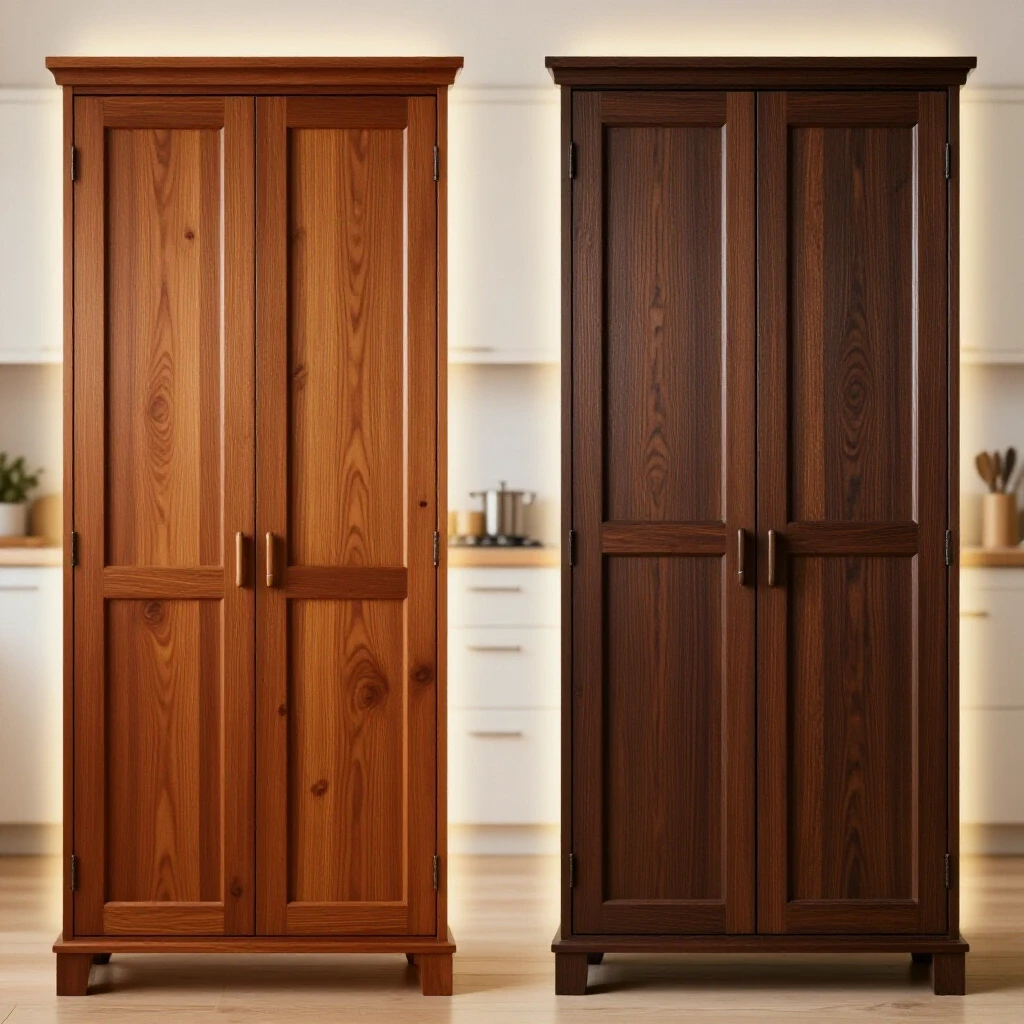
In my own home, I once attempted to update a set of built-in bookshelves to match a newly installed white oak floor. I assumed that a standard “Early American” tint would look the same on the shelves as it did on the floor samples. It did not. The shelves, made of a different grade of wood with higher tannin levels, turned a muddy gray-green while the floor remained a crisp amber. This discrepancy was not a product failure but a failure to account for the technical specifications of the materials involved. Understanding how different surfaces interact with pigments is the only way to avoid these costly visual inconsistencies.
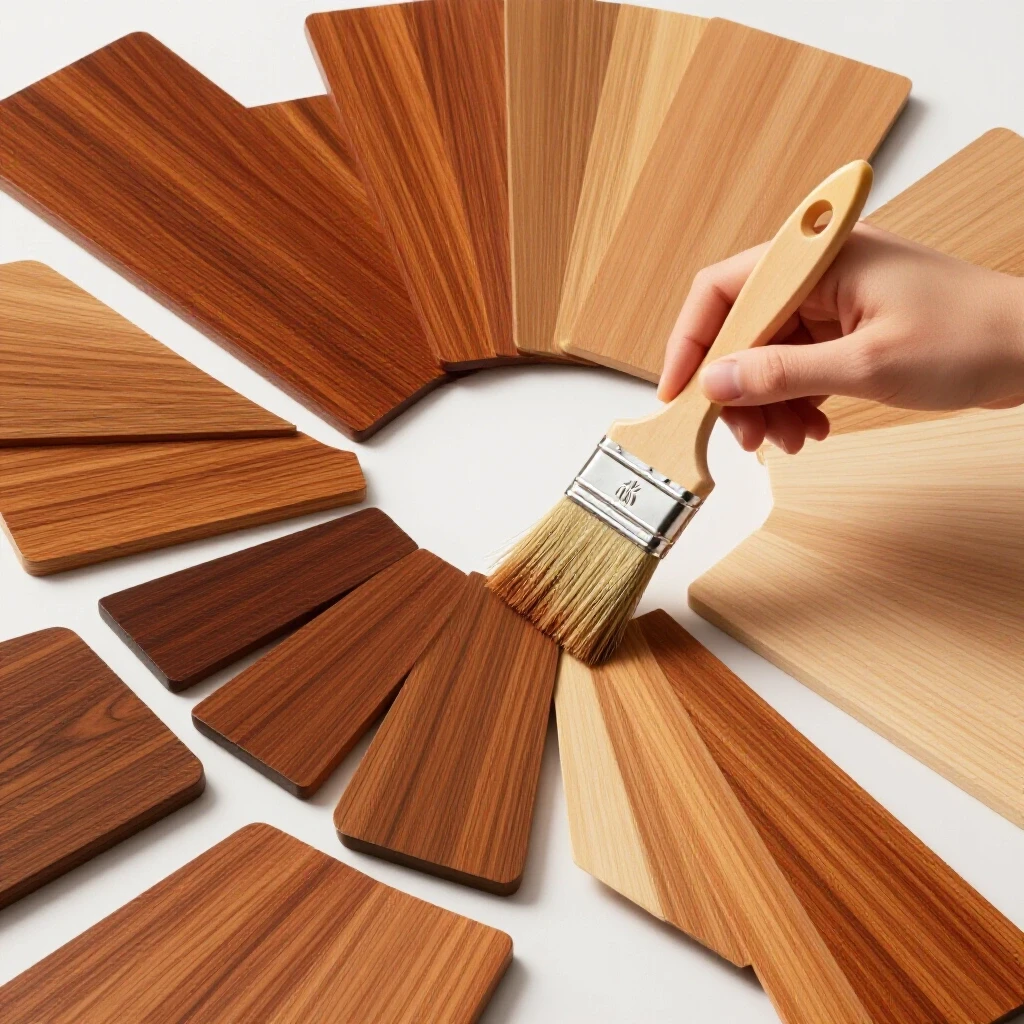
The Technical Reality of Achieving Color Consistency in Home Projects
Achieving a uniform finish across different home materials requires an understanding of how surfaces absorb and reflect light and liquid. This process involves evaluating the cellular structure of wood or the fiber density of fabrics to predict how they will hold pigments. Without this technical foundation, homeowners risk mismatched results that devalue their investment.
When we talk about a “home material comparison,” we are often looking at how a finish performs under specific conditions. In the world of wood, for example, the National Association of Home Builders (NAHB) notes that wood is hygroscopic, meaning it absorbs moisture from the air. This moisture level directly impacts how a liquid finish penetrates the surface. If one piece of wood has a moisture content of 6% and another has 12%, the same pigment will yield two different shades.
Why Porosity and Absorption Rates Dictate Final Appearance
Porosity is a measure of the “void” space in a material, which determines how much liquid it can hold. In material science, this is often expressed as a percentage of the total volume. For homeowners, high porosity means the material will “drink” the finish, leading to a darker, more saturated color that may highlight imperfections.
- High-porosity woods (like Red Oak or Pine) have large open pores that pull pigment deep into the grain.
- Low-porosity woods (like Maple or Cherry) have tight grain structures that resist penetration, often resulting in a blotchy or uneven finish if not handled correctly.
- The ASTM D4442 standard for moisture content is a critical metric here, as excess water in the fibers blocks the finish from entering the pores.
The Role of Janka Hardness in Surface Preparation
The Janka Hardness Scale measures the resistance of a wood species to denting and wear. While we usually use this to determine flooring durability, it is also a reliable indicator of how a material will respond to sanding and finishing. A harder wood requires more aggressive sanding to open the pores, while a softer wood can easily be “over-sanded,” which polishes the surface and prevents the finish from sticking.
- Janka Rating for White Oak: 1,360 lbf.
- Janka Rating for Eastern White Pine: 380 lbf.
- Janka Rating for Hard Maple: 1,450 lbf.
Understanding these numbers helps you decide if a material is worth the “trade-off analysis.” A softer wood might be cheaper upfront, but the maintenance cost and the difficulty of achieving a consistent look can make it more expensive over a 15-year lifecycle.
Comparing Material Performance and Finish Stability
Selecting the right material involves weighing the upfront cost against the long-term durability and the ease of maintaining a consistent look. When comparing high-end home materials, the technical specifications tell a story that marketing brochures often omit. A material that looks good in the showroom may not hold its color when exposed to the daily realities of a lived-in home.
In my experience evaluating supply chains, I have found that “durability vs maintenance cost” is the most important calculation for a homeowner. For instance, a solid wood surface can be refinished multiple times over 50 years, whereas a thin-veneer engineered product might only survive one or two sandings. If your initial finish does not match your vision, the ability to sand back and try again is a valuable safety net.
Side-by-Side Material Performance Specifications
| Material Type | Janka Hardness | Porosity Level | Maintenance Cycle | Estimated 15-Year Cost |
|---|---|---|---|---|
| Solid White Oak | 1,360 lbf | Medium | 7–10 Years | Moderate |
| Engineered Walnut | 1,010 lbf | Medium-High | 5–7 Years | High (Refinishing limits) |
| Hard Maple | 1,450 lbf | Low | 10–12 Years | Moderate |
| Pine (Softwood) | 380–420 lbf | Very High | 3–5 Years | Low Upfront / High Long-term |
Upfront Cost vs. Long-Term Value in Finish Matching
A higher upfront price often reflects a more stable material that is easier to predict during the finishing process. For example, select-grade lumber has fewer knots and mineral streaks than common-grade lumber. These natural “defects” contain different chemical concentrations (like resins or tannins) that react unpredictably with finishes. By paying 20% more for a higher grade of material, you often save 50% in labor and frustration during the color-matching phase.
Interestingly, the supply chain origin of the material also plays a role. Wood sourced from colder climates tends to grow more slowly, resulting in tighter growth rings and more consistent density. This consistency is a technical material specification that directly translates to how evenly the surface will take a pigment.
The Financial Impact of Finish Inconsistencies
A “color disaster” is not just an aesthetic issue; it is a financial one. When a finish fails to match the existing elements of a home, the cost of remediation can quickly exceed the original budget for the project. This includes the cost of chemical strippers, additional sanding supplies, replacement material, and, most importantly, the value of your time.
In one project I tracked, a homeowner spent $1,200 on high-end mahogany trim but failed to run a test sample. The resulting color was too dark for the room’s lighting. The cost to strip and refinish the trim was $1,800, effectively tripling the initial material investment. Using a systematic “appliance buying guide” approach—where you check every spec before you commit—can prevent these spikes in project spending.
Calculating the Lifecycle Cost of Wood Finishes
To understand the true cost of a material, you must look at the “non-porous sealing schedules” and the frequency of re-application. A material that requires a specialized sealer every two years will eventually cost more than a higher-quality material that only needs attention every decade.
- Initial Material Cost: The price per square foot or board foot.
- Preparation Labor: Time spent sanding to the correct grit (ASTM standards recommend specific sequences).
- Consumables: The cost of the finish, applicators, and protective gear.
- Correction Buffer: A 15% contingency fund for when the color does not react as expected.
Systematic Protocols for Color Verification
Before applying any permanent finish to an expensive material, you must establish a testing protocol. This is the “how” of material evaluation. In my 13 years of analyzing home goods, I have found that homeowners who follow a structured testing phase have a 90% higher satisfaction rate with their final results.
Professional material evaluators use “sample evaluation kits” to ensure that the environment, the tool, and the material all work together. This is especially important when you are trying to match a new piece of furniture to an existing architectural feature.
Step-by-Step Material Testing Guide
- Sourcing the Off-Cut: Always use a scrap piece of the exact material you are installing. Never test on a different species or even a different batch of the same species.
- Sanding to Spec: Sand your sample to the same grit as the final project. Most technical material specifications suggest stopping at 150 or 180 grit for floors and 220 grit for furniture. Going higher can “burnish” the wood and prevent absorption.
- Lighting Evaluation: View the sample in the room where it will live. The “Metamerism” effect means a color can look perfect under shop lights but completely different under 3000K home LEDs or natural sunlight.
- The Wet Test: Apply a small amount of mineral spirits to the raw wood. This often mimics how the wood will look with a clear topcoat, revealing the natural “wet” color of the fibers.
- Drying Time Log: Record how long it takes for the pigment to set. Some materials, like oily tropical woods, can take twice as long to dry, which affects the final shade.
Environmental Sensitivity Ratings
Materials are not static; they react to their environment. The ASTM International performance ratings for finishes often include “UV resistance” and “chemical resistance.” If you are matching a material in a sun-drenched room, you must choose a finish that won’t yellow or fade, as this will cause your carefully matched color to drift apart from the rest of the room over time.
- UV Sensitivity: High in Cherry and Walnut (they change color significantly with light exposure).
- Thermal Shock Resistance: Important for materials near fireplaces or heat vents.
- Moisture Resistance: Critical for kitchens and bathrooms where “waterproof options” are prioritized.
Avoiding Common Purchasing and Application Mistakes
One of the biggest mistakes I see in home material comparison is the reliance on “store-bought” color swatches. These swatches are often printed on paper or applied to a “neutral” wood like birch, which bears no resemblance to how the pigment will behave on your specific mahogany or oak.
Another common error is ignoring the “wear-layer thickness.” In engineered materials, if the wear layer is less than 2mm, you have very little room for error. If you apply a finish and it looks wrong, sanding it off might burn through the entire wear layer, ruining the material. Always look for a wear layer of 4mm or more for high-end applications.
Technical Checklist for Material Success
- Verify the species and grade of the material before purchase.
- Check the moisture content using a pinless meter (aim for 6–8% for interior wood).
- Ensure you have enough material from the same “lot” or “batch” to maintain grain consistency.
- Match the sanding grit sequence exactly across all surfaces being finished.
- Document your “recipe”—the number of coats, the wipe-off time, and the atmospheric conditions.
By treating a home renovation like a supply chain problem, you remove the emotional stress of “hope-based” decorating. You are not just picking a color; you are managing a chemical and physical interaction between a substrate and a coating.
Conclusion: Confident Decision-Making Through Data
Choosing expensive materials for your home should be an exciting process, not a source of anxiety. By focusing on technical specifications like Janka hardness, porosity, and ASTM standards, you move away from guesswork and toward evidence-based results. The trade-off between a higher upfront cost and long-term durability is almost always worth it when you consider the cost of fixing a finish that went wrong.
My 13 years of material evaluation have taught me that the most beautiful homes aren’t necessarily the ones with the most expensive goods, but the ones where the materials were chosen with an understanding of their physical properties. Start with a small test, respect the science of the surface, and you will achieve a finish that looks as good in your home as it did in your imagination.
Practical Next Steps for Your Project
- Request physical samples: Never rely on digital images for color matching.
- Purchase a moisture meter: This $40 tool can save you thousands in failed finishes.
- Create a “Finish Board”: Keep a record of every stain and topcoat used in your home for future repairs.
- Consult the NAHB guidelines: Use their lifespan charts to determine if your material choice fits your long-term budget.
FAQ: Navigating Color Inconsistencies and Material Choices
Why does the same stain look different on two pieces of the same wood species?
Wood is a biological material, and its appearance is influenced by the tree’s age, growth rate, and soil chemistry. Differences in grain density and tannin levels mean that one board may be more porous than another, causing it to absorb more pigment and appear darker.
Can I skip sanding if the wood feels smooth from the lumber yard?
No. Lumber yard “smoothness” is often the result of planers that can compress the wood fibers or leave “mill glaze.” You must sand the surface to open the pores and ensure the finish can penetrate the material evenly.
How does light affect the way I see my finished materials?
This is known as metamerism. Different light sources (LED, incandescent, sunlight) have different spectral power distributions. A color that matches under a cool-white shop light may look completely different under the warm-toned lights of a living room.
What is the “wear layer,” and why does it matter for color matching?
The wear layer is the top thickness of real wood on an engineered plank. If you make a mistake with your color and need to sand it back, a thicker wear layer (4mm+) allows you to do so without hitting the plywood core.
Why did my stain turn out blotchy on maple or pine?
Maple and pine have “uneven” porosity. Some areas of the grain are very tight, while others are open. Without a “pre-stain conditioner” to partially plug the open pores, the pigment will concentrate in the soft spots, creating a blotchy look.
How much extra material should I buy for a staining project?
I recommend a 15% waste factor. This allows you to have plenty of scrap material for testing your finish and ensures you have extra boards if you encounter a piece with an undesirable grain pattern.
Does the temperature of the room affect how the color sets?
Yes. Most finishes have an ideal application temperature between 65°F and 75°F. If it is too hot, the finish dries too fast and leaves lap marks. If it is too cold, it may not cure properly, leading to a dull or tacky surface.
What is the difference between a dye and a pigment stain?
Pigments are like tiny rocks that sit in the “valleys” of the wood grain, highlighting the texture. Dyes are microscopic and actually color the wood fibers themselves. Dyes are better for tight-grained woods like maple, while pigments work well on open-grained woods like oak.
How often will I need to maintain my wood finishes?
This depends on the “wear and tear” and the type of topcoat. A high-traffic floor might need a “screen and coat” every 5–7 years, while decorative trim might last 20 years or more without needing attention.
Is it possible to match a new wood floor to an old one exactly?
It is very difficult because old wood has “patinaed” or oxidized over time. The best approach is to match the species and grade, then use a custom-mixed finish that accounts for the ambering of the older wood. Always test your mix on a large sample board first.
(This article was written by one of our staff writers, Andrew Morrison. Visit our Meet the Team page to learn more about the author and their expertise.)