How Moving From Your First Home to Second Home Changes Things (Guide)

Owning a home is a journey that often starts with a mix of excitement and a sudden, sharp realization of responsibility. When I moved into my first property fourteen years ago, I thought I was prepared because I had a toolbox and a steady income. However, my personal logs from that first year tell a different story of reactive repairs and “guessing” at a budget. Over time, and through three different houses, my approach shifted from simply surviving the weekend chore list to managing a property like a long-term asset. This shift in perspective is what separates a frustrated homeowner from one who feels in control of their environment.
Mastering the Household Budgeting Diary for Long-Term Stability
A household budgeting diary is a granular tracking system that records every cent spent on home operations, from light bulbs to major roof repairs. It moves beyond a simple monthly mortgage payment to account for the true cost of living in and maintaining a structure over several years.
When I analyzed my records from 2010 versus my records today, the most striking change was how I allocated funds. In my early years, I treated home repairs like emergencies. Today, I use the 1% to 3% rule, which suggests setting aside 1% to 3% of your home’s purchase price annually for maintenance. According to U.S. Census Bureau housing surveys, the average homeowner spends about $3,000 per year on maintenance and improvements. If you live in an older home, that number can easily double.
- The 1% Rule: For a $400,000 home, expect to spend $4,000 annually.
- The 3% Rule: For older homes or those in harsh climates, aim for $12,000.
- Utility Benchmarks: Aim for $0.10 to $0.15 per square foot per month for electricity and gas in a standard climate.
In my first year of homeownership, I didn’t have an emergency fund specifically for the house. When the water heater failed on a Tuesday night, it wasn’t just a physical mess; it was a financial crisis. Now, I maintain a dedicated “Home Reserve” account. This allows me to view a failing appliance as a scheduled replacement rather than a disaster.
The Evolution of Sustainable Home Systems and Routines
Sustainable home systems refer to the mechanical and structural components of a house—like HVAC, plumbing, and electrical—that require regular, proactive care to function efficiently. Establishing a routine means moving from “fixing what is broken” to “preventing the break.”
One of the biggest first-time homeowner tips I can offer is to understand your HVAC system’s thirst for clean air. In my first home, I ignored the air filter for six months. The resulting service call cost $250 just to tell me the coils had frozen due to restricted airflow. Now, I use a digital calendar to trigger a filter change every 90 days.
Appliance Lifespan and Replacement Horizons
| System | Expected Lifespan | Warning Signs | Proactive Action |
|---|---|---|---|
| HVAC System | 15–20 Years | Uneven cooling, loud noises | Annual professional tune-up |
| Water Heater | 8–12 Years | Rusty water, slow recovery | Flush the tank annually |
| Roof (Shingle) | 20–25 Years | Granules in gutters, curling | Inspect after major storms |
| Dishwasher | 9–12 Years | Poor drainage, spotting | Clean the filter monthly |
Building on this, the transition to a more seasoned mindset involves “preventative mechanical care.” This includes tasks like clearing dryer vents to prevent fires and checking the sump pump before the spring thaw. These aren’t just chores; they are risk-mitigation strategies that protect your equity.
Scaling DIY Home Care with Confidence
DIY home care is the practice of performing your own maintenance and minor repairs to save money and gain a deeper understanding of your property. Scaling this skill means learning the limits of your expertise and recognizing when a professional’s tools and insurance are worth the cost.
Interestingly, my early DIY attempts were often driven by a desire to save every possible dollar. I once spent twelve hours trying to fix a complex plumbing leak, only to cause a small flood that required a professional anyway. I learned that my “time-investment” has a dollar value. Now, I use a simple rubric: if a task requires a permit, involves high-voltage electricity, or could cause structural damage if done wrong, I hire a pro.
- Low Risk (DIY): Painting, changing light fixtures, weather-stripping, minor landscaping.
- Medium Risk (Hybrid): Replacing a garbage disposal, installing a smart thermostat, tiling a backsplash.
- High Risk (Pro Only): Main electrical panel work, gas line repairs, structural wall removal, roof replacement.
DIY vs. Professional Cost Comparison
| Project | DIY Cost (Estimated) | Pro Cost (Estimated) | Time Commitment |
|---|---|---|---|
| Interior Room Painting | $100 – $200 | $500 – $800 | 8 – 12 Hours |
| Smart Thermostat Install | $150 – $250 | $300 – $450 | 1 Hour |
| Gutter Cleaning | $20 – $50 (tools) | $150 – $250 | 2 – 4 Hours |
| Deck Staining | $150 – $300 | $800 – $1,500 | 10 – 15 Hours |
Practical Project Adaptations and Craft Scalability
Project adaptation involves evolving how you approach home improvements as your skills and needs change. Craft scalability is the ability to take on more complex aesthetic or functional projects as you become more comfortable with the “bones” of your home.
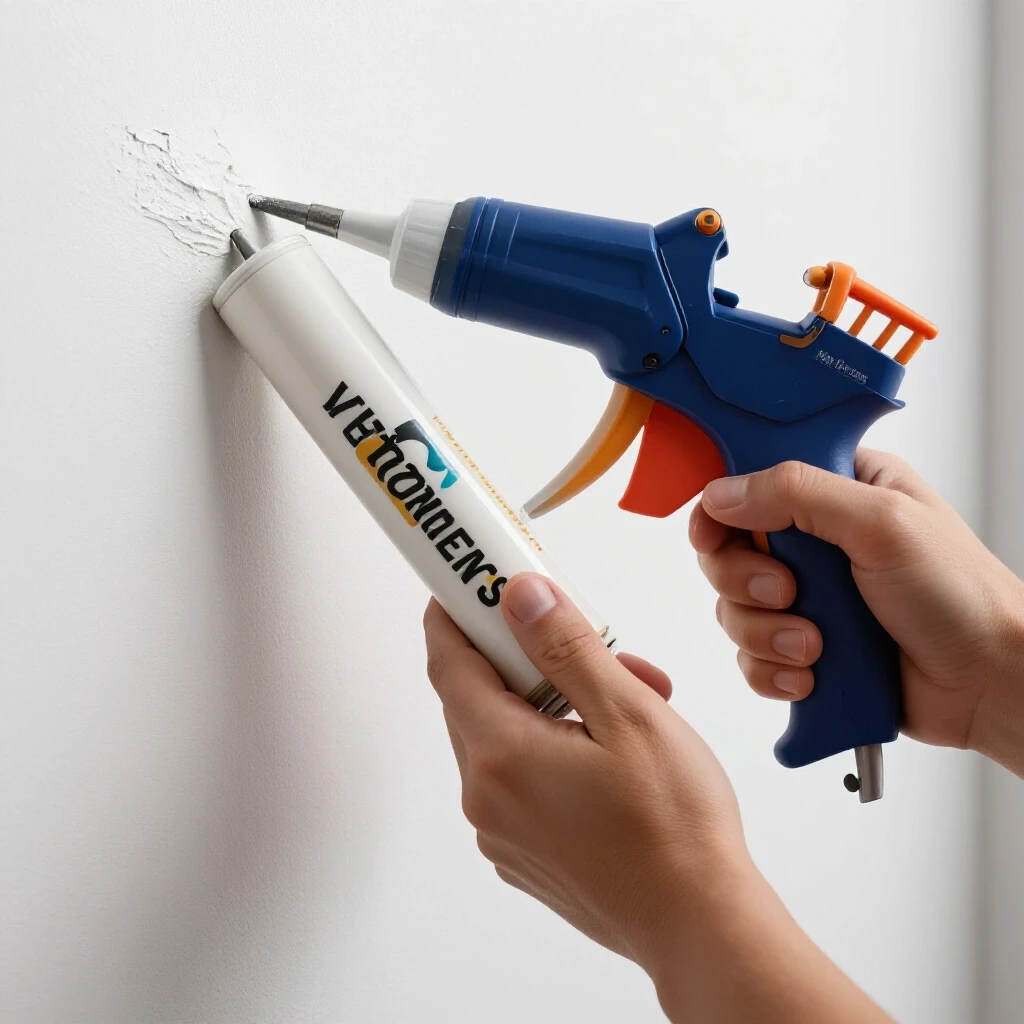
In my first few years of ownership, my projects were mostly “cosmetic bandages.” I would paint a wall to hide a crack without wondering why the crack was there. As I moved into subsequent homes, I learned to look for the root cause. This is what I call “decor layering” with a purpose. For example, before installing high-end shelving, I now ensure I am anchoring into the right studs and checking for behind-the-wall moisture.
This evolution also impacts how we style our spaces. Early on, I bought furniture that was “good enough for now.” Eventually, I realized that “good enough” often ended up in a landfill within three years. Sustainable homeownership means choosing durable materials—like solid wood or stone—that can be refinished rather than replaced. This is a key part of lifestyle integration; your home should work for you, not the other way around.
Protecting the Thermal Envelope and Energy Efficiency
The thermal envelope is the physical separator between the conditioned interior of your home and the unconditioned outdoor environment. Protecting it involves sealing leaks and ensuring insulation is performing at its peak to manage utility costs.
According to EPA energy-efficiency recommendations, the average homeowner can save about 15% on heating and cooling costs by air sealing and adding insulation. In my second home, I conducted a DIY energy audit. I walked around with a lit incense stick on a windy day. Everywhere the smoke wafted horizontally, I had an air leak.
- Check the Attic: Look for “dirty” insulation, which often indicates air filtering through gaps in the ceiling.
- Seal the Sill Plate: Use spray foam or caulk where the house frame meets the foundation.
- Update Weather Stripping: Replace worn seals around doors and windows every 3 to 5 years.
- Monitor Humidity: Keep indoor humidity between 30% and 50% to prevent mold and protect wood flooring.
As a result of these small changes, I saw my monthly utility bills drop by nearly $40. Over a decade, that is $4,800 saved—enough to replace an entire HVAC unit. This is the “why” behind energy efficiency: it is a direct investment in your future cash flow.
Preventing Homeowner Burnout and Fatigue
Homeowner fatigue is the emotional and physical exhaustion that comes from the never-ending list of “to-dos” associated with property management. Managing this fatigue is essential for the long-term preservation of both the home and the owner’s mental health.
I remember a period during my fifth year of homeownership where I felt like a slave to my yard. Every weekend was consumed by weeding, mowing, and mulching. I was experiencing “maintenance burnout.” To fix this, I had to change my strategy. I began “batching” tasks and, more importantly, accepting that the house didn’t have to be perfect every single day.
- The “One Big Task” Rule: Limit yourself to one major home project per month.
- Seasonal Sprints: Focus on exterior work in the spring/fall and interior work in the winter/summer.
- Acceptance: Realize that a home is a living thing; it will always have minor flaws.
By pacing myself, I found that I actually enjoyed the work more. I stopped seeing a leaky faucet as a personal failure and started seeing it as a routine part of the property’s lifecycle. This emotional transition is just as important as the financial one.
Digital Tools and Home Maintenance Logs
A home maintenance log is a record-keeping system used to track repairs, warranties, paint colors, and service dates. Using digital tools makes this information searchable and accessible, which is vital during an emergency or when planning a renovation.
In the past, I kept a messy folder of paper receipts. Today, I use a combination of simple digital tools to keep my home “data” organized. This practice has saved me countless hours when trying to remember which type of furnace filter I need or when the last time the chimney was swept.
- Cloud Storage (Google Drive/Dropbox): Create folders for “Receipts,” “Manuals,” and “Photos of Shut-off Valves.”
- Maintenance Apps: Tools like Centriq or HomeZada allow you to scan appliance labels to get manuals and parts lists instantly.
- Budgeting Software: Use Mint or YNAB to categorize “Home Maintenance” as a specific, non-negotiable monthly expense.
- Project Management: Simple apps like Trello can help you visualize your “To-Do,” “In Progress,” and “Done” lists for home improvements.
Having this data at my fingertips reduces the “mental load” of homeownership. When a technician asks how old the AC unit is, I don’t have to guess. I can pull up the digital receipt in ten seconds. This level of organization is a hallmark of a seasoned homeowner.
Establishing Your Five-Year Asset Plan
A five-year asset plan is a strategic outlook on what major expenses are coming your way and how you intend to improve the property’s value. It helps you avoid being blindsided by big-ticket items like roofs or siding.
To create your plan, walk through your home with a critical eye. Note the age of every major system. If your roof is 18 years old, it needs to be on your “Year 2 or 3” list. If your kitchen is functional but dated, that might be a “Year 5” goal. This proactive approach allows you to save specifically for those goals, reducing the need for high-interest loans later.
- Year 1: Focus on safety and efficiency (smoke detectors, insulation, leaks).
- Year 2-3: Address “wear and tear” items (exterior paint, carpet replacement, appliance upgrades).
- Year 4-5: Major aesthetic or structural improvements (deck additions, kitchen refreshes).
Ultimately, the goal is to move from a state of anxiety to a state of stewardship. Your home is likely your largest financial investment. By applying a data-driven, measured approach to its care, you aren’t just fixing a building—you are building a foundation for your future.
Frequently Asked Questions
How much should I really save for unexpected home repairs? While the 1% rule is a great benchmark, you should aim to have at least $5,000 in a dedicated home emergency fund. This covers the typical “worst-case” scenarios like a failed furnace or a major plumbing line break. HUD reports suggest that unexpected repairs are the leading cause of financial stress for new owners, so having this liquid cash is a vital safety net.
Is it always cheaper to DIY a home project? Not necessarily. When you factor in the cost of specialized tools, the potential for mistakes, and the value of your own time, hiring a pro can sometimes be more cost-effective. A professional often gets “contractor pricing” on materials and completes the job in a fraction of the time, often with a warranty that a DIY project lacks.
How often should I realistically inspect my home’s exterior? You should do a thorough “walk-around” at least twice a year, specifically in the spring and fall. Look for cracks in the foundation, peeling paint, or gaps in caulk. Catching a small hole in your siding today can prevent thousands of dollars in wood rot or pest damage three years from now.
What is the most common mistake first-time homeowners make in their first year? The most common mistake is “over-improving” too quickly. Many new owners spend their entire savings on cosmetic upgrades like new floors or countertops, only to have no money left when the HVAC system fails. I always recommend living in the home for at least six to twelve months before making major aesthetic changes.
How do I know if my utility bills are too high? Compare your costs to the regional average, but also look at your “usage” (kWh or Therms) rather than just the dollar amount. If your usage spikes suddenly without a change in weather, you likely have an efficiency issue, such as a leaking duct or a failing appliance. Many utility companies offer free energy audits to help you find these leaks.
What are the “red flags” that a DIY project is over my head? If the project requires a permit from the city, involves the main electrical panel, or requires “opening up” a load-bearing wall, it is time to call a professional. Another red flag is if you find yourself buying more than $500 worth of tools you will likely only use once.
How do I track maintenance if I’m not tech-savvy? A simple physical binder works perfectly. Create tabs for “HVAC,” “Plumbing,” “Exterior,” and “Appliances.” Every time you have a service call or buy a part, hole-punch the receipt and put it in the binder. The goal isn’t the “tech”; it’s the “log.”
Does regular maintenance actually increase my home’s value? While a new furnace might not “add” $10,000 to your asking price, a lack of maintenance will certainly “subtract” from it. Appraisers and buyers look for “pride of ownership.” A well-documented maintenance log proves the home has been cared for, which leads to faster sales and fewer inspection headaches.
What is the best way to manage the “mental load” of home chores? Break your tasks down into “Daily,” “Monthly,” and “Seasonal” lists. Don’t try to do everything at once. If you spend just 20 minutes a week on one specific maintenance task, you will stay ahead of 90% of other homeowners.
How do I prioritize which repairs to do first? Always prioritize “Water, Fire, and Safety.” A leaking pipe (water) or a frayed wire (fire) always comes before a squeaky floorboard or an ugly paint color. Protecting the structural integrity and safety of the home is always the top priority.
(This article was written by one of our staff writers, Michael Morrison. Visit our Meet the Team page to learn more about the author and their expertise.)