Why Is My Furnace Filter Clogging Quickly? (Home Dust Solutions)

When I manage older properties, I often find that a home tells a story through what it collects. A recurring issue for many owners is the rapid accumulation of grey or brown debris on air intake surfaces. This isn’t just a cleaning nuisance; it is a diagnostic signal that the building envelope is compromised, allowing outdoor particulates or internal structural dust to migrate through the living space.
During my 17 years as a facilities technician, I once worked on a 1920s colonial that seemed to produce dust out of thin air. The homeowners were frustrated because their intake screens were thick with debris just days after cleaning. By applying building science, I discovered that the house was acting like a giant straw. It was pulling air from a dirt-floor crawlspace through unsealed floor penetrations, bringing decades of fine silt into the breathing zone. Once we sealed those pathways, the air cleared, and the mechanical load dropped significantly.
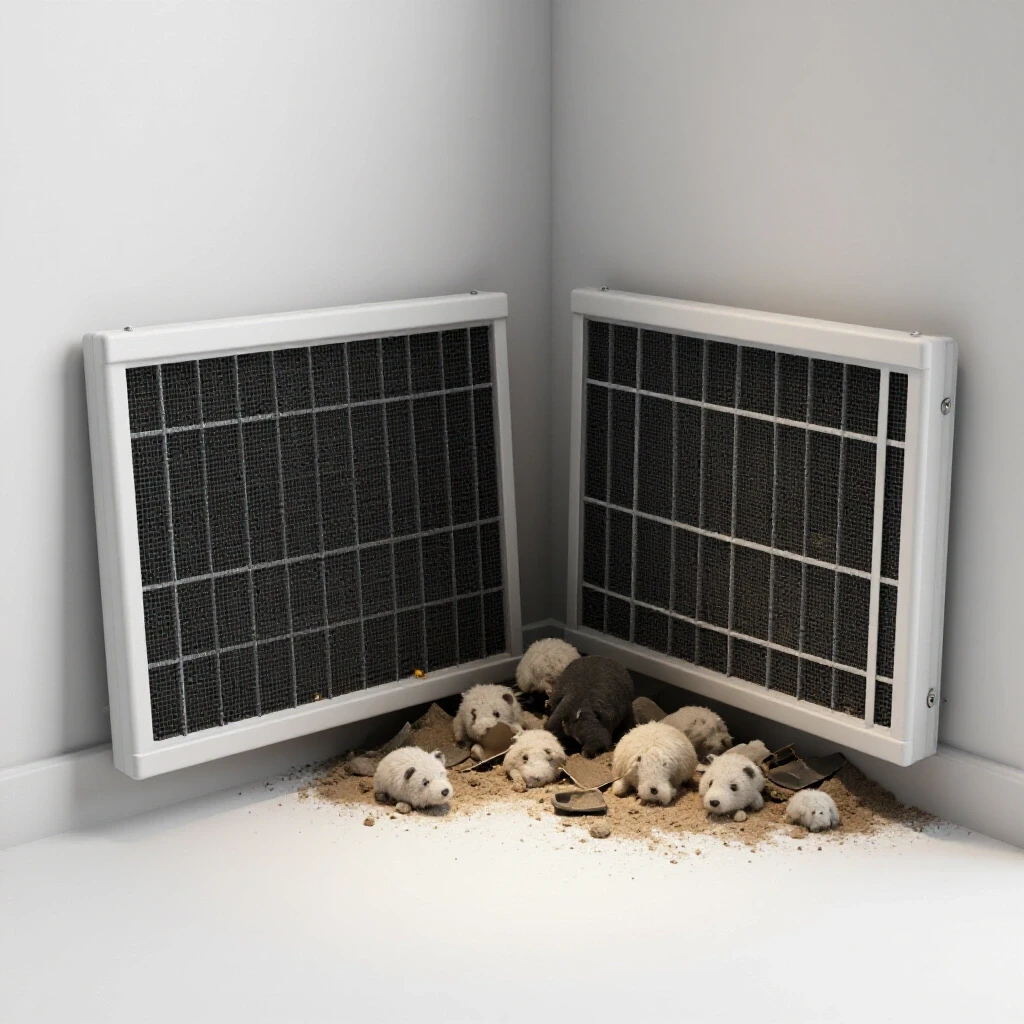
Understanding Air Particle Migration and Building Science
Building science is the study of how heat, air, and moisture move through a structure. It treats the house as an integrated system where the “skin” or envelope must manage pressure differences. When these forces are out of balance, air carries dust from hidden cavities—like attics or wall voids—directly into your living environment.
Understanding this concept is vital for a home maintenance checklist. If you notice heavy buildup on your air intake, you are likely seeing the results of “bypass airflow.” This occurs when air skips the intended pathways and leaks through gaps in the construction. In older homes, these gaps are often found around plumbing stacks, electrical wires, or recessed lighting fixtures.
The Impact of the Stack Effect on Indoor Air
The stack effect is a natural phenomenon where warm air rises and escapes through the top of a building, creating a vacuum at the bottom. This pressure imbalance pulls in cold, dusty air from the basement or crawlspace to replace what was lost. It is a primary driver of debris movement in multi-story legacy properties.
In my experience, the stack effect is most aggressive during the winter months. As you heat your home, the rising air creates a strong suction at the floor level. This suction pulls fine particulates from the subfloor and rim joists. You can often see the evidence of this as dark “ghosting” lines on carpets near baseboards or heavy accumulation on intake vents located near the floor.
Identifying Pressure Imbalances in Older Homes
Pressure imbalances occur when air cannot move freely between rooms or when exhaust fans pull more air out than the home can naturally replace. This creates a “negative pressure” environment that sucks dust through window sills and door frames. It turns every small crack into an entry point for outdoor pollutants.
Testing for these imbalances is a core part of residential diagnostics. If a bedroom door slams shut when the furnace kicks on, or if you feel a draft around a closed window, the pressure is unequal. These drafts are not just air; they are transport systems for the fine grit that eventually clogs your filtration systems and settles on your furniture.
Diagnostic Tools for Tracking Airborne Debris Pathways
To solve a dust problem at its source, you need to see what is normally invisible. Professional-grade tools allow you to track air movement and identify where the building envelope is failing. Using these devices helps prevent costly structural damage by catching moisture and air leaks before they rot wood or degrade insulation.
- Thermal Imaging Camera: This tool detects temperature differences on walls and ceilings. Cold spots often indicate where insulation is missing or where outdoor air is leaking in, bringing dust with it.
- Acoustic Leak Detector: This device amplifies the sound of air moving through small gaps. It is excellent for finding leaks in wall cavities that are otherwise inaccessible.
- Moisture Meter: Since damp dust is heavier and can lead to organic growth, keeping lumber moisture between 12% and 15% is critical. Higher levels suggest a leak that may be bonding dust to surfaces.
- Smoke Pencil or Pen: These emit a small, non-toxic trail of smoke. By holding it near outlets or window trim, you can visually track exactly where air is entering or leaving the room.
- Manometer: This measures the pressure difference (in Pascals) between the inside and outside of the house. A high reading indicates the home is under significant stress from the stack effect.
Systemic Property Assessment for Dust Reduction
A systematic approach to preventative home care begins with a thorough audit of the home’s exterior and interior boundaries. By identifying the entry points for particulates, you can stop the cycle of constant cleaning. This process involves looking at the home as a series of connected zones rather than isolated rooms.
| Symptom | Potential Root Cause | Diagnostic Test |
|---|---|---|
| Black dust near baseboards | Stack effect pulling air from crawlspace | Smoke pencil test at floor gaps |
| Gritty grey dust on windowsills | Window sash seal failure | Visual inspection of weatherstripping |
| Rapid clogging of intake vents | Unsealed attic bypasses | Thermal imaging of ceiling penetrations |
| Fine white powder on surfaces | Drywall or plaster degradation | Moisture meter check for hidden leaks |
Sealing the Building Envelope to Block Particulates
The building envelope is the physical separator between the conditioned interior and the unconditioned exterior. Sealing this boundary is the most effective way to protect the structure and reduce indoor debris. This involves using specialized materials to close gaps that have opened as the house settled over decades.
I recommend starting in the attic. Look for the “top plates” of your walls—where the wood framing meets the attic floor. These are often major sources of air leakage. Using fire-rated expanding foam or caulk to seal these gaps prevents the house from sucking dust upward. Similarly, sealing the rim joist in the basement with rigid foam insulation and high-quality sealant can block the entry of heavy soil particles.
Managing Moisture to Control Particle Weight
Moisture control is a fundamental pillar of structural protection. When air is too dry (below 30% humidity), dust becomes light and highly mobile, easily staying airborne for hours. When air is too damp (above 60%), dust clumps together and can promote the growth of microorganisms on organic surfaces like wood or paper.
In my facility logs, I always aimed for a “sweet spot” of 35% to 45% relative humidity. This range ensures that dust particles are heavy enough to settle quickly but not so damp that they cause structural issues. Using a simple hygrometer to monitor these levels allows you to make informed adjustments to your home environment, such as using a humidifier in winter or a dehumidifier in a damp basement.
Decor and Lifestyle Adjustments for Cleaner Surfaces
While structural repairs address the source of dust, your interior choices dictate how that dust is managed. Certain materials act as “dust sinks,” trapping particles and releasing them whenever there is movement. Transitioning to a more maintenance-friendly interior can significantly reduce the volume of debris that reaches your air intakes.
- Floor Coverings: Hardwood, tile, or laminate floors are easier to keep clean than wall-to-wall carpeting. Carpets can hold pounds of hidden grit that is kicked up with every footstep.
- Window Treatments: Heavy fabric drapes are notorious for collecting dust. Switching to roller shades or wooden shutters allows for easier wiping and less particle entrapment.
- Furniture Surfaces: Open shelving increases the surface area for dust to settle. Glass-fronted cabinets protect your belongings while reducing the amount of airborne debris.
- Entryway Management: Using high-quality “walk-off” mats both inside and outside entry doors can trap up to 80% of outdoor soil before it enters the home.
Case Study: The Dusty Craftsman
I once consulted on a 1915 Craftsman home where the owners were replacing their air filters every two weeks because they were thick with brown silt. They feared their mechanical system was failing. My diagnostic began with the basement, where I found an old, abandoned coal chute that hadn’t been properly sealed.
The wind was blowing directly into the chute, pressurizing the basement and forcing coal dust and soil through the floorboards. We sealed the chute with masonry and used a high-grade sealant on the floor gaps. Within a month, their filter replacement cycle returned to a normal three-month interval. This case highlights how a “mechanical” problem is often actually a “structural” problem in disguise.
Preventive Maintenance Schedule for Dust Management
Consistency is the key to preventing major repair bills. By following a structured schedule, you can catch small air leaks or moisture issues before they escalate into structural rot or mechanical strain.
- Monthly: Inspect all air intake grills for visible buildup. Use a vacuum with a HEPA filter to clean the registers and the area immediately around them.
- Quarterly: Check the weatherstripping on all exterior doors. If you can see light through the gaps, the seal is failing and allowing dust to enter.
- Bi-Annually: Inspect the attic and basement for signs of “bypass” airflow. Look for dark stains on insulation, which act as a filter for leaking air.
- Annually: Perform a full building envelope audit using a smoke pencil. Focus on areas where different materials meet, such as where the chimney passes through the roof or where the foundation meets the wood framing.
DIY vs. Professional Scope Limits
Knowing when to call a pro is essential for safety and code compliance. While most air sealing and cleaning tasks are well within the reach of a dedicated homeowner, some situations require specialized expertise.
- DIY Scope: Sealing window gaps, installing weatherstripping, cleaning intake vents, and monitoring humidity levels.
- Professional Scope: Asbestos abatement (common in older insulation), major masonry repairs to the foundation, and structural reinforcement of sagging floor joists.
- Safety Warning: Never seal attic vents or soffit vents. These are necessary for moisture to escape the roof structure. Blocking them can lead to rapid wood rot and mold.
Conclusion
Managing the debris in an older home requires a shift from reactive cleaning to proactive diagnostics. By understanding the building science behind air movement and pressure, you can identify why your home is collecting dust so quickly. Focus on sealing the building envelope, managing indoor humidity, and choosing interior materials that don’t harbor particulates. These steps not only keep your air cleaner but also protect the structural integrity of your property for the long term. Start by checking your basement and attic for air bypasses today; it is the most effective way to stop the dust before it starts.
FAQ: Managing Household Dust and Airflow
Why does my home seem to get dusty immediately after I clean?
This is often due to the “stack effect” or pressure imbalances. If your home is not properly sealed, it is constantly pulling in new dust from the attic, basement, or outdoors. Cleaning only addresses the dust that has already settled, not the source of the infiltration.
Can old insulation contribute to the dust in my living areas?
Yes. As insulation ages, it can break down into fine particulates. If there are gaps in your ceiling or walls (bypasses), the suction created by your home’s natural airflow can pull these fibers into your living space.
What is the most common entry point for outdoor dust?
Exterior doors with worn weatherstripping and windows with failed seals are the primary culprits. In older homes, the gap between the window frame and the rough opening is often uninsulated, providing a direct path for debris.
How does humidity affect the amount of dust I see?
Low humidity makes dust lighter and more likely to stay airborne. When the air is dry, static electricity also causes dust to cling to surfaces. Maintaining a humidity level of 35-45% helps particles settle so they can be easily cleaned.
Is it normal for an older home to have more dust than a new one?
Generally, yes. Older homes were built to “breathe” more than modern airtight homes. While this prevents some moisture issues, it also means there are more pathways for dust to enter. Retroactive air sealing is the best way to bridge this gap.
Should I be worried if I see black dust near my baseboards?
Black dust near baseboards often indicates “carpet filtration.” This happens when air is forced through the carpet as it leaks through the floor-to-wall gap. The carpet acts as a filter, trapping soot and soil. It’s a sign that you need to seal your rim joists or baseboards.
How can I tell if my air intake is pulling from the wrong place?
Hold a smoke pencil near the intake while the system is running. If you see smoke being pulled from behind the trim or from a nearby wall crack instead of from the room itself, you have a leak in your ductwork or wall cavity.
Does the type of flooring I have really matter for dust control?
Absolutely. Carpeting is a reservoir for dust. Even with high-end vacuums, it is difficult to remove all the fine grit trapped in the fibers. Hard surfaces like wood or tile allow for total removal of particulates.
What is the best way to seal an attic bypass?
Use a combination of rigid foam board and fire-rated expanding spray foam. Clear away existing insulation to find where wires or pipes go through the floor, seal the gap, and then replace the insulation.
Can fireplace chimneys contribute to indoor dust?
Yes. If the damper is not sealed properly when not in use, the chimney can act as a giant exhaust vent, increasing the stack effect and pulling more dusty air in from the rest of the house.
How often should I check my home’s weatherstripping?
I recommend checking it twice a year, specifically before the heating and cooling seasons begin. Temperature changes can cause materials to shrink or crack, compromising the seal.
What should I do if I find dust that looks like wood shavings?
This may not be standard household dust. Small piles of fine wood debris can indicate pest activity, such as carpenter ants or termites. This requires immediate investigation and potentially a professional inspection.
(This article was written by one of our staff writers, Daniel Whitaker. Visit our Meet the Team page to learn more about the author and their expertise.)