How to Navigate HOA Rules for Homeowners (Practical Guide)

Imagine standing in your new driveway, looking at a front door you want to paint a bold, sunny yellow. You have the brushes ready and the paint bought, but then you remember the thick binder you received at closing. This book of guidelines suggests that all doors must stay within a palette of forest green or slate gray.
In my 14 years of owning three different homes, I have learned that the transition into a community with shared standards is as much about mindset as it is about maintenance. My first home was a standalone property where I could do as I pleased, but my second and third were in neighborhoods with established visual rules. I found that while these guidelines can feel restrictive at first, they often provide a clear roadmap for keeping the neighborhood looking its best. This guide will help you navigate these expectations while still making your house feel like home.
Understanding the Foundation of Community Design Standards
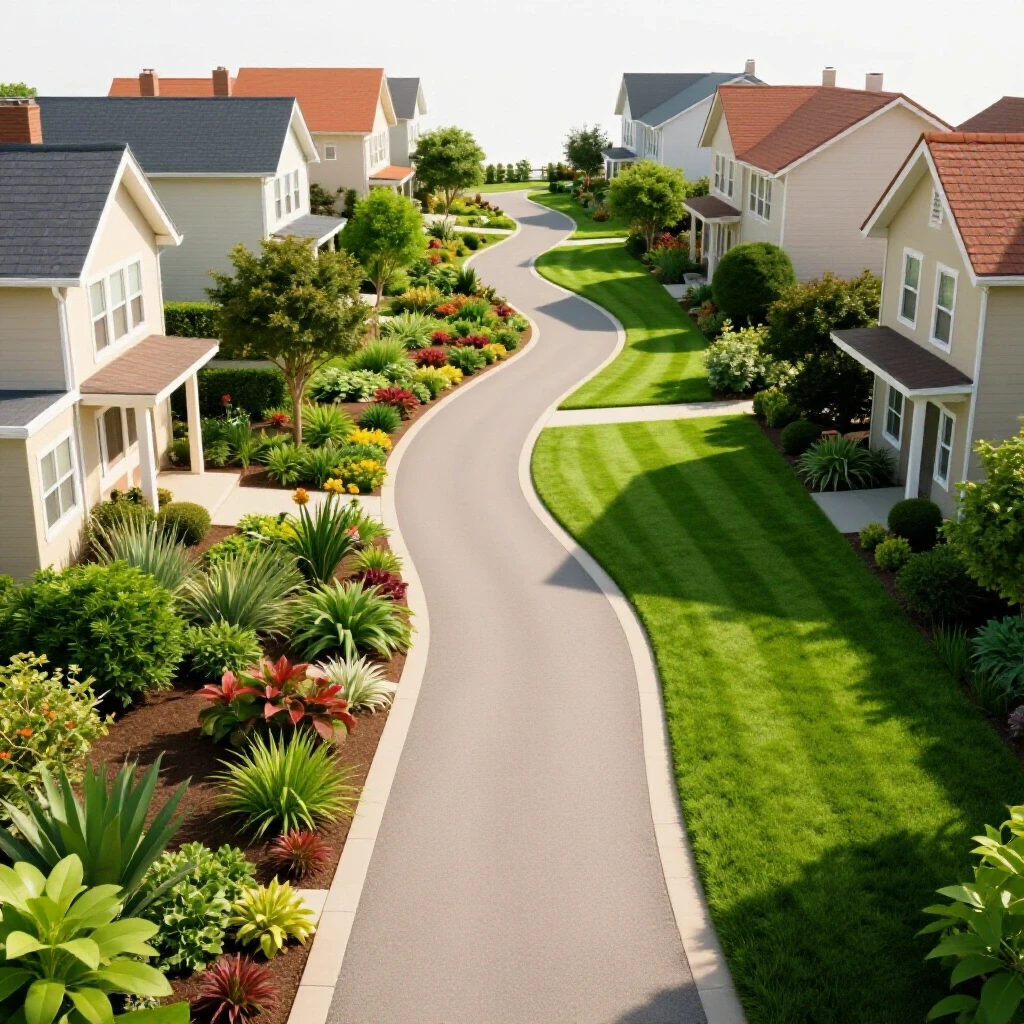
Community design standards are the collective rules that govern how the exterior of your property should look to maintain a cohesive neighborhood appearance. These rules often cover paint colors, landscaping choices, and even the types of materials you can use for fences or decks.
When I moved into my second home, I spent the first few months tracking how my neighbors handled their exterior upkeep. I realized that the goal wasn’t to stifle creativity, but to ensure that no single house looked out of place. According to the U.S. Census Bureau’s American Housing Survey, a significant portion of new construction sits within managed communities. This means most first-time homeowners will need to balance their personal style with these shared expectations.
To get started, I recommend creating a “Style Log.” This is a digital or physical folder where you keep photos of your home, copies of the neighborhood guidelines, and a list of approved paint codes. Having this information ready prevents the anxiety of starting a project only to find out later that it doesn’t fit the community’s visual harmony.
Creative DIY Projects Within Shared Aesthetic Standards
Engaging in DIY projects is a great way to save money, but in a governed community, it requires a bit more planning. You must ensure your materials and colors align with the neighborhood’s established look before you pick up a hammer.
In my experience, the best way to handle this is to focus on “micro-customizations.” These are small changes that add personality without breaking the visual flow of the street. For example, I once wanted to install a high-end stone walkway. Instead of picking a unique color that stood out, I chose a stone that matched the existing masonry on the house. This satisfied my desire for a project while respecting the shared space.
Selecting Approved Materials for Longevity
Choosing materials that meet community standards while offering long-term durability is a key skill for any new homeowner. You want products that look traditional but perform with modern efficiency to reduce your future maintenance load.
When I replaced my mailbox last year, I didn’t just grab the first one I saw. I looked for a model that matched the neighborhood’s specific style but was made of heavy-duty aluminum instead of wood. This choice ensured I wouldn’t have to repaint it every two years. Below is a comparison of common exterior tasks and how to approach them.
| Task | DIY Effort | Professional Cost (Avg) | Community Alignment Tip |
|---|---|---|---|
| Painting Front Door | Low (4-6 hours) | $150 – $300 | Stick to the approved color palette. |
| Pressure Washing | Medium (1 day) | $200 – $400 | Keep siding clean to maintain visual harmony. |
| Flower Bed Mulching | Medium (4 hours) | $300 – $600 | Use the color of mulch standard for the street. |
| Mailbox Replacement | Low (2 hours) | $100 – $250 | Ensure the post matches the neighborhood design. |
Balancing Energy Efficiency with Visual Harmony
Modernizing your home for energy efficiency often involves exterior changes, such as new windows or solar panels. The challenge is integrating these modern features so they don’t clash with the architectural style of your community.
I have tracked my utility data for over a decade, and I know that upgrading a home’s thermal envelope is the best way to lower costs. However, when I replaced the windows in my current home, I had to find frames that matched the original wood look required by the neighborhood. Interestingly, many manufacturers now create high-efficiency vinyl windows that look exactly like painted wood, allowing you to save on energy without disrupting the street’s aesthetic.
Strategic Planning for Solar and Exterior Upgrades
Adding solar panels or high-efficiency HVAC units requires a strategic approach to ensure they are placed discreetly. Most guidelines prefer these items to be out of direct sight from the main road to preserve the neighborhood’s character.
When I looked into solar options, I worked with the installer to place the panels on the rear-facing roof. This kept the front of the house looking traditional while still providing the sustainable home systems I wanted. By planning ahead, I avoided the stress of having to move equipment later.
- Check the roofline: Ensure panels follow the angle of the roof.
- Color match: Look for “all-black” panels that blend better with dark shingles.
- Screening: Use approved shrubs to hide ground-mounted AC units.
Budgeting for Exterior Upgrades and Shared Standards
A realistic household budgeting diary must include a line item for exterior maintenance that keeps your home in line with community expectations. I recommend the “1% rule,” where you set aside 1% of your home’s value each year for upkeep.
In my 14 years of logs, I noticed that exterior costs often come in “waves.” You might go three years with zero costs, then suddenly need to repaint the entire exterior. By saving consistently, you won’t feel overwhelmed when it’s time to refresh your home’s look.
| System | Expected Lifespan | Replacement Cost (Est) | Maintenance Frequency |
|---|---|---|---|
| Exterior Paint | 5 – 10 Years | $3,000 – $6,000 | Every 7 years |
| Roof (Shingle) | 20 – 25 Years | $8,000 – $15,000 | Annual inspection |
| Wood Fencing | 10 – 15 Years | $2,000 – $5,000 | Staining every 3 years |
| Garage Door | 15 – 30 Years | $800 – $2,000 | Annual lubrication |
Managing the Emotional Side of Homeownership Restrictions
One of the biggest hurdles for new homeowners is the feeling of “fatigue” that comes from following rules. It can be frustrating to want a specific garden feature only to realize it isn’t allowed.
I have found that the best way to handle this is to focus your creative energy on the interior of your home. While the outside belongs to the visual community, the inside is entirely yours. In my second home, I felt restricted by the exterior paint rules, so I poured my DIY energy into a custom kitchen backsplash. This helped me feel like the home was truly mine without creating friction with the neighborhood standards.
Establishing a Sustainable Maintenance Routine
A sustainable routine is about doing small tasks regularly so you never face a massive, overwhelming project. This is especially important when you are balancing a career and a family.
I use a simple digital checklist to stay on top of things. Every spring, I spend one Saturday walking around the house with a notepad. I look for peeling paint, cracked caulking, or overgrown bushes. Catching these small issues early ensures the home always meets community standards and prevents expensive structural repairs later.
- Digital Home Log: Use an app like HomeZada or a simple Google Sheet to track paint colors and repair dates.
- Moisture Meter: A $20 tool to check for leaks behind siding or under windows.
- Pressure Washer: A basic electric model is perfect for keeping driveways and siding looking new.
- Caulk Gun: Essential for sealing gaps around windows to prevent rot and keep the exterior looking sharp.
Long-Term Asset Protection and Community Value
Maintaining your home according to shared standards isn’t just about following rules; it’s about protecting your largest investment. When every house on the street follows the same guidelines, it creates a stable environment for property values.
In my analysis of housing trends, neighborhoods with consistent aesthetic standards often hold their value better during market downturns. As a homeowner, you are a stakeholder in this collective value. By keeping your lawn mowed and your paint fresh, you are helping your neighbor’s home value, and they are doing the same for you. It is a silent partnership that benefits everyone in the long run.
Avoiding Homeowner Burnout
Burnout happens when you try to do everything at once. My advice is to pick one “big” exterior project per year. If this year you are focusing on the landscaping, let the fence wait until next year.
I remember my first year of homeownership; I tried to landscape the entire backyard in one weekend. I ended up exhausted and with several dead plants because I couldn’t keep up with the watering. Now, I take a measured approach. I plan my projects around the seasons and my own energy levels. This makes home care feel like a rewarding hobby rather than a second job.
- Spring: Focus on cleaning and “curb appeal” (pressure washing, mulching).
- Summer: Minor repairs and enjoying the outdoor space.
- Fall: Preparation for winter (sealing gaps, cleaning gutters).
- Winter: Interior projects and planning for next year’s budget.
Conclusion: Taking the First Steps Toward Harmony
Moving into a home with shared visual standards can feel like a major adjustment. However, by shifting your perspective from “restriction” to “shared value,” you can find a lot of peace in the process. Start by reading your community guidelines thoroughly—not as a list of “don’ts,” but as a guide for your future projects.
My 14-year journey has taught me that the most successful homeowners are the ones who plan ahead. Build your maintenance kit, start your household budget diary, and choose materials that last. When you work within the framework of your community, you spend less time worrying about rules and more time enjoying the home you’ve worked so hard to buy.
Frequently Asked Questions
What should I do if I want to change my exterior paint color?
Before buying any paint, consult your community’s approved color palette. Most neighborhoods have a pre-selected list of colors that are guaranteed to fit the aesthetic. Once you pick a color from that list, you usually need to submit a simple form to the board or committee for a quick review. This ensures your choice doesn’t clash with the house directly next to yours.
Can I install a fence if the guidelines are strict about materials?
Yes, but you must use the specific materials and heights mentioned in the rules. For example, if the standard is black wrought iron, you cannot install a white vinyl fence. Many modern manufacturers offer “look-alike” materials, such as aluminum that looks like iron, which are durable and usually meet community standards.
How do I handle landscaping if I want a low-maintenance yard?
Many communities now support “sustainable landscaping” or “xeriscaping,” which uses local plants that require less water. Check your guidelines for a list of approved plants. You can often create a beautiful, low-maintenance garden by using native shrubs and stone accents that fit the neighborhood’s natural look.
Are there rules for seasonal decorations?
Most communities have “common sense” rules for decorations. This usually means you can put up holiday lights and displays, but they need to be taken down within a certain timeframe (often 30 days) after the holiday. This keeps the neighborhood looking tidy throughout the year.
Do I need permission for small repairs like replacing a broken window?
If you are replacing the window with an identical model, you usually do not need special permission. However, if you are changing the style, material, or frame color, you should check the guidelines. Maintaining the “visual harmony” of the windows is often a high priority in managed communities.
What if I want to add a deck or patio?
Exterior additions almost always require a review. You will likely need to submit a basic drawing or plan showing the size, location, and materials. Sticking to materials that match the existing architecture of your home will make the approval process much smoother.
How can I make my home stand out if the exterior must look like everyone else’s?
Focus on the details that are usually not restricted, such as high-quality porch furniture, elegant (but standard-colored) flower pots, or a well-maintained garden. Inside your home, you have total freedom to express your personal style, so save your boldest design choices for your interior spaces.
Will these rules prevent me from installing solar panels?
In many areas, laws protect your right to install solar panels for energy efficiency. However, the community can still have rules about where they are placed. They usually ask that panels be installed flat against the roof and, if possible, on the side of the house that is less visible from the street.
How do I find out what the “approved” materials are?
Your first stop should be the community handbook or website. If the information isn’t clear, reach out to the management company or a board member. It is always better to ask a quick question before spending money on materials that might not be allowed.
Can I have a shed or outbuilding in my backyard?
This varies significantly by community. Some allow them if they are screened from view and built with materials that match the main house. Others may prohibit them entirely to keep backyards open and uncluttered. Always check the specific rules for “accessory structures” before purchasing a pre-built shed.
(This article was written by one of our staff writers, Michael Morrison. Visit our Meet the Team page to learn more about the author and their expertise.)