Effective Home Security Upgrades for Homeowners (Practical Guide)

Focusing on pet-friendly choices was one of the first things I did when I moved into my second home back in 2014. I had a young Golden Retriever who was prone to anxiety during thunderstorms, and I realized that my interior safety strategy needed to account for him as much as it did for my family. Over my 14 years of owning three different properties, I have learned that true home safety isn’t about high-tech gadgets or fear-based systems. Instead, it is about the subtle, design-integrated modifications that make a house feel like a sanctuary. As a real estate analyst, I look at the data, but as a homeowner, I look at the door hinges.
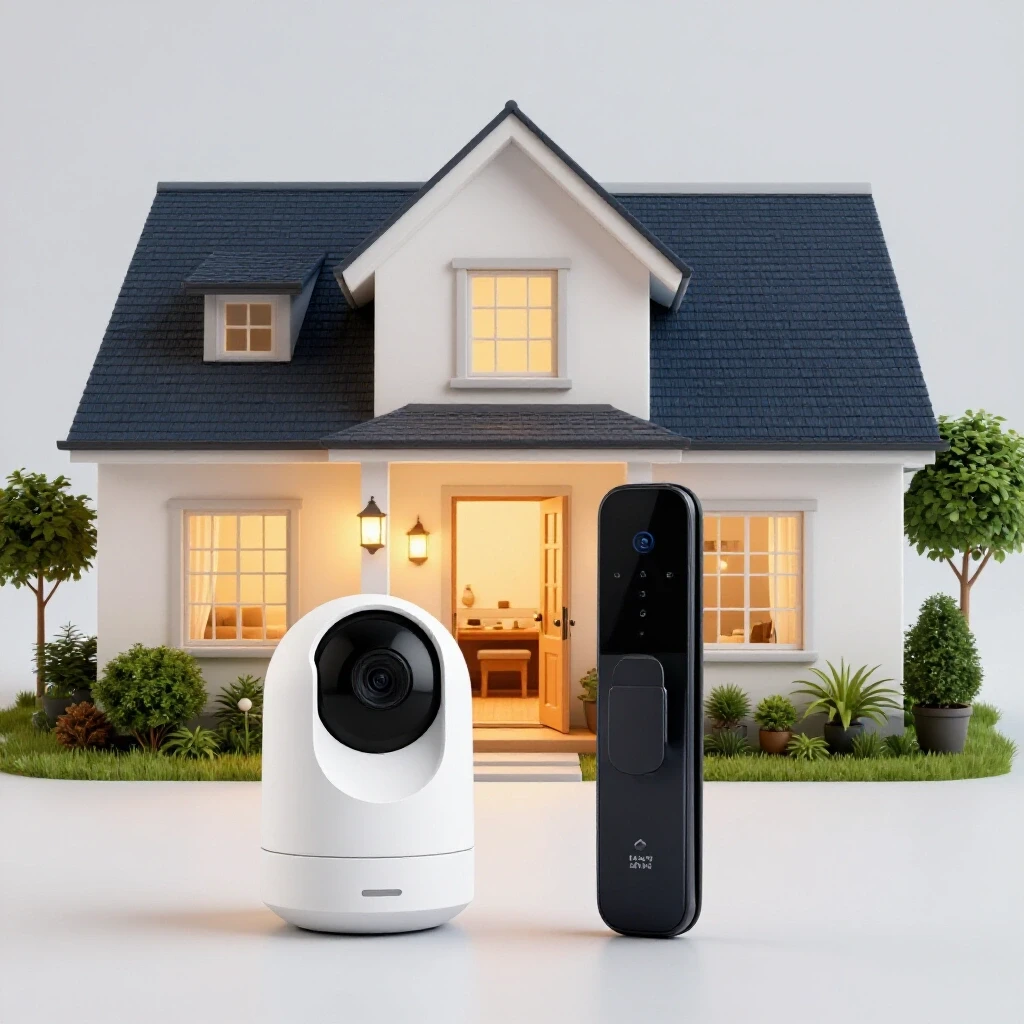
Strengthening Interior Entry Points with Aesthetic Hardware
This involves upgrading the physical components of your doors and windows to improve structural resistance while ensuring the hardware matches your home’s interior design. It focuses on replacing standard, factory-grade materials with heavy-duty alternatives that remain invisible to the casual observer.
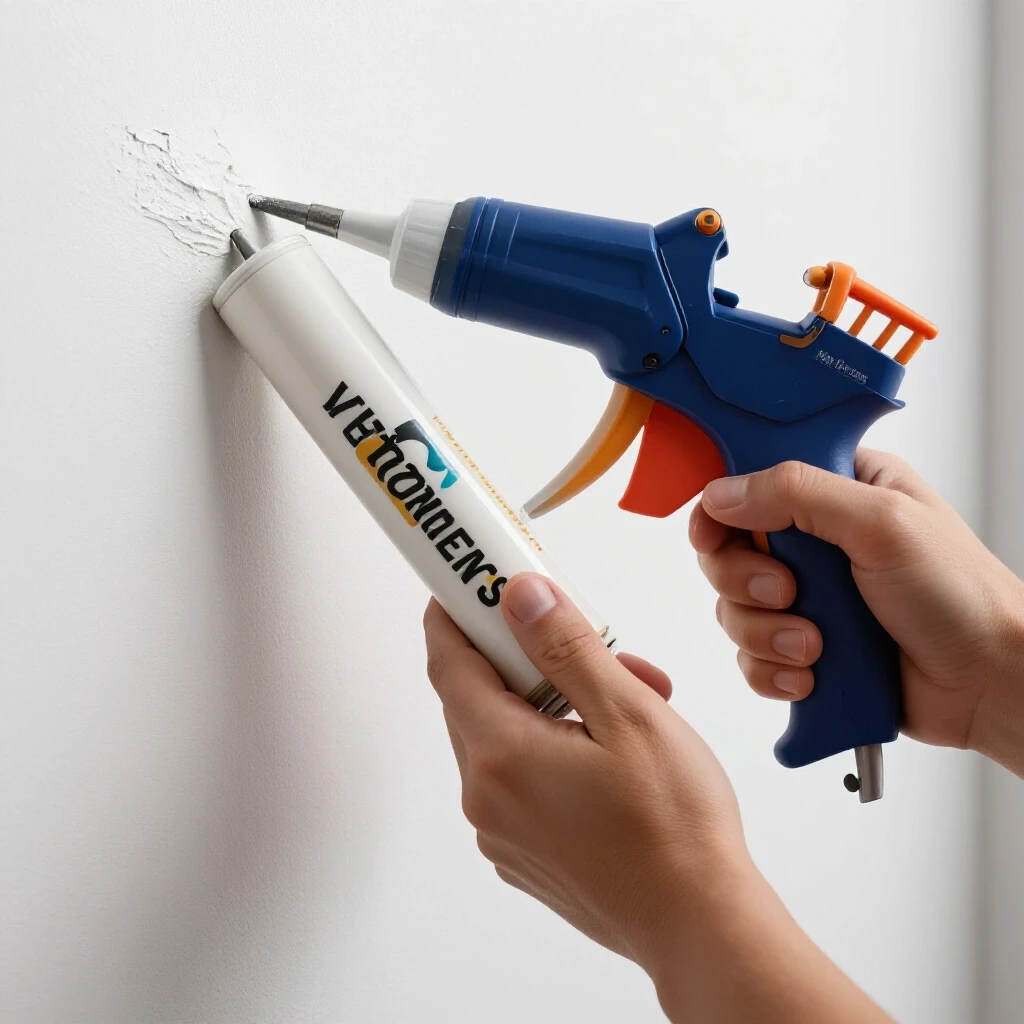
When I closed on my first house, a 1920s bungalow, the front door felt solid, but the hardware was flimsy. Most builders use one-inch screws to secure strike plates—the metal piece on the door frame where the bolt enters. These screws only grip the thin decorative trim, not the actual wall stud. One of the most effective DIY home care tasks is replacing those with three-inch stainless steel screws. This simple change anchors the door to the house’s framing.
Selecting the Right Strike Plates
A strike plate is the metal reinforcement that protects the door jamb from the latch or bolt. Upgrading to a heavy-duty, four-screw box strike plate provides significantly more resistance than a standard two-screw version without changing the look of your entryway.
In my current home log, I recorded that this upgrade cost me less than $15 per door. You don’t need a professional for this. If you can use a screwdriver, you can do this. I recommend choosing finishes like oil-rubbed bronze or brushed nickel to ensure these “invisible” upgrades blend perfectly with your existing decor.
Reinforcing Window Latches and Glass
Window safety involves ensuring that locking mechanisms are robust and that the glass itself is resistant to accidental impact. This can be achieved through decorative window films or by replacing aged, brittle latches with modern, reinforced hardware.
I once evaluated a home where the owner had installed clear safety film on the lower panes of their French doors. You couldn’t see it, but it held the glass together like a car windshield. For first-time homeowners, this is a great way to add a layer of protection against accidents—like a stray baseball or a jumping pet—while keeping the aesthetic clean.
| Interior Upgrade | DIY Cost | Professional Cost | Time Investment |
|---|---|---|---|
| 3-Inch Screw Reinforcement | $5 – $10 | $75 – $150 | 15 Minutes |
| Heavy-Duty Strike Plates | $15 – $30 | $100 – $200 | 30 Minutes |
| Safety Window Film (per pane) | $20 – $40 | $150 – $300 | 1 Hour |
| Reinforced Sash Locks | $10 – $25 | $80 – $120 | 20 Minutes |
Using Interior Lighting as a Safety Design Element
This strategy uses light placement and timing to create the appearance of an occupied home and to ensure safe movement through the house at night. It relies on smart bulbs and automated timers rather than complex wiring or external floodlights.
One of the biggest homeownership realities is the “dark house” syndrome. When you work late, your home looks empty, which can be unsettling. In my third home, I moved away from manual switches to a system of smart bulbs in my floor lamps. I set them to a “vacation mode” that mimics my actual habits—turning on the living room lamp at 6:00 PM and the bedroom lamp at 10:30 PM.
Strategic Placement of Path Lighting
Path lighting refers to low-level illumination designed to guide residents through hallways and stairs without the need for bright overhead lights. This prevents trips and falls while providing a sense of constant visibility within the home.
I use plug-in motion sensors that have a warm, amber glow. Unlike bright white LEDs, these don’t ruin your night vision or wake you up fully if you’re getting a glass of water. According to HUD reports, falls are a leading cause of home injuries, so this isn’t just about security; it’s about basic home maintenance and safety.
Automated Timers for Lived-In Aesthetics
Automated timers are simple devices that plug into outlets to turn lamps on and off at scheduled times. They are a low-cost way to maintain a routine when you are away for the weekend or working a double shift.
- Look for “randomized” timers that vary the “on” time by 15-30 minutes each day.
- Focus on rooms visible from the street, such as the living room or front-facing bedrooms.
- Use warm-spectrum bulbs (2700K) to keep the interior feeling cozy rather than clinical.
Furniture Placement and Structural Safety Habits
This concept focuses on how the physical layout of your home can contribute to a safer living environment. It involves anchoring heavy furniture, maintaining clear exit paths, and using decor to obscure the view of valuable items from the street.
When I was tracking my first-year utility and maintenance logs, I realized I hadn’t thought about my “line of sight.” If I stood on the sidewalk, I could see exactly where my laptop sat on the dining table. A simple shift in furniture layout—moving the desk to a different wall—increased my privacy significantly without costing a dime.
Anchoring Heavy Furniture for Stability
Furniture anchoring is the process of securing tall or heavy items, like bookshelves and dressers, to the wall studs to prevent tipping. This is a critical step for families with children or large pets.
In my 14 years of home logs, I’ve noted that many first-time homeowners skip this because they don’t want to “ruin the walls.” However, a small hole in the drywall is much easier to fix than a broken piece of furniture or an injury. I use nylon straps that are hidden behind the piece, keeping the design clean while ensuring the structure is sound.
Creating Unobstructed Exit Paths
An exit path is a clear, wide walkway that leads to every door and window in the house. Maintaining these paths ensures that you can move quickly and safely in the event of an emergency, such as a smoke alarm sounding at night.
- Keep hallways clear of decorative clutter like large floor vases or baskets.
- Ensure rugs are secured with non-slip pads to prevent bunching or sliding.
- Maintain a 36-inch wide path in high-traffic areas.
Establishing a Household Budgeting Diary for Safety
A budgeting diary is a dedicated log where you track every dollar spent on home repairs, upgrades, and recurring maintenance. This practice helps you move from reactive spending to proactive planning, reducing the anxiety of unexpected failures.
Most experts suggest the 1% to 3% rule: save 1% of your home’s value annually for maintenance. For a $350,000 home, that’s $3,500 a year. In my experience, about 10% of that fund should be earmarked for interior safety and hardware refreshes. When I started my household budgeting diary, I realized I was overspending on decor and underspending on the “boring” stuff like fire extinguisher refills and smoke detector batteries.
Calculating Your Annual Safety Reserve
Your safety reserve is a portion of your emergency fund specifically set aside for interior hardware replacements and safety system updates. This includes things like replacing carbon monoxide detectors every five to seven years.
I recommend a tiered approach to this budget. Year one is for the “big” transitions, like changing all the locks and reinforcing the doors. Years two through five focus on maintenance and small DIY home care tasks. By year five, you should have a rhythm that prevents financial shocks.
| System | Expected Lifespan | Replacement Cost (DIY) |
|---|---|---|
| Smoke Detectors | 10 Years | $20 – $50 |
| Carbon Monoxide Detectors | 5 – 7 Years | $30 – $60 |
| Fire Extinguishers | 5 – 12 Years | $40 – $80 |
| Interior Door Hardware | 15 – 20 Years | $30 – $100 |
Tracking DIY Time-Investment vs. Professional ROI
This metric measures the value of your own labor against the cost of hiring a contractor. It helps you decide which safety upgrades are worth doing yourself and which require a professional touch.
- Calculate your “hourly rate”: What is your time worth to you on a Saturday?
- Estimate the task time: A strike plate takes 15 minutes.
- Compare to a pro quote: If a locksmith charges a $75 service fee, your ROI for doing it yourself is huge.
- Log the results: Keep a record of what you did so you don’t have to relearn it in five years.
Managing Homeowner Fatigue and Safety Anxiety
Homeowner fatigue is the emotional and physical exhaustion that comes from the constant responsibilities of property ownership. Safety anxiety is a specific subset of this, where a person feels overwhelmed by the potential for things to go wrong.
When I bought my third home, I felt the burnout. I was obsessing over every creak in the floorboards. I had to remind myself that a home is a living thing; it will have quirks. My 14-year journey has taught me that the goal isn’t a “perfect” home, but a resilient one. By focusing on small, manageable DIY home care tasks, you regain a sense of control.
Setting Realistic Maintenance Milestones
Milestones are specific, achievable goals that break down the massive job of home upkeep into bite-sized pieces. Instead of trying to “secure the whole house” in one weekend, focus on one room or one type of hardware at a time.
Interestingly, U.S. Census Bureau housing surveys show that homeowners who tackle small projects regularly are more satisfied with their homes than those who wait for a major failure. Start with the front door. Next month, move to the windows. The following month, check the smoke detectors. This pace prevents the “overwhelmed” feeling that many 25-40-year-olds face.
The Importance of a Digital Home Log
A digital home log is a centralized place—like a spreadsheet or a dedicated app—where you store photos of your hardware, receipts for upgrades, and schedules for future maintenance.
- Photo Documentation: Take a picture of the inside of your door locks and the labels on your smoke detectors.
- Receipt Storage: Upload digital copies of hardware purchases for warranty claims.
- Schedule Alerts: Set calendar reminders for “battery check day” every six months.
Strategic DIY Prioritization for Long-Term Asset Protection
This involves choosing which interior safety projects to tackle based on their impact on the home’s value and your daily peace of mind. It prioritizes high-impact, low-cost modifications that preserve the structural integrity of the property.
In my analysis of residential housing trends, I’ve found that homes with well-maintained, high-quality interior hardware often command a higher perceived value during resale. Buyers notice when a door closes with a solid “thud” rather than a rattle. These small details signal that the home has been cared for.
The “First-Year” Safety Checklist
The first year of homeownership is a transition period. Your priority should be establishing a baseline of safety that fits your lifestyle.
- Change the Locks: This is the first thing I do on move-in day. I use a “re-key” kit if the hardware is high-quality, or I replace the deadbolts entirely with Grade 1 or Grade 2 certified hardware.
- Test and Replace Detectors: Don’t trust the previous owner’s batteries. Replace all smoke and CO detector batteries immediately.
- Reinforce Entry Frames: Spend an afternoon with a box of 3-inch screws and a drill.
- Check the Sump Pump: If you have a basement, ensure the interior water management system is functioning to prevent flooding.
Sustainable Home Systems and Safety
Sustainable home systems are those that are durable, energy-efficient, and require minimal intervention over time. Integrating safety into these systems means choosing hardware that won’t rust, wear out, or become obsolete.
For example, choosing solid brass or stainless steel interior hardware might cost 20% more upfront, but it won’t need to be replaced for decades. This is a core tenet of long-term property preservation. In my 14-year log, I’ve noted that the “cheap” handles I bought for my first home’s bathroom started pitting within three years. The quality ones in my current home still look new.
Conclusion: Moving Forward with Confidence
Building a safe and comfortable interior doesn’t require a massive budget or specialized skills. It requires a shift in perspective—from seeing home safety as a series of expensive gadgets to seeing it as a collection of thoughtful, aesthetic choices. By reinforcing your doors, managing your lighting, and keeping a detailed household budgeting diary, you are not just protecting a building; you are nurturing a home.
Take it one step at a time. Start with the screws in your front door this weekend. That $5 investment is the first step toward moving beyond the initial overwhelm of homeownership. Your future self—and your home’s value—will thank you for the diligence you show today.
Frequently Asked Questions
Why should I use 3-inch screws for my door strike plates? Standard screws are usually only one inch long, which means they only grab the thin wooden door trim. In a forceful event, the trim can easily pull away from the wall. Three-inch screws reach past the trim and deep into the structural wall studs, making the entire door frame significantly more resistant to impact.
How do I make my home look occupied without using a professional monitoring service? The most effective way is through “lived-in” lighting design. Use smart bulbs or plug-in timers for interior lamps. Set them to turn on and off at slightly different times each day. This mimics natural human behavior much more effectively than leaving a single porch light on 24/7.
Is it really necessary to anchor furniture if I don’t have kids? Yes. Large pets, heavy vibrations (like nearby construction or minor tremors), or even accidentally bumping into a top-heavy piece of furniture can cause it to tip. Anchoring is a foundational part of structural safety that protects your property and anyone inside from unexpected accidents.
What is the best way to track my home maintenance without getting overwhelmed? Start a simple digital home log. Use a basic spreadsheet or a notes app to record when you perform tasks like changing smoke detector batteries or inspecting door hardware. Having a written record reduces the mental load of trying to remember when things were last checked.
How can I make my interior safety changes pet-friendly? Focus on non-toxic materials and low-level lighting. For example, use motion-activated path lights with a warm amber glow rather than bright white lights, which can startle pets. Also, ensure all safety hardware, like window latches, is out of reach of curious paws to prevent accidental openings.
What is the difference between Grade 1 and Grade 2 door hardware? These are ratings from the American National Standards Institute (ANSI). Grade 1 is the highest level, often used for commercial buildings but excellent for high-traffic home entries. Grade 2 is the standard for high-quality residential use. Avoid Grade 3 for main entry points, as it is the least durable.
How often should I realistically check my interior safety hardware? I recommend a “seasonal walk-through” every six months. Check that door handles aren’t loose, window latches “click” into place firmly, and that your path lighting is still functioning. It shouldn’t take more than 30 minutes for the whole house.
Can interior window film actually help with safety? Yes. Safety film is a clear, adhesive layer that holds glass shards together if the pane breaks. This prevents injuries from flying glass and makes the window much harder to penetrate. It is a great DIY alternative to expensive tempered glass.
What should I do if my home has old, skeleton-key style interior doors? While charming, these locks are often unreliable. You can keep the original hardware for the aesthetic but add a modern, discrete surface-mounted bolt on the inside of the door if you need a specific room to be more secure. This preserves the historical value while adding modern functionality.
How much should I budget for my first year of interior safety upgrades? For most first-time homeowners, a budget of $200 to $500 is plenty. This covers new deadbolts, reinforced strike plates, smart bulbs for a few rooms, and a couple of high-quality fire extinguishers. Most of the cost is in the hardware, as the labor is entirely DIY.
(This article was written by one of our staff writers, Michael Morrison. Visit our Meet the Team page to learn more about the author and their expertise.)