How to Impress Guests After a Home Renovation (Expert Tips)

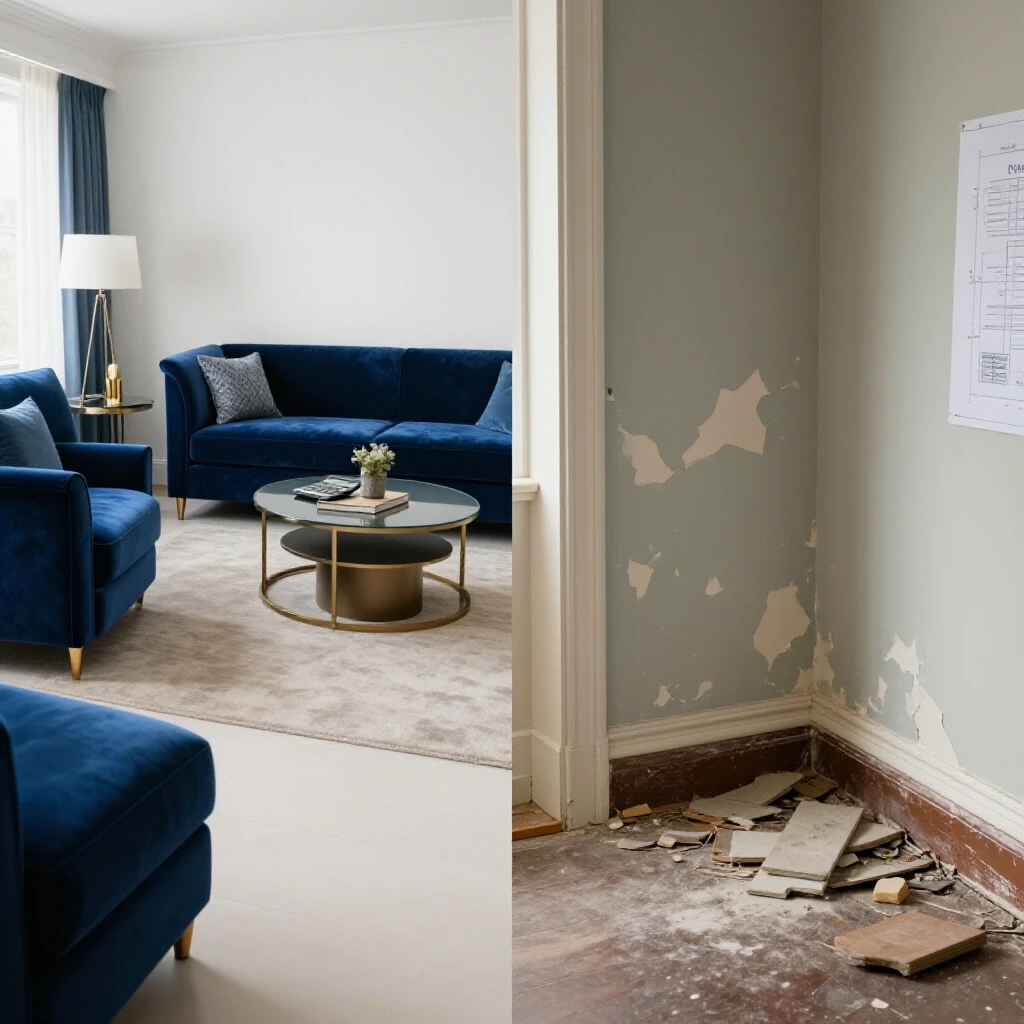
When you finally open your front door to welcome friends for the first time after a major project, the air feels different. You aren’t just showing off new cabinets or a fresh coat of paint; you are revealing a transformed lifestyle. I have spent 18 years in the dust and noise of residential construction, and I have learned that the success of that first gathering depends entirely on the invisible work done months in advance. The way a room breathes, how the light hits the table, and the ease of moving from the kitchen to the lounge are all results of rigorous planning.

In my two decades of coordinating builds, I have seen that homeowners who focus on the “guest experience” during the planning phase often have the fewest regrets. They don’t just build a kitchen; they build a hub for connection. To get there, you have to navigate the messy middle of budgets, blueprints, and building codes. This guide is designed to help you manage those technical hurdles so your home is ready for its debut without the lingering stress of overspending or poor craftsmanship.
Defining the Scope of Work for Social Spaces
A scope of work is a detailed document that lists every task, material, and expectation for your project. It acts as the “north star” for your remodel, ensuring that the final spatial flow meets your hosting needs. Without a clear scope, you risk “scope creep,” where small additions lead to massive budget increases.
When I tackled my first full-home renovation, I realized that guests don’t notice the brand of the 2x4s behind the walls, but they definitely notice if the kitchen island blocks the path to the dining room. You must define your “must-haves” based on how people will move through the house. Are you creating an open-concept area for large parties, or do you want intimate nooks for quiet dinners?
I recommend breaking your scope down by room and then by “layer.” Start with the structural changes, move to the mechanicals (like plumbing and wiring), and finish with the visible elements. For a kitchen remodel, your scope should specify the exact height of the counters and the placement of the sink. In my experience, a sink placed too far from the trash or the stove can ruin the flow of a dinner party prep session.
- Structural Layer: Walls to be moved, floor leveling, and ceiling heights.
- Mechanical Layer: Lighting zones, outlet placement for appliances, and ventilation.
- Finish Layer: Flooring types, cabinet styles, and paint sheens.
| Feature | Impact on Guest Comfort | Technical Requirement |
|---|---|---|
| Open Floor Plan | Improves conversation flow | Load-bearing beam installation |
| Recessed Lighting | Sets the evening mood | Rough-in electrical and dimmers |
| Kitchen Island | Creates a social hub | Plumbing/Electrical “island” rough-in |
| Soundproofing | Reduces noise from bathrooms | Mineral wool insulation in walls |
Budget Forecasting with RSMeans Data
Budget forecasting is the process of estimating the total investment required for your remodel based on current material and labor costs. Using tools like RSMeans provides a factual baseline for what things should cost in your specific zip code. This prevents you from being blindsided by high bids or under-budgeting for quality finishes.
Many homeowners I work with start with a “dream number” that isn’t rooted in reality. To avoid this, I use RSMeans data, which is the industry standard for construction pricing. For a mid-range kitchen remodel, you should expect to spend between $150 and $250 per square foot, depending on your location. If you are planning for high-end finishes that visitors will touch and see—like quartz counters or custom cabinetry—those numbers can quickly climb.
One of the biggest mistakes is failing to account for the “hidden” costs. When I renovated my second home, we found outdated knob-and-tube wiring behind a bathroom wall. That discovery added $3,000 to the bill instantly. This is why a contingency fund is not optional; it is a requirement for a stress-free project.
- Standard Kitchen Remodel: $65,000 – $130,000 (Mid-range).
- Standard Bathroom Remodel: $20,000 – $45,000 (Mid-range).
- Permit Fees: Usually 1% to 2% of the total project value.
- Design Fees: 10% to 15% if using an architect or interior designer.
Contingency Buffer Allocations by Property Age
| Home Age | Recommended Buffer | Reason |
|---|---|---|
| 0–10 Years | 10% | Modern codes; fewer structural surprises. |
| 11–30 Years | 15% | Potential for aging HVAC or minor plumbing leaks. |
| 31–60 Years | 20% | High chance of outdated wiring or galvanized pipes. |
| 60+ Years | 25% | Likely structural settling, mold, or lead/asbestos. |
Vetting Experts for High-Quality Finishes
Vetting is the process of thoroughly checking a contractor’s background, licenses, and past work before signing a contract. This step ensures that the people in your home are capable of delivering the level of detail that guests will admire. A poor finish on a wall or a crooked tile can be a constant distraction in an otherwise beautiful room.
In my 18 years of oversight, I have found that the “middle bid” is often the safest bet. The lowest bid often hides a lack of insurance or a plan to use inferior materials. When interviewing contractors, I ask to see their “work in progress” rather than just finished photos. You want to see how they protect a client’s home and how clean they keep the site.
I once managed a project where the homeowner hired a friend to save money. The “friend” didn’t understand how to sequence the drywall and flooring, resulting in scratches on the brand-new hardwoods before the party even started. To avoid this, use a formal interview checklist.
- Verify Licenses: Check with your state board to ensure the license is active and has no major complaints.
- Insurance Check: Ask for a Certificate of Insurance (COI) that includes both general liability and workers’ compensation.
- Reference Calls: Ask past clients if the contractor stayed on schedule and how they handled unexpected issues.
- Specialization: If you want a gourmet kitchen, hire someone who specializes in kitchens, not a general “handyman.”
The Critical Path of Construction Sequencing
Construction sequencing is the logical order in which tasks must be completed to reach the finish line. Following a “critical path” ensures that one trade doesn’t have to undo the work of another, which saves time and money. For example, you must finish the “rough-in” plumbing before you can close the walls with drywall.
I often see homeowners try to rush the process by ordering appliances before the cabinets are measured. This is a recipe for disaster. In my own renovations, I use a Gantt chart to track every phase. This helps me see how a delay in the window delivery will push back the trim work.
When you are planning for that first post-renovation dinner, the “finish” phase is what matters most. This includes the paint, the light fixtures, and the hardware. If the sequencing is off, these final touches often feel rushed. A well-sequenced project allows for a “curing period” for paint and floors so the house doesn’t smell like a chemical factory when your guests arrive.
- Phase 1: Demolition: Removing the old to make room for the new.
- Phase 2: Structural & Rough-ins: Moving walls and installing pipes/wires.
- Phase 3: Insulation & Drywall: Closing the “envelope” of the rooms.
- Phase 4: Flooring & Cabinetry: Installing the large permanent fixtures.
- Phase 5: Finish Work: Painting, tiling, and installing light fixtures.
Renovation Phase Sequencing and Guest Impact
| Phase | What Happens | Why Guests Notice |
|---|---|---|
| Rough-in | Electrical/Plumbing | Proper light switch placement and water pressure. |
| Drywall | Hanging/Taping | Smooth walls that make paint look professional. |
| Millwork | Trim and Doors | The “jewelry” of the home that adds character. |
| Punch List | Final Fixes | No loose handles or unpainted spots. |
Managing the Site and Hidden Structural Surprises
Site management involves overseeing the daily activity of workers to ensure safety, cleanliness, and adherence to the design. This is where you catch “hidden surprises” like mold or rot before they are covered up. Addressing these issues during construction is much cheaper than fixing them after the furniture is moved in.
During a kitchen remodel I coordinated, we pulled up the old linoleum and found significant water damage in the subfloor. Had we ignored it, the new tile would have eventually cracked, and a guest might have felt the floor “give” under their feet. We paused for two days to replace the wood, which was a small price to pay for long-term stability.
I recommend a “walk-through” at the end of every week. Bring your scope of work and a roll of blue painter’s tape. If you see a spot that doesn’t look right, mark it. This keeps the project moving toward a high-quality finish that will stand up to the scrutiny of visitors.
- Daily Clean-up: Ensure the crew sweeps up to prevent dust from traveling to non-renovated areas.
- Material Storage: Keep flooring and cabinets in a climate-controlled space to prevent warping.
- Structural Verification: Always have a structural engineer look at walls before they are removed.
- Communication Log: Keep a notebook of every conversation with the contractor to avoid “he said, she said” disputes.
Navigating Change Orders and Quality Control
A change order is a written amendment to the original contract that outlines changes in work, price, or schedule. Managing these carefully is the only way to keep your budget from spiraling out of control. Even a small change, like moving a light switch six inches, can cost hundreds of dollars once the walls are closed.
I advise my clients to limit change orders to “emergencies only” once construction starts. However, sometimes you see a design flaw that must be fixed. If you realize the guest bathroom door hits the vanity, you have to change it. Just make sure every change is documented and signed by both parties.
Quality control is the final step before you can truly enjoy your home. This involves a “punch list,” which is a list of minor repairs or unfinished items. Don’t make the final payment until the punch list is zeroed out. Guests will notice a missing transition strip between the kitchen and dining room, even if you’ve stopped seeing it.
- The 10% Rule: Never pay more than 10% as a down payment (check local laws).
- Milestone Payments: Pay only when specific phases (like drywall or cabinetry) are completed and inspected.
- Lien Waivers: Ensure subcontractors sign waivers stating they have been paid by the general contractor.
- Final Inspection: Confirm that all permits have been “closed out” by the city inspector.
Post-Occupancy Evaluation: The Visitor Perspective
A post-occupancy evaluation is a formal look at how the renovated space actually performs once you are living in it. This is the moment when you see the fruits of your labor through the eyes of others. It’s about checking if the “social zones” you planned actually work for hosting.
When I finished my last remodel, I invited a small group over specifically to test the kitchen flow. I noticed that everyone huddled around the end of the island, just as I had planned. The dimmable lighting I insisted on during the rough-in phase allowed us to shift the mood from “cooking” to “dining” instantly.
If you find that a certain area feels dark or a door swings the wrong way, don’t be afraid to make minor adjustments. The goal of all this technical planning was to create a home that serves your life. The best compliment a guest can give isn’t “I love your new counters,” but rather, “I feel so comfortable in your home.”
- Lighting Check: Are there any shadows in the prep areas?
- Temperature Control: Does the new layout affect the HVAC flow?
- Acoustics: Is the room too “echoey” now that the carpet is gone?
- Furniture Placement: Does the new layout allow for easy conversation?
FAQ: Managing Your Remodel for Social Success
How do I prevent my budget from blowing up when we find mold or old wiring? The only way to handle these “hidden” issues is with a 15–20% contingency fund. When you find mold, you don’t panic; you simply reallocate funds from that buffer. This keeps the project moving without a financial crisis.
What is the most important thing guests notice about a new kitchen? In my experience, it’s the “spatial flow.” Guests want to be near the action but not in the cook’s way. A wide walkway (at least 42–48 inches) around the island is the most noticed feature for comfort.
How can I tell if a contractor’s bid is realistic? Compare the bid to RSMeans data for your area. If the bid is 30% lower than the average, the contractor may be cutting corners or missing parts of the scope. A realistic bid should be detailed and transparent.
Why does the “sequencing” of a remodel matter so much? Sequencing prevents “re-work.” If you install the floors before the painters are done, you risk ruining the floors. Following a critical path ensures each trade protects the work of the one before it.
What is a “punch list” and when should I make one? A punch list is a list of small fixes needed at the end of the job. Start making this list about two weeks before the project ends. Walk through the space with a flashlight to find small dents or unpainted edges.
Should I stay in the house during a whole-home renovation? If possible, move out. The dust and noise make it very hard to manage your daily life, and it often slows down the contractors. If you must stay, create a “clean zone” that is sealed off with plastic.
How do I handle a contractor who falls behind schedule? Refer back to the timeline in your contract. Have a “projected completion date” and ask for weekly updates. If they fall behind, ask for a “recovery schedule” that shows how they will catch up.
What are lien waivers and why do I need them? A lien waiver is a document from a subcontractor saying they have been paid. This protects you from the subcontractor putting a “lien” on your house if the general contractor takes your money but doesn’t pay them.
How do I know if a wall is load-bearing? Never guess. A load-bearing wall supports the weight of the roof or the floor above. You must hire a structural engineer to verify this before any demolition begins.
What is the best way to choose lighting for hosting? Layer your lighting. Use “ambient” light for general brightness, “task” light for cooking, and “accent” light (like dimmable pendants) to create a warm atmosphere for guests.
How do I manage “change orders” without losing my mind? Get every change in writing immediately. Never agree to a price “later.” Knowing the cost upfront helps you decide if the change is actually worth the money.
What is the first thing I should do after the contractors leave? Perform a deep clean and a “post-occupancy evaluation.” Check every outlet, faucet, and cabinet door to ensure everything works perfectly before you host your first event.
(This article was written by one of our staff writers, David Langford. Visit our Meet the Team page to learn more about the author and their expertise.)