How to Repair Home Damage from Delayed Maintenance (Step-by-Step)

Maintaining a legacy property is a form of stewardship that balances the luxury of historic character with the necessity of technical vigilance. In my 17 years as a facilities technician, I have learned that the most expensive repairs almost always stem from small issues that were observed but not addressed. I once spent a summer replacing a structural sill plate because I ignored a hairline crack in the exterior lime mortar for three seasons. That experience solidified my approach to home care: treat the house as a living laboratory where every drip, draft, and creak is a data point requiring a systematic response.
Understanding Building Science for Long-Term Home Stability
Building science is the study of how heat, air, and moisture move through the physical layers of a home to ensure durability and comfort. It focuses on the “building envelope,” which is the barrier between the indoor environment and the outdoor elements. Understanding these forces helps you identify why a small failure today becomes a structural crisis tomorrow.
One of the most critical concepts is capillary action. This is the ability of water to flow upward through narrow spaces, such as the pores in concrete or the gaps between siding boards, against the force of gravity. If you have a flower bed touching your wooden siding, moisture can “wick” up into the wall cavity. Another vital concept is hydraulic pressure, where saturated soil pushes against your foundation walls. If your gutters are clogged, the water pools at the base of the house, increasing this pressure until the water finds a microscopic path into your basement.
Essential Diagnostic Tools for Early Detection
To transition from reactive repairs to proactive management, you must use the same tools professionals use to see what the naked eye cannot. These devices provide objective metrics that remove the guesswork from residential diagnostics.
- Pinless Moisture Meter: This tool uses electromagnetic signals to measure moisture content in wood and drywall up to 0.75 inches deep without leaving holes. Framing lumber should ideally stay below 12% moisture content; anything above 19% puts you at risk for wood-decay fungi.
- Thermal Imaging Camera: This allows you to see temperature differentials. In the winter, a cold spot on a ceiling might indicate missing insulation or, more critically, a slow roof leak that hasn’t yet stained the plaster.
- Digital Manometer: Used to measure gas pressure in HVAC systems and draft in chimneys. This ensures that combustion appliances are venting safely and not backdrafting carbon monoxide into the home.
- Circuit Analyzer: This goes beyond a simple outlet tester to show you the voltage drop under load. A drop of more than 5% suggests loose connections or undersized wiring that could lead to heat buildup and electrical failure.
- Laser Level: Essential for checking the slope of drainage pipes and the “settling” of floors. A standard drain pipe should have a slope of 1/4 inch per foot to prevent solids from settling and causing clogs.
Identifying Thermal and Moisture Failures
Water is the primary enemy of older homes. When I began correcting the deterioration caused by a delayed roof repair, I had to map out the “path of the drop.” This involves tracing where water enters and where it eventually settles due to gravity and the stack effect.
The stack effect is the movement of air into and out of buildings, driven by buoyancy. Hot air rises and escapes through the attic, creating a vacuum that pulls cold, moist air in through the basement. This movement can carry moisture into wall cavities where it condenses on cold surfaces. If you notice peeling paint on the exterior of an older home, it is often not a paint failure, but rather moisture from the inside trying to escape through the wood.
Symptom-to-Root-Cause Diagnostic Tree
| Observed Symptom | Potential Root Cause | Diagnostic Test |
|---|---|---|
| Efflorescence (white powder) on brick | High hydraulic pressure/Poor drainage | Check grade slope; must be 1 inch per foot for first 6 feet. |
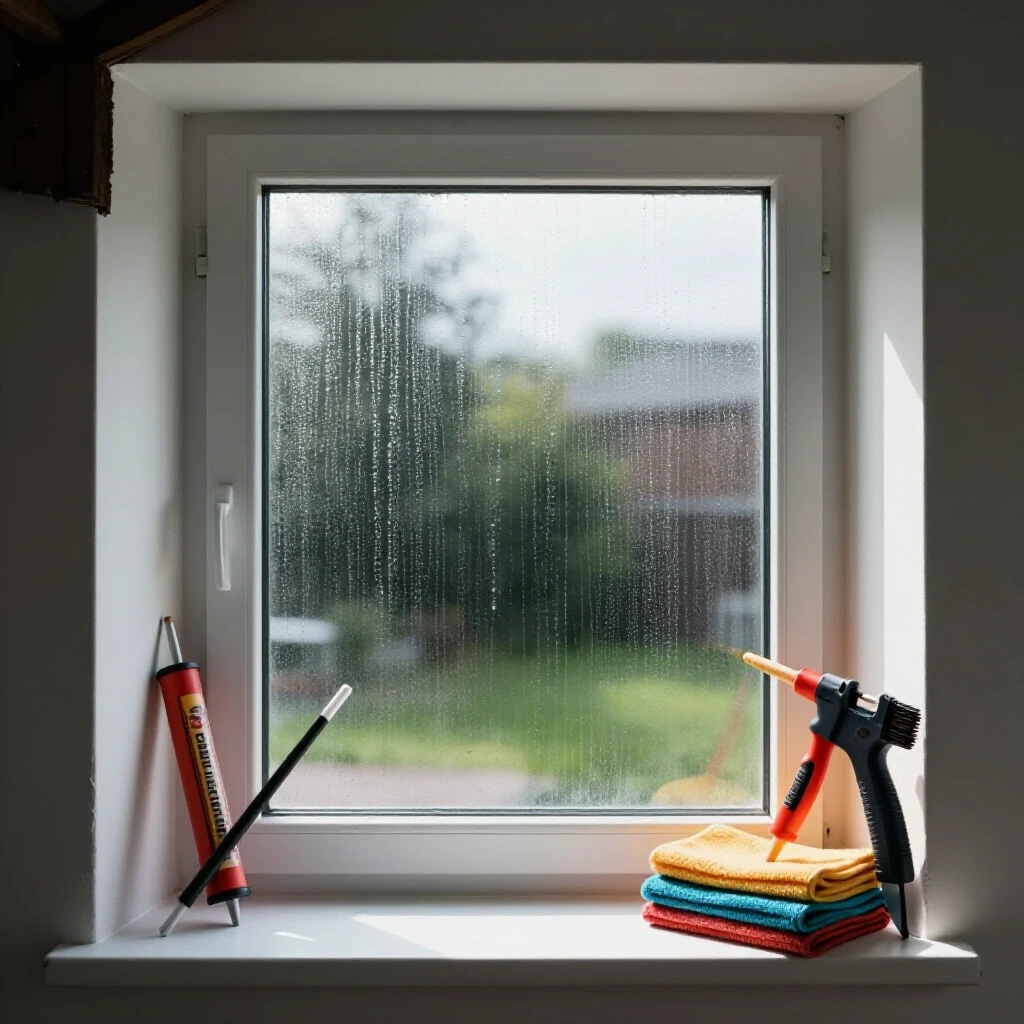
| Peeling paint near windows | Capillary wicking or failed flashing | Use moisture meter on window sill; check for “back-slope.” |
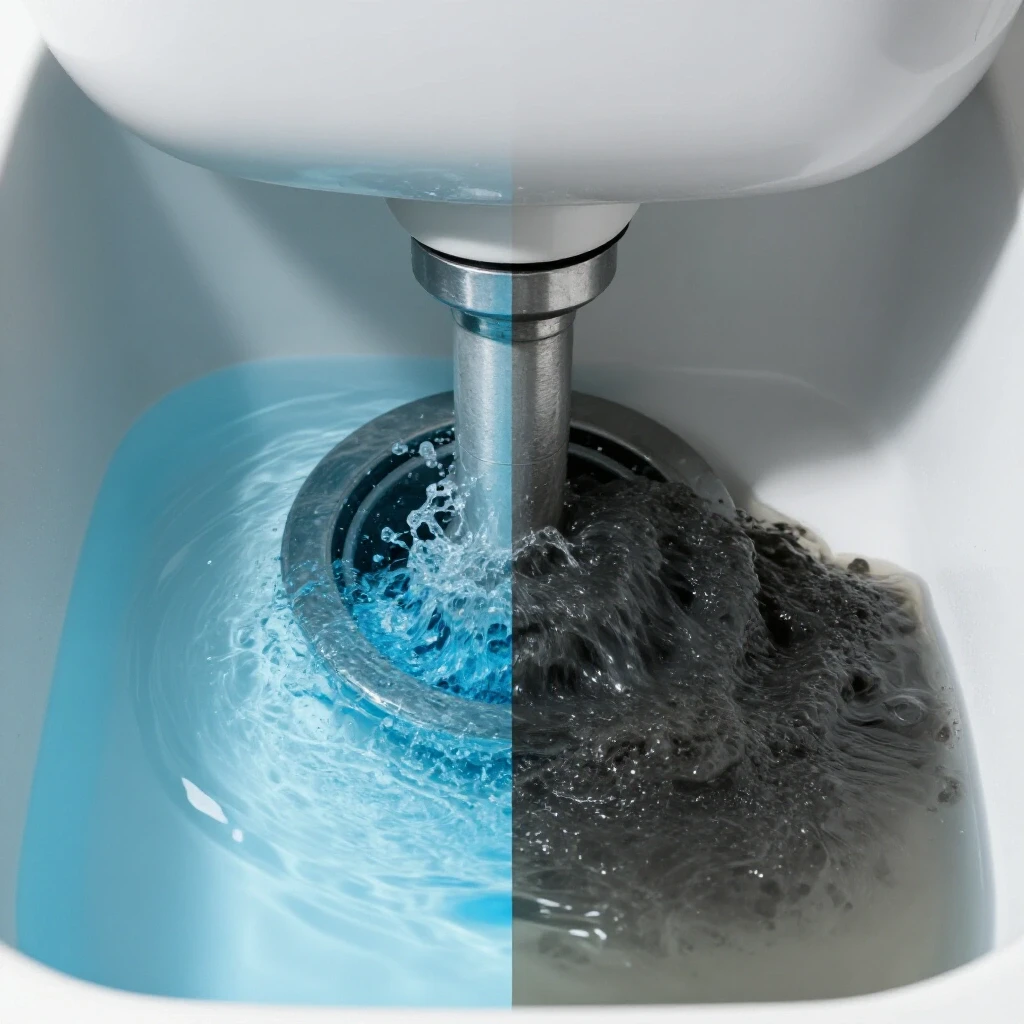
| Slow basement floor drain | Main line root intrusion or scale buildup | Camera inspection (Sewer Scope). |
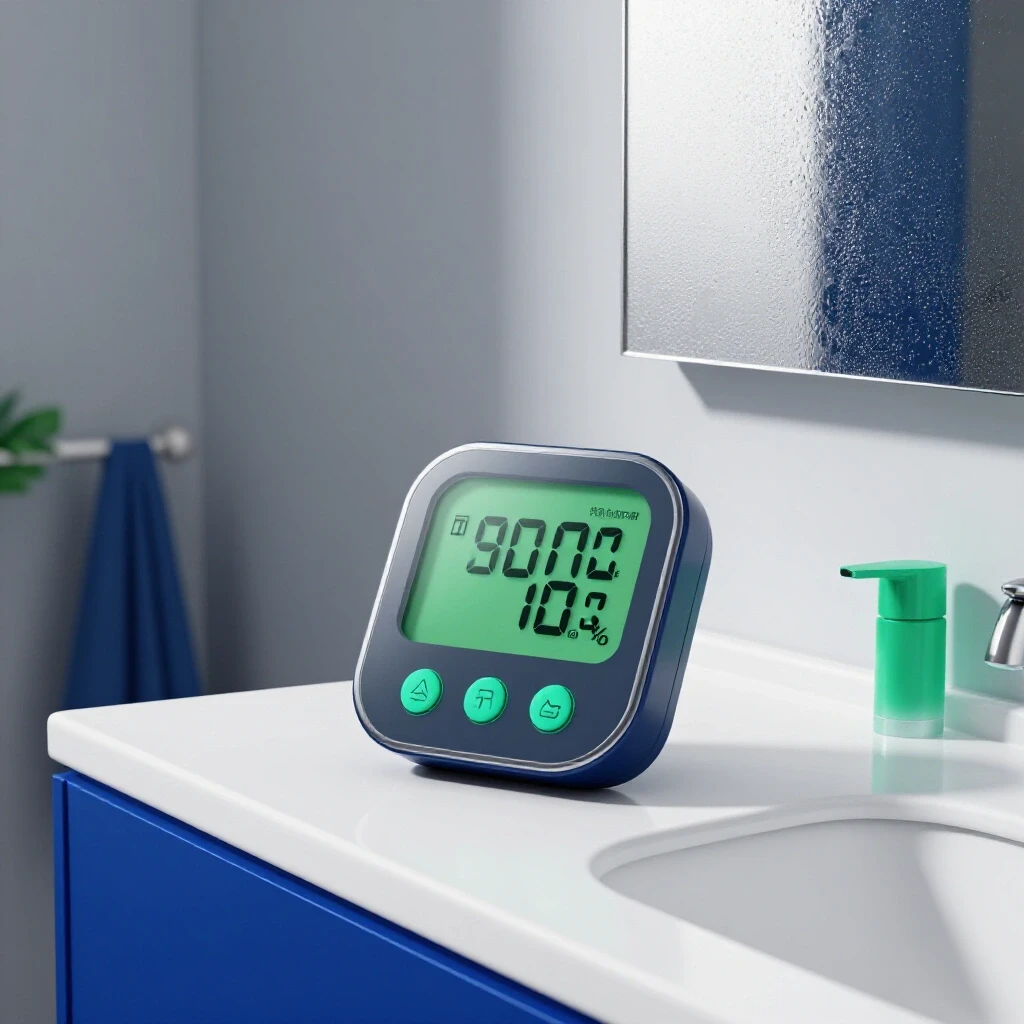
| Cupping hardwood floors | High crawlspace humidity | Check relative humidity; should be 30–50%. |
| Frequent light bulb burnouts | High voltage or loose neutral wire | Test outlet voltage; should be 114V to 126V. |
Systematic Repairs for Postponed Upkeep
When you finally address a repair that has been deferred, the work must be systematic to ensure the root cause is eliminated. In my experience, the most common error is “patching the symptom” rather than fixing the system. For example, if you find a soft spot in a floor joist due to a past plumbing leak, simply adding a new board (sistering) without treating the surrounding wood is a temporary fix.
The first step in any structural repair is stabilization. If you are working on a load-bearing element, you must use temporary jack posts to support the weight. Once the area is safe, remove all “punky” or decayed wood until you reach solid, bright timber. I recommend treating the remaining original wood with a borate-based preservative. Borates are toxic to fungi and wood-boring insects but have low toxicity to humans.
For the replacement material, ensure the moisture content matches the existing structure. If you install “wet” lumber from a big-box store into a dry, 50-year-old home, the new wood will shrink as it dries, leading to cracks in your finish work. Aim for a moisture content within 2% of the host material.
Average Repair Cost Progression Over Time
Delaying maintenance is a financial gamble where the house always wins. The following table illustrates how a minor maintenance task escalates into a major structural overhaul over five years.
| Year | Maintenance Stage | Estimated Cost | Scope of Work |
|---|---|---|---|
| Year 1 | Preventive | $50 – $100 | Cleaning gutters and applying a bead of high-quality sealant. |
| Year 2 | Minor Repair | $400 – $600 | Replacing damaged fascia boards and repainting. |
| Year 3 | Intermediate | $1,500 – $2,500 | Replacing a section of rotted roof decking and shingles. |
| Year 5 | Major Structural | $8,000 – $15,000 | Repairing damaged rafters, interior ceiling, and mold remediation. |
Why Moisture Control Matters Most
Controlling moisture is the cornerstone of structural protection. In older homes, the basement is often the source of most issues. If your basement feels damp, check your water pressure. Standard residential water pressure should be between 40 and 60 PSI. If it exceeds 80 PSI, it can cause “water hammer,” which stresses joints and leads to the very pinhole leaks that cause hidden rot behind walls.
Another factor is the “dew point” within your walls. If you add high-efficiency insulation to an old wall without a proper vapor barrier, you might move the dew point to the interior of the wood framing. This causes water to condense inside the wall, leading to rot that you won’t see until the structural integrity is compromised. Always consult a building science professional before significantly changing the “r-value” (thermal resistance) of an older home’s envelope.
Building a Multi-Year Prevention Program
To avoid the stress of unexpected failures, I utilize a rolling maintenance schedule. This moves the homeowner from a state of “fixing what is broken” to “maintaining what is working.”
- Quarterly: Test GFCIs (Ground Fault Circuit Interrupters) and AFCIs (Arc Fault Circuit Interrupters). These safety devices are prone to mechanical failure over time. According to the CPSC, a failed GFCI is a leading cause of preventable electrical shocks.
- Bi-Annually: Inspect the attic for signs of pests or moisture. Look for “compressed” insulation, which loses its R-value when wet or trampled.
- Annually: Flush your water heater to remove sediment. Sediment acts as an insulator, forcing the burner to run longer and eventually “baking” the bottom of the tank until it fails.
- Every 5 Years: Conduct a full exterior envelope audit. This includes checking the “bead” of all window sealants and the integrity of the masonry mortar.
Transitioning to Professional Help
Knowing when to step aside is as important as knowing how to use a wrench. As a rule of thumb, if a repair involves the main electrical panel, structural load-bearing walls, or gas lines, it is time to call a licensed professional.
When hiring, ask for their “diagnostic process” rather than just a quote. A quality contractor will use many of the tools mentioned above, like thermal cameras or moisture meters, to justify their repair plan. If a contractor suggests a major repair based only on a visual “walk-through” without taking measurements, seek a second opinion.
Practical Steps for Immediate Action
If you are currently facing a situation where upkeep has been postponed, do not panic. Start by stabilizing the environment. If there is a leak, shut off the water. If there is moisture, run a dehumidifier to bring the relative humidity below 50%.
Once the environment is stable, use a moisture meter to map the extent of the damage. Mark the boundaries with a pencil and check them again in 48 hours. If the boundaries are growing, the source of the moisture is still active. This systematic approach ensures that when you do perform the repair, you are doing it once and doing it correctly.
Frequently Asked Questions
How can I tell if a crack in my foundation is serious? Monitor the crack for movement. Horizontal cracks or cracks wider than 1/4 inch are often signs of structural stress from hydraulic pressure. Vertical hairline cracks are common in older homes due to natural settling, but they should still be sealed to prevent moisture intrusion.
What is the “stack effect” and how does it impact my heating bills? The stack effect occurs when warm air escapes through the top of your house (attic), creating a vacuum that pulls cold air in through the bottom (basement). This constant cycle forces your HVAC system to work harder. Sealing “top-plate” leaks in the attic is often more effective than replacing windows for energy efficiency.
Is it safe to “sister” a joist myself? It is safe if you understand the load paths. You must use the same dimension of lumber, overlap the damaged area by at least three feet on both sides, and use structural screws or bolts in a staggered pattern. If the joist is under a heavy load like a bathtub or kitchen island, consult a structural engineer.
What moisture level is considered “rotted” in wood framing? Wood rot is caused by fungi that become active when wood moisture content exceeds 20% for an extended period. If your moisture meter reads 12-15%, the wood is safe. If it hits 25-30%, active decay is likely occurring.
Why shouldn’t I use standard caulk for all exterior gaps? Different materials expand and contract at different rates. For masonry-to-wood joints, you need a high-movement polyurethane sealant. Standard silicone or latex caulk may pull away after one season, allowing capillary action to pull water into the gap.
How do I know if my attic ventilation is sufficient? A general rule is 1 square foot of vent area for every 150 square feet of attic floor. If you see frost on the underside of your roof sheathing in winter or if your attic is more than 20 degrees hotter than the outside temperature in summer, your ventilation is likely inadequate.
What are the signs of a failing electrical circuit before it trips? Watch for flickering lights when a large appliance (like a vacuum) starts, or outlets that feel warm to the touch. These are signs of high electrical resistance, which generates heat and can lead to a fire. Use a circuit analyzer to check for excessive voltage drop.
How often should I check my sump pump? Test it every three months by pouring water into the pit until the float triggers. Sump pumps have a typical lifespan of 7 to 10 years. If yours is older, consider a battery-powered backup system to prevent basement flooding during power outages.
What is efflorescence and is it dangerous? Efflorescence is the white, powdery salt deposit left on masonry when water evaporates. It isn’t dangerous itself, but it is a “canary in the coal mine” indicating that water is moving through your foundation walls.
Can I use a thermal camera to find mold? No, thermal cameras detect temperature, not mold. However, they find the “wet spots” where mold is likely to grow. If you find a cold spot on a warm wall, it usually indicates moisture, which is the prerequisite for mold growth.
(This article was written by one of our staff writers, Daniel Whitaker. Visit our Meet the Team page to learn more about the author and their expertise.)