Entryway Storage Ideas to End Backpack Clutter (Easy Guide)

Have you ever walked through your front door at the end of a long day only to trip over a mountain of nylon bags, discarded shoes, and crumpled permission slips? For many families, the transition from the school bus to the living room creates a logistical bottleneck that triggers instant mental fatigue. This daily influx of items often feels impossible to manage, regardless of how many times we “tidy up” the entrance.
Understanding the Logistics of Entryway Item Flow
Spatial logistics in a home setting refers to the movement of people and objects through physical boundaries. It focuses on how efficiently items enter, stay, and leave a room based on the frequency of use and the physical effort required to store them. By viewing your home through the lens of a supply chain, you can identify where “inventory” (school gear) gets stuck.
In my 11 years managing operations, I have learned that a system fails when the “processing time” exceeds the user’s patience. In our home, we initially installed a beautiful cabinet with heavy doors and internal shelves to hide the school gear. It looked great in photos, but it was a logistical disaster. My children had to open a door, find an empty spot, and slide a heavy bag onto a shelf. This created high “retrieval friction.”
Retrieval friction is the number of physical steps required to put an item away or take it out. If a task takes more than two steps, the likelihood of a child—or a tired adult—completing it drops significantly. We found that the bags ended up on the floor because the floor has zero friction. To fix this, we had to move toward “one-motion” storage solutions for families.
The Impact of Spatial Capacity Limits
Spatial capacity is the maximum amount of volume a storage area can hold before it loses its functional utility. When an entryway is pushed beyond its capacity, items begin to spill into walkways, creating a “clutter creep” that affects the entire house. Measuring your available wall and floor space against the actual volume of your family’s gear is the first step in sustainable decluttering.
- Standard Backpack Volume: 20 to 30 liters.
- Average Footprint per Child: 2.5 square feet for bags and shoes.
- Vertical Utility: 70% of entryway walls are often underutilized.
| Storage Type | Steps to Store | Friction Level | Success Rate |
|---|---|---|---|
| Open Wall Hook | 1 | Very Low | 95% |
| Floor Basket | 1 | Low | 85% |
| Cabinet with Door | 3 | High | 40% |
| Lidded Trunk | 3 | High | 25% |
Why High-Friction Systems Lead to Rapid Clutter Reversion
Environmental psychology examines the relationship between individuals and their surroundings. In the context of a home entrance, it explores how visual clutter increases cortisol levels and why “open-loop” systems cause mental fatigue. When a storage system is too complex, our brains perceive the act of tidying as a high-energy task, leading to procrastination.
Interestingly, research in organizational behavior suggests that “visual noise” competes for our attention. When you walk into a home filled with scattered items, your brain is forced to process those objects as “unresolved tasks.” This is why you feel tired the moment you step inside. To combat this, we need to design systems that align with natural human behavior rather than fighting against it.
In my own family, I noticed that the “drop zone” was always the kitchen island. Why? Because it was the first flat surface available. We weren’t failing at being organized; we were simply following the path of least resistance. To reduce household clutter, we had to move the “drop zone” closer to the door and make it easier to use than the kitchen counter.
Reducing Cognitive Load Through Visual Simplicity
Cognitive load refers to the amount of mental effort being used in the working memory. A disorganized entryway forces you to make dozens of micro-decisions: “Where is the library book? Where are my keys? Did the toddler leave a shoe in the hall?” By creating a predictable, low-maintenance system, you eliminate these decisions, preserving your mental energy for more important things.
- Decision Fatigue: The decline in the quality of decisions made after a long period of decision-making.
- Visual Processing Overload: When the environment provides more data than the brain can comfortably interpret.
- System Feedback Loops: When a full hook or overflowing bin signals that it is time to purge.
Designing a High-Efficiency Transition Zone
Zoning is the practice of dividing a room into specific activity areas based on functional needs. By creating a dedicated “transition zone” near the entrance, we can contain the spread of school-related items. This prevents gear from migrating into living spaces where it doesn’t belong, effectively creating a “quarantine” for daily clutter.
When we redesigned our entryway, we used a “Zoning Map.” We assigned specific heights for each family member based on their physical reach. My youngest child’s hook was placed at 36 inches, while the adults’ hooks were at 60 inches. This simple ergonomic adjustment ensured that everyone could interact with the system without help.
Sustainable storage systems must also account for “surge capacity.” On Mondays, the entryway might only hold backpacks. On Fridays, it might need to hold gym bags, musical instruments, and art projects. Designing for the peak volume rather than the average volume prevents the system from breaking during busy weeks.
Mapping Your Entryway Flow
A functional home storage plan starts with a spatial audit. Observe your family for three days. Where do they naturally drop their things? Instead of trying to change their habits, place your storage solutions exactly where those items land. This is the secret to a functional home storage layout that actually lasts.
- Identify the Primary Drop Point: Locate where the “clutter pile” naturally forms.
- Measure the Volume: Count the number of bags, coats, and shoes that need a home.
- Clear the Path: Ensure there is at least 36 inches of walking space in the corridor.
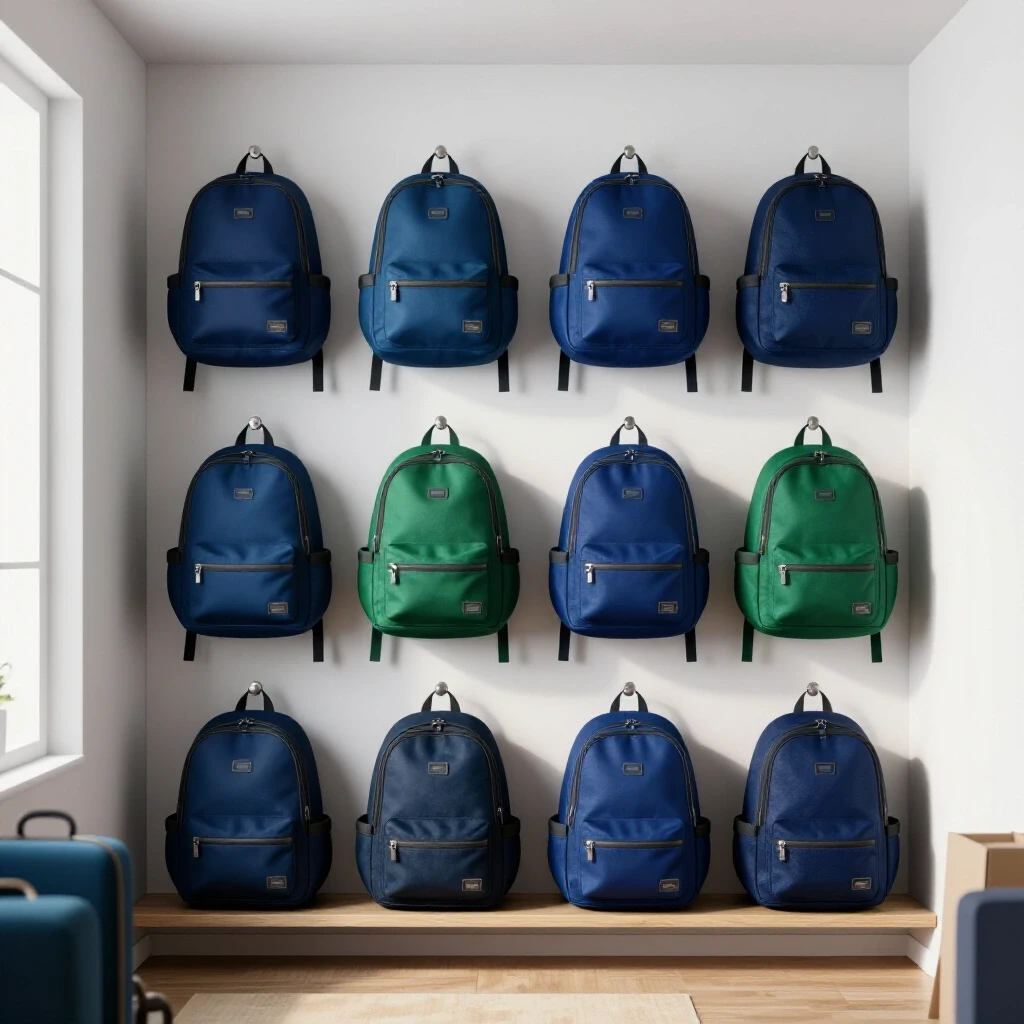
- Install Vertical Support: Use wall-mounted hooks to move items off the floor.
- Define Boundaries: Use rugs or floor markers to show where shoes should live.
Selecting Low-Maintenance Storage Gear
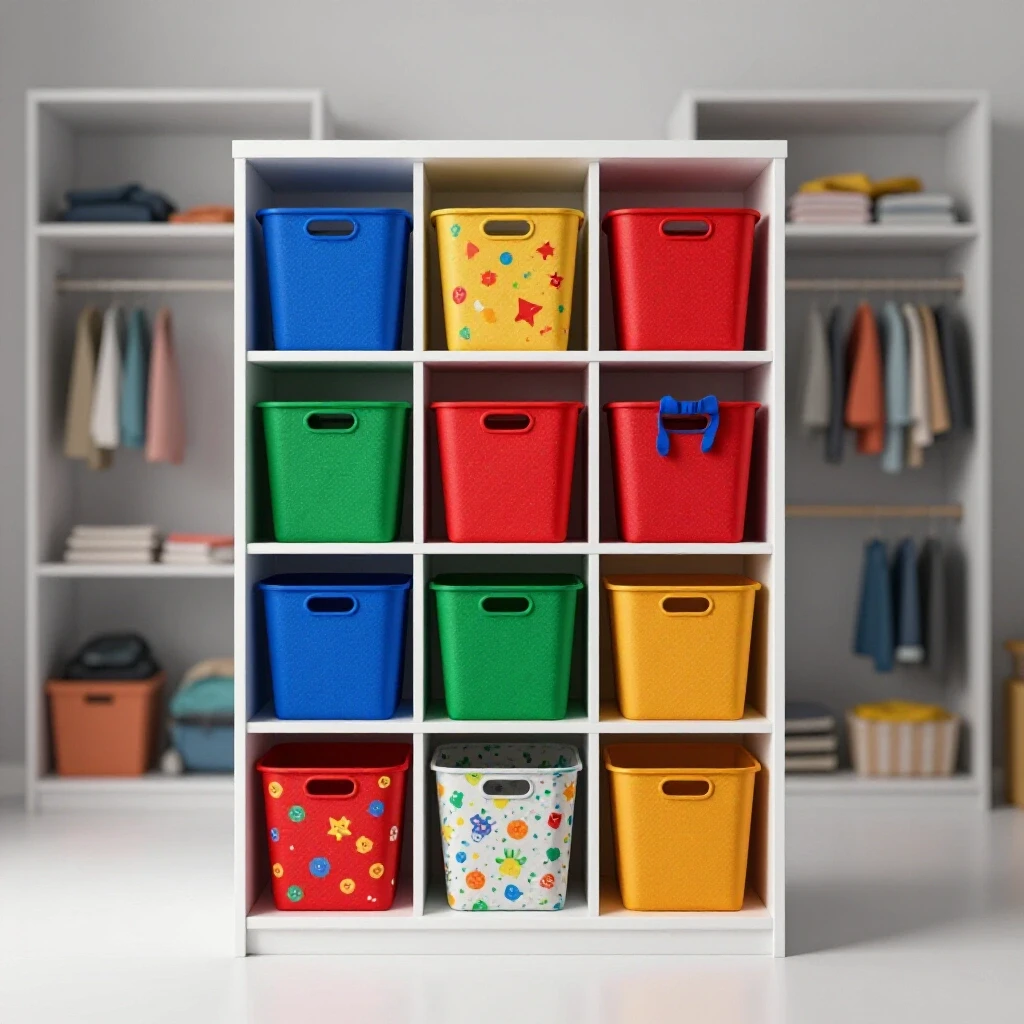
Container selection is the process of choosing physical tools to hold items. For a busy family, the best containers are those that require no “fine motor skills” to use. This means choosing open bins over lidded boxes and heavy-duty hooks over hangers. The goal is to make the right choice the easiest choice.
In our home organization systems, we transitioned to “industrial-grade” hardware. School backpacks are surprisingly heavy, often weighing between 10 and 15 pounds. Standard decorative hooks often pull out of the drywall after a few months. We switched to double-prong hooks rated for 50 pounds, mounted directly into wall studs. This eliminated the frustration of broken hardware and sagging shelves.
We also moved away from “opaque” storage. While solid bins hide clutter, they also hide the items you need. This leads to “out of sight, out of mind,” which causes kids to dump the entire bin on the floor to find one pair of mittens. Transparent or mesh bins allow for quick visual scanning, reducing the time spent searching for gear.
The Storage Friction Index
When choosing gear, I use a metric I call the “Friction Score.” We want to keep daily-use items at a score of 1. Items used once a week can have a score of 3. Seasonal items, like snow boots in July, can have a score of 5 because we don’t mind digging them out of a closet once a year.
- Score 1 (One Motion): Grabbing a bag off a hook.
- Score 2 (Two Motions): Opening a bin and pulling out a hat.
- Score 3 (Three Motions): Opening a closet, moving a coat, and reaching a shelf.
- Score 5 (Five+ Motions): Getting a ladder, reaching a high shelf, and opening a taped box.
Building Systematic Habit Loops for the Whole Family
Maintenance systems are the repeatable habits that ensure a storage solution remains functional over time. These systems rely on “habit stacking,” which is the practice of tethering a new habit to an existing one. For example, “When I take off my shoes (existing habit), I immediately hang my bag (new habit).”
To make our decluttering journey successful, we implemented a “Three-Minute Reset” every evening. At 7:00 PM, an alarm goes off, and everyone spends exactly 180 seconds clearing the entryway. Because we designed a low-friction system, three minutes is actually enough time to put everything back in its place. This prevents the “clutter reversion” that usually happens within days of a big clean.
We also use “Visual Labels.” For younger children who can’t read yet, we used small icons or photos of the items that belong in a specific bin. This provides immediate feedback on where an object belongs. It removes the “I don’t know where it goes” excuse that often leads to items being left on the floor.
Daily Maintenance Timelines by Family Size
The amount of time required to maintain a tidy space scales with the number of residents. However, with a functional system, the time per person remains low. If your daily cleanup takes longer than these averages, your system likely has too much friction.
| Family Size | Daily Reset Time | Weekly Deep Sort | Monthly Purge |
|---|---|---|---|
| 2 People | 2 Minutes | 10 Minutes | 20 Minutes |
| 4 People | 4 Minutes | 15 Minutes | 30 Minutes |
| 6 People | 6 Minutes | 20 Minutes | 45 Minutes |
Avoiding Common Organizing Mistakes
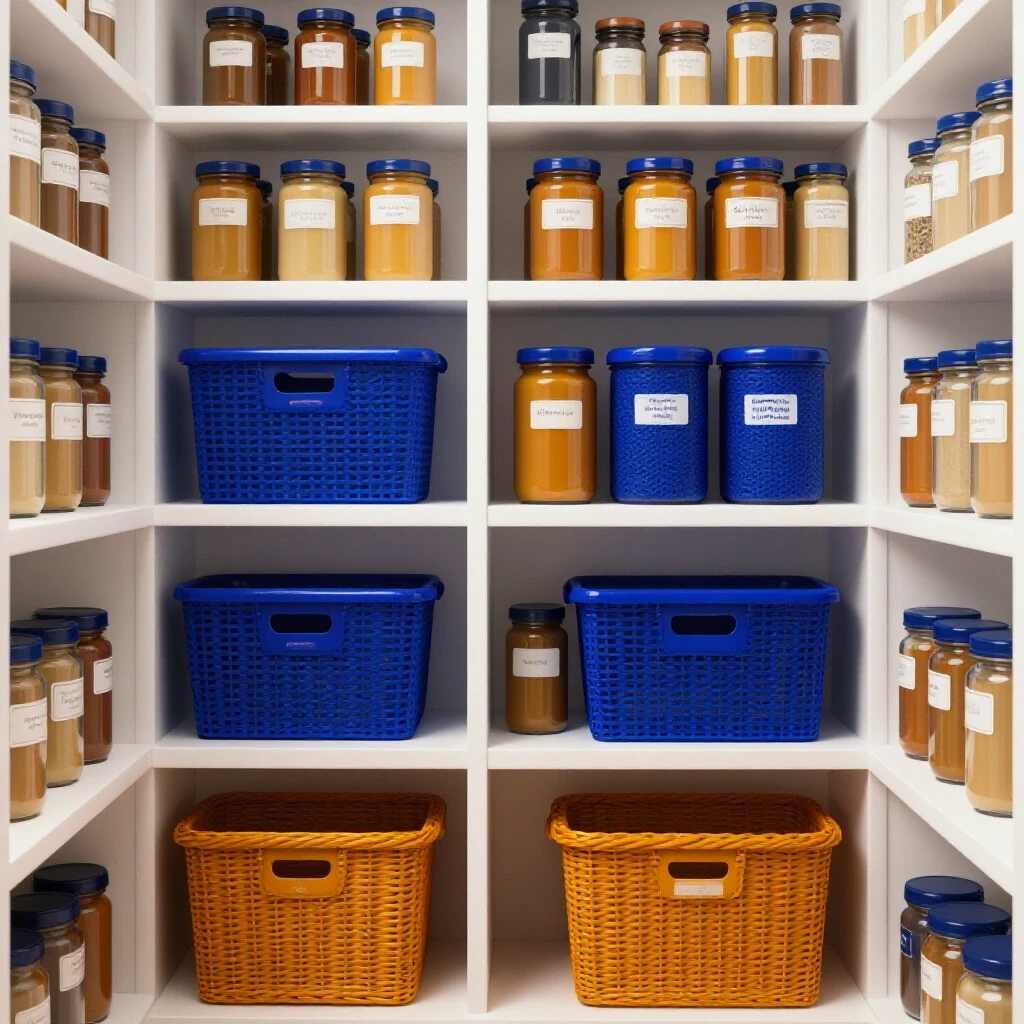
Many parents fall into the trap of “aesthetic organizing.” This is when you buy matching baskets and labels because they look beautiful on social media, but they don’t actually fit your lifestyle. If a basket is too small for a winter coat, it will sit empty while the coat stays on the floor. Always prioritize “utility-to-volume” ratios over appearance.
Another common error is failing to account for “inflow control.” No matter how good your storage is, it will fail if you keep bringing more items into the house than you remove. We follow a “one-in, one-out” rule for shoes and coats. If a child gets a new pair of sneakers, the old ones are donated or moved to long-term storage immediately.
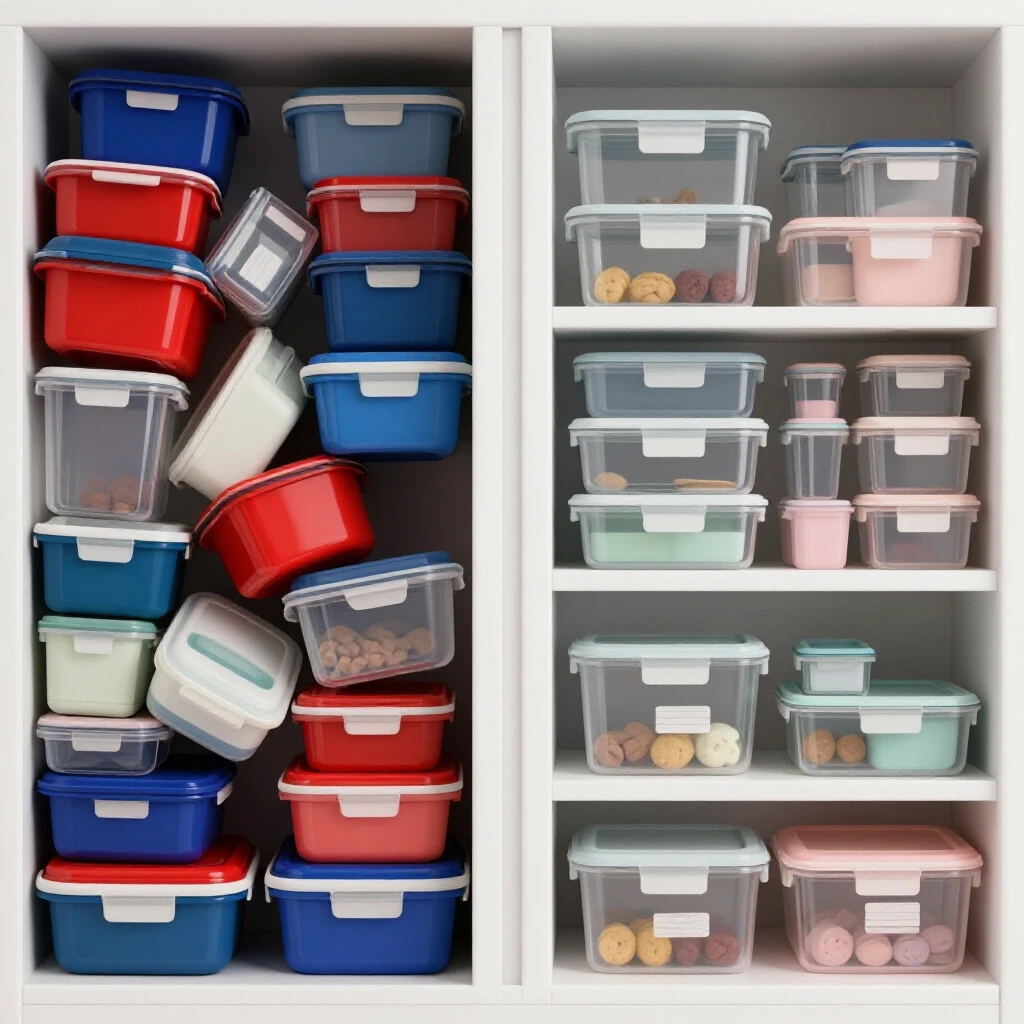
Finally, avoid “monolithic storage.” This is one giant bin where everything (hats, gloves, balls, mail) gets tossed together. This creates a “junk drawer” effect on a larger scale. Instead, use “micro-zoning” to give each category a small, dedicated home. This reduces the time spent sorting and makes retrieval nearly instantaneous.
Five Steps to a Sustainable Entryway
- Stop the Bleeding: Clear the floor entirely to see the true footprint of your space.
- Audit the Load: Count every item that currently lives in the entryway.
- Increase Hook Density: Install more hooks than you think you need (3 per person is ideal).
- Lower the Bar: Move storage down to the eye level of the shortest family member.
- Test the Friction: If an item stays on the floor for three days, the storage for that item is too hard to use.
The Long-Term Benefits of Functional Systems
Designing a low-maintenance entryway is about more than just a tidy house. It is about reducing the “micro-stresses” that accumulate throughout the day. When you can walk out the door in the morning without searching for a lost shoe, your entire day starts with a sense of calm and control.
By applying logistical principles like friction reduction and spatial zoning, you create a home that supports your family’s busy life rather than adding to the burden. This shift from “cleaning” to “managing systems” is the key to breaking the cycle of clutter reversion. It allows you to spend less time managing your stuff and more time enjoying your home.
Remember, the goal isn’t a museum-quality space that never changes. The goal is a resilient system that can handle the chaos of a Tuesday afternoon and be reset in under five minutes. When the system works for the family, the family stops working for the system.
Frequently Asked Questions
Why do my children still leave their bags on the floor even though we have hooks? This usually happens because the hooks are either too high, too crowded, or require too much effort to reach. Check if the child has to move another coat to reach their hook. If the “friction” is higher than the effort of dropping it on the floor, the floor will always win. Try lowering the hooks and ensuring each bag has its own dedicated, unobstructed space.
How many hooks should I realistically have for each family member? A good logistical rule of thumb is three hooks per person. One is for the primary daily bag (backpack or work bag), one is for the current season’s heavy coat, and the third is for “transient” items like an umbrella, a hat, or a library bag. Overloading a single hook creates a “clutter pile” on the wall that eventually falls over.
What is the best height for children’s storage? For children aged 3 to 6, hooks and bins should be placed between 28 and 36 inches from the floor. For ages 7 to 12, move them up to 40 to 48 inches. Placing storage at their natural eye level and arm’s reach reduces the physical effort required to be organized and fosters independence.
How do I handle wet or muddy gear without ruining the system? Incorporate a “wet zone” using a heavy-duty rubber tray with a raised lip. This tray should be placed directly under the hooks. This allows water to drip off coats and bags into a contained area that can be easily wiped down. Using ventilated mesh bins for shoes also allows for airflow, preventing odors and moisture buildup.
What should I do if my entryway is just a tiny hallway with no room for furniture? Focus entirely on “vertical real estate.” Use wall-mounted rails with adjustable hooks to maximize every inch of wall space. You can also install a high shelf near the ceiling for seasonal items and use the space behind the door for a slim-profile shoe rack. In small spaces, “zero-footprint” storage (items that don’t touch the floor) is essential.
How often should I purge the items in the entryway? A “Seasonal Pivot” is the most effective way to manage volume. Every three months, remove everything that isn’t appropriate for the current weather. If it’s spring, move the heavy parkas and snow boots to a closet or under-bed storage. Reducing the “active inventory” in the entryway makes the remaining items much easier to manage.
Why do expensive, “built-in” mudroom systems often fail for real families? Many built-in systems are designed for aesthetics rather than ergonomics. They often feature deep cubbies that are hard to reach into or beautiful doors that add two extra steps to the storage process. A simple wall with sturdy hooks and open floor bins often outperforms a $5,000 custom cabinet because it has lower operational friction.
How can I stop the “paper clutter” that comes home in backpacks? Create a “One-Way Paper Station” right next to the bag hooks. This should include a recycling bin and a single “Action Folder.” As soon as the bag is hung, the parent or child pulls out papers, tosses the trash, and puts “must-sign” items in the folder. This prevents the “backpack shuffle” where papers get lost at the bottom of the bag for weeks.
(This article was written by one of our staff writers, Christopher Bennett. Visit our Meet the Team page to learn more about the author and their expertise.)