How to Replace a Bathroom Sink Stopper Easily (Step-by-Step Guide)

Tying into smart living often means maintaining the small mechanical systems that keep a home running smoothly without constant intervention. A functioning drain assembly is a cornerstone of a well-maintained bathroom, preventing slow leaks that damage vanities and ensuring water stays where it belongs during use. While modern homes are filled with complex technology, the simple mechanical leverage of a sink drain remains a vital component that requires occasional attention to prevent water damage and maintain hygiene.
Evaluating the Mechanics of Sink Drainage Systems
Understanding how the lift rod, pivot arm, and stopper interact is the first step toward a successful repair. These components work through simple leverage to seal or open the drain, and identifying which part has corroded or snapped determines the scope of your weekend project. Most residential sinks use a standard pop-up assembly that relies on a physical connection between the handle behind the faucet and the plug in the basin.
In my twelve years as a facilities manager, I have seen that most drainage failures are not catastrophic pipe bursts but rather the slow degradation of moving parts. Over time, hair, soap scum, and mineral deposits build up on the pivot ball and the stopper itself. This buildup creates friction, eventually snapping the thin metal rods or causing the rubber gaskets to lose their seal. When I worked on my first fixer-upper, I ignored a “sticky” drain handle for months until the pivot rod finally rusted through, leaving the sink permanently stuck in the closed position on a Monday morning.
Before you begin, it is important to identify the type of assembly you have. Most bathroom sinks utilize a 1-1/4 inch diameter tailpiece. The Uniform Plumbing Code (UPC) generally dictates this size for lavatory sinks to ensure proper flow rates and trap seals. You will typically find two main styles: the traditional lift-rod style and the modern “push-button” or “click-clack” style. The lift-rod version is more common in older homes and requires more precise calibration of the mechanical linkage under the sink.
Essential Equipment for Drain Component Replacement
Having the correct tools on hand prevents the frustration of mid-project hardware store runs. For this task, you need a mix of basic hand tools and specific plumbing supplies like plumber’s putty or silicone to ensure a watertight seal that lasts for years. Using the wrong tool, like a serrated pipe wrench on a finished decorative nut, can mar the metal and lead to aesthetic regrets.
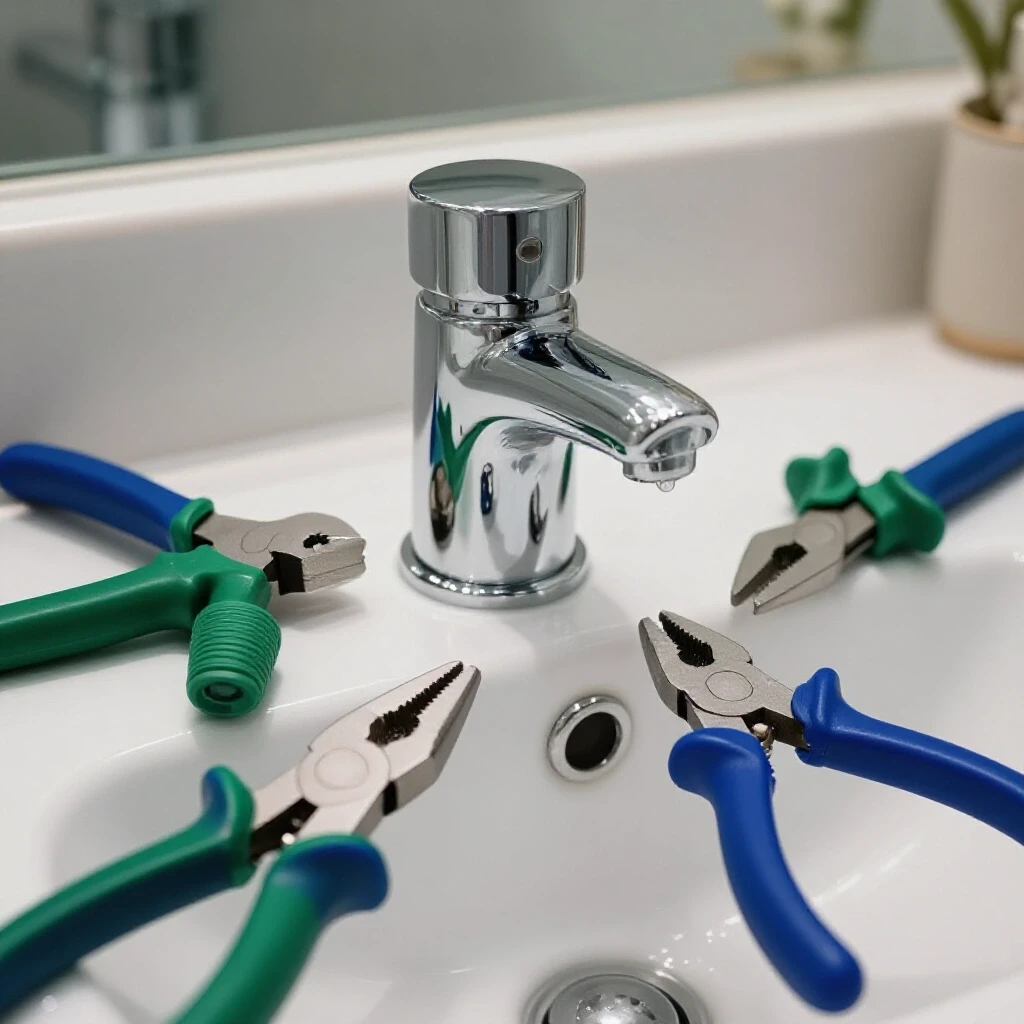
- Tongue-and-groove pliers: Often called Channellocks, these are necessary for loosening the large mounting nut under the sink.
- Adjustable wrench: Useful for the smaller nuts on the pivot rod assembly.
- Plumber’s putty or 100% Silicone: This creates the primary seal between the sink basin and the drain flange. Note that some stone countertops, like unsealed marble, can be stained by the oils in plumber’s putty; in those cases, use a high-quality silicone.
- Small bucket or tray: You will need this to catch the “gray water” sitting in the P-trap when you disconnect the pipes.
- Old rags and a non-abrasive scrub pad: Essential for cleaning the sink surface once the old hardware is removed.
- Flashlight or headlamp: Working inside a dark vanity cabinet is difficult without a dedicated light source.
| Tool/Material | Necessity | ROI for Future Projects |
|---|---|---|
| Tongue-and-Groove Pliers | Essential | High (Used for all plumbing) |
| Plumber’s Putty | Essential | Moderate (Inexpensive, dries out over years) |
| Headlamp | Recommended | High (Great for electrical and attic work) |
| Basin Wrench | Optional | Low (Specific to tight faucet nuts) |
Safety Protocols and Workspace Preparation
Safety in plumbing projects often involves protecting your physical health from ergonomic strain and your home from water damage. Before any disassembly begins, you must clear out the vanity and ensure you have a stable position to work in, as neck and back strain are common when reaching behind a sink bowl. Interestingly, many DIY injuries occur simply from bumping one’s head on the sharp edges of the cabinet or the garbage disposal.
I always recommend wearing safety glasses when working under a sink. Years of facilities maintenance taught me that old pipes often drop flakes of rust or dried minerals directly into your eyes the moment you jar them loose. Furthermore, check for any electrical outlets or power strips inside the vanity. If you have a plug-in water heater or a nearby outlet, ensure it is protected from potential splashes.
- Water Shut-off: While you aren’t working on the pressurized supply lines, it is a best practice to turn off the shut-off valves under the sink. This prevents accidental flooding if you bump a handle while maneuvering the pliers.
- Containment: Place your bucket directly under the P-trap. Even a small amount of stagnant water can cause a lingering odor if it soaks into the wooden base of your vanity.
- Ventilation: If you are using silicone or a heavy-duty cleaner, ensure the bathroom door is open or the exhaust fan is running to manage fumes.
Step-by-Step Guide to Replacing a Pop-up Assembly
This process involves disconnecting the mechanical linkage under the sink, removing the old flange, and seating the new hardware. Precision in applying sealant and adjusting the pivot rod height is critical for a smooth-operating handle and a leak-free basin. Following a logical sequence prevents the “oops” moment of realizing you forgot to install a gasket after the pipes are already tightened.
Phase 1: Disassembly and Removal
Start by crawling under the sink and locating the horizontal pivot rod. This rod is held in place by a small metal clip (the clevis clip) that connects it to the vertical perforated strap hanging from the faucet. Squeeze the clip and slide the rod out. Once disconnected, unscrew the large nut holding the pivot rod into the drain pipe. You can now pull the old stopper out from the top of the sink.
Building on this, you must now remove the entire drain flange. Use your pliers to loosen the large mounting nut located directly against the underside of the sink basin. Once that nut and the thick rubber gasket are slid down, you can push the entire tailpiece up through the sink hole. If the old plumber’s putty has hardened, you might need to give it a firm upward shove or a gentle tap with a rubber mallet.
Phase 2: Cleaning and Surface Prep
This is the most overlooked step in DIY home improvement. Once the old flange is gone, you will likely see a ring of black gunk and hardened putty. Use a plastic putty knife or a non-abrasive scrub pad to clean the sink surface. Any debris left behind will prevent the new sealant from bonding, which is a leading cause of slow leaks. I once rushed this step on a guest bathroom project and had to take the whole thing apart two days later because of a pinhole leak caused by a tiny shard of old putty.
Phase 3: Sealing and Seating the New Hardware
Roll a piece of plumber’s putty between your hands until it looks like a “snake” about the thickness of a pencil. Wrap this ring around the underside of the new drain flange. If you are using silicone, apply a consistent bead around the opening. Insert the flange into the sink hole. From underneath, slide the friction washer and the thick rubber gasket back onto the tailpiece, then thread the mounting nut on by hand.
As you tighten the nut with your pliers, the sealant will squeeze out around the flange in the basin. This is exactly what you want to see. Tighten the nut until it is firm, but do not over-tighten; you can crack a porcelain sink if you apply too much torque. Wipe away the excess putty with a rag.
Phase 4: Calibrating the Linkage
Insert the new stopper into the drain from above. Under the sink, insert the horizontal pivot rod into the hole in the tailpiece, ensuring the end of the rod passes through the loop at the bottom of the stopper. Tighten the pivot nut. Now, connect the horizontal rod to the vertical strap using the metal clip. This is where you adjust the height. You want the stopper to sit high enough to drain quickly but low enough to form a tight seal when the handle is pulled.
| Project Phase | Active Time | Effort Level (1-10) |
|---|---|---|
| Disassembly | 20 Minutes | 4 |
| Cleaning | 15 Minutes | 3 |
| Installation | 30 Minutes | 5 |
| Calibration/Testing | 15 Minutes | 2 |
Why Skipping Dry-Fitting Leads to Project Failure
While “dry-fitting” is a term usually reserved for PVC pipe glue-ups, a similar concept applies here. Before you apply any putty or silicone, do a test run of the assembly. Drop the stopper in and see how the rod interacts with it. Sometimes, the new tailpiece might be slightly longer than the old one, requiring you to trim the pipe or adjust your P-trap height.
Manufacturers often provide technical guides that specify the maximum sink thickness their hardware can accommodate. If your vanity has a particularly thick vessel sink, a standard pop-up kit might not have enough thread length. Checking this during a dry-fit saves you from getting putty everywhere only to realize the parts don’t fit. In my experience, a 15-minute dry-fit prevents an hour of messy cleanup and a return trip to the store.
Common Troubleshooting Scenarios
Even with careful execution, minor issues can arise during the final testing phase. The most common problem is a “slow leak” from the large mounting nut under the sink. This usually happens if the rubber gasket is seated crookedly or if the nut wasn’t tightened enough to compress the gasket against the sink’s underside. If you see water dripping here, give the nut another quarter-turn.
Another frequent frustration is the stopper not holding water in the bowl. This is almost always a linkage issue. If the pivot rod is too low in the strap, it won’t have enough leverage to pull the stopper down firmly. Move the clip up one or two holes on the perforated strap and try again. If it still leaks, check if there is any debris caught on the stopper’s rubber seal.
- Leaking at the pivot nut: Ensure the plastic “ball” on the rod is seated correctly in its socket. If the nut is tight but it still drips, you may need a wrap of Teflon tape on the threads.
- Handle feels “mushy”: The thumb screw on the vertical strap might be loose. Tighten it securely once you find the “sweet spot” for the handle height.
- Water draining slowly: Check the alignment of the stopper. If it doesn’t lift high enough, it creates a restriction. Adjust the linkage to allow for more travel.
Personal Project Log: The “One-Hour” Trap
I recall a weekend project where I thought I could swap out a drain assembly in twenty minutes before a dinner party. I didn’t account for the fact that the previous homeowner had used permanent epoxy instead of plumber’s putty. What should have been a simple unscrewing process turned into an hour of careful chiseling to avoid cracking the sink.
This taught me to always double my time estimates for plumbing. If a tutorial says 30 minutes, I budget 60. This mindset reduces stress and prevents the “rushed mistake” of cross-threading a plastic nut or forgetting a washer. For busy professionals, the goal is a functional upgrade, not a speed-running record. Taking the extra time to clean the threads and check the gaskets ensures you won’t be dealing with a damp cabinet floor three weeks later.
Final Testing and Maintenance Procedures
Once everything is connected, it is time for a rigorous leak test. Fill the sink to the overflow hole and let it sit for five minutes. This puts maximum pressure on the seals. While the water is sitting, use a dry tissue to wipe down every joint under the sink. If the tissue comes away damp, you have a slow leak that needs attention.
Next, release the water and watch the drainage speed. A healthy 1-1/4 inch drain should create a slight vortex as the sink empties. Check the P-trap connections one last time, as the vibration of the water can sometimes loosen a nut that wasn’t fully tightened.
To maintain your new hardware, avoid using harsh chemical drain cleaners. These caustic liquids can eat away at the finish of your new stopper and degrade the rubber seals over time. Instead, use a zip-tool once every few months to remove hair before it clogs the pivot rod. This simple bit of preventative maintenance will extend the life of your assembly by years.
Conclusion and Next Steps
Completing this upgrade provides a tangible sense of accomplishment and protects your home’s infrastructure. By following a structured approach—prep, clean, seal, and calibrate—you avoid the common pitfalls that lead to professional service calls. Your next step is to perform a quick “stress test” by using the sink normally for 24 hours, checking under the cabinet once more before you move your items back in. If the area remains bone-dry, you have successfully executed a code-compliant, functional home upgrade.
Frequently Asked Questions
Can I use the old stopper with a new tailpiece?
It is generally not recommended. Stopper designs and the height of the pivot hole vary significantly between brands. Using a mismatched stopper often results in a poor seal or a handle that feels disconnected. Most replacement kits are sold as a complete assembly for this reason.
Why is plumber’s putty oozing out from under the flange?
This is normal and actually a sign of a good seal. As you tighten the mounting nut, the putty is compressed to fill every microscopic gap. Simply wipe away the excess with your finger or a damp cloth. It does not “cure” like glue, so you can test the sink immediately.
What if my sink doesn’t have an overflow hole?
If your sink is a modern vessel style without an overflow, you must purchase a specific “non-overflow” drain assembly. Using a standard assembly on a sink without an overflow will cause water to leak out of the side slots of the tailpiece and onto your floor.
Is Teflon tape necessary on all the threads?
No. You should not use Teflon tape on the large mounting nut or the slip-joint nuts of the P-trap. These rely on rubber gaskets to seal. However, a small amount of tape can be helpful on the metal threads of the pivot rod nut if you encounter a persistent drip.
How tight should I turn the nuts?
The rule of thumb for plumbing is “hand-tight plus a quarter-turn.” Over-tightening is a common DIY mistake that can deform rubber gaskets or crack plastic components. If it leaks, you can always tighten it a bit more, but you can’t “un-crack” a part.
Can I use silicone instead of plumber’s putty?
Yes, and for some materials like granite or porous stone, silicone is preferred to prevent oil staining. However, silicone is much harder to remove later if you ever need to replace the drain again. Always check the sink manufacturer’s recommendations.
My lift rod is hitting the back of the cabinet. What do I do?
The vertical strap can be bent slightly to clear obstacles. If the rod is too long, you can cut the excess off with a hacksaw. Just ensure you leave enough length to allow the full range of motion for the stopper.
Why does my new drain smell like sulfur?
This usually isn’t the drain hardware itself but rather bacteria in the overflow channel of the sink. While you have the drain removed, it is a great time to pour a mixture of baking soda and vinegar down the overflow hole to clean out any hidden biofilm.
What is a “clevis strap”?
The clevis strap is the vertical metal piece with several holes in it. It connects the lift rod (the part you pull) to the pivot rod (the part that moves the stopper). It allows for height adjustment so the handle works correctly regardless of the faucet height.
Is it okay to reuse the old P-trap?
If the P-trap is in good condition and not brittle or corroded, you can reuse it. However, since you already have the system apart, spending $10 on a new trap kit is often a smart “insurance policy” against future leaks.
(This article was written by one of our staff writers, Robert Callahan. Visit our Meet the Team page to learn more about the author and their expertise.)