How to Install Tile Backsplash and Grout Like a Pro (Step-by-Step)

I once spent a Saturday morning convinced that finishing the gaps between my kitchen tiles would be as simple as icing a cake. As a facilities manager, I deal with industrial-scale repairs every day, but doing this in my own kitchen after a fifty-hour work week was a different beast. By noon, I was covered in a gritty gray paste, the “cake icing” had turned into something resembling fast-setting concrete, and my wife was asking why the kitchen looked like a construction site from a horror movie. I learned the hard way that while the process is straightforward, it demands respect for timing and chemistry.
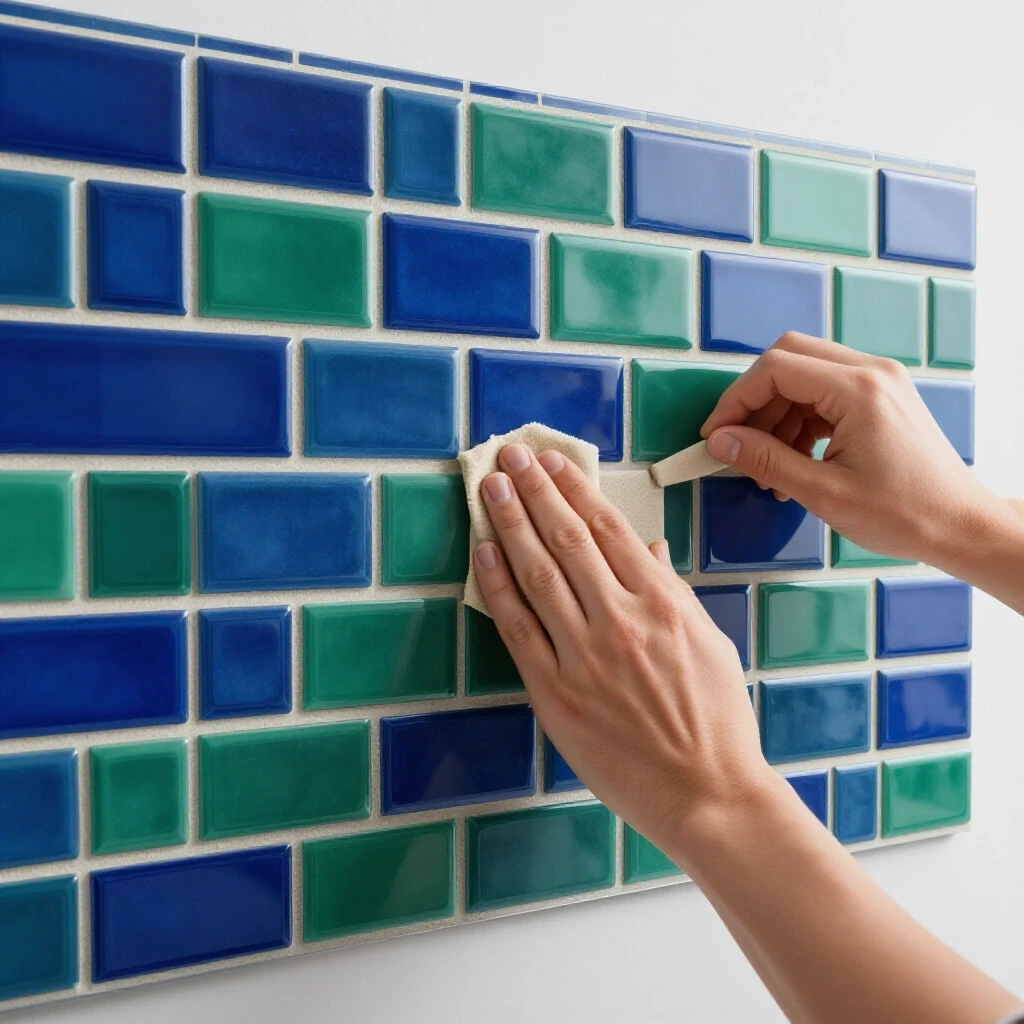
The finishing stage of a wall tile project is where the functional becomes beautiful, but it is also where many weekend warriors hit a wall of frustration. It is a physical task that requires a steady hand and a clear understanding of material behavior. If you rush the mixing or wait too long to clean the surface, you face hours of extra labor or, worse, a finish that cracks within a month. My goal is to share the technical reality of this process so you can avoid the “haze-covered” mistakes I made during my early DIY years.
Setting the Stage for a Successful Grout Application
Proper preparation involves protecting surrounding surfaces and ensuring the tile joints are ready to receive the bonding material. This phase prevents permanent damage to countertops and ensures the grout adheres correctly to the sides of the tiles. A clean workspace is the foundation of a professional-looking result.
Before I ever open a bag of material, I perform a deep clean of the joints. Even though I am not discussing the tile setting itself, I must emphasize that any dried adhesive or debris sticking up between the tiles will show through your finished work. I use a stiff nylon brush or a vacuum with a crevice tool to clear out any dust.
Safety is another factor I take seriously, especially after seeing enough workplace accidents to last a lifetime. Cement-based grouts contain silica and are highly alkaline. I always wear nitrile gloves to prevent chemical burns on my skin and a N95 respirator when mixing dry powders to avoid inhaling dust. I also lay down heavy-duty builder’s paper or drop cloths over the countertops and sink to catch the inevitable drips.
- Time Estimate: 1 hour for prep and cleaning.
- Physical Effort: Low (mostly bending and reaching).
- Code Reference: Ensure all electrical faceplates are removed and power is off at the breaker if working near outlets (NEC compliance).
Tool Inventory for Finishing Wall Tile Joints
The right tools act as an extension of your hands, allowing you to apply pressure evenly and clean surfaces without gouging the lines. Using a kitchen sponge or a plastic putty knife will lead to uneven depths and a messy finish. Investing in a few trade-specific items saves hours of corrective labor.
I keep a specific kit in my garage for these weekend tasks. The most important item is the rubber grout float. Unlike a metal trowel, a float is flexible and has a rubber base designed to push material deep into the gaps without scratching the ceramic surface. I also rely on “pro-grade” sponges, which are denser and have rounded corners to prevent them from pulling grout out of the joints during the cleaning phase.
| Tool Name | Purpose | DIY ROI |
|---|---|---|
| Rubber Grout Float | Spreading and packing material | Essential for even joints |
| Two 5-Gallon Buckets | One for mixing, one for clean water | Prevents cross-contamination |
| Margin Trowel | Mixing the grout by hand | Better control than a power drill |
| Hydrophilic Sponge | Initial cleaning of tile faces | Absorbs more water than household sponges |
| Microfiber Cloth | Final haze removal and polishing | Reusable and prevents scratching |
Mixing and Consistency Standards for Residential Grout
Achieving the correct chemical balance between water and powder determines the long-term durability of the installation. If the mix is too thin, it will shrink and crack; if it is too thick, it will not fill the gaps completely. Following manufacturer specifications for “slaking” is a step many tutorials skip, but it is vital for a strong bond.
When I mix grout, I always start by pouring the water into the bucket first, then adding the powder. This prevents dry clumps from sticking to the bottom. I aim for a consistency similar to thick peanut butter. One of the biggest mistakes I see is over-mixing with a high-speed drill, which introduces air bubbles. These bubbles turn into tiny pinholes once the wall dries.
Interestingly, the “slake” period is where the magic happens. After the initial mix, I let the bucket sit for about five to ten minutes. This allows the water to fully hydrate the chemicals in the powder. After the wait, I give it one final stir by hand. I never add more water after this point, as doing so weakens the final structure and causes color blotching.
- ANSI Standard A118.6: Defines the physical properties of standard cement grouts.
- Pro Tip: Only mix what you can apply in 30 minutes. If you are working alone, a full bag is usually too much to handle before it starts to harden.
The Systematic Execution of Filling Tile Gaps
This stage involves pushing the prepared mixture into the joints at a specific angle to ensure no air pockets remain. It is a rhythmic process that requires moving across the wall in small sections. Focus on the mechanics of the float rather than the speed of completion.
I start by loading a small amount of grout onto the end of the float. I hold the float at a 45-degree angle to the tile surface and spread the material diagonally across the joints. This diagonal movement is critical. If you move parallel to the lines, the edge of the float will dip into the gap and scoop the material back out.
I make sure to press firmly. The goal is to pack the joint from the back of the tile to the front. Once the section is filled, I make a second pass with the float held at a nearly 90-degree angle to “squeegee” off the excess. I don’t worry about getting the tile perfectly clean yet; the goal is simply to remove the bulk of the waste so the cleaning phase is easier.
- Active Time: 2–3 hours for a standard kitchen area.
- Difficulty: Moderate (requires consistent hand pressure).
- Key Technique: Always work from the top of the wall down to prevent drips from ruining finished sections.
Managing the Cleanup and Haze Removal Phase
Cleaning is a two-step process that requires patience and a very specific amount of water. Using a soaking wet sponge is the fastest way to ruin your work by washing the pigment out of the joints. This phase is about finesse and timing.
After the grout has sat in the joints for about 15 to 20 minutes, it will begin to feel firm to the touch. I take my sponge, dip it in clean water, and wring it out until it is barely damp. If I can squeeze a single drop of water out of it, it is too wet. I wipe the tile faces in a circular motion to loosen the residue, then use a single, smooth stroke to “dress” the joints and make them uniform.
I change my rinse water frequently. Using dirty water just moves the silt around and leads to a heavy haze. Once the tiles look mostly clean, I step away. A thin, chalky film will appear as the moisture evaporates. This is normal. About two hours later, I come back with a dry microfiber cloth and buff the tiles to a shine.
- Failure Analysis: 80% of DIY grout failures are caused by using too much water during cleanup, leading to soft, crumbly joints.
- Environmental Factor: If your home is very dry or hot, the grout will set faster. Adjust your section sizes accordingly.
Troubleshooting Common Post-Application Issues
Even with careful planning, minor imperfections can occur due to temperature changes or mixing variances. Identifying these issues early allows for simple repairs before the material reaches its full 28-day cure strength. Most problems are aesthetic and can be handled with a few minutes of focused work.
If I notice small pinholes after the wall has dried, it usually means air was trapped in the mix. I keep a small amount of dry powder from the original bag to make a “paste” for tiny touch-ups. I simply rub the paste into the hole with a gloved finger and wipe it clean.
Color shading is another common frustration. This often happens if one section was wiped with more water than another. To prevent this, I ensure my sponge dampness is consistent throughout the project. If the color is significantly off, a grout colorant or sealer can be applied after the full cure period to even out the tone.
| Issue | Likely Cause | Fix |
|---|---|---|
| Cracking | Too much water in mix | Remove and re-apply with correct ratio |
| Pinholes | Over-mixing (air bubbles) | Fill with a small amount of fresh paste |
| Powdery Joints | Fast drying or low hydration | Lightly mist with water during curing |
| White Film (Efflorescence) | Mineral deposits from water | Wipe with a 50/50 vinegar-water solution |
Post-Project Maintenance and Curing Protocols
The final strength of the wall finish depends on how it is treated in the days following the application. While the surface may feel hard within hours, the chemical hydration process continues for weeks. Proper curing ensures the joints remain waterproof and resistant to staining.
I generally wait at least 48 to 72 hours before I consider the area “functional.” During this time, I avoid using the kitchen heavily to prevent grease or steam from penetrating the fresh joints. Most manufacturers recommend waiting 7 to 14 days before applying any type of sealer. Sealing too early traps moisture inside, which can lead to mold or structural weakness.
Maintaining the finish is simple if done correctly. I advise against using harsh bleach or acidic cleaners on a regular basis, as these can eat away at the cement over time. A pH-neutral cleaner and a soft brush are all you need to keep the lines looking new.
- Cure Time (Light Use): 24 hours.
- Cure Time (Full Strength): 28 days.
- Sealing Window: 10–14 days post-application.
Project Conclusion and Next Steps
Completing the finishing touches on a kitchen wall is a satisfying way to cap off a weekend of labor. It transforms a collection of individual tiles into a unified, durable surface that protects your home’s structure. While the physical work can be tiring, the cost savings and the pride of a job well done are worth the effort.
If you have followed these steps, your next move is simply to monitor the drying process and prepare for the final sealing. Take note of the batch numbers on your grout bags in case you ever need to perform repairs in the future. Now that the messy part is over, you can reinstall your outlet covers and enjoy the updated look of your space.
Frequently Asked Questions
Can I use a regular kitchen sponge for cleaning?
No, kitchen sponges are too soft and often have sharp edges that will gouge the grout out of the joints. They also don’t hold enough water to be effective but release it too quickly when pressed. Professional grout sponges are designed with rounded corners and high-density foam to leave the joint level and smooth.
Why did my grout turn a lighter color than the box showed?
The most common reason is using too much water during the cleanup phase. Excess water washes out the pigment and brings minerals to the surface, a process called efflorescence. Always wring your sponge until it is nearly dry to maintain color consistency.
How do I know if I need sanded or unsanded grout?
This depends on the width of the gaps between your tiles. For joints wider than 1/8 inch, sanded grout is necessary because the sand acts as a bridge to prevent the material from shrinking and cracking. For joints 1/8 inch or smaller, unsanded grout is preferred as it is smoother and won’t scratch delicate finishes.
What is “slaking” and is it really necessary?
Slaking is the process of letting the mixed grout sit undisturbed for 5-10 minutes. This allows the water to fully permeate the dry chemicals and polymers. Skipping this step often results in a mix that is difficult to work with and a final product that lacks structural integrity.
Is premixed grout better for beginners?
Premixed grout is convenient because it eliminates mixing errors and color inconsistency. However, it is significantly more expensive and often has a longer drying time. For a small area, it is a great choice, but for a large kitchen, powdered grout is more cost-effective and typically more durable.
Can I grout over old grout?
Generally, no. New grout does not bond well to old, cured grout. If you are looking to refresh an old surface, you must remove at least 1/8 inch of the old material using a grout saw before applying a new layer to ensure it has enough depth to “lock” into place.
How long should I wait before using my kitchen again?
You can usually walk in the kitchen and use the countertops after 24 hours. However, avoid heavy cooking that produces a lot of steam or grease for at least 72 hours. The grout needs a stable environment to reach its initial hardness.
What should I do if the grout starts drying too fast on the wall?
If the material is hardening before you can clean it, work in smaller sections. You can also lightly mist the tile (not the joints) with a spray bottle to keep the surface cool, but do not over-saturate. If it becomes unworkable, you may need to scrape it out and mix a fresh, smaller batch.
(This article was written by one of our staff writers, Robert Callahan. Visit our Meet the Team page to learn more about the author and their expertise.)