Labeling Systems Compared: Best Methods for Home Organization (Guide)

Recent studies by the National Association of Professional Organizers suggest that 84% of Americans worry their homes are not organized enough, and 55% claim clutter is a major source of stress. This stress often stems from a cycle where we spend a full weekend cleaning, only for the space to revert to chaos by Wednesday. As someone who has spent over a decade managing logistics and operations, I have seen this same pattern in professional warehouses and family living rooms alike. The problem is rarely a lack of effort; it is usually a failure in the systems we use to identify where things belong.
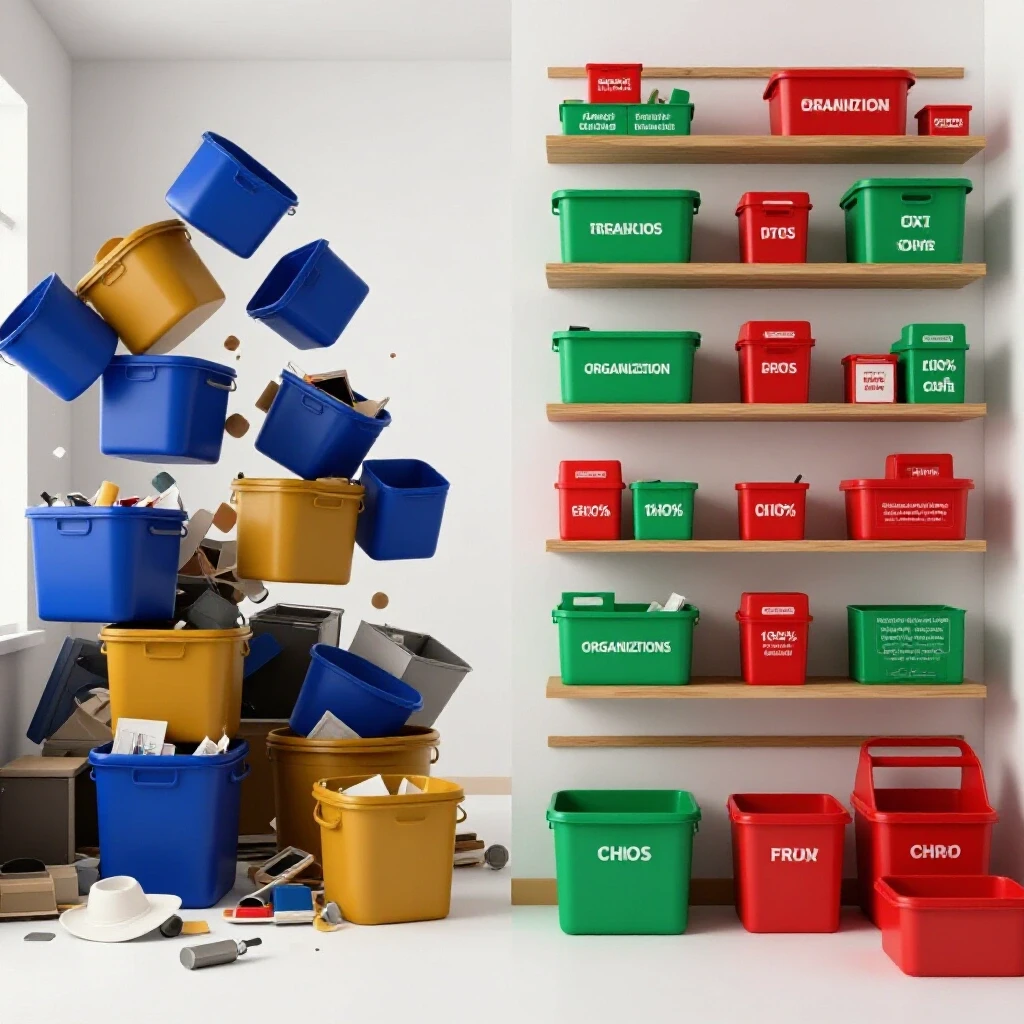
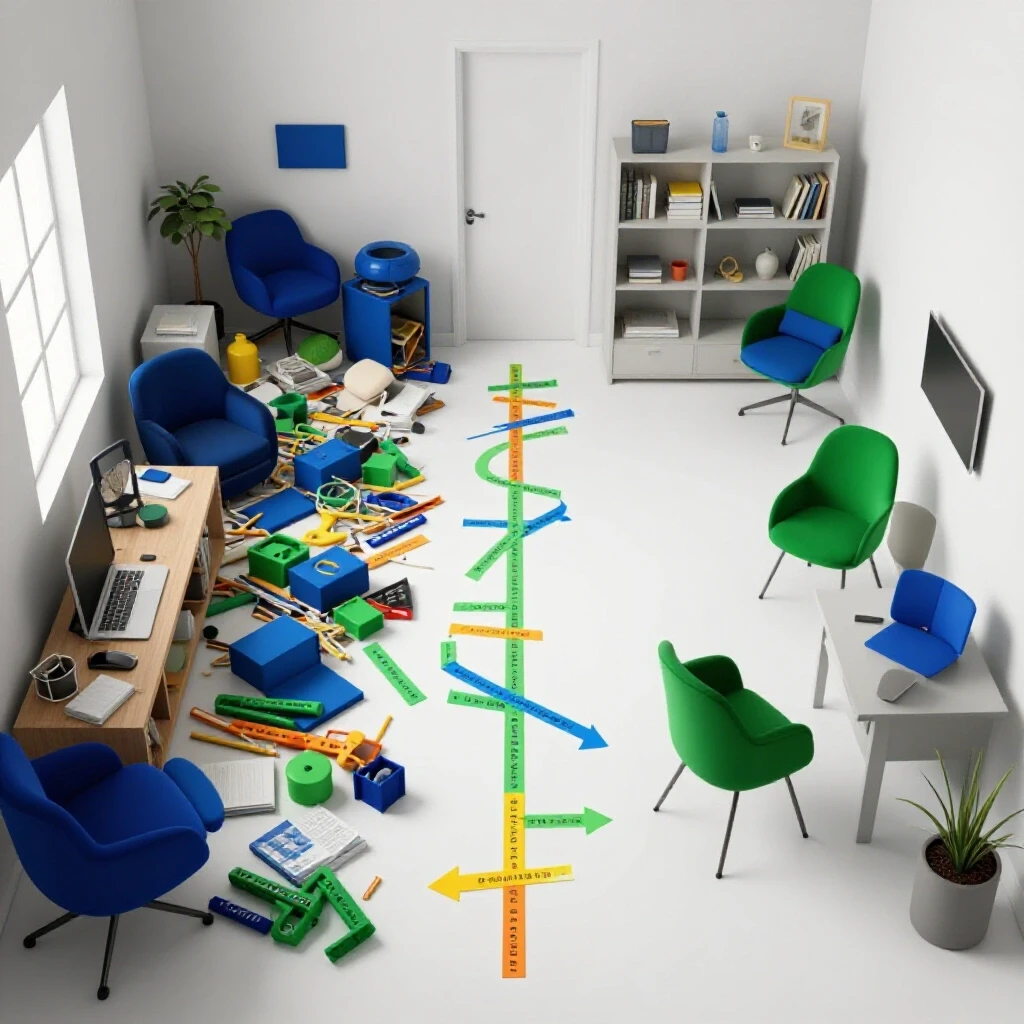
In my own home, I realized that my family’s “cleanup” sessions were actually just “hiding” sessions. We moved items from the counter into opaque bins, but because those bins lacked clear, durable identification, we forgot what was inside them within forty-eight hours. This created a high “retrieval friction”—the mental and physical effort required to find an item. To fix this, I applied the same principles I use in spatial management: reducing the number of steps to find an object and ensuring the method of identification matches the behavior of the people using the space.
Why Household Systems Fail Under Pressure
Spatial logistics in a home environment fail when the mental energy required to maintain them exceeds the daily energy available to the residents. We often choose storage solutions based on how they look in a magazine rather than how they function during a Tuesday evening rush. When a system is too complex, our brains naturally default to the path of least resistance, which usually means leaving the item on the nearest flat surface.
The Psychology of Visual Overload and Decision Fatigue
Visual overload occurs when the brain is forced to process too many competing stimuli, leading to a sense of exhaustion and a decrease in productivity. In a cluttered home, every misplaced item represents a “micro-decision” that needs to be made. By using clear, consistent methods to identify bin contents, we remove the need for constant decision-making, allowing the brain to rest.
Understanding Retrieval Friction in the Family Home
Retrieval friction is the measured effort, usually in steps or seconds, that it takes to get an item out of storage and put it back. A high-friction system might involve a lidded bin, stacked under another bin, with no visible marking of what is inside. A low-friction system allows a family member to identify the contents from three feet away and access them with a single hand.
Assessing Different Ways to Mark Your Bins
Choosing the right way to identify your storage is the most critical step in creating a sustainable home organization system. Different areas of the home require different levels of durability and flexibility. For example, a pantry where items change weekly needs a more adaptable method than a holiday decoration bin that stays packed for eleven months.
The Case for Printed Adhesive Stickers
Printed stickers offer a high degree of readability and a professional look that can reduce visual noise in high-traffic areas like kitchens. They are best for permanent or semi-permanent categories such as “Flour,” “Sugar,” or “First Aid.” Their primary drawback is that they are difficult to change once applied, making them less ideal for evolving collections like kids’ toys.
Reusable Clips and Swing Tags
Clip-on tags and swinging labels are highly effective for woven baskets or fabric bins where stickers won’t stick. These are the most flexible options because you can swap the paper insert without replacing the hardware. In my experience, these are excellent for closets and craft rooms where categories shift as hobbies change.
Handwritten Markers and Chalk Labels
Handwritten methods, specifically chalk markers on black adhesive backgrounds, provide an immediate, low-cost way to identify contents. While they offer a charming aesthetic, they are prone to smudging in high-touch areas. I recommend these for “transition zones” where you are still testing out a new organization layout and aren’t ready to commit to a permanent style.
| Identification Method | Durability Score (1-10) | Flexibility Score (1-10) | Best Use Case |
|---|---|---|---|
| Printed Stickers | 9 | 2 | Kitchen Pantries |
| Reusable Clips | 7 | 10 | Toy Rooms / Linen Closets |
| Chalk Labels | 4 | 8 | Seasonal Storage |
| Handwritten Tags | 6 | 7 | Craft Supplies |
Reducing Household Clutter Through Strategic Zoning
Zoning is the practice of grouping related items into specific physical areas based on how and where they are used. By creating a “map” of your home, you can assign identification styles that match the frequency of use. High-frequency zones, like the mudroom, need large, bold identifiers, while low-frequency zones, like the attic, can use more detailed descriptions.
Creating High-Speed Sorting Maps
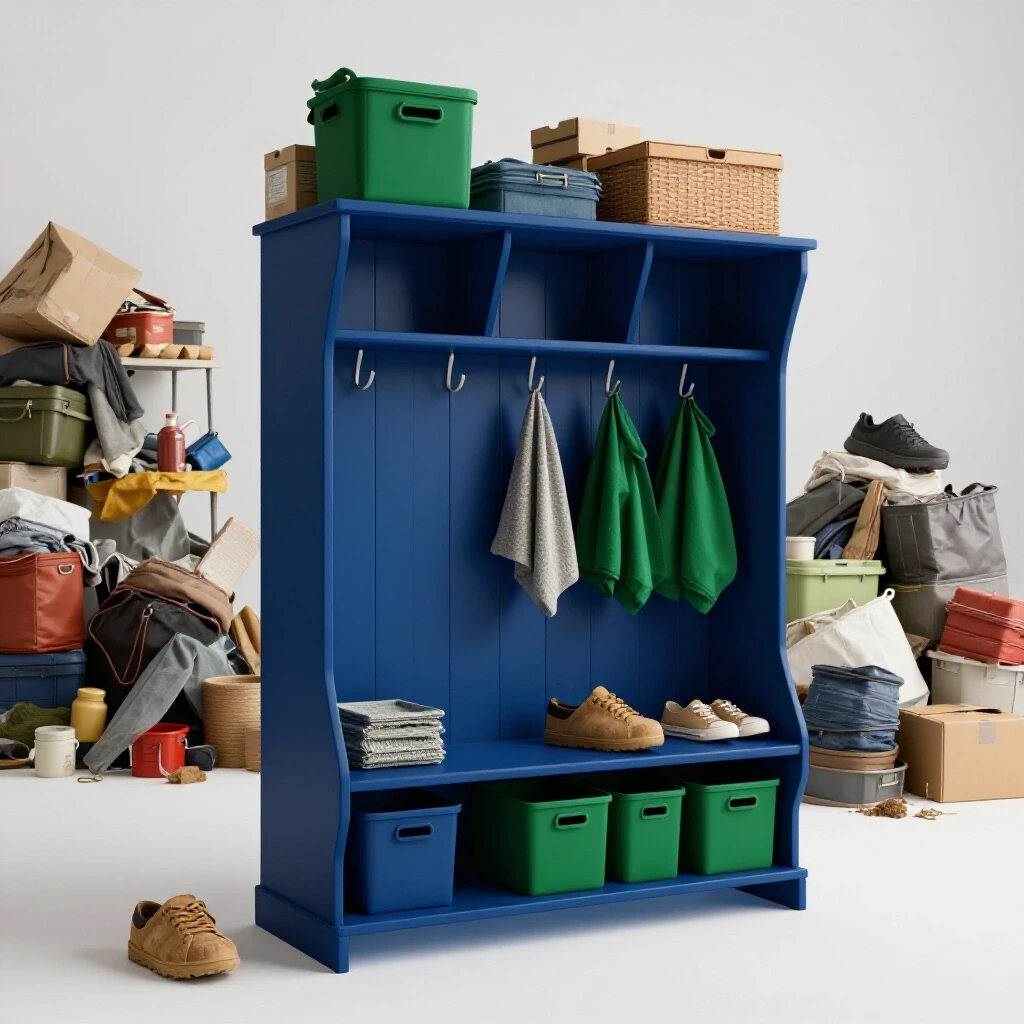
A sorting map is a visual guide that tells every family member exactly where an item goes without them having to ask. When we redesigned our mudroom, we used large-font tags on individual cubbies for each child. This reduced the “sorting time”—the time it takes to clear the floor—from fifteen minutes down to four.
Managing Inflow and Outflow Control
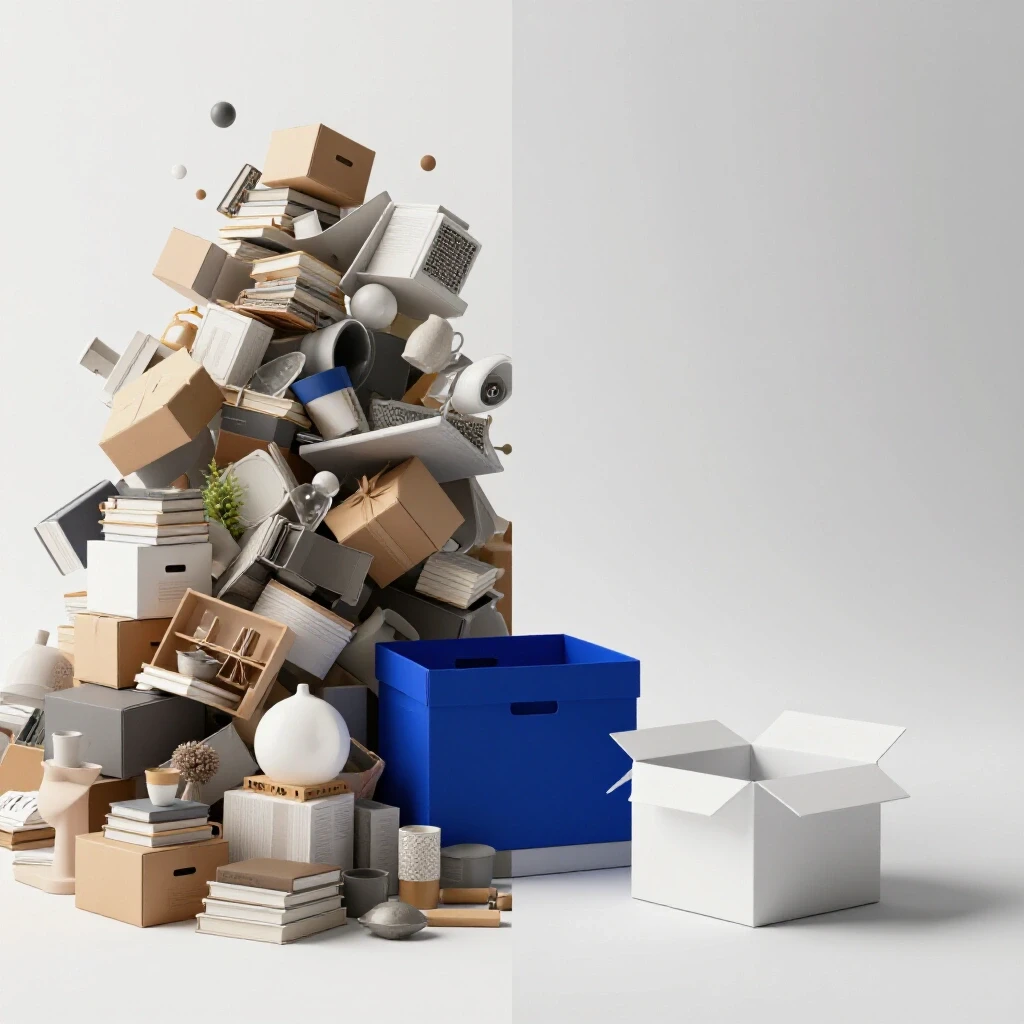
Systems fail when more items enter a space than the storage capacity allows. To maintain balance, I use a “one-in, one-out” rule supported by a dedicated “Outbox” bin. This bin is clearly marked and placed near the exit of the home, acting as a physical reminder to donate or discard items that no longer serve a purpose.
Selecting Low-Maintenance Storage Gear
The physical containers you choose are just as important as how you mark them. In my eleven years of spatial management, I have found that “frictionless” containers are the only ones that survive a busy household. This means choosing open-top bins for items used daily and clear, stackable bins for items used monthly.
- Open-Top Baskets: Best for toys, shoes, and frequently used linens.
- Clear Plastic Lidded Bins: Essential for seeing contents at a glance in garages or basements.
- Uniform Modular Units: Using the same brand and size of bin allows for easier stacking and a cleaner visual profile.
Storage Friction Index by Bin Type
The following table illustrates how much effort different containers require for daily maintenance.
| Bin Type | Opening Steps | Visual Clarity | Maintenance Level |
|---|---|---|---|
| Open Basket | 0 | High | Low |
| Lidded Tote | 2 | Medium | Medium |
| Drawer Unit | 1 | Low | Medium |
| Stacked Opaque Bin | 4 | None | High |
Building Sustainable Habit Loops for Families
A habit loop is a three-part process: a cue, a routine, and a reward. In home organization, the “cue” is seeing an item out of place, the “routine” is placing it in its marked bin, and the “reward” is a clear, stress-free environment. To make this work for children, the system must be so simple that it requires zero instructions.
The Five-Minute Evening Reset
Instead of a deep clean once a week, we implement a five-minute reset every evening. Because every bin in our main living area is clearly marked with a high-readiness tag, my children can participate. We treat it like a “matching game” rather than a chore. This keeps the clutter from accumulating to the point of mental fatigue.
Monthly System Audits
Every thirty days, I perform a quick walk-through to see which bins are overflowing and which are empty. This is a logistical audit. If a bin is consistently messy, it means the identification method is either too vague or the container is in the wrong place. We then adjust the tags or the location to better fit our actual behavior.
Lessons from a Logistics Professional: My Family’s Journey
When I first started applying industrial sorting metrics to my home, I made the mistake of being too rigid. I tried to use a complex alphanumeric system for our home library. It failed within a week because my five-year-old couldn’t navigate it. I learned that in a family setting, “functional” is better than “perfect.”
We eventually switched to a color-coded system with simple icon-based tags for the kids and clear text for the adults. This change reduced the number of times I heard “Where does this go?” by roughly 70%. By lowering the cognitive load for the children, I effectively lowered my own stress levels.
Standard Item-Density Guidelines
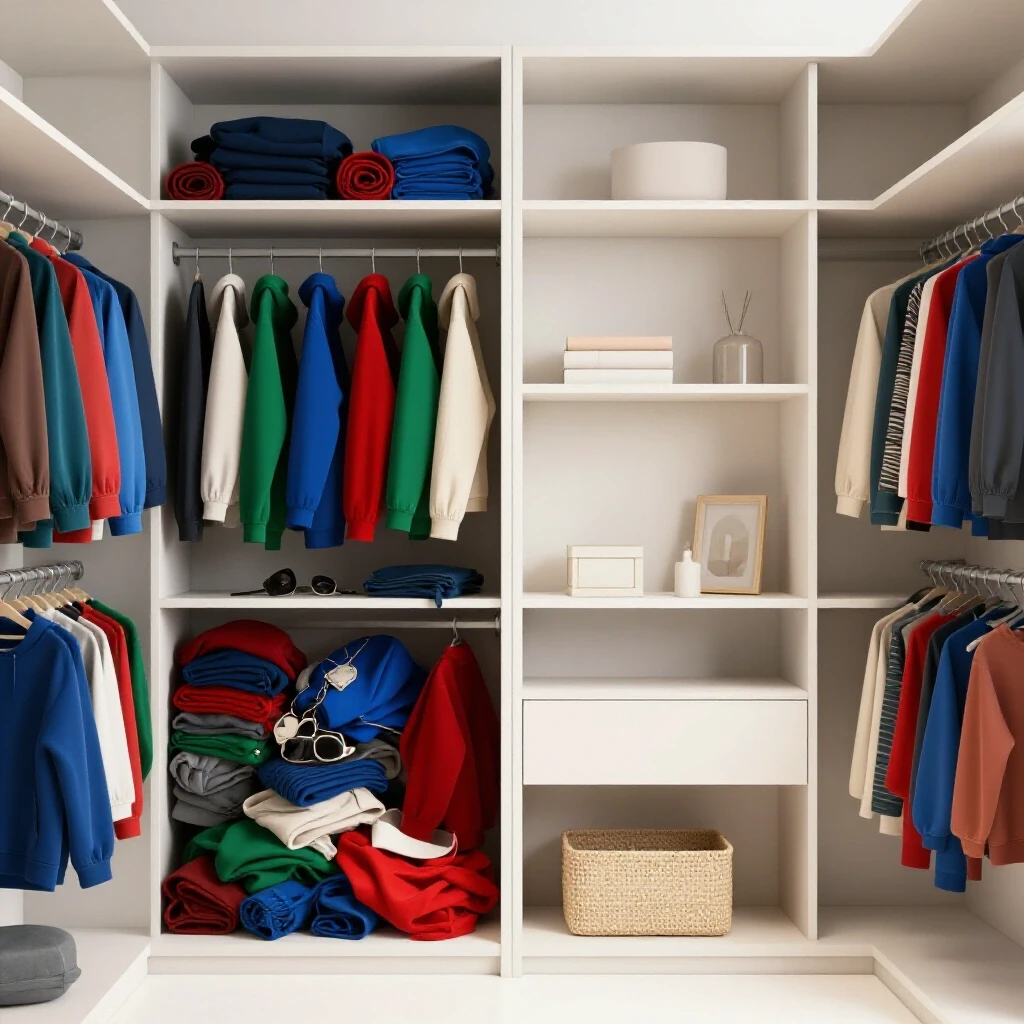
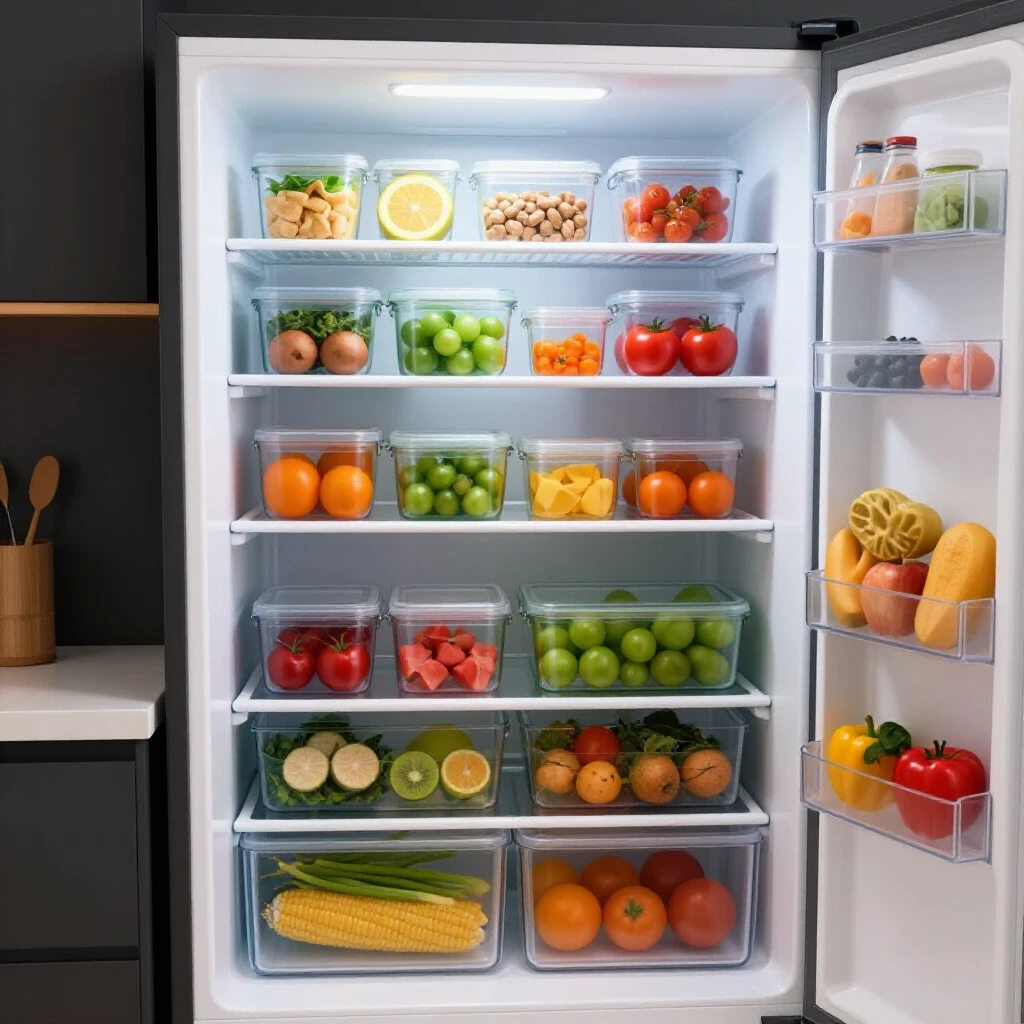
To prevent bins from becoming “junk drawers,” follow these density rules: 1. Pantry Bins: Fill to 80% capacity to allow for easy retrieval. 2. Toy Bins: Fill to 70% so kids can see what is at the bottom without dumping the whole bin. 3. Closet Shelves: Leave 20% of the shelf space empty to accommodate new items or temporary shifts.
Establishing Long-Term Order
The goal of a well-marked storage system is not to create a house that looks like a museum. The goal is to create a home that supports your life rather than draining your energy. When you compare different ways to mark your belongings, always prioritize the one that you can maintain on your worst, most tired day.
If a sticker falls off or a chalk label smudges, it isn’t a failure of the person; it’s a failure of the material. Switch to a more durable tag or a different bin type. The most successful systems are those that evolve alongside the family.
- Step 1: Audit your most cluttered room and count how many “unmarked” bins you have.
- Step 2: Choose one identification style (clips, stickers, or tags) for that specific room.
- Step 3: Label every single container, even if the contents seem obvious.
- Step 4: Test the system for one week and notice if the “sorting time” decreases.
Frequently Asked Questions
What is the most durable way to label bins in a humid garage?
In high-humidity environments like garages or basements, adhesive stickers often peel off over time. The best approach is using plastic clip-on tags or heavy-duty plastic luggage tags attached with zip ties. These are immune to moisture and stay secure even if the bin is moved frequently.
How can I get my spouse and children to actually use the labels?
The key is to involve them in the creation process and keep the language simple. Instead of “Polymer Building Blocks,” use “LEGOs.” Place the identifiers at the eye level of the person using them. For young children, use a combination of a simple word and a small picture.
Are clear bins better than opaque bins for reducing clutter?
Logistically, clear bins are superior for reducing retrieval friction because they provide immediate visual feedback. However, if the contents are visually “busy” (like mismatched craft supplies), clear bins can contribute to visual overwhelm. In that case, use opaque bins with very clear, large text on the outside.
How often should I update the labels on my storage containers?
You should perform a “system check” every six months or whenever you notice a space is consistently becoming messy again. Clutter is often a sign that your life has changed (e.g., a child starting a new sport) but your storage system hasn’t updated to match the new categories.
What should I do if my bin doesn’t have a flat surface for a sticker?
For woven baskets, wire bins, or fabric cubes, use “hang tags” or “bin clips.” These are specifically designed to grip onto uneven surfaces. You can also use a simple piece of cardstock protected by a plastic sleeve and attached with a piece of twine for a more budget-friendly option.
Is it worth buying an electronic label maker?
If you value consistency and high readability, a basic label maker is a worthwhile investment. It ensures that every bin has the same font and style, which significantly reduces visual noise compared to varied handwriting. However, for bins that change contents frequently, reusable tags are more cost-effective.
Why do my organized spaces keep getting messy so quickly?
This usually happens because the “return friction” is too high. If it takes more than two steps to put an item away (e.g., opening a closet, moving a box, unlatching a lid), people will leave the item on the counter. Simplify the identification and the container access to make “putting away” as easy as “dropping.”
What size should the text be on my storage labels?
For bins stored on high shelves, use a font size of at least 36 points (about half an inch tall). For items kept at eye level, such as pantry spices, 18 to 24 points is usually sufficient. The goal is to be able to read the label without leaning in or squinting.
Can I use color-coding instead of text?
Color-coding is an excellent secondary system, but it should rarely be the primary one. While you might remember that “blue” means “winter gear” today, you might forget six months from now. Use colors to group categories (e.g., all holiday bins are red) but include text for specific identification.
What is the best way to label fabric bins in a nursery?
Fabric bins are notorious for shedding adhesive stickers. The most effective method is using “iron-on” labels or, more simply, pinning a sturdy plastic tag to the front of the bin. This ensures the identification stays in place even with the heavy use typical of a nursery or playroom.
(This article was written by one of our staff writers, Christopher Bennett. Visit our Meet the Team page to learn more about the author and their expertise.)