How to Prevent Mildew on Shower Grout (Step-by-Step Guide)

In many older homes, the bathroom was once a simple utility space, built with materials meant to last for generations. My grandfather used to say that a house breathes just like a person, and if you plug its nose, it gets sick. Maintaining these legacy structures for 17 years has taught me that tradition isn’t just about style; it is about the systematic habits that keep a building’s envelope intact. When we talk about preserving the pristine look of tiled surfaces, we are really talking about managing the micro-climate of a small, high-moisture room.
During my time as a facilities technician, I managed several properties built between 1920 and 1950. These buildings had thick plaster walls and heavy cast iron tubs, but they lacked the mechanical ventilation we take for granted today. I quickly learned that preventing biological growth on porous surfaces like cement-based grout was not about aggressive scrubbing. Instead, it was about understanding the building science of evaporation and capillary action. By focusing on how water moves and how air circulates, I was able to keep shower stalls looking new without ever resorting to harsh interventions.
Why Moisture Management is the Foundation of Surface Integrity
Moisture management is the practice of controlling liquid water and water vapor to prevent it from lingering on building materials. In a bathroom, this involves reducing the amount of time surfaces stay wet after use and ensuring the air can carry away excess humidity. Proper management protects the aesthetic and physical bond of tiled assemblies.
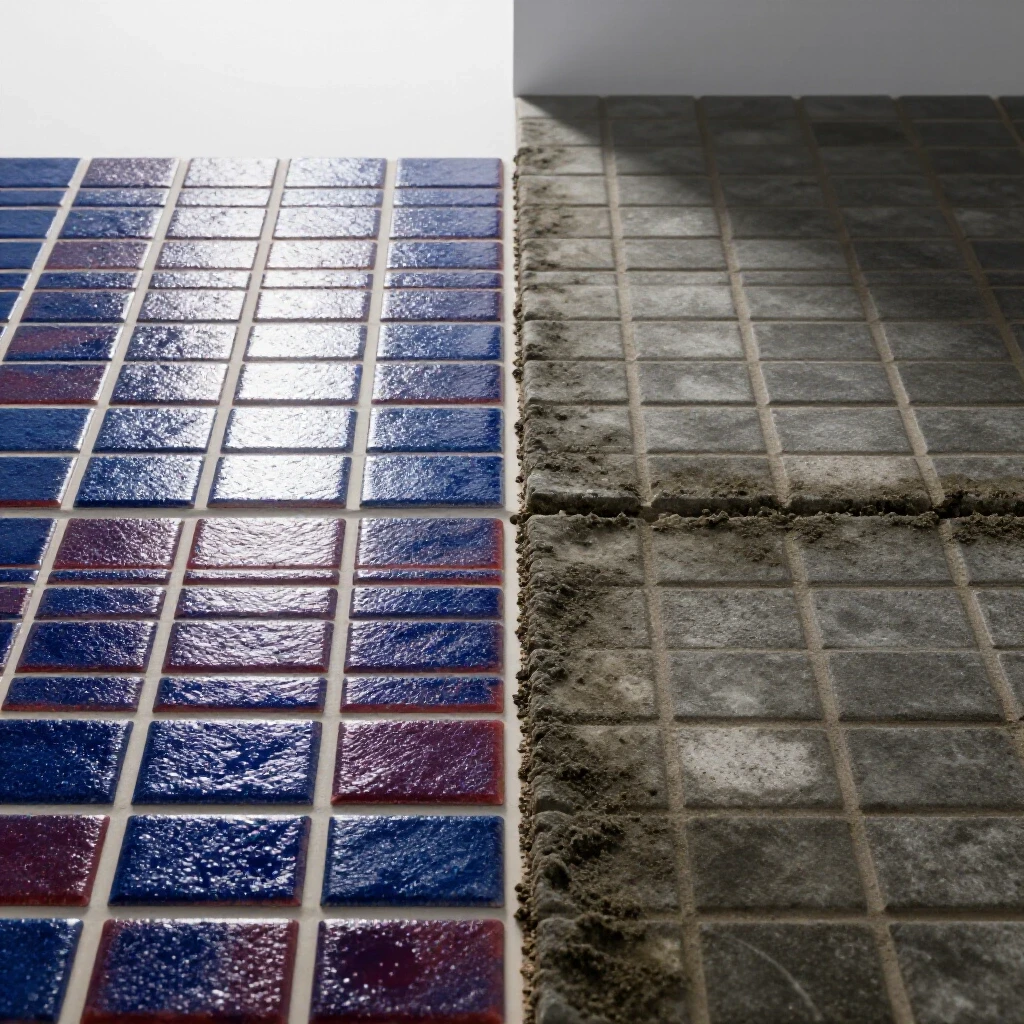
Building science tells us that grout is a porous material, much like a hard sponge. When you shower, water doesn’t just sit on the surface; it attempts to move into the grout through capillary action. Capillary action is the ability of a liquid to flow in narrow spaces without the assistance of, or even in opposition to, external forces like gravity. If that water stays trapped in the pores of the grout, it creates a prime environment for opportunistic fungal spores to land and take hold.
To prevent this, we must look at the “wet time” of the shower. If a shower stays damp for six hours after use, the risk of surface issues is high. If we can reduce that wet time to under 60 minutes through mechanical and manual means, the environment becomes inhospitable for unwanted growth. This is a systematic approach to home maintenance checklist items that focuses on the root cause rather than the symptoms.
Understanding Surface Porosity and Absorption
Porosity refers to the volume of open spaces within a material, while permeability measures how easily fluids can pass through it. Cementitious grout is naturally high in both, making it a target for moisture retention. By understanding these physical properties, we can implement better preventative home care strategies.
- Capillary Suction: The smaller the pores in the grout, the stronger the “pull” on the water.
- Surface Tension: Water droplets naturally cling to surfaces; breaking this tension is key to drainage.
- Evaporation Rate: This is governed by the temperature of the room and the speed of the air moving across the tile.
Mechanical Ventilation and Atmospheric Balance
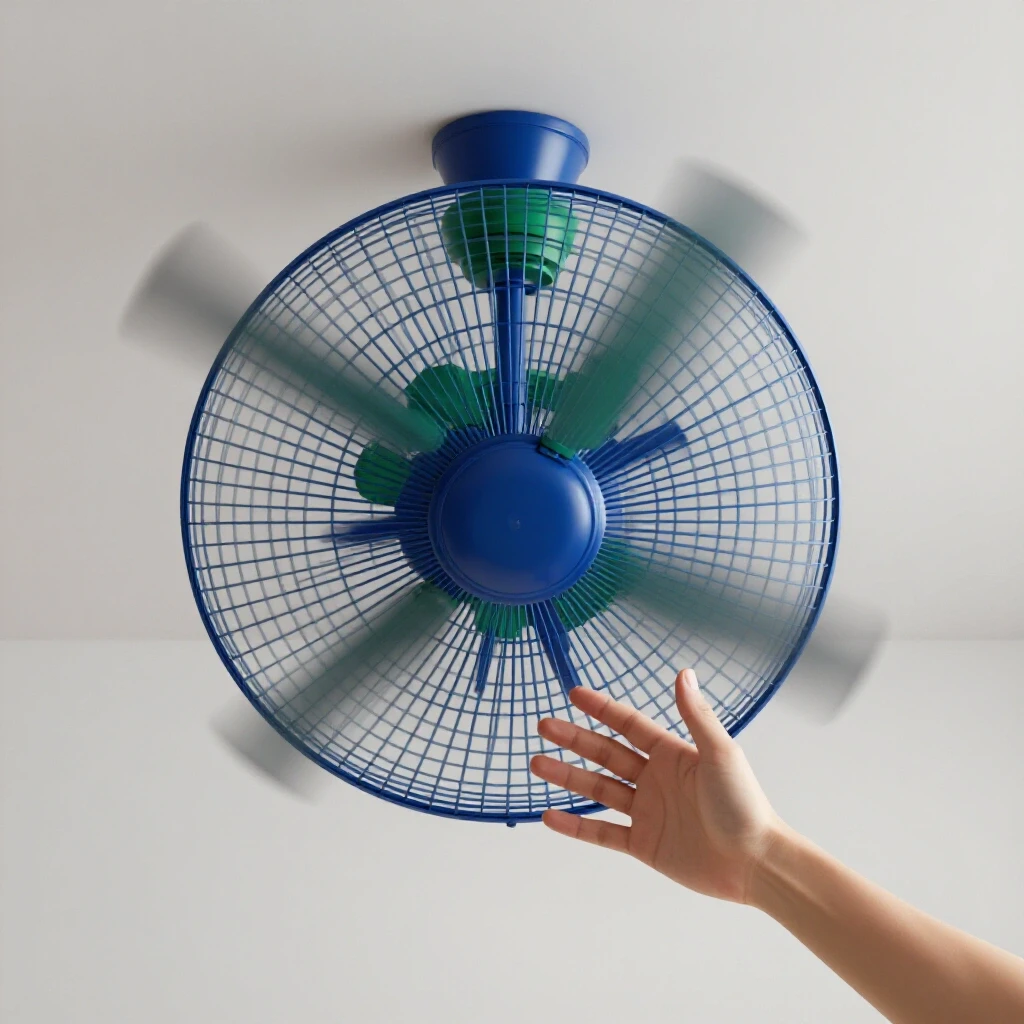
Mechanical ventilation involves using powered fans to exchange humid indoor air with drier outdoor air. In a bathroom, the goal is to maintain a relative humidity (RH) level below 50% as quickly as possible after a shower. This prevents the “steam room” effect that allows moisture to settle into every crevice.
When I inspect a bathroom, the first thing I check is the exhaust fan’s CFM (Cubic Feet per Minute) rating. A standard rule of thumb is 1 CFM per square foot of room space. However, in older homes with high ceilings, you may need more. If a fan is underpowered, the air becomes saturated, and evaporation stops. This is why many homeowners struggle with damp grout even when they use their fans.
Another critical factor is “make-up air.” A fan cannot pull air out of a room if new air cannot get in. I often see bathrooms where the door is so tight to the floor that the fan creates a vacuum, making it loud but ineffective. Ensuring a 1/2-inch to 3/4-inch gap under the bathroom door allows the fan to work at its rated capacity, effectively pulling dry air across the wet grout surfaces.
Diagnostic Tree: Evaluating Ventilation Efficiency
| Symptom | Potential Root Cause | Diagnostic Test |
|---|---|---|
| Mirror stays fogged 15 mins after shower | Low CFM or Blocked Duct | Tissue Test (Does fan hold a single square of toilet paper?) |
| Grout feels damp to the touch hours later | Poor Airflow Distribution | Check door undercut (Needs 0.5 – 0.75 inches) |
| Fan is loud but steam doesn’t move | Static Pressure Resistance | Inspect exterior vent hood for bird nests or lint |
| Moisture beads on walls | High Relative Humidity | Use a digital hygrometer (Target <50% RH) |
The Physics of Surface Tension and Manual Water Shedding
Surface tension is the cohesive force that causes water to form droplets rather than spreading out. In a shower, these droplets hang onto the grout lines and the edges of tiles. Manual water shedding is the act of physically removing this liquid water before it has a chance to soak in.
In my 17 years of facility logs, the single most effective tool for maintaining grout wasn’t a brush—it was a squeegee. By spending 60 seconds after every shower to pull water off the walls and toward the drain, you remove roughly 90% of the moisture that would otherwise have to evaporate. This drastically reduces the workload on your ventilation system and keeps the grout pores dry.
Think of it as a plumbing repair guide for your surfaces. If you don’t let the water sit, it can’t cause trouble. I recommend a squeegee with a soft silicone blade, as it conforms better to the slight irregularities of older tile installations. This simple habit, combined with a quick wipe of the horizontal ledges where water pools, is the ultimate residential diagnostics “hack” for long-term cleanliness.
Step-by-Step Post-Shower Protocol
- Squeegee Walls: Start from the top and pull downward in long, overlapping strokes.
- Clear the Ledges: Use a dedicated microfiber cloth to wipe the top of the tub rim or shower curb.
- Check the Drain: Ensure no hair is slowing the exit of water; standing water increases room humidity.
- Run the Fan: Keep the exhaust fan running for at least 20 minutes after exiting.
Monitoring Tools for Proactive Homeowners
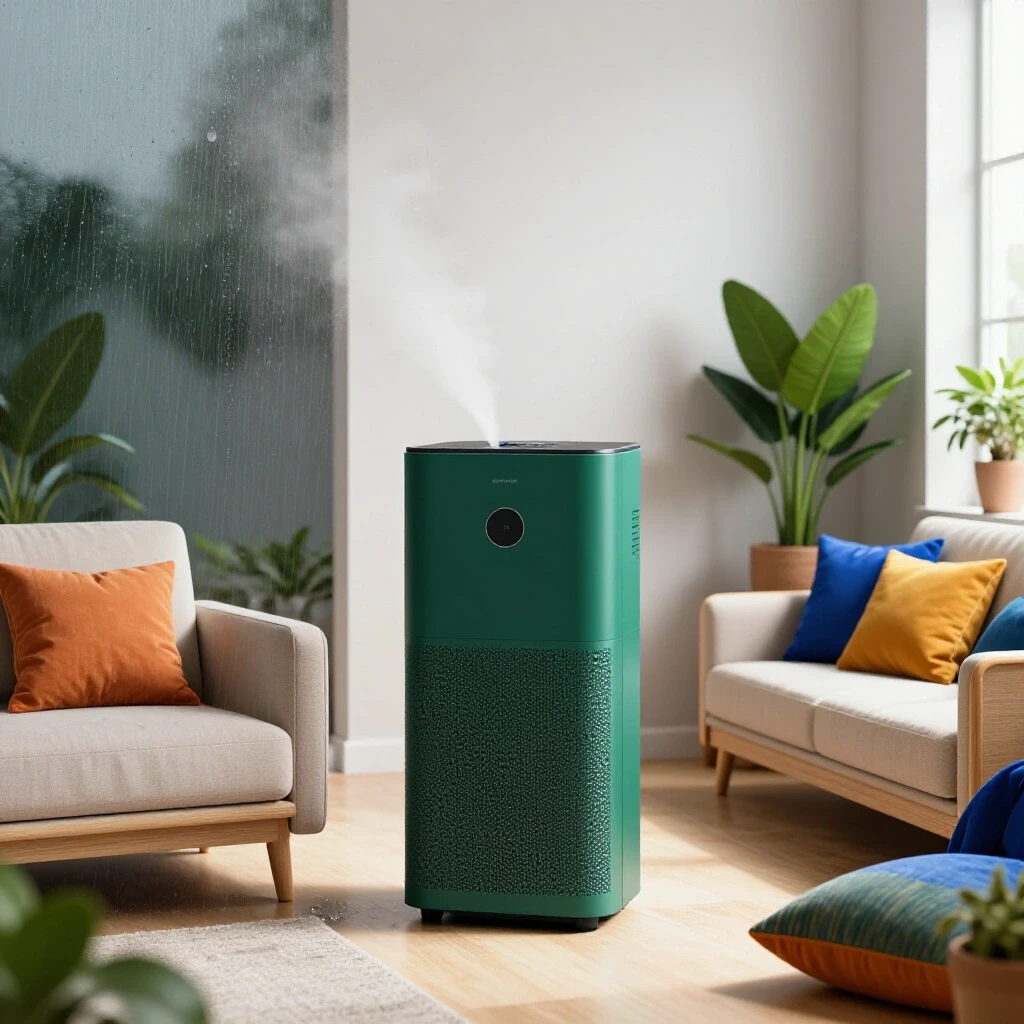
Modern residential diagnostics allow homeowners to see what the naked eye cannot. Using specialized tools helps you identify when your preventative measures are working and when they need adjustment. This data-driven approach removes the guesswork from home maintenance.
I always carry a non-invasive moisture meter and a digital hygrometer. A moisture meter can tell you if the substrate behind the tile is holding water, which might suggest a failure in the grout’s integrity or a hidden leak. A hygrometer tells you the “health” of the air in the room. If your bathroom stays at 70% humidity for hours, you are essentially running a laboratory for fungal growth.
- Digital Hygrometer: Measures air temperature and relative humidity. Place it away from the shower to get an accurate room reading.
- Non-Invasive Moisture Meter: Uses radio frequencies to detect moisture behind tiles without poking holes.
- Infrared Thermometer: Helps identify “cold spots” on walls where condensation is most likely to occur.
- Anemometer: Measures the actual air speed at the fan intake to verify CFM performance.
Preventative Maintenance Schedule for Tile and Grout
A systematic maintenance schedule ensures that small issues don’t escalate into major repairs. By treating your bathroom like a mechanical system, you can extend the life of the materials significantly. This schedule is designed for older properties where “set it and forget it” is rarely an option.
| Frequency | Task | Goal |
|---|---|---|
| Daily | Squeegee and 20-minute fan run | Minimize liquid water and humidity |
| Weekly | Inspect grout for cracks or pinholes | Identify entry points for water |
| Monthly | Clean exhaust fan cover | Maintain maximum CFM airflow |
| Quarterly | Test fan flap and exterior vent | Ensure unobstructed air exit |
| Annually | Recalibrate hygrometer/Check seals | Verify diagnostic accuracy |
Material Selection for Future-Proofing
When it comes time to refresh a bathroom in a legacy home, the materials you choose will dictate your future maintenance load. Not all grout is created equal. Traditional cement grout is the most common, but it is also the most porous.
Building science has paved the way for high-performance grouts, such as epoxy or single-component resins. These materials are nearly non-porous and do not require the same level of sealing as cement-based products. While they are more difficult to install and often require a professional with specific experience, the long-term benefit for a prevention-focused homeowner is substantial. They essentially “waterproof” the joints between your tiles, making the manual shedding of water even more effective.
If you are sticking with traditional materials, ensuring the grout is properly cured and then protected with a high-quality penetrating sealer is vital. A penetrating sealer works by filling the microscopic pores of the grout with a solid, water-repellent material. It doesn’t change the look, but it changes the physics of how the grout interacts with water.
Case Study: The 1942 Bungalow Bathroom
I once consulted on a 1942 bungalow that had persistent dampness issues in the main bathroom. The homeowner was frustrated because they were constantly addressing surface spots on the grout. Upon inspection, I found three main issues: the fan was only 30 CFM (rated for a closet, not a bath), there was no gap under the door, and the grout had never been sealed.
We replaced the fan with a 110 CFM model that featured a built-in humidity sensor. This sensor automatically keeps the fan running until the RH drops below 45%. We also trimmed 1/2 inch off the bottom of the bathroom door to allow for make-up air. Finally, after ensuring the grout was completely dry (verified with a moisture meter at 12%), we applied a high-quality penetrating sealer.
Three years later, the homeowner reported that they hadn’t seen a single spot of growth. The total cost of these mechanical and physical upgrades was less than $400, a fraction of what a full tile replacement would have cost if the moisture had been allowed to continue its work.
Safety Boundaries and Professional Transition Points
While many preventative measures are DIY-friendly, knowing when to call a professional is a key part of structural protection. Working with electricity in a wet environment or modifying the building envelope requires specific skills.
- Electrical: If you are upgrading an exhaust fan, the Consumer Product Safety Commission (CPSC) recommends ensuring the circuit is GFCI (Ground Fault Circuit Interrupter) protected. If you aren’t comfortable wiring or if the existing housing is rusted, call an electrician.
- Ductwork: If your fan vents into the attic rather than outdoors, this is a major failure. Venting moist air into a cold attic causes condensation on rafters. This requires a professional to run a dedicated insulated duct to a roof or wall vent.
- Structural: If a moisture meter shows high readings (above 20%) behind the tile even when the surface is dry, you likely have a failed waterproofing membrane. This is beyond the scope of routine care and requires a tile professional.
Building a Multi-Year Prevention Program
A prevention-focused homeowner doesn’t just react; they plan. By integrating these habits into your lifestyle, you protect your investment. The goal is to move away from the “fix it when it breaks” mentality and toward a “keep it from breaking” philosophy.
Start by auditing your current bathroom environment. Buy a $15 hygrometer and track the humidity for a week. Check your fan’s age and performance. Buy a squeegee and commit to using it for 30 days. These small, low-effort changes create a cumulative effect that preserves the integrity of your home’s most vulnerable surfaces.
Remember, the goal of building science in the home is to work with the laws of physics, not against them. If you control the moisture and the air, the grout will take care of itself.
Frequently Asked Questions
How long should I actually run my bathroom fan after a shower?
You should run your fan for a minimum of 20 to 30 minutes. Most modern fans can be installed with a timer switch to make this automatic. The goal is to bring the room’s relative humidity back down to the level of the rest of the house, typically between 30% and 50%.
Does a squeegee really make a difference for grout?
Yes, it is the most effective preventative tool you have. A squeegee removes the bulk of liquid water, which prevents it from soaking into the grout pores. This reduces the amount of evaporation the fan has to handle and keeps the grout dry, which is the best way to prevent biological growth.
Why does my grout stay wet even though I have a fan?
This is usually due to poor airflow. If the bathroom door is closed and there isn’t enough of a gap at the bottom, the fan can’t pull in fresh, dry air to replace the moist air it’s removing. Check your door undercut and ensure the fan’s exterior vent isn’t blocked.
How can I tell if my grout needs to be resealed?
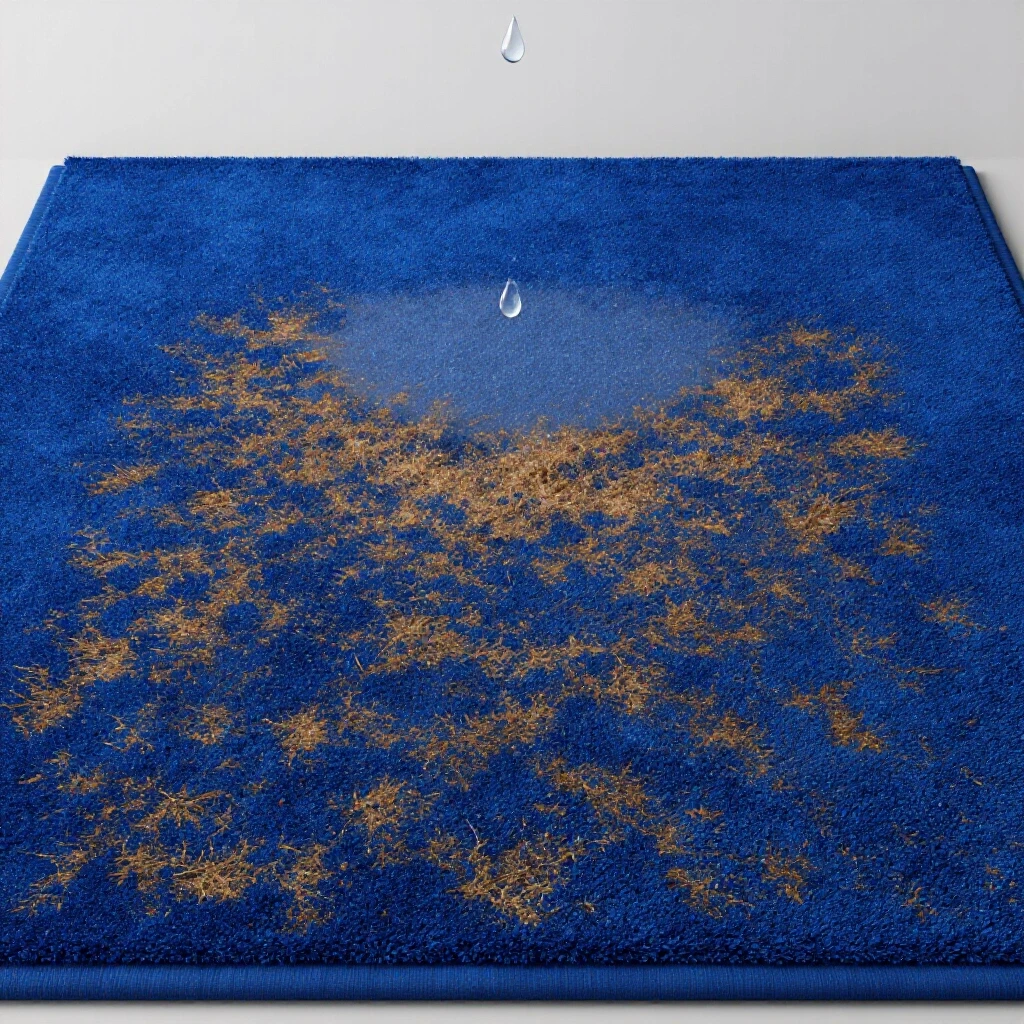
Perform the “water drop test.” Place a few drops of water on a dry grout line. If the water beads up, the sealer is still active. If the grout darkens and the water soaks in within a minute, the porosity is high, and it is time to apply a new coat of penetrating sealer.
What is the ideal humidity level for a bathroom?
During non-use, a bathroom should match the rest of your home, ideally between 30% and 50% relative humidity. Immediately after a shower, it will spike to 90% or higher, but your ventilation system should bring it back under 50% within 30 minutes to protect your surfaces.
Is it better to leave the bathroom door open or closed after a shower?
If you have a high-quality exhaust fan and a proper door undercut, leaving the door closed can actually help the fan create a more directed “sweep” of air across the room. However, if your fan is weak, leaving the door wide open will help the moisture dissipate into the larger volume of the house more quickly.
Can I use a fan that vents into my attic?
No. This is a common but serious error in older homes. Venting warm, moist air into an attic can lead to significant issues with the roof structure and insulation. All bathroom fans must be ducted directly to the outdoors using insulated piping to prevent condensation inside the duct.
What should I look for when buying a new exhaust fan?
Look for a fan with a high CFM rating (at least 80-110 for a standard bath) and a low “sone” rating. Sones measure noise; a fan with 1.0 sones or less is very quiet. If a fan is quiet, you are much more likely to use it regularly, which is the key to prevention.
How often should I check my exterior vent hood?
I recommend checking it at least twice a year, specifically in the spring and fall. Birds often find these vents to be attractive nesting spots, and lint or dust can clog the flapper door. A stuck flapper means your fan is spinning but moving zero air.
Does the type of tile affect grout dampness?
Yes. Large-format tiles have fewer grout lines, which means there is less porous surface area to hold water. Conversely, small mosaic tiles have a high ratio of grout to tile, requiring much more diligent squeegeeing and ventilation to keep dry.
(This article was written by one of our staff writers, Daniel Whitaker. Visit our Meet the Team page to learn more about the author and their expertise.)