How to Achieve Minimal Decor Living at Home (Step-by-Step Guide)

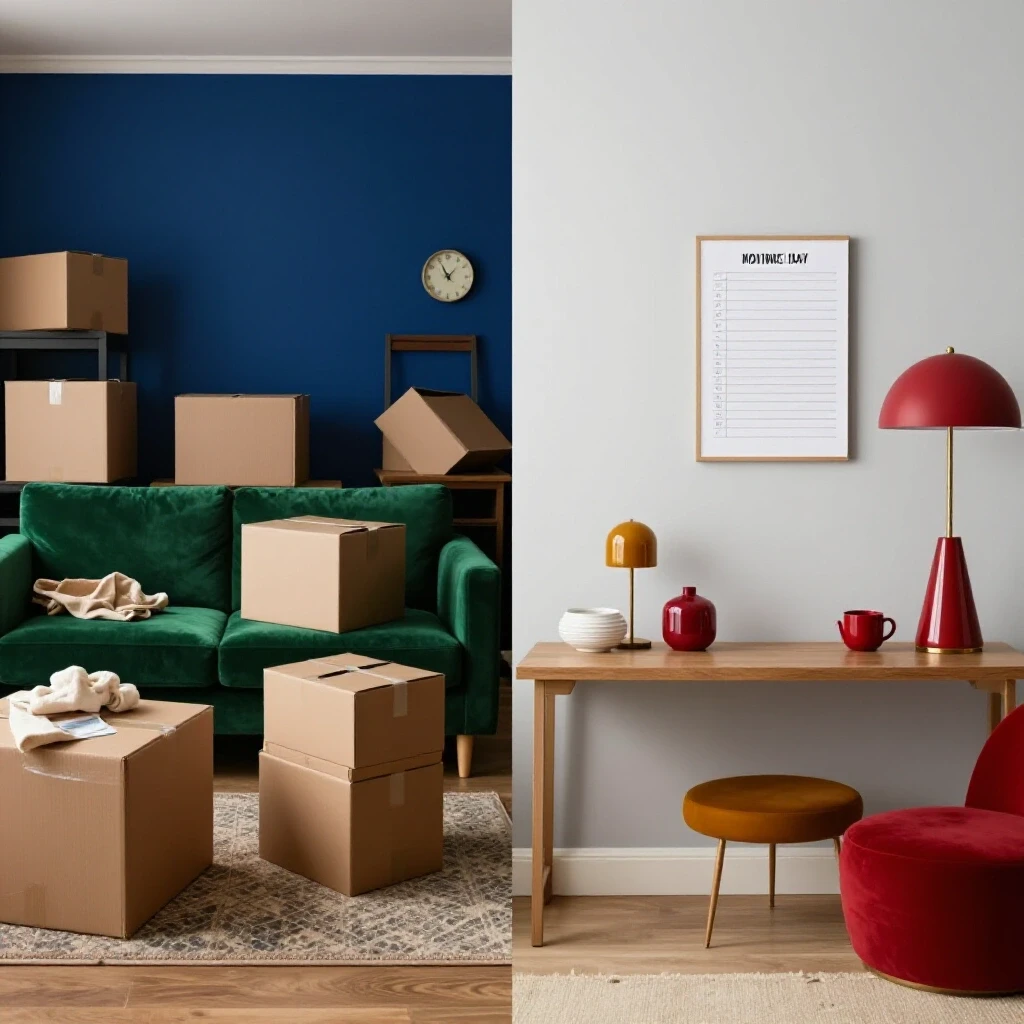
When I first walked into my third home, the most striking feature wasn’t the crown molding or the light fixtures. It was the floor. By choosing to leave large sections of the white oak planks exposed, the wood grain itself became a focal point. Introducing flooring as art changed how I viewed my entire living space. Instead of covering every square inch with rugs or furniture, I allowed the natural materials of the house to speak for themselves. This shift toward a simplified interior wasn’t just a style choice; it was a practical response to fourteen years of tracking home maintenance logs and realizing that more “stuff” often leads to more stress.
The Foundation of Intentional Interior Simplicity
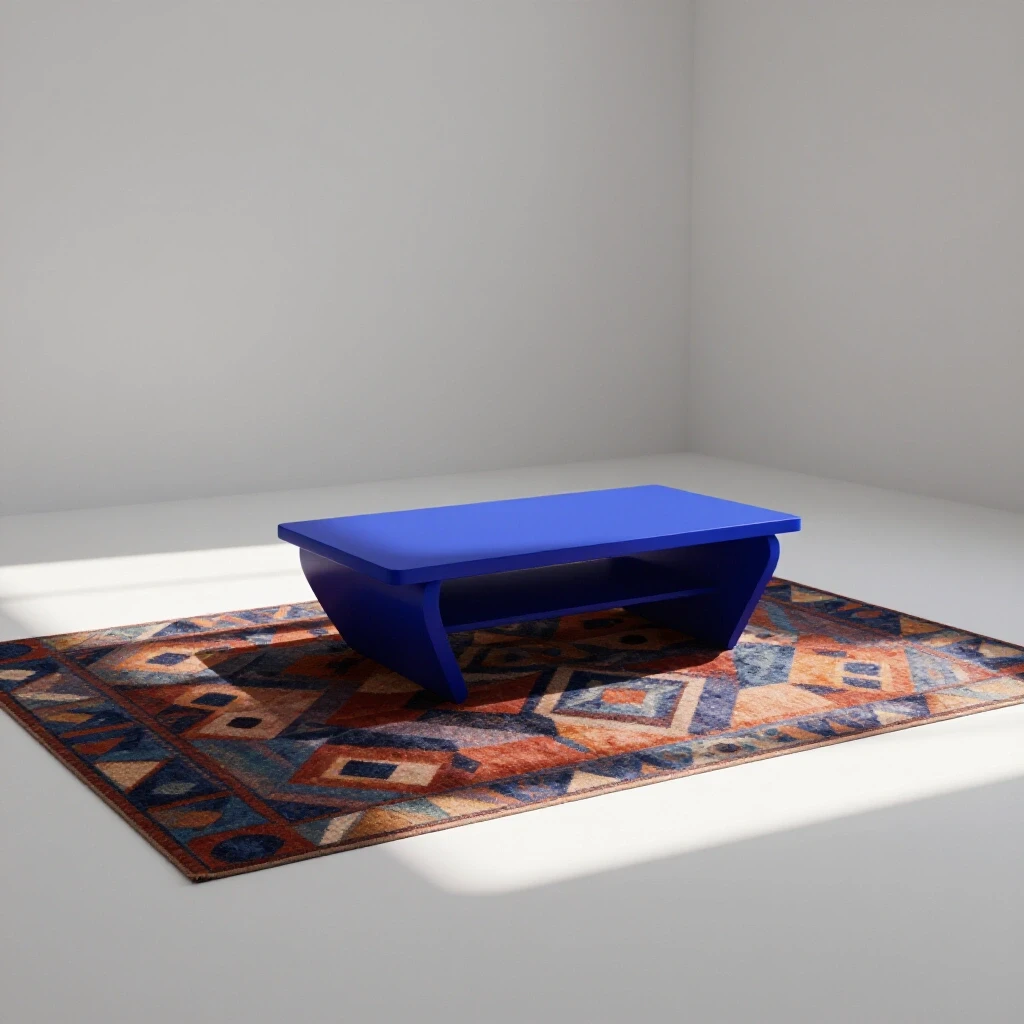
Establishing a home environment focused on utility and calm involves removing visual noise to highlight the architectural bones of the property. This approach prioritizes quality over quantity and ensures every object serves a clear purpose.
When you first buy a home, the urge to fill every room is strong. In my first house back in 2010, I rushed to buy furniture for every corner. I quickly realized that more furniture meant more surfaces to dust, more items to move during deep cleans, and more obstacles when I needed to access wall outlets or baseboard heaters. According to the U.S. Census Bureau’s American Housing Survey, first-time homeowners often spend significantly more on furnishings in the first two years than seasoned owners. I found that by resisting this urge and keeping my spaces open, I could focus my budget on what really matters: the structural integrity of the home.
A simplified home makes it easier to spot problems before they become expensive disasters. When your baseboards aren’t hidden behind heavy cabinets, you’ll notice a water stain from a leaking pipe immediately. When your basement isn’t a graveyard for unused decor, you’ll see the early signs of foundation cracks or pest activity. This level of visibility is the first step in proactive home management.
Creating a Realistic Budget for a Functional Home
A functional home budget allocates funds toward long-term preservation and system health rather than temporary aesthetic trends. It relies on the 1% to 3% rule, where you save a percentage of your home’s value annually for repairs.
Tracking my expenses over three properties taught me that the “sticker price” of a home is just the beginning. I use a simple spreadsheet to log every dollar spent on the house. For a new homeowner, I recommend setting aside at least 1% of your home’s purchase price each year for a maintenance reserve. If your home is older or has aging systems, aim for 3%.
| Expense Category | Annual Benchmark (as % of Home Value) | Purpose |
|---|---|---|
| Routine Maintenance | 0.5% – 1% | Filters, gutter cleaning, lawn care, minor repairs. |
| Capital Reserves | 1% – 1.5% | Saving for a new roof, HVAC, or water heater. |
| Emergency Fund | $2,000 – $5,000 (Flat) | Sudden pipe bursts or appliance failures. |
| Aesthetic Updates | 0.5% | Paint, refinishing floors, simple lighting. |
In my second home, I failed to account for the “hidden” costs of utility increases. HUD reports suggest that energy costs can fluctuate by 10-15% based on seasonal extremes. By maintaining a home with fewer obstructions, I was able to better monitor my airflow and keep my heating bills stable. Simple living isn’t just about the look; it’s about the bottom line.
The Role of Preventative Maintenance in a Calm Space
Preventative maintenance is the practice of performing small, scheduled tasks to prevent large-scale mechanical failures. It is the most effective way to protect your investment and maintain a peaceful domestic life.
A simplified home allows for a more streamlined maintenance routine. When your mechanical room is clear of boxes and clutter, you are more likely to change your furnace filter every 90 days as recommended by the EPA. I keep a digital log of every serial number and installation date for my appliances. This reduces the panic when something eventually stops working.
One of my biggest rookie mistakes was ignoring the gutters during a busy autumn. The resulting basement dampness ruined several boxes of stored items. Now, I prioritize a “clear path” philosophy. I keep the perimeter of my home clear of debris and the interior clear of clutter. This makes my seasonal inspections take minutes instead of hours.
- Quarterly: Change HVAC filters and test smoke/CO detectors.
- Bi-Annually: Clean gutters and inspect the roof for loose shingles.
- Annually: Flush the water heater to remove sediment buildup.
- Every 5 Years: Inspect exterior caulk and seal gaps in the thermal envelope.
Managing Large Systems with Intentionality
Understanding the lifespan and requirements of your home’s major systems is essential for avoiding financial shocks. This involves tracking the age of the roof, HVAC, and plumbing.
In a home with a restrained aesthetic, the focus shifts to the “invisible” parts of the house. You start to care more about the efficiency of your water heater than the color of your curtains. Based on my logs and industry standards, here is what you should expect regarding the longevity of your home’s core components.
| System/Appliance | Expected Lifespan | Estimated Replacement Cost |
|---|---|---|
| HVAC System | 15 – 20 Years | $5,000 – $10,000 |
| Asphalt Shingle Roof | 20 – 25 Years | $8,000 – $15,000 |
| Gas Water Heater | 8 – 12 Years | $1,200 – $2,500 |
| Dishwasher/Fridge | 10 – 13 Years | $800 – $2,500 |
| Sump Pump | 7 – 10 Years | $300 – $800 |
When I evaluated a property for a client recently, the owner had kept the home nearly empty. This allowed us to see exactly where the original 1990s plumbing was starting to sweat. Because they hadn’t crowded the utility closet, the fix was a simple $200 repair. Had it been buried under holiday decorations, it could have been a $5,000 mold remediation project.
Strategic DIY vs. Professional ROI
Deciding when to handle a task yourself and when to hire a pro is a critical skill for the modern homeowner. It requires an honest assessment of your time, tools, and the potential risk of error.
I have spent the last decade learning which tasks offer the best return on investment (ROI) for my time. Painting a room is a high-ROI DIY task because the materials are cheap and the labor is the primary cost. However, I never touch my own electrical panel or gas lines. The risk of a code violation or a safety hazard far outweighs the $150 hourly rate of a licensed professional.
- Painting: High DIY value. Saves $300-$800 per room.
- Lawn Maintenance: Moderate DIY value. Saves $100-$200 per month.
- Appliance Repair: Low DIY value. Modern electronics are complex; hire a tech.
- Caulking/Sealing: High DIY value. Costs $20 in materials; saves hundreds in energy bills.
Building a “tool library” is better than buying cheap sets. I started with a high-quality drill, a level, and a set of screwdrivers. By keeping my tool collection as lean as my decor, I always know exactly where everything is when a faucet starts to drip at 2:00 AM.
Energy Efficiency and the Thermal Envelope
The thermal envelope is the physical barrier between the conditioned air inside your home and the unconditioned air outside. Maintaining this barrier is key to a sustainable and low-cost household.
A home with fewer “things” often feels more sensitive to drafts. This is actually a benefit. I noticed in my current home that a specific corner of the living room felt cold in December. Because there was no heavy furniture blocking the wall, I was able to use a thermal leak detector app on my phone to find a gap in the baseboard. A $6 can of spray foam solved a problem that would have cost me $50 a month in wasted heating.
The EPA suggests that sealing air leaks and adding insulation can save homeowners an average of 15% on heating and cooling costs. This “invisible” home improvement is far more valuable than a new coffee table. It increases the comfort of your living space and protects the mechanical systems from overworking.
Avoiding Homeowner Burnout through Simplification
Homeowner fatigue occurs when the mental and physical demands of property maintenance exceed your capacity to manage them. Reducing the number of items and tasks you manage is the primary cure.
The first three years of homeownership are the most taxing. You are learning the “personality” of your house while trying to maintain your career and family life. I found that by adopting a neutral palette and reducing the number of decorative objects, I felt more in control. My home became a place of rest rather than a list of chores.
If you feel overwhelmed, stop looking at Pinterest and start looking at your maintenance log. Check off one small task, like cleaning the dryer vent. The sense of accomplishment from protecting your home’s safety is much more lasting than the thrill of a new purchase.
- Set Boundaries: Dedicate only four hours on Saturday to home tasks.
- Focus on Function: If an item doesn’t make your life easier or the house safer, reconsider its place.
- Standardize: Use the same type of lightbulbs and air filters throughout the house to simplify shopping.
Building a Sustainable Daily Routine
A sustainable routine integrates small home-care tasks into your daily life so they never pile up into an unmanageable mountain. This relies on the “clean as you go” philosophy applied to property management.
In my fourteen years of ownership, I’ve learned that a house is a living thing. It breathes, it settles, and it wears down. I spend ten minutes every evening doing a “sweep” of the main floor. I’m not just looking for clutter; I’m listening for strange noises from the fridge and feeling for dampness near the windows.
This habit of mindful observation is easier in a simplified environment. When your surfaces are clear, your mind is clear. You can enjoy the way the sunlight hits the floorboards—the “art” we discussed earlier—without being distracted by a pile of mail or a broken trinket.
Conclusion: The Long-Term Path to Home Ownership Success
Success in homeownership isn’t about having the most beautiful house on the block; it’s about having the most resilient one. By prioritizing a simplified interior and a rigorous maintenance schedule, you protect your financial future and your mental health. Start small. Clear one room. Check your furnace filter. Log your first expense. Over time, these small actions build the foundation for a home that serves you, rather than a home that you serve.
FAQ: Navigating a Simplified Home Life
How do I start simplifying my home if I already have too much furniture? Start with the “one-in, one-out” rule, but apply it to your space needs. If you want a clear floor, identify which piece of furniture provides the least utility. Sell or donate it. Often, removing just one bulky item can change the entire flow and maintenance requirement of a room.
Does a simplified interior decrease my home’s resale value? Actually, the opposite is often true. A clean, uncluttered home allows potential buyers to see the actual condition of the walls, floors, and layout. Real estate analysts often find that “staged” homes with minimal, high-quality pieces sell faster because they look larger and better maintained.
What is the most important tool for a new homeowner? A high-quality, 16-foot tape measure and a digital moisture meter. The tape measure helps you avoid buying furniture that is too big for your space. The moisture meter allows you to check basement walls or under-sink areas for leaks that aren’t yet visible to the eye.
How do I handle the “emptiness” feeling in a large house? Focus on textures rather than objects. A single high-quality linen curtain or a well-placed wooden chair provides visual interest without adding clutter. Remember that space itself is a luxury; it provides room for movement, light, and air.
How much should I really save for a new roof? If your roof is 15 years old, you should be saving aggressively. An average roof costs $10,000 to $15,000. If you plan to stay in the home for 10 more years, you need to set aside about $100 to $125 per month specifically for that future expense.
Is DIY always cheaper than hiring a pro? No. If a DIY project requires you to buy $500 worth of tools you will only use once, it may be cheaper to hire a professional who already has the equipment. Always factor in the cost of your own time (your “hourly rate”) when deciding.
How do I keep my utility bills low in an older home? The “big three” are insulation, air sealing, and thermostat management. Use a programmable thermostat to lower the heat when you aren’t home. Seal gaps around windows and doors with weatherstripping. These are low-cost tasks that provide immediate monthly savings.
What should I do if I find a major issue in my first year? Don’t panic. Refer to your home inspection report from when you bought the house to see if the issue was noted. Get three quotes from licensed contractors. Use your emergency fund (the $2,000-$5,000 you saved). Homeownership is a marathon, not a sprint.
How can I make my “flooring as art” look good without rugs? Ensure your floors are professionally cleaned or refinished. Use felt pads on the bottom of all furniture to prevent scratches. The beauty of the wood or tile comes from its condition, so investing in a high-quality vacuum or microfiber mop is essential.
Does a simplified home require more frequent cleaning? It requires less time but more intentionality. Because there are fewer places for dust to hide, you will see it sooner. However, because you don’t have to move dozens of items to clean a surface, the actual process of cleaning usually takes 50% less time.
What are the signs of homeowner burnout? If you find yourself ignoring small leaks, letting the mail pile up for weeks, or feeling a sense of dread when you pull into the driveway, you are likely burnt out. The best fix is to stop all “extra” projects and focus only on basic, essential maintenance for one month.
How do I track my home maintenance without getting overwhelmed? Use a simple digital calendar. Schedule one task per month (e.g., January is for smoke detectors, February is for checking the attic). Breaking the year down into 12 small chunks makes the massive responsibility of homeownership feel manageable.
(This article was written by one of our staff writers, Michael Morrison. Visit our Meet the Team page to learn more about the author and their expertise.)