How to Fix Mold Under Sink from Hidden Leaks (Step-by-Step Guide)

Maintaining an older home requires a shift in perspective. Instead of viewing the property as a static structure, I have learned to see it as a collection of active mechanical systems that require constant monitoring. Over my 17 years as a facilities technician, I have found that the most significant long-term savings do not come from major renovations, but from the early detection of minor failures. A small, persistent drip under a kitchen or bathroom cabinet can quietly degrade materials for months before it is noticed. By mastering a systematic approach to moisture detection and plumbing maintenance, you can protect your home’s value and avoid the high costs of emergency repairs.
Understanding the Building Science of Enclosed Cabinet Environments
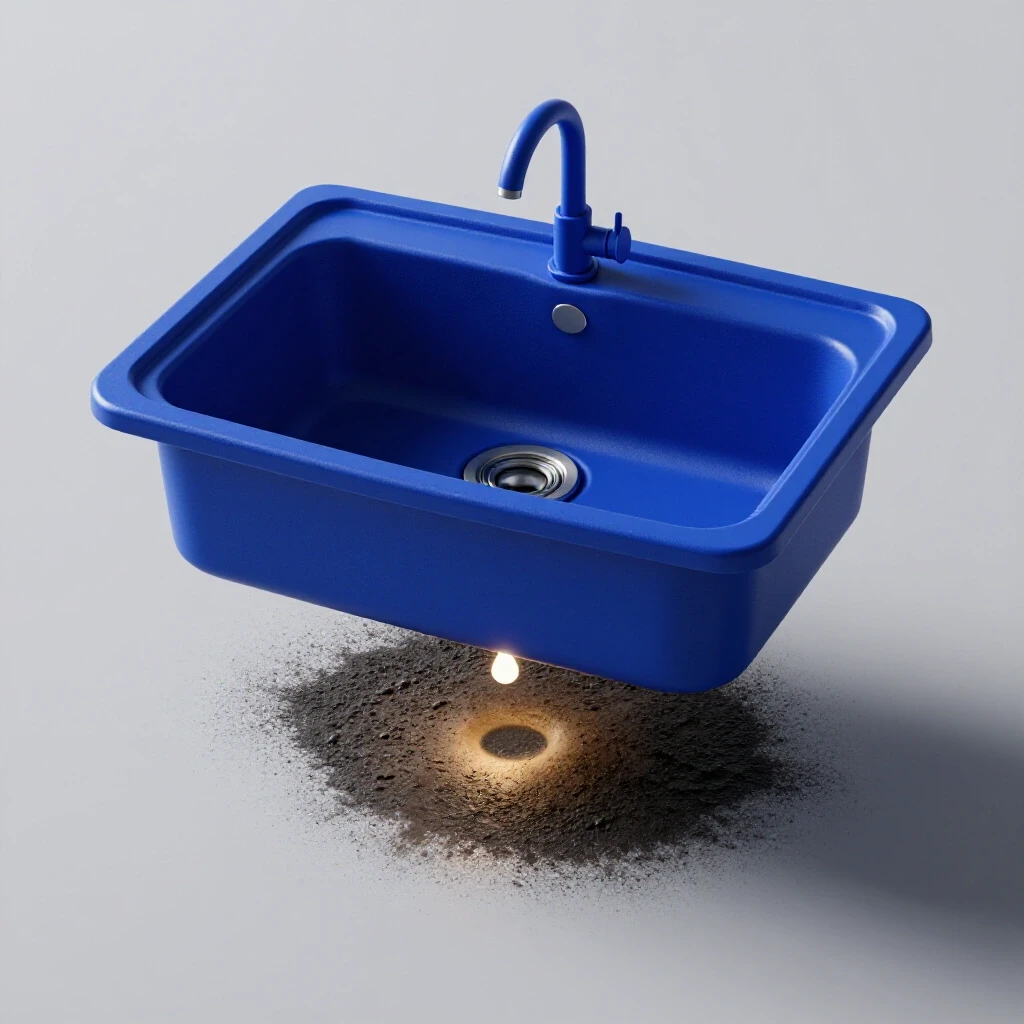
Building science is the study of how heat, air, and moisture move through a structure. In the context of a sink cabinet, we are looking at a micro-environment where limited airflow and high humidity can accelerate the degradation of materials. Because these spaces are often dark and filled with household items, they become the perfect setting for moisture to accumulate unnoticed.
The Role of Relative Humidity and Airflow in Moisture Retention
Relative humidity refers to the amount of water vapor present in the air compared to the maximum amount the air could hold at that temperature. In the confined space under a sink, even a tiny leak can raise the local relative humidity to levels above 60%, which is the threshold where biological growth often begins on organic surfaces like wood or particle board. Without proper airflow to carry this moisture away, the humid air remains trapped against the cabinet surfaces. This lack of ventilation means that once a surface becomes damp, it stays damp, leading to the gradual breakdown of the material’s structural integrity.
Capillary Action and Material Porosity
Capillary action is the process by which liquid flows into narrow spaces without the assistance of, or even in opposition to, external forces like gravity. In your sink cabinet, this means that water from a small leak doesn’t just sit on the floor; it can be “wicked” up into the end-grain of wooden support blocks or through the edges of laminate shelving. Most older cabinets are made of porous materials that act like a sponge. Once moisture enters these pores, it is difficult to remove, creating a persistent damp environment that facilitates the growth of unwanted organisms.
Essential Diagnostic Tools for Under-Sink Inspection
To effectively monitor your home’s plumbing health, you need more than just a visual check. I have found that using specialized tools allows for a much more accurate assessment of what is happening behind the scenes. These tools help you move from guessing to knowing, which is the hallmark of professional-grade home maintenance.
- High-Lumen LED Flashlight: A standard phone light is often insufficient. You need a light with at least 300 to 500 lumens to spot the glisten of a slow “weeping” leak on a dark pipe or the back of a cabinet wall.
- Pinless Moisture Meter: This device allows you to check the moisture content of cabinet floors and walls without poking holes. For most interior wood materials, a reading of 5% to 12% is normal. Anything over 16% to 20% indicates a moisture problem that requires immediate attention.
- Infrared (Thermal) Camera: While more expensive, a basic thermal imager can detect temperature differences caused by evaporative cooling. A damp spot on a cabinet floor will often appear “colder” than the surrounding dry areas, helping you trace a leak back to its source.
- Telescoping Inspection Mirror: This tool is vital for looking at the back of the sink basin or the underside of the countertop where the faucet connects, areas that are otherwise impossible to see.
- Dry Paper Towels: The simplest tool in my kit. Wiping a dry white paper towel along a pipe or joint will reveal moisture that is invisible to the eye.
Systemic Troubleshooting: Identifying the Source of the Leak
When you discover moisture in a cabinet, the first step is to identify whether the source is a supply line issue or a drainage failure. These two systems operate under different physical principles. Supply lines are under constant pressure, usually between 40 and 60 PSI (pounds per square inch), meaning a leak there will be constant. Drainage lines rely on gravity, meaning they typically only leak when water is actively running down the drain.
Symptom-to-Root-Cause Diagnostic Tree
| Symptom | Potential Root Cause | Diagnostic Action |
|---|---|---|
| Constant dripping or pooling | Supply line or shut-off valve failure | Wipe all pressurized lines with a dry paper towel. |
| Moisture only after using the sink | Drain flange, P-trap, or slip nut issue | Fill the sink, then release it all at once to stress-test the drain. |
| Dampness on the back wall | Faulty faucet base seal or backsplash leak | Spray water around the faucet base and check for seepage below. |
| Moisture on cold water pipes only | Condensation (Sweating) | Check cabinet humidity levels; insulate pipes if necessary. |
| Wetness near the dishwasher | Dishwasher supply or discharge hose leak | Run a full dishwasher cycle and monitor the connections. |
Pressure-Side vs. Gravity-Side Failures
Pressure-side leaks are often the most destructive because they never stop. A pinhole leak in a braided stainless steel supply line can spray a fine mist that saturates everything in the cabinet within hours. Gravity-side leaks, such as a loose P-trap slip nut, are more common in older homes where vibrations from a garbage disposal or thermal expansion and contraction have loosened the plastic threads over time. Understanding this distinction helps you prioritize your repair efforts.
Step-by-Step Execution: Addressing Common Plumbing Issues
Once a leak is identified, the repair process must be systematic to ensure it does not recur. In my experience, many homeowners make the mistake of over-tightening fittings, which can crack plastic nuts or crush rubber washers, leading to even worse leaks.
Resealing the Sink Flange and Basket Strainer
The basket strainer is the metal assembly in the sink hole that connects to the drain. Over time, the plumber’s putty used to seal it can dry out and crack. To repair this, you must disassemble the strainer, clean away all old putty or silicone, and apply a fresh bead. Ensure the sink surface is completely dry before applying new sealant. When reinstalling, tighten the large locknut firmly by hand, then give it an additional quarter-turn with a large pair of slip-joint pliers.
Replacing Supply Line Washers and Gaskets
If a leak is coming from the connection between the shut-off valve and the faucet supply line, the culprit is often a degraded rubber washer. – Turn off the water at the main valve or local shut-off. – Disconnect the supply line using two wrenches (one to hold the valve steady, one to turn the nut). – Inspect the internal rubber gasket for flattening or cracks. – Replace the gasket or the entire supply line if it is more than 5-10 years old. – Reconnect and test under pressure for at least 30 minutes.
Managing Condensation on Cold Water Lines
In humid climates, cold water pipes can “sweat” as moisture from the air condenses on the cold surface. This is not a leak in the traditional sense, but it can still cause moisture accumulation and material damage. The solution is to wrap the cold water lines in foam pipe insulation. This creates a thermal barrier that prevents the warm, moist air from reaching the cold pipe surface, effectively stopping the condensation process.
Preventive Maintenance and Protective Barriers
Prevention is about creating a system where leaks are caught immediately and surfaces are protected from the inevitable “oops” moments of home ownership. During my 17 years in facilities management, I found that the best-maintained properties were those that had physical safeguards in place.
Installing Moisture-Resistant Liners and Trays
One of the most effective ways to protect a cabinet floor is to install a waterproof under-sink mat. These mats are typically made of silicone or heavy-duty plastic and feature a raised lip around the edge. If a leak occurs, the mat can hold several gallons of water, keeping the cabinet wood dry and giving you time to notice the problem. – Step 1: Measure the interior dimensions of your cabinet accurately. – Step 2: Choose a mat that fits snugly against all four walls. – Step 3: Periodically lift the mat to ensure no moisture has migrated underneath.
Organizing for Visibility
A cluttered cabinet is a dangerous cabinet. If you have 20 bottles of cleaning supplies shoved under the sink, you will never see a small leak until it has already caused damage. I recommend using clear plastic bins or elevated wire shelving. By keeping items off the cabinet floor, you increase airflow and make it much easier to perform a quick visual inspection with your flashlight.
Real-World Case Study: The Case of the Vibrating Disposal
In one property I managed, a homeowner reported a recurring damp smell under the kitchen sink. Upon inspection, there was no visible dripping. However, using a moisture meter, I found that the back corner of the cabinet floor had a moisture content of 28%.
I discovered that the garbage disposal, which was an older, high-vibration model, had slightly loosened the mounting ring. This didn’t cause a leak during normal sink use, but when the disposal was running, the vibration allowed a small amount of water to spray out from the top of the unit. The fix was simple: I tightened the mounting bolts and added a bead of vibration-dampening sealant. This case taught me that diagnostics must include testing the system under its most stressful operating conditions.
DIY vs. Professional Scope Limits
Knowing when to stop is just as important as knowing how to start. While many under-sink issues are manageable for a homeowner, some situations require a deeper understanding of local building codes.
| Task | DIY Appropriate? | Why? |
|---|---|---|
| Tightening slip nuts | Yes | Simple mechanical connection; low risk. |
| Replacing a faucet | Yes | Standardized parts; clear manufacturer guides. |
| Replacing a shut-off valve | Cautious | Requires shutting off main water; risk of pipe breakage in older homes. |
| Modifying drain heights | No | Requires knowledge of venting and slope codes (1/4″ per foot). |
| Repairing a cracked sink | No | Often requires specialized epoxy or full replacement of the basin. |
Seasonal Maintenance Schedule Tracker
To prevent issues from escalating, I recommend following a strict inspection schedule. Mark these on your calendar to ensure they are not forgotten.
- Monthly: Perform a “Paper Towel Wipe” on all joints and valves. Look for any signs of corrosion or green “fuzz” (verdigris) on copper pipes.
- Quarterly: Empty the cabinet entirely. Check the moisture content of the floor with a meter. Ensure the garbage disposal mounting is tight.
- Bi-Annually: Check the seal around the sink rim on the countertop. If the caulk is peeling, remove it and apply a fresh bead of 100% silicone to prevent water from the counter from seeping down into the cabinet.
- Annually: Inspect supply lines for any signs of kinking or fraying. If you have an older home with original shut-off valves, turn them off and on once to ensure they aren’t “frozen” in place.
Practical Next Steps for Homeowners
If you suspect you have a moisture issue under your sink today, do not wait. The first step is to clear out the cabinet completely. Dry the area thoroughly using a fan or a desiccant like silica gel. Once the area is dry, use the diagnostic tree provided above to find the source. If the wood is soft to the touch, it has lost its structural integrity and may need a reinforced plywood overlay after the leak is repaired.
By applying these building science principles and maintaining a disciplined inspection routine, you transition from being a reactive homeowner to a proactive property manager. This shift not only saves you money but also provides the peace of mind that your home’s foundation—its mechanical and structural health—is being preserved for years to come.
Frequently Asked Questions
How can I tell if a leak is active or old?
Use a moisture meter. An active leak will show a moisture content above 16-20%, while an old, dried-out leak will show a normal reading of 5-12%. You can also circle the damp spot with a pencil; if the spot grows past the line, the leak is active.
Why does my cabinet smell musty even though I don’t see water?
This is often due to high relative humidity or a very slow “weeping” leak that evaporates before it can pool. Check the underside of the sink for condensation or use a thermal camera to look for cold spots that indicate hidden dampness.
Is plumber’s putty or silicone better for a sink drain?
Plumber’s putty is traditional and easy to work with, but it can dry out over time and should not be used on certain stone sinks. 100% silicone provides a longer-lasting, flexible seal but is much harder to remove if you ever need to replace the drain.
How tight should the plastic nuts on the P-trap be?
These should be “hand-tight plus a quarter.” Over-tightening plastic slip nuts is a common mistake that leads to cracked threads and leaks. If it still leaks after hand-tightening, the rubber washer inside is likely misaligned or worn out.
What is the best way to dry out a cabinet after a leak?
Remove all items and use a high-velocity floor fan to move air directly into the space for 24 to 48 hours. If the wood is heavily saturated, a small dehumidifier placed nearby can help lower the ambient relative humidity and speed up the process.
Can I use a shelf liner to hide water damage?
I do not recommend hiding damage. A liner should only be used as a protective barrier on a sound, dry surface. Hiding damage allows moisture to remain trapped, which can lead to structural failure of the cabinet floor.
What causes those green or white crusty deposits on my copper pipes?
This is known as corrosion or “pitting.” Green deposits (verdigris) usually indicate a slow, evaporative leak at a joint. White, crusty deposits (efflorescence) are often mineral buildup from hard water leaking and drying repeatedly. Both indicate a fitting that needs attention.
How often should I replace my flexible supply lines?
Most manufacturers recommend replacing braided stainless steel supply lines every 5 to 10 years. Even if they look fine on the outside, the inner rubber tubing can become brittle and burst under pressure.
Does a garbage disposal increase the risk of leaks?
Yes, because of vibration. The constant shaking can loosen the mounting assembly and the slip joints on the drain line. It is important to check these connections every few months to ensure they remain secure.
What should I do if the cabinet floor is sagging?
If the floor is sagging but the rest of the cabinet is solid, you can install a “floor saver.” This is a piece of 1/2-inch marine-grade plywood cut to fit the bottom of the cabinet, which provides a new, level surface and adds structural support.
(This article was written by one of our staff writers, Daniel Whitaker. Visit our Meet the Team page to learn more about the author and their expertise.)