How Neutral Paint Colors Change Over Time (Expert Insights)

Choosing a simple color palette is often the first task a new homeowner tackles because it offers a high sense of accomplishment for a relatively low cost. After moving into my first home fourteen years ago, I realized that while structural repairs are daunting, refreshing the interior walls felt manageable. It is the ultimate “low-stakes” entry point into home maintenance that allows you to claim ownership of your space. However, as I tracked the progression of these finishes across three different properties, I learned that what you see on move-in day rarely looks the same six months later.
The Financial Reality of Maintaining Interior Finishes
Maintaining the interior appearance of a home involves more than just an initial coat of color. It requires a long-term budget for supplies, touch-ups, and the inevitable full refresh that occurs as surfaces age and wear under daily household activity and environmental exposure.
When you first close on a home, your budget is usually stretched thin by closing costs and moving fees. According to U.S. Census Bureau data, new homeowners often spend significantly more on home improvements in the first two years than at any other time. In my personal logs, I’ve found that setting aside a small portion of the “1% maintenance rule”—the idea that you should save 1% of your home’s value annually for repairs—specifically for interior surfaces is vital.
For a standard 1,500-square-foot home, a DIY refresh might cost between $600 and $1,200 in materials, whereas hiring a professional can easily quintuple that figure. I recommend tracking these costs in a dedicated household budgeting diary to see how much you are actually investing in the “skin” of your home versus its “bones,” like the HVAC or roof.
| Project Scope | DIY Estimated Cost | Professional Estimated Cost | Time Investment |
|---|---|---|---|
| Single Room (12×12) | $100 – $200 | $500 – $800 | 8 – 12 Hours |
| Main Living Area | $300 – $500 | $1,500 – $2,500 | 20 – 30 Hours |
| Full Interior (1,500 sq ft) | $800 – $1,500 | $4,500 – $7,000 | 60+ Hours |
How Lighting and Environment Shift Muted Tones
Light exposure and humidity are the primary drivers of how a wall’s appearance shifts over several months. Understanding how natural UV rays interact with pigments helps homeowners predict how a room will look a year after the initial application.
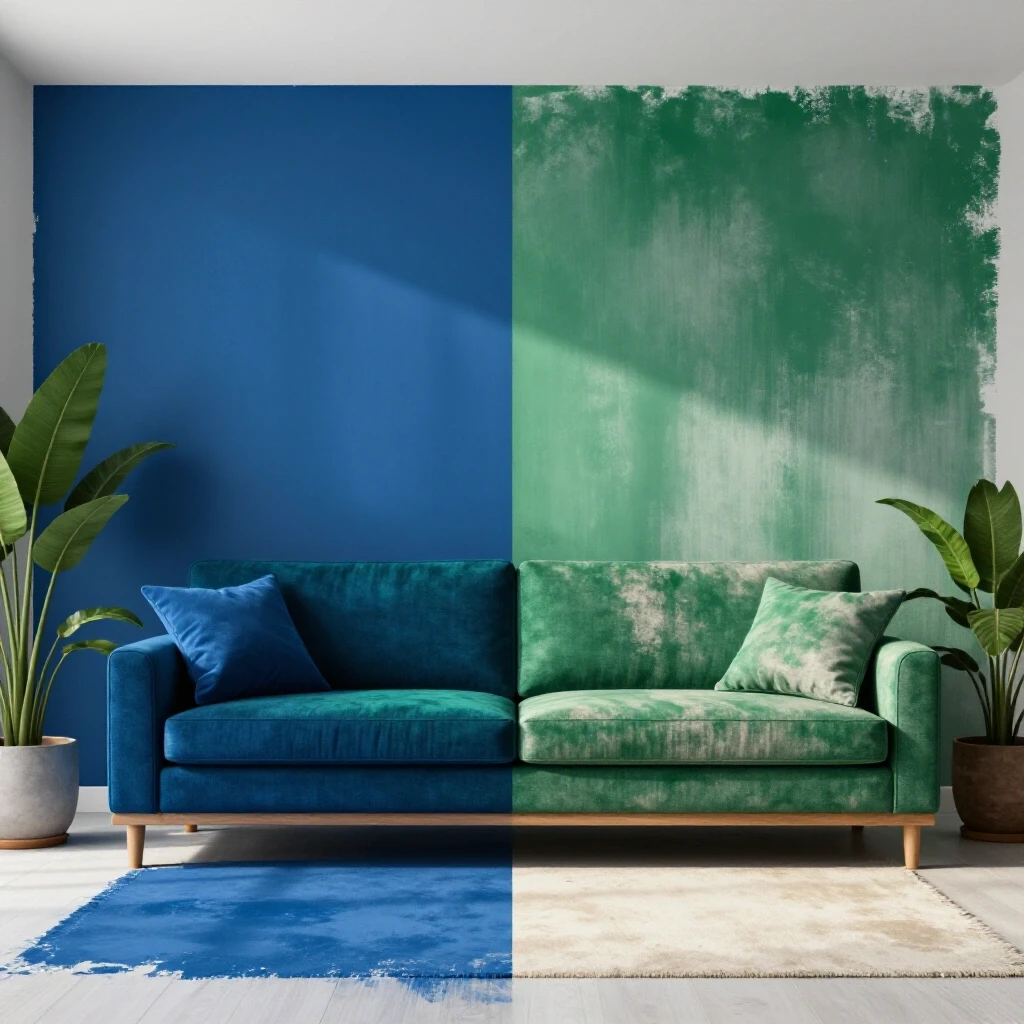
In my second home, a 1940s colonial, I opted for a soft, warm white in the living room. During the winter months, it looked like a cozy cream. However, as summer arrived and the trees outside filled with green leaves, the light bouncing into the room gave the walls a distinct greenish cast. This is a common “first-year surprise” for new owners.
- North-facing rooms: These tend to have cooler, bluish light, which can make warm neutrals look flatter or even slightly gray over time.
- South-facing rooms: These receive intense sunlight that can wash out subtle undertones, making a light beige look almost white during peak hours.
- East/West rooms: The color will shift dramatically from morning to evening, which can be disorienting if you haven’t lived with the palette through a full change of seasons.
Interestingly, the U.S. Department of Housing and Urban Development (HUD) notes that proper interior maintenance, including managing moisture and light, can help preserve the longevity of home materials. I’ve observed that rooms with high UV exposure tend to show “fading” or a shift in pigment stability after about 18 to 24 months, especially if the windows lack UV-filtering films.
Surface Integrity and Cleaning Impacts on Palettes
Daily life leaves marks, and the way a finish responds to scrubbing or moisture determines its longevity. High-traffic areas often show wear differently, requiring specific cleaning protocols to maintain a consistent look across the entire home.
One of my biggest early maintenance failures was using a harsh chemical cleaner on a matte-finish wall in a hallway. Within six months of moving in, the “scuff marks” from moving furniture and daily foot traffic were eyesores. When I tried to scrub them, I ended up “burnishing” the paint—creating a permanent shiny spot that was more noticeable than the original dirt.
As a result, I now advise first-time homeowners to pay close attention to the “sheen” or “finish” of their walls. While flat finishes hide imperfections in older drywall, they are notoriously difficult to clean.
- Matte/Flat: Best for ceilings and low-traffic adult bedrooms. Hard to clean without leaving marks.
- Eggshell/Satin: The “sweet spot” for most living areas. They offer a slight glow and can handle gentle wiping with a damp cloth.
- Semi-Gloss: Essential for kitchens, bathrooms, and trim. These areas face high humidity and frequent cleaning.
Strategic DIY Planning for Long-Term Wall Care
Establishing a sustainable routine for wall maintenance prevents the need for a total home repaint every few years. Small, proactive steps can extend the life of your interior finishes and reduce the financial anxiety of sudden home failures.
Building on this, I suggest creating a “Home Maintenance Log.” In my current home, I keep a digital folder with photos of every paint can lid used in every room. This seems like overkill until you need to touch up a door frame three years later and can’t remember if you used “Antique White” or “Swiss Coffee.”
- Six-Month Check-up: Walk through your home and look for “settling cracks” above door frames. These are common in new builds and older homes alike as they react to seasonal humidity changes.
- Annual Dusting: Walls collect more dust than we realize. A soft microfiber mop used once a year can prevent the “dingy” look that many homeowners mistake for fading pigment.
- Touch-up Kit: Keep a small glass jar of the colors used in each room. This is much easier than hauling out a rusty five-gallon bucket for a one-inch scuff.
Managing Homeowner Fatigue and Decision Paralysis
The sheer number of responsibilities that come with a new home can lead to burnout. Prioritizing which rooms to refresh and when can help maintain your mental well-being while protecting your long-term asset.
When I evaluate homes for clients, I often see “half-finished” DIY projects. This usually happens because the homeowner underestimated the time investment. According to housing survey data, the “honeymoon phase” of homeownership typically lasts about 12 to 18 months. After that, the reality of ongoing chores can feel heavy.
To avoid this, I recommend the “one room per year” rule. Instead of trying to refresh the whole house, focus on the area where you spend the most time. This keeps the budget manageable and prevents your home from feeling like a permanent construction zone.
Tracking the Evolution of Your Home’s Interior
Using modern tools to document your home’s condition is a hallmark of a savvy owner. Digital logs and apps can help you stay ahead of the curve, ensuring you aren’t caught off guard by the natural aging of your property.
- Digital Color Swatches: Use an app to store photos of your walls in different lighting (morning vs. evening).
- Maintenance Calendars: Set reminders for “low-impact” tasks like checking for moisture behind the bathroom vanity.
- Budgeting Software: Track every dollar spent on “cosmetic” vs. “structural” care to see your true cost of ownership.
- Humidity Sensors: Inexpensive sensors can tell you if a room is too damp, which can cause paint to peel or discolor over time.
Why Proactive Care Saves Thousands
It is a common misconception that interior walls are purely aesthetic. In reality, they act as a protective layer for your drywall and plaster. Neglecting these surfaces can lead to more expensive repairs down the road, such as mold remediation or structural damage from undetected leaks.
By observing how your home’s interior evolves over the first year, you gain a deeper understanding of the building’s health. If a neutral-toned wall in the corner of a bedroom starts to show yellowish spots after six months, it’s not a paint failure—it’s a warning sign of a roof leak or poor attic ventilation. This proactive mindset is what separates a stressed homeowner from a confident one.
Frequently Asked Questions
How long does it take for interior colors to actually change? Most homeowners will notice a shift in how their walls look within six to twelve months. This isn’t usually the pigment failing, but rather the result of the “curing” process and the change in seasonal sunlight. The way the sun hits your walls in December is vastly different from June, which changes the perceived color.
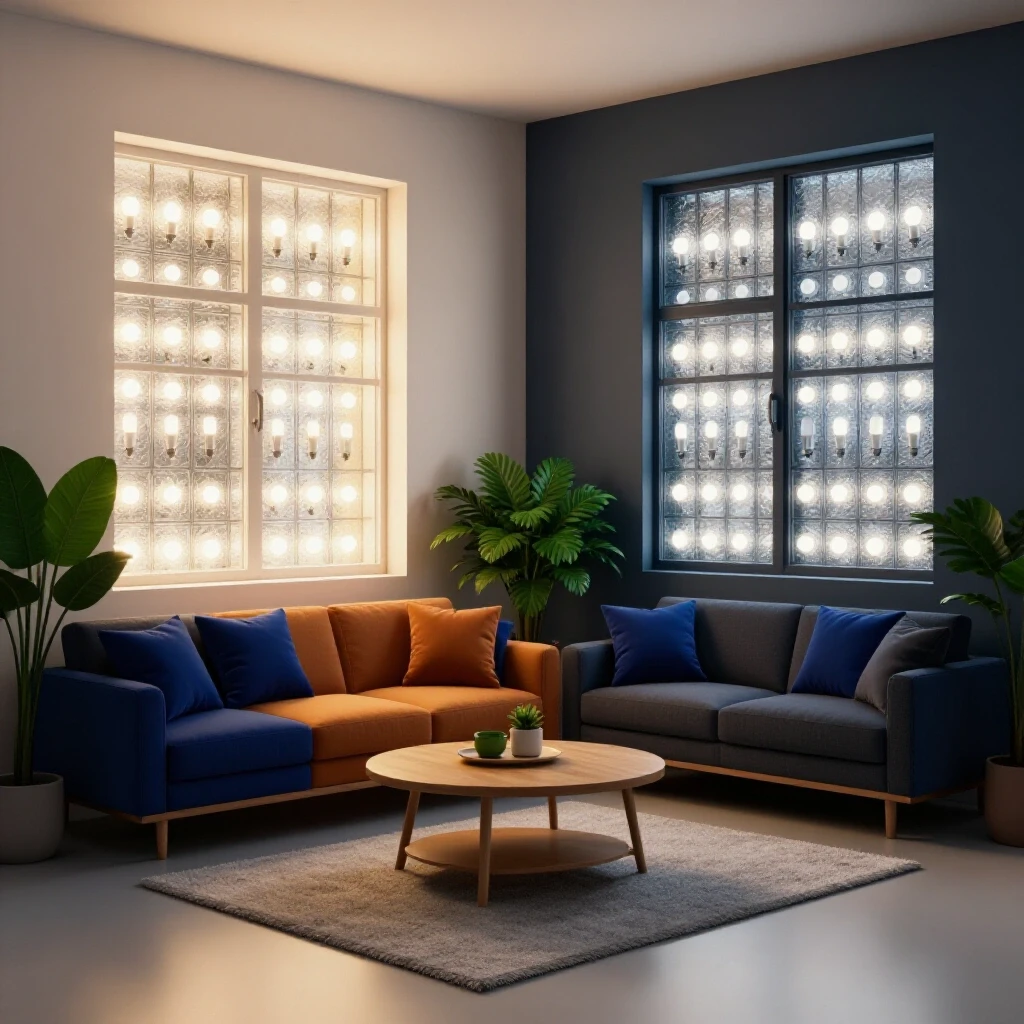
Why do my neutral walls look yellow or blue after a few months? This is often due to “metamerism,” where colors look different under different light sources. If you changed your light bulbs from “warm white” to “daylight” LEDs, your beige walls might suddenly look gray or blue. Always check your lighting before deciding a color has “faded.”
Can I really touch up a wall after a year without it looking splotchy? It is difficult but possible. Paint in the can stays the same, but the paint on the wall oxidizes and collects dust. To touch up, always clean the area first and “feather” the edges of your brush strokes to blend the new paint into the old.
How does humidity affect the look of my walls over time? High humidity can cause “surfactant leaching,” which looks like oily or waxy streaks on the surface. This is common in bathrooms. Maintaining a consistent indoor humidity level (between 30% and 50%) as recommended by the EPA helps keep the finish stable.
Is it worth paying for “premium” finishes for a first home? In my experience, yes. Higher-quality pigments and binders hold their color longer and stand up better to cleaning. If you plan to stay in the home for more than three years, the extra $20 per gallon pays for itself in durability.
How often should I realistically expect to repaint? In high-traffic areas like hallways and kitchens, a refresh every 3 to 5 years is standard. For bedrooms or formal dining rooms, you can often go 7 to 10 years if you maintain the surfaces well.
What is the best way to clean walls without damaging the finish? Use a soft cloth and a mixture of warm water with a drop of mild dish soap. Avoid abrasive sponges or “magic” erasers on anything other than a semi-gloss finish, as they act like fine sandpaper and will dull the look of the wall.
How do I track my home maintenance without feeling overwhelmed? Start small. Use a simple spreadsheet or a dedicated notebook. Log one thing a month—whether it’s the cost of a gallon of paint or the date you changed your HVAC filter. Over time, this data becomes an invaluable “owner’s manual” for your specific property.
(This article was written by one of our staff writers, Michael Morrison. Visit our Meet the Team page to learn more about the author and their expertise.)