How to Paint Kitchen Cabinet Toe Kicks for a Seamless Look (Guide)

Focusing on pets, I have spent years observing how our four-legged friends interact with the lowest levels of our homes. My golden retriever, Buster, has a habit of nudging his water bowl directly against the kitchen island. Over time, the moisture and constant contact led to the original finish on the recessed base panels peeling away. As a facilities manager, I know that ignoring a compromised finish leads to structural swelling in medium-density fiberboard (MDF) or plywood. Taking the time to refresh this small but vital area is a practical weekend DIY project that protects your cabinetry and improves the overall look of your kitchen.
The Anatomy of the Lower Cabinet Recess
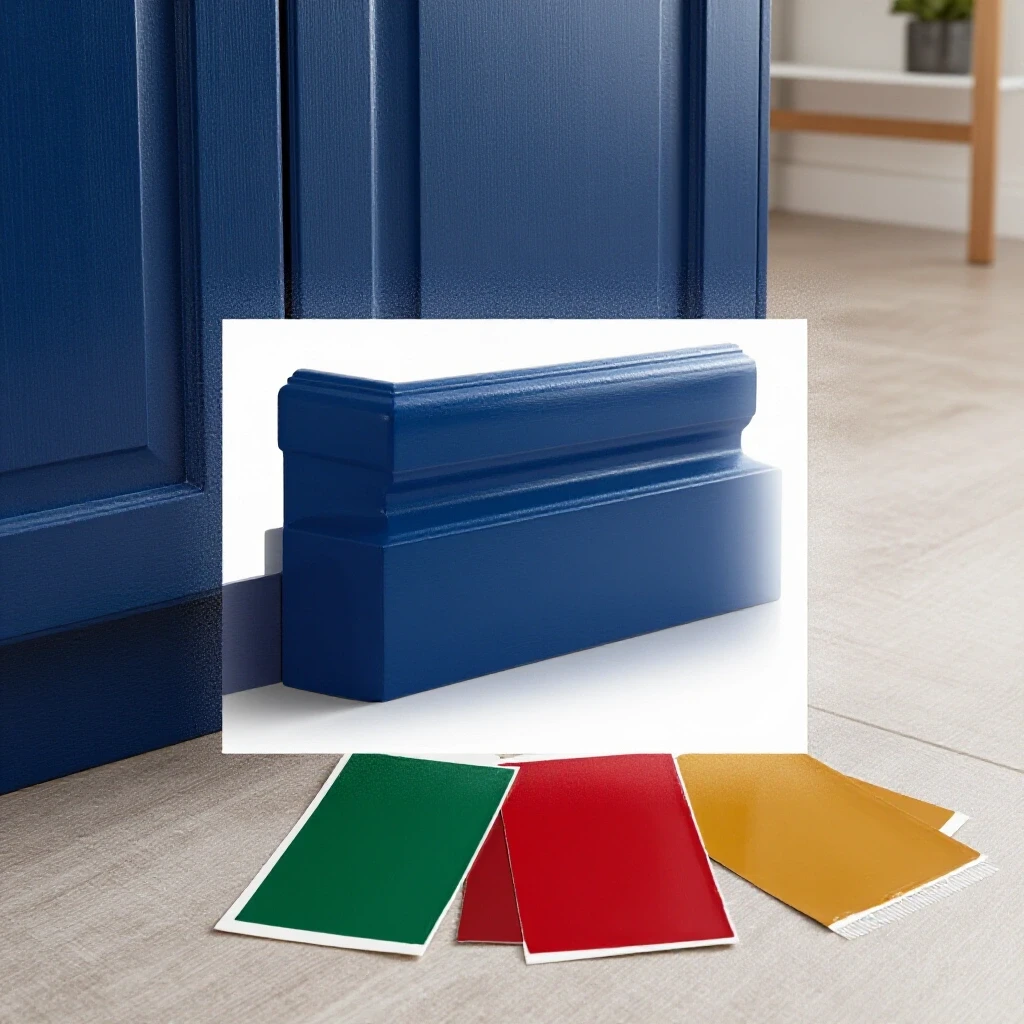
The recessed area at the base of your kitchen cabinets, often called the toe kick, provides a small space for your feet so you can stand closer to the countertop. This four-inch-high panel is a high-traffic zone that endures kicks, vacuum strikes, and spills. Understanding its construction is the first step toward a successful DIY home improvement.
Most modern cabinets use a separate strip of finished material snapped or nailed over the cabinet box. Interestingly, these panels are often made of thinner material than the cabinet doors. Because they sit so close to the floor, they collect grease from cooking and dust from foot traffic. In my 12 years of maintaining residential and commercial facilities, I have found that the most common cause of paint failure in this area is a lack of understanding of the substrate. Whether your base is solid wood, plywood, or laminate, the preparation steps remain the same to ensure a long-lasting bond.
Essential Gear and Material Inventory
Completing a professional-grade update on your lower cabinet trim requires a specific set of tools. You do not need a massive workshop, but using the right equipment prevents the frustration of “brush marks” or “peeling” later on. Here is a breakdown of what you will need for this weekend DIY project.
- Degreaser (TSP or TSP-Substitute): This is a heavy-duty cleaner used to remove kitchen grease and oils.
- Sanding Block and Paper: 120-grit for initial scuffing and 220-grit for smoothing between coats.
- Painter’s Tape: Look for a high-quality multi-surface tape to protect your flooring.
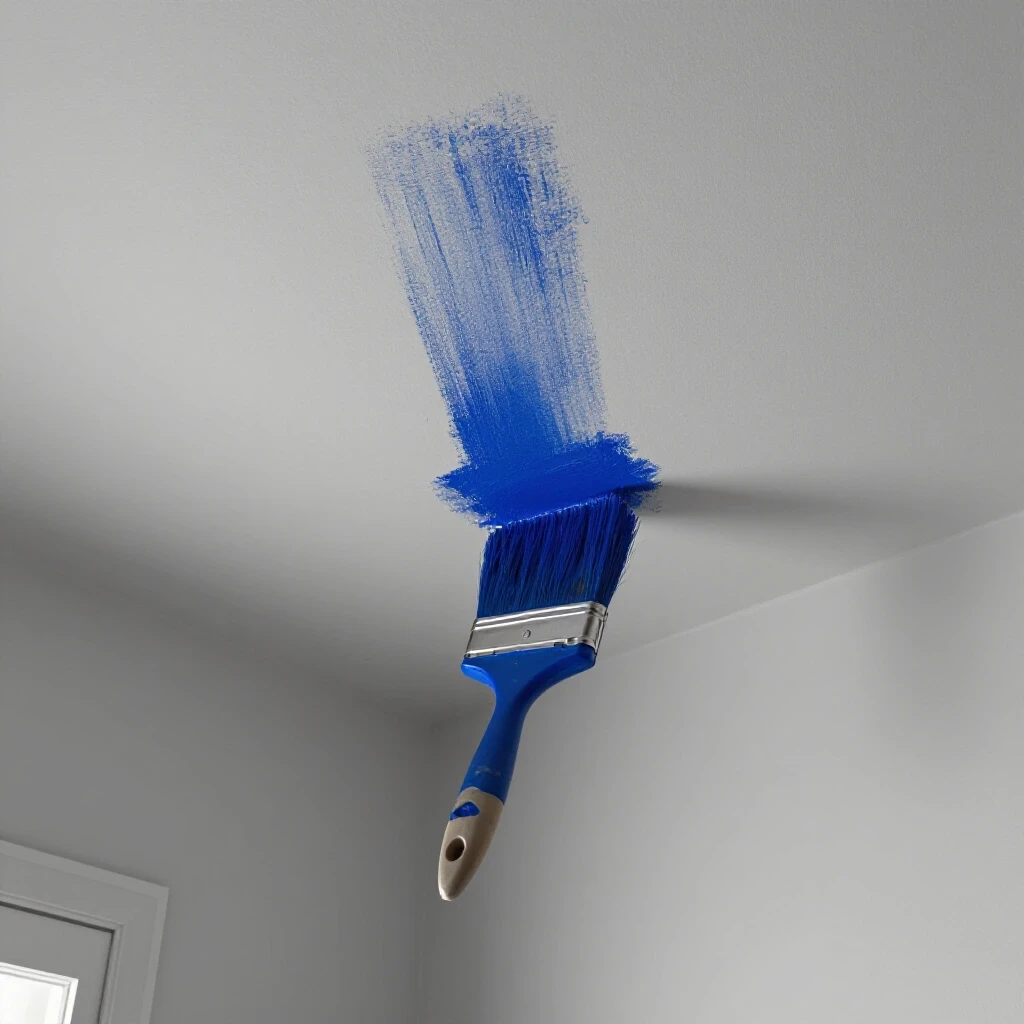
- Angle Sash Brush (1.5 to 2 inches): A synthetic filament brush allows for precision in tight corners.
- Small Foam Roller (4-inch): This helps achieve a smooth, orange-peel-free finish on flat surfaces.
- Cabinet-Grade Primer: A high-adhesion primer is necessary, especially if you are painting over a factory finish.
- Urethane Alkyd Enamel Paint: This modern hybrid paint offers the durability of oil with the easy cleanup of water.
- Tack Cloth: A sticky cheesecloth used to remove every speck of dust after sanding.
DIY vs. Professional Cost and Time Analysis
| Metric | DIY Approach | Professional Service |
|---|---|---|
| Estimated Labor Cost | $0 (Your sweat equity) | $250 – $450 |
| Material/Tool Investment | $60 – $85 | Included in quote |
| Active Working Time | 3 – 5 Hours | 2 – 4 Hours |
| Total Project Duration | 2 Days (including drying) | 1 – 2 Days |
| Tool Investment ROI | High (Tools reusable) | Low (No tools kept) |
Safety Protocols and Environmental Controls
Safety is often overlooked in small-scale home repairs, but working at floor level presents unique challenges. You are dealing with chemical cleaners and paint fumes in a confined space. Following established safety standards, such as those from the National Fire Protection Association (NFPA) regarding the storage of finishes, is vital for a safe home repair.
First, ensure the room is well-ventilated. Even low-VOC (Volatile Organic Compounds) paints can cause headaches in tight spaces. I always set up a box fan in a nearby window to pull air out of the kitchen. Second, consider your ergonomics. I have learned the hard way that kneeling on a hard tile floor for three hours will ruin your back for a week. Use a garden kneeler or a low-profile mechanic’s creeper to stay comfortable. Finally, if your home was built before 1978, test the existing finish for lead before sanding, as required by EPA guidelines.
Surface Prep: Degreasing and Mechanical Bonding
Preparation is 70% of the work when updating your kitchen trim. If you skip the cleaning phase, the oils from cooking will prevent the paint from sticking, leading to a “fisheye” effect where the paint beads up. This is a common point of failure reported in many DIY tutorials that I have analyzed over the years.
Start by mixing your degreaser according to the manufacturer’s technical guide. Scrub the recessed panels thoroughly. Building on this, you must “scuff sand” the surface. You aren’t trying to remove the old finish entirely; you are simply creating microscopic scratches that allow the new primer to grip the surface. This is called mechanical bonding. Once sanded, use a vacuum with a brush attachment, followed by a tack cloth, to ensure the area is surgically clean.
Protecting Your Flooring and Cabinetry
One of the biggest fears for DIYers is getting paint on their expensive hardwood or tile floors. To avoid this, you must master the art of masking. Do not just run a single strip of tape along the floor. Instead, tuck the tape slightly under the edge of the recessed panel if there is a gap.
As a result of my experience in facilities management, I recommend using a “masking paper” attachment for your tape. This provides a 6-inch or 12-inch apron of paper that protects the floor from drips. Interestingly, even a small drop of paint can be difficult to remove from grout lines once it dries. Take the extra 20 minutes to mask properly; it will save you an hour of cleanup later.
Step-by-Step Application of the Finish
Now that the area is clean, sanded, and masked, you can begin the application. This is the core of your step-by-step home upgrade. The goal is to apply multiple thin coats rather than one thick coat, which often leads to sagging or drips.
- Phase 1: Priming. Use a high-adhesion primer. Apply it with the brush in the corners and the foam roller on the flat sections. This layer acts as the “glue” between the old surface and the new paint.
- Phase 2: Intermediate Sanding. Once the primer is dry (usually 2 to 4 hours), lightly run 220-grit sandpaper over it. This removes any raised grain or dust nibs.
- Phase 3: The First Topcoat. Apply your urethane alkyd enamel. Start from one end of the kitchen and work toward the other. Use “long strokes” with the brush to minimize texture.
- Phase 4: The Final Coat. After the first coat has dried according to the manufacturer’s specs (check the back of the can!), apply the final layer.
Material Cure and Drying Timelines
| Stage | Dry to Touch | Re-coat Window | Full Cure (Hardened) |
|---|---|---|---|
| Water-Based Primer | 30 Minutes | 2 Hours | 7 Days |
| Urethane Alkyd Paint | 2 – 4 Hours | 16 – 24 Hours | 30 Days |
| Oil-Based Finishes | 6 – 8 Hours | 24 Hours | 30+ Days |
Note: High humidity or temperatures below 55°F will significantly extend these times.
Managing Curing Cycles and Environmental Factors
A common mistake is confusing “dry” with “cured.” While the paint may feel dry to the touch after a few hours, it remains soft for several days. This is known as the curing process, where the solvents evaporate and the paint resins chemically bond into a hard film.
During the first 48 hours after your weekend DIY project, keep pets and vacuum cleaners away from the area. If a dog’s tail hits the wet paint, you will be spending your Sunday picking fur out of the finish with tweezers. I once had a client who mopped their floors only 24 hours after a similar project; the moisture seeped under the fresh paint and caused it to bubble. Wait at least 7 days before using any cleaning chemicals on the new surface.
Troubleshooting Common Application Errors
Even with careful planning, mistakes happen. The key is knowing how to fix them without calling a professional. If you notice a “run” or a “drip” while the paint is still wet, you can lightly “back-brush” it to smooth it out. However, if the paint has started to get “tacky” or sticky, leave it alone.
If you find a drip after the paint has dried, do not try to scrape it off with your fingernail. Instead, wait until it is fully hard, sand it flat with 220-grit paper, and apply a very thin touch-up coat. Another common issue is “blocking,” where the paint stays sticky and grabs onto dust. This usually happens if the coat was applied too thick or if the room was too cold. Increasing airflow and slightly raising the temperature can help resolve this.
Final Clean-up and Tool Maintenance
Once the final coat is applied, remove the painter’s tape while the paint is still slightly damp. If you wait until the paint is bone-dry, the tape may pull chips of the new finish off with it. Pull the tape at a 45-degree angle away from the painted surface for the cleanest line.
Properly maintaining your tools ensures they are ready for your next project. Clean your synthetic brushes with warm, soapy water until the water runs clear. Use a “brush comb” to straighten the bristles before laying them flat to dry. For the foam roller covers, they are generally considered disposable, but the roller frame should be wiped clean. Store any leftover paint in a cool, dry place, and consider placing a piece of plastic wrap over the top of the can before hammering the lid shut to create an airtight seal.
Project Planning Checklist
Use this checklist to stay on track during your weekend.
- [ ] Friday Night: Clean the area with degreaser and let it dry overnight.
- [ ] Saturday Morning: Mask the floor and scuff-sand the panels.
- [ ] Saturday Midday: Apply the primer coat.
- [ ] Saturday Evening: Lightly sand the primer and apply the first topcoat.
- [ ] Sunday Morning: Apply the second (final) topcoat.
- [ ] Sunday Afternoon: Remove tape and clean tools.
Knowing When to Call a Professional
While most homeowners can successfully handle this update, there are times when the scope might exceed a DIYer’s limits. If you discover significant wood rot or termite damage behind the base panels, you have a structural issue that paint won’t fix. Similarly, if the panels are integrated into complex custom cabinetry with intricate carvings, a professional finisher might be needed to maintain the artistic integrity. However, for 90% of kitchens, this remains one of the most cost-effective and satisfying weekend DIY projects you can undertake.
The value gained from a well-executed update like this isn’t just about the money saved. It is about the satisfaction of looking at your kitchen and knowing that the small, often-forgotten details are handled with the same care as the rest of your home. By following these code-compliant and safety-conscious steps, you ensure that your kitchen remains a functional and beautiful space for years to come.
Frequently Asked Questions
What is the best type of paint for the area under cabinets?
For the highest durability, use a urethane-modified alkyd enamel. These paints are water-cleanup but dry to a very hard finish that mimics traditional oil-based paint. This makes them resistant to the scuffs and kicks that occur at the floor level.
Do I really need to sand if I use a “no-sand” primer?
Yes. In my experience, “no-sand” claims are often marketing hype. A light scuff with 120-grit or 150-grit sandpaper ensures the primer has a physical grip on the surface. This is especially important in kitchens where invisible grease film can remain even after cleaning.
How do I prevent brush marks on the flat panels?
Use a high-quality synthetic brush for the edges and a high-density foam roller for the flat surfaces. The foam roller lays down a very thin, even layer of paint that levels out as it dries, leaving a smooth finish that looks like it was sprayed on.
Is TSP (Trisodium Phosphate) safe to use indoors?
TSP is a strong alkaline cleaner. While effective, it can irritate skin and eyes. Wear gloves and eye protection. Many DIYers now use “TSP-Substitute,” which is phosphate-free and safer for the environment while still being an excellent degreaser for cabinetry.
How long should I wait before mopping the floor near the new paint?
Wait at least 72 hours before doing a light “damp mop” near the area. For heavy scrubbing or using a steam mop, wait a full 30 days. The heat and moisture from a steam mop can cause fresh paint to delaminate before it has fully cured.
Can I paint over laminate or “fake wood” toe kicks?
Yes, but the primer choice is critical. You must use a “bonding primer” specifically designed for non-porous surfaces like laminate or melamine. Without a bonding primer, the paint will easily peel off in large sheets.
What should I do if the paint is peeling from a previous job?
You must remove all loose or flaking paint before starting. Use a paint scraper or 80-grit sandpaper to get down to a solid surface. If you paint over peeling paint, the new layer will simply fall off along with the old one.
Does the color of the base panel have to match the cabinets?
Not necessarily. Many modern designs use a dark charcoal or black for the recessed base to create a “floating” effect for the cabinets. Others match the floor color to make the base disappear. However, matching the cabinet color is the most traditional and cohesive choice.
How much paint will I need for a standard kitchen?
A single quart of paint is usually more than enough to cover the base panels of a standard 10×10 kitchen with two coats. You will likely have plenty left over for future touch-ups.
Is this project compliant with residential building codes?
Yes. Refinishing the surface of your cabinetry is a cosmetic update and does not require a building permit. However, ensure you are not blocking any required floor vents or electrical access panels that might be located in the recessed base area.
(This article was written by one of our staff writers, Robert Callahan. Visit our Meet the Team page to learn more about the author and their expertise.)