How to Keep Pets Safe During Home Renovation (Expert Guide)

How can you ensure your four-legged family members remain secure and calm when your home becomes a high-decibel construction zone? During my 18 years as a project coordinator, I have seen many homeowners focus entirely on cabinet finishes and tile patterns while forgetting the creature most affected by the chaos: the family pet. In my own experience renovating a 1920s bungalow, I learned quickly that a standard construction plan rarely accounts for a curious cat or a noise-sensitive dog. We had to pivot our entire strategy when my own dog, Barnaby, became so stressed by the framing nailers that he refused to eat.
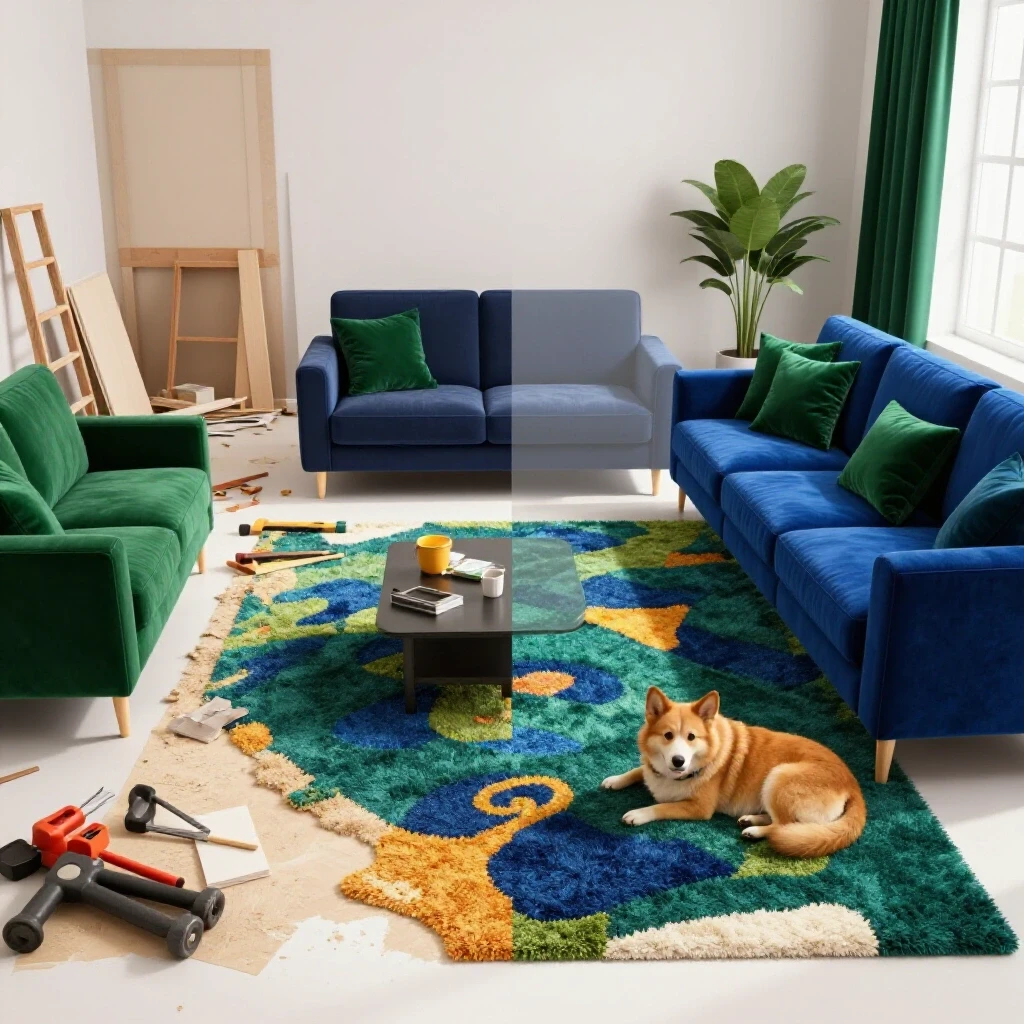
Residential renovation planning requires more than just a schedule for plumbers and electricians. It demands a specialized logistics plan for animal welfare. When we manage a project, we are not just moving walls; we are disrupting a sensory environment. From the chemical smells of new adhesives to the high-frequency whine of a miter saw, the environment becomes hostile for animals. This guide outlines how to adapt your remodeling workflow to keep your pets protected while maintaining project momentum.
Defining the Scope of Animal Protection in Your Remodel
This section focuses on identifying the specific risks pets face during different construction phases. It covers how to build a “pet-safe” scope of work that outlines physical boundaries and environmental controls.
When I started my second full-home renovation, I realized that “winging it” with pet management leads to disaster. A scope of work is a detailed document that describes every task in a project. For pet owners, this must include a “Pet Logistics Rider.” This document specifies which areas are off-limits and what measures the crew must take to secure exits.
In my professional coordination career, I once managed a kitchen remodel where a cat climbed into the open floor joists during the rough-in phase. Rough-in refers to the stage where plumbing and electrical lines are installed before the walls are closed. We spent four hours and significant labor costs carefully removing subflooring to find her. This taught me that containment is not just about keeping pets out of the way; it is about preventing structural entrapment.
Construction Phase Impact on Animal Residents
| Phase | Noise Level | Primary Risk | Mitigation Strategy |
|---|---|---|---|
| Demolition | High | Sharp debris, dust, escape | Off-site boarding or soundproofed zone |
| Rough-In | Moderate | Open walls, wiring, tripping | Hard barriers (plywood/gates) |
| Drywall/Sanding | Low | Fine particulate matter (dust) | HEPA filtration and sealed vents |
| Flooring/Painting | Low | Fumes (VOCs), wet surfaces | Ventilation and 24-hour curing isolation |
| Finish Carpentry | Moderate | Sawdust, small fasteners | Daily magnetic sweeping |
Vetting Contractors for Animal-Friendly Work Sites
This phase involves interviewing and selecting professionals who demonstrate an understanding of animal behavior and site safety. It moves beyond checking licenses to evaluating a crew’s daily habits regarding gates and doors.
Contractor management is the most critical part of a successful renovation. When you are interviewing builders, ask them specifically about their “closed-door policy.” A contractor who leaves the front door propped open for three hours while carrying in lumber is a high risk for a pet owner. In my projects, I require a signed agreement that all exterior gates must remain latched at all times.
I recommend looking for “Pet-Friendly Certified” contractors or those who have experience with high-end residential work where site cleanliness is a priority. During my own bathroom remodel, I hired a tile setter who was great at his craft but left his tools covered in thin-set within reach of my dog. I had to issue a formal change order to include “mandatory tool containment” in our daily site requirements. A change order is a written amendment to the original contract that changes the work or the rules of the site.
Checklist for Contractor Interviews
- Do you use ZipWall or similar plastic barriers to contain dust?
- What is your policy for securing the site at the end of every day?
- Are you willing to use low-VOC (Volatile Organic Compound) materials?
- How do you handle debris removal to prevent nails from staying on the floor?
- Can you provide a fixed schedule so I know when the loudest work will happen?
Strategies for Physical Containment and Zoning
This topic explores the mechanical and structural ways to separate pets from construction hazards. It includes the use of temporary walls, specialized gates, and dedicated “safe rooms.”
Zoning is the practice of dividing your home into “active work areas” and “protected living areas.” During a whole-house remodel, this becomes a moving target. I often use the “Double-Barrier Method.” This involves a primary barrier, like a heavy-duty tension gate, and a secondary barrier, like a sealed plastic curtain.
Interestingly, standard baby gates are often insufficient for pets during a renovation. The stress of the noise can make dogs more likely to jump or cats more likely to squeeze through gaps. We had to change our approach mid-renovation when we realized the dust was bypassing our plastic sheets. We switched to 6-mil reinforced poly sheeting and added air scrubbers. An air scrubber is a portable filtration system that removes particles and odors from the air, which is vital for pets with sensitive respiratory systems.
Comparison of Containment Tools
- ZipWall Systems: These use spring-loaded poles to hold plastic sheeting tightly against the ceiling. They are excellent for dust but won’t stop a determined dog.
- Pressure-Mounted Steel Gates: Better for large dogs, but they can damage drywall if not installed with wall protectors.
- Temporary Plywood Partitions: In major remodels, I often have my crew screw 1/4-inch plywood into the door frames. This is the only 100% secure way to keep cats out of open wall cavities.
- Acoustic Blankets: These are heavy, quilted blankets hung over doors to reduce the decibel level of power tools by up to 10-15 dB.
Managing Air Quality and Chemical Exposure
This section addresses the invisible threats of remodeling, such as dust, fumes, and lead. It explains how to monitor and improve the air your pet breathes during the project.
Pets breathe closer to the floor, where heavy dust and fumes settle. This makes them more susceptible to respiratory distress. During the execution of a kitchen remodel, the “finish phase” often introduces the most chemicals. This is when cabinets are stained and floors are sealed.
I always suggest using materials with a “Greenguard Gold” certification. This means the products have low chemical emissions. If you are renovating an older home, you must also consider lead-based paint. If your home was built before 1978, any sanding can release lead dust. According to residential building standards, pets must be completely removed from the property during lead abatement or any heavy sanding of old finishes.
Essential Air Quality Metrics for Pet Owners
- MERV Rating: Use filters with a Minimum Efficiency Reporting Value of 13 or higher in your HVAC system.
- VOC Levels: Aim for “Zero-VOC” paints, which contain less than 5 grams per liter of volatile organic compounds.
- Humidity Control: Keep humidity between 30% and 50% to prevent mold spores from becoming airborne during demolition.
- HEPA Vacuuming: Ensure the crew uses vacuums with High-Efficiency Particulate Air filters to trap 99.97% of dust particles.
Scheduling and Sequence Adjustments for Stress Reduction
This part of the guide focuses on project management and how to time loud tasks to minimize the duration of animal distress. It introduces the concept of “Critical Path” scheduling for pet welfare.
The “Critical Path” is the sequence of stages that determines the minimum time needed to finish a project. When planning for pets, we often have to add “float time.” Float time is extra time built into a schedule to account for delays without pushing back the final completion date.
In one project I coordinated, we had to change the sequence of the floor refinishing. Originally, we planned to do it while the homeowners were at work. However, the fumes were too intense for their elderly dog to stay in the basement. We rescheduled the work for a long weekend when the family and the dog could stay at a pet-friendly hotel. This adjustment cost a small amount in scheduling fees but saved the dog from a high-stress environment.
Sample Pet-Centric Construction Sequence
- Week 1 (Demolition): Pets off-site. This is the loudest and most dangerous phase.
- Week 2-3 (Rough-In): Pets can return to a “safe room” with white noise machines and air scrubbers.
- Week 4 (Drywall): High dust. Pets should be confined to areas with separate ventilation.
- Week 5 (Painting): Use low-odor products. Keep windows open and pets away from wet surfaces.
- Week 6 (Finish/Punch List): Normal activity resumes, but watch for small items like trim nails or screws.
Long-Term Design Integrations for Pet Safety
This section looks at the post-occupancy phase, where homeowners can build permanent features into their remodel to improve the life of their pets.
A successful remodel doesn’t just survive the pets; it serves them. During my own whole-house renovation, we integrated a “pet station” into the mudroom. This included a floor-level faucet for water bowls and a pull-out drawer for food.
We also had to change our flooring choice mid-project. We originally wanted wide-plank oak, but after researching the Coefficient of Friction (COF), we switched to a high-quality luxury vinyl plank (LVP). COF is a measurement of how slip-resistant a surface is. For older dogs, a higher COF is essential to prevent hip injuries. Most RSMeans data suggests that LVP is not only more durable for pets but also more cost-effective to install than traditional hardwood.
Durable Material Benchmarks
| Material | Scratch Resistance | Slip Resistance (COF) | Moisture Rating |
|---|---|---|---|
| Hardwood | Low | Low (0.4) | Poor |
| Porcelain Tile | High | High (0.6+) | Excellent |
| Luxury Vinyl | Medium-High | Medium (0.5) | Excellent |
| Quartz Counters | High | N/A | Excellent |
| Semi-Gloss Paint | High | N/A | Good (Washable) |
Daily Site Management and Quality Control
This final section covers the daily habits required to maintain a safe environment. It includes checklists for the end of the workday and communication protocols.
Every evening after the crew leaves, I perform a “Site Sweep.” This is a 15-minute walkthrough to ensure no hazards were left behind. I use a high-powered magnetic sweep to pick up dropped nails. I also check that all windows are locked and no buckets of water or chemicals are left open.
One of the biggest risks I’ve seen in my 18 years is “unsecured vertical transitions.” This is a fancy way of saying “holes in the floor.” During a kitchen remodel, if a kitchen island is moved, there might be a hole leading to the crawlspace. I once had to rescue a client’s ferret from a HVAC duct because the floor register was left off overnight. Now, I make it a rule that all floor openings must be covered with screwed-down plywood at the end of every shift.
The 10-Minute Daily Safety Audit
- Gate Check: Are all exterior gates and interior barriers latched?
- Fastener Check: Run a magnet over the floor in the work area and the path to the dumpster.
- Chemical Check: Are all paints, solvents, and adhesives capped and stored in a cabinet?
- Electrical Check: Are all power tools unplugged and cords coiled?
- Opening Check: Are all floor holes or open wall sections covered?
Planning a renovation with pets is a complex logistical challenge, but it is manageable with the right framework. By treating animal welfare as a core part of your project’s scope, you reduce the risk of accidents and lower the stress for everyone involved. Start by drafting your “Pet Logistics Rider” today and share it with potential contractors during the bidding process. This sets the tone that your home is a managed site where safety is the priority.
Frequently Asked Questions
How do I know if my pet is too stressed to stay home during a remodel?
Signs of extreme stress include hiding for long periods, refusing food, excessive panting, or changes in bathroom habits. If your pet shows these signs, you should move them to a quieter location or board them during the loudest phases of construction, such as demolition or floor sanding.
What is the most dangerous phase of a renovation for a pet?
Demolition is the most hazardous phase. It involves high noise levels, sharp debris like nails and glass, and the potential release of old dust or mold. It is also the time when exterior doors are most likely to be left open as debris is carried out, increasing the risk of a pet escaping.
Can construction dust actually hurt my cat or dog?
Yes. Pets have smaller lungs and higher respiratory rates than humans. Fine dust from drywall or sawdust can cause inflammation. Furthermore, pets often lick their paws, meaning they ingest any dust they walk through. Using HEPA air scrubbers and daily damp-mopping is essential.
Are there specific paints that are safer for homes with animals?
Look for paints labeled “Zero-VOC” or those that meet the “Greenguard Gold” standard. These products emit fewer chemicals into the air as they dry. Even with these paints, it is best to keep pets out of the room for 24 to 48 hours until the finish has fully cured and the odor has dissipated.
How can I prevent my pet from getting trapped in the walls?
During the “rough-in” phase, walls are often open, exposing the gaps between studs. Cats, in particular, love to explore these small spaces. You must ensure your contractor uses temporary plywood covers or heavy-duty mesh over any open wall sections or floor joists before they leave the site each day.
What should I include in a contract regarding my pets?
Your contract should include a “Pet Safety Clause” that mandates all gates be kept closed, specifies the use of dust containment systems like ZipWalls, and requires a daily magnetic sweep for nails. It should also state that the contractor is responsible for any costs associated with pet escapes if they fail to follow these protocols.
Is it better to board my pet or keep them in a safe room?
This depends on the pet and the scale of the project. For a single-room bathroom remodel, a safe room at the opposite end of the house with a white noise machine may suffice. For a whole-house remodel or kitchen renovation involving major structural changes, off-site boarding or staying with a friend is usually the safer, less stressful option.
How do I clean the house properly after the renovation is done?
A standard cleaning is rarely enough. You should perform a “post-construction deep clean,” which includes vacuuming walls, cleaning inside all cabinets, and replacing all HVAC filters. Pay special attention to floor corners and under appliances where small metal shards or “vibrated” dust might have settled during the project.
(This article was written by one of our staff writers, David Langford. Visit our Meet the Team page to learn more about the author and their expertise.)