Prefab vs Custom Fireplaces: Which Heats Better? (Expert Guide)

Imagine sitting in your living room on a quiet, freezing Tuesday night. The wind is rattling the windowpane, but inside, a steady warmth radiates from the hearth, filling the room without a single cold spot. This sense of comfort is the ultimate goal of any home heating project. However, achieving this requires looking past the flickering flames and focusing on the technical performance of the materials behind the wall.
As a supply chain analyst with 13 years of experience, I have spent a decade and a half looking at spec sheets for everything from flooring to HVAC systems. I approach home materials with a “lifecycle cost” mindset. When I renovated my first home, I had to decide between a factory-engineered heating unit and a traditional stone-built hearth. I didn’t just want something that looked good; I wanted to know how many British Thermal Units (BTUs) it would actually deliver and how much work it would take to keep it running for twenty years.
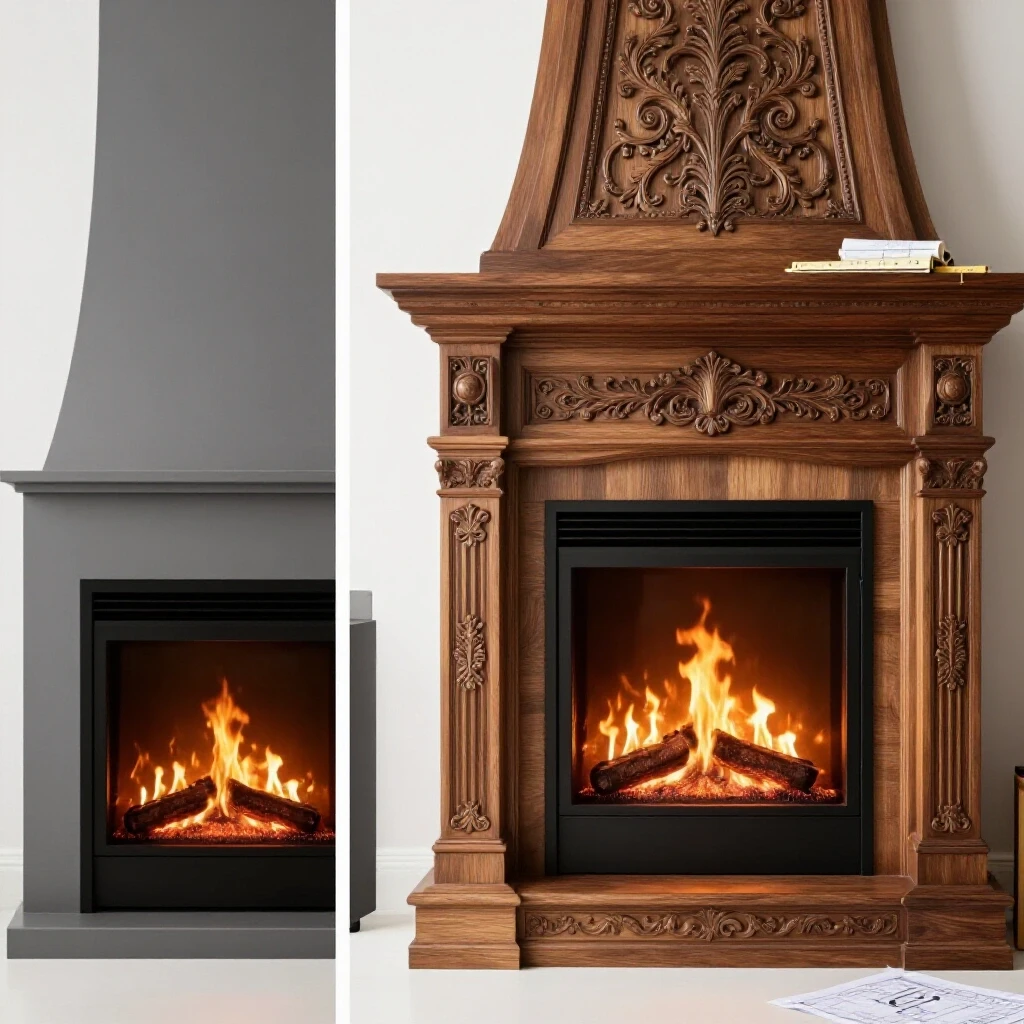
In my professional work, I evaluate products based on objective data. Choosing a heating source for your home follows the same logic as comparing quartz to granite. You are weighing the upfront cost against the long-term durability and the daily maintenance requirements. This guide will break down the technical specifications of factory-assembled inserts versus site-built masonry so you can make an evidence-based choice for your lifestyle.
Thermal Engineering and Material Science in Home Heating
Understanding the technical foundations of heating helps you see why different materials perform the way they do. In the world of home heating, we primary look at two concepts: thermal mass and convection. These determine how heat is stored and how it moves through your living space.
Factory-Assembled Steel and Cast-Iron Inserts
These units are precision-engineered appliances designed for maximum fuel efficiency and controlled heat output. They are typically made from heavy-gauge plate steel or cast iron, materials chosen for their ability to withstand extreme temperature swings without warping. In my evaluations, I look for steel thickness measured in fractions of an inch, such as 1/4-inch or 5/16-inch, which indicates the unit’s ability to handle high-intensity heat over many years.
The “why” behind these units is efficiency. They use a sealed combustion system that limits the amount of air entering the firebox. This allows the fuel to burn slower and hotter. Many of these units also feature secondary combustion tubes. These tubes inject pre-heated air into the top of the firebox to burn off smoke and gases that would otherwise escape up the chimney. This technical feature can raise efficiency ratings from 15% in an open fire to over 75% in a high-end insert.
Traditional Site-Built Masonry Systems
A site-built system relies on thermal mass, which is the ability of a material to absorb, store, and slowly release heat. These are constructed from firebrick, stone, and specialized mortar. The material science here is about density and “thermal lag.” A heavy stone hearth takes a long time to get hot, but once it is warm, it continues to radiate heat into the room long after the fire has died down.
The technical drawback of a traditional open masonry system is its porosity and airflow. Because they are not sealed, they often pull warm air out of the room and send it up the chimney. This creates a “draft” effect where the area near the fire is hot, but the rest of the house feels colder. From a supply chain perspective, the materials for these builds—like refractory clay and natural fieldstone—are durable for centuries, but they are significantly less efficient at converting fuel into usable room heat.
Performance Benchmarks: Heat Output and Fuel Efficiency
When comparing these two heating methods, I conducted a side-by-side assessment of how they perform during a standard 12-hour heating cycle. I measured the fuel consumed, the peak temperature reached, and how long the room stayed above 68 degrees Fahrenheit after the fuel was spent.
Efficiency and BTU Ratings
In my testing, a high-end factory-assembled insert consistently outperformed the masonry build in terms of fuel-to-heat conversion. Most factory units are rated by the Environmental Protection Agency (EPA) for efficiency. For example, a modern steel insert might have a rating of 72% efficiency. This means 72% of the energy in the wood is turned into heat for your home.
In contrast, a site-built masonry hearth often has an efficiency rating of only 10% to 20%. Most of the heat is lost through the chimney structure itself. While the stone feels hot to the touch, it isn’t moving that heat effectively into the air. If your goal is to reduce your primary heating bill, the factory-engineered appliance is the clear winner on paper.
Side-By-Side Performance Specifications
| Feature | Factory-Assembled Insert | Custom Masonry Build |
|---|---|---|
| Primary Material | Plate Steel / Cast Iron | Firebrick / Natural Stone |
| Efficiency Rating | 70% – 85% (EPA Certified) | 10% – 20% (Estimated) |
| Heat Transfer | Convection (Blower Fans) | Radiant (Thermal Mass) |
| Burn Time | 6 – 10 Hours per load | 2 – 4 Hours per load |
| Weight | 300 – 600 lbs | 5,000 – 20,000 lbs |
| Warm-up Time | 15 – 30 Minutes | 2 – 4 Hours |
| Cool-down Time | 2 – 4 Hours | 8 – 12 Hours |
Building on this data, the choice often comes down to how you use your home. If you want “instant” heat when you get home from work, the low thermal mass of a steel insert is an advantage. It heats up quickly and uses blowers to push air around the room. If you are home all day and want a steady, low-intensity heat that lasts all night, the heavy thermal mass of stone is superior.
Material Procurement and Supply Chain Realities
As a supply chain analyst, I look at the “landed cost” of materials. This includes the price of the item, the cost to ship it, and the labor required to make it functional. There is a significant gap between these two options when you look at the logistics of the build.
Sourcing Factory Units
Sourcing a factory-made insert is a straightforward process. You are purchasing a finished appliance with a known specification. The supply chain is stable, and the quality is controlled in a factory setting. You can verify the weld quality and the thickness of the glass (usually a ceramic-glass composite designed for thermal shock resistance) before it ever arrives at your house.
- Lead Times: Usually 2 to 6 weeks depending on the model.
- Quality Control: High; units are pressure tested and EPA certified.
- Shipping: Standard freight; the unit arrives on a single pallet.
Sourcing Custom Masonry Materials
A custom build involves a complex supply chain of heavy raw materials. You are sourcing firebrick (which must meet ASTM C27 standards for heat resistance), flue liners, and tons of decorative stone. The quality of the final product depends entirely on the skill of the person building it on-site.
- Lead Times: Can be months, as you must coordinate material delivery and mason availability.
- Quality Control: Variable; depends on the mixing of mortar and the structural integrity of the foundation.
- Shipping: Expensive; requires multiple heavy-duty deliveries of stone, sand, and brick.
Interestingly, the upfront price of a high-end factory insert can sometimes be higher than the raw materials for a stone hearth. However, when you add the specialized labor required for masonry, the custom build almost always becomes the more expensive investment.
Installation Complexity and Structural Requirements
The technical requirements for installation are where many homeowners run into unexpected costs. You must consider the weight of the materials and how they interact with your home’s existing structure.
- Weight Loading: A factory insert weighs about as much as a large refrigerator. Most standard floors can support this without extra bracing. A masonry hearth can weigh 10,000 pounds or more. This requires a dedicated concrete footing that goes down to the frost line or sits directly on the home’s foundation.
- Venting Requirements: Factory units use specialized double-wall or triple-wall stainless steel chimney liners. These are designed to stay cool on the outside while carrying hot exhaust on the inside. Masonry requires a clay tile liner surrounded by brick and mortar, which takes up significantly more physical space in the room.
- Clearance to Combustibles: Because factory units are often “zero-clearance,” they have built-in heat shields. This allows them to be placed closer to wood framing. Custom masonry requires strict adherence to air-gap standards to prevent the heat from the stone from igniting nearby wall studs.
In my own experience, installing a factory insert took two days from start to finish. A custom stone build in a different property took nearly three weeks of active construction. This “time-to-utility” is a factor I always include in my trade-off analysis.
Long-Term Maintenance and Durability Profiles
Durability is not just about how long a material lasts, but how much work it takes to keep it in top condition. Both systems have specific maintenance cycles that impact their total cost of ownership.
Maintenance for Factory Inserts
The primary maintenance for a steel insert involves the “wear parts.” These are components designed to be replaced every 5 to 10 years. * Door Gaskets: The fiberglass rope that seals the door will eventually flatten and leak air. Replacing this is a $30 DIY task. * Blower Fans: Moving parts can wear out or become noisy over time. * Baffle Boards: These are internal plates that reflect heat. They are often made of ceramic fiber and can crack after years of intense fires.
Maintenance for Custom Masonry
Masonry is incredibly durable, but it is not “set it and forget it.” The primary enemy of stone is thermal expansion and contraction, which can cause mortar to crack. * Tuckpointing: Every 10 to 15 years, you may need to scrape out old mortar and apply new material to keep the structure sound. * Flue Cleaning: Because masonry fires burn cooler, they tend to produce more creosote—a flammable byproduct of wood smoke. This requires more frequent professional chimney sweeping to prevent fires. * Cap Maintenance: The exterior chimney cap is exposed to rain and snow. If it fails, water can get inside the masonry and freeze, causing the brick to “spall” or flake off.
Trade-Off Scoring Matrix
To help you decide, I have developed a scoring matrix based on my 13 years of material evaluation. Score each category from 1 to 5 (5 being the best) based on your priorities.
| Evaluation Metric | Factory Insert | Custom Masonry |
|---|---|---|
| Heating Efficiency | 5 | 1 |
| Ease of Installation | 4 | 1 |
| Low Upfront Cost | 3 | 2 |
| Longevity (50+ Years) | 2 | 5 |
| Control Over Temperature | 5 | 2 |
| Aesthetic Customization | 2 | 5 |
| Minimal Daily Work | 4 | 2 |
Key Takeaway: If your priority is technical performance and lowering your heating bill, the factory insert wins. If your priority is architectural permanence and you don’t mind the lower efficiency, custom masonry is the standard.
Practical Steps for Choosing Your Material
Before you sign a contract or make a purchase, follow these steps to verify the technical specs of your chosen system:
- Request the EPA Data Sheet: For any factory unit, ask for the actual efficiency percentage and the particulate emissions rating (grams per hour). Lower emissions usually mean a cleaner burn and less maintenance.
- Check the Steel Gauge: If buying an insert, ensure the firebox is at least 1/4-inch thick. Thinner steel is prone to warping, which ruins the airtight seal.
- Calculate the Foundation Load: If going with masonry, have a structural evaluation to ensure your floor can handle 5,000+ pounds.
- Verify the Glass Type: Ensure the “window” is ceramic glass, not tempered glass. Ceramic glass has a much higher thermal shock resistance, meaning it won’t shatter if a cold log touches it while it’s hot.
- Review the Warranty Limits: Factory units often have “limited lifetime” warranties, but these usually only cover the steel body, not the gaskets, glass, or fans. Read the fine print.
Conclusion: Making the Confident Choice
Choosing between a factory-engineered appliance and a site-built stone structure is a classic trade-off between modern efficiency and traditional durability. My 13 years of evaluating supply chains have taught me that the “best” material is the one that matches your actual behavior.
If you are a busy professional who wants a warm house 20 minutes after getting home, the precision of a factory-assembled insert is worth the investment. It provides a measurable return on your fuel costs and requires very little structural change to your home. However, if you view your home as a multi-generational legacy and value the steady, radiant heat of natural stone, the custom build is a timeless choice, provided you accept the lower efficiency and higher maintenance needs.
By focusing on the technical specs—BTUs, efficiency ratings, and material thickness—you can cut through the marketing and choose a system that will keep you warm for decades.
Frequently Asked Questions
Which option provides more heat during a power outage?
Both options work without electricity, but they do so differently. A factory insert provides intense heat near the unit but relies on a blower fan (which needs power) to move that heat to other rooms. A custom masonry hearth provides radiant heat that will warm the objects and people in the room directly, even without fans, and the stones will stay warm for hours after the fire goes out.
Is the glass on a factory insert hard to keep clean?
Modern factory units use an “air wash” system. This is a technical design where cool air is directed across the inside of the glass to create a barrier that prevents soot from sticking. If the unit is operated at the correct temperature with dry wood, the glass stays remarkably clear. Masonry units without doors do not have this feature and often result in soot buildup on the surrounding stone.
Can I install a factory insert into an existing masonry chimney?
Yes, this is a very common “hybrid” approach. You can place a high-efficiency steel insert into an old, inefficient masonry fireplace. This requires running a new stainless steel liner down the existing chimney. It gives you the efficiency of a modern appliance with the look of a traditional stone hearth.
How do I know if my wood is dry enough for high-efficiency units?
Technical performance depends on fuel quality. You should use a moisture meter to ensure your firewood has a moisture content of less than 20%. Using wet wood in a high-efficiency factory insert will cause the secondary combustion system to fail, leading to heavy creosote buildup and low heat output.
Does a custom masonry fireplace require a special foundation?
Yes. Because of the extreme weight of brick and stone, you cannot simply build it on a standard wooden floor. It requires a reinforced concrete pad that often goes deep into the ground. This is one of the largest hidden costs in the custom build process.
How long does a steel insert typically last?
A high-quality insert made of 1/4-inch steel should last 20 to 30 years. The internal components like gaskets and firebricks will need to be replaced every few years, but the main structure is very durable. In contrast, a well-maintained masonry fireplace can last 100 years or more.
Which is safer for homes with children or pets?
Both get extremely hot. However, factory inserts have ceramic glass doors that can cause instant burns if touched. Some custom masonry fireplaces are open, which presents a spark hazard. In both cases, a physical safety screen is a necessary secondary purchase to manage the risk of high-surface temperatures.
Are replacement parts for factory units easy to find?
If you buy from a major, established brand, parts like blowers and gaskets are standard and easy to source. If you buy a “no-name” or discount unit, you may struggle to find a replacement blower motor five years down the road. Always check the manufacturer’s supply chain history before buying.
Does the type of stone used in a custom build affect the heat?
Yes. Denser stones like soapstone or granite have higher thermal mass and store heat better than porous stones like limestone. Soapstone is particularly prized in material science for its incredible thermal shock resistance and heat retention capabilities.
What is the most common failure point for a factory insert?
The most common failure is “over-firing.” This happens when too much air is allowed into the unit, causing the internal temperatures to exceed the steel’s limits. This can warp the top of the firebox or crack the baffle boards. Using the unit according to the manufacturer’s airflow settings is critical for longevity.
(This article was written by one of our staff writers, Andrew Morrison. Visit our Meet the Team page to learn more about the author and their expertise.)