Bathroom Remodel Cost Breakdown: What to Expect (Full Guide)

Have you ever wondered why two identical-looking bathrooms can have price tags that differ by ten thousand dollars or more? It is a question I have faced hundreds of times over my eighteen years as a project coordinator. Many homeowners start with a beautiful vision from a magazine, only to feel blindsided when the actual quotes arrive. Understanding the financial landscape of a residential renovation is the first step toward a successful project that does not drain your savings or your patience.
During my first personal home renovation, I thought I had everything figured out. I had a solid plan for a master suite update. However, once we pulled up the old tile, we found that a slow leak had rotted the floor joists over a decade. What started as a simple surface update turned into a structural repair job. This experience, and many others like it in my professional career, taught me that the true investment in a room is often hidden behind the walls. By looking at the data and the physical reality of construction, we can build a plan that stands up to the surprises of the job site.
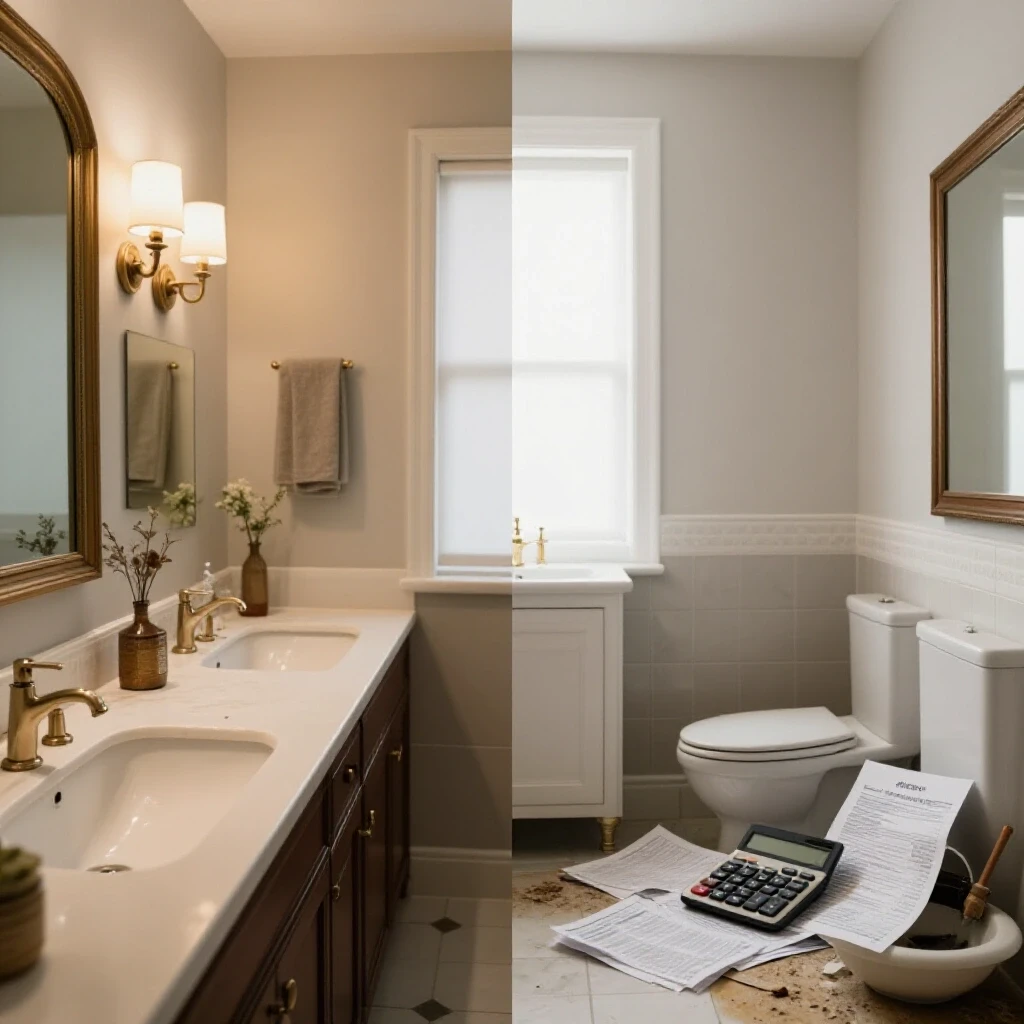
Defining the Scope of Work for Your Project
A scope of work is a detailed document that lists every task, material, and expectation for a construction project. It serves as the master map for both the homeowner and the contractor, ensuring everyone agrees on what is being built. Without a clear scope, “scope creep” can quickly push your spending past the point of no return.
When you begin residential renovation planning, you must decide if you are doing a “pull and replace” or a full layout change. A pull and replace means the toilet, tub, and sink stay in their current spots. This is the most cost-effective path because it avoids moving heavy drain lines. I once managed a project where the homeowner wanted to move a toilet just three feet. That small move required cutting through a concrete slab, which added three days of labor and nearly two thousand dollars to the plumbing bill.
A well-defined scope should include: – Demolition and debris removal. – Structural repairs or subfloor replacement. – Plumbing and electrical “rough-ins” (the parts inside the walls). – Waterproofing systems and wall finishes. – Final fixture installation and painting.
Identifying Hidden Structural Surprises
Hidden structural issues are problems like mold, wood rot, or outdated wiring that are only found after demolition begins. These issues are common in older homes and can require immediate, expensive fixes to meet modern building codes. Identifying these early helps prevent emergency budget decisions.
In my experience, houses built before 1970 often hide “knob and tube” wiring or galvanized pipes that are narrow with rust. During a remodel of a 1940s bungalow, we discovered that the previous owner had cut through a load-bearing stud to fit a medicine cabinet. We had to pause the project to reinforce the wall. This is why I suggest every homeowner perform a “pre-demo” inspection of the crawlspace or basement below the bathroom to look for water stains or sagging wood.
Establishing a Realistic Financial Framework
A financial framework is a structured estimate of all project expenses, including labor, materials, and permits. It uses historical data and regional price indices to predict how much a specific renovation will cost in your local market. This framework prevents “sticker shock” by aligning your design dreams with your bank account.
To get an accurate picture, I rely on RSMeans construction data, which tracks the cost of materials and labor across different zip codes. For a standard full bathroom (about 5×8 feet), the labor usually accounts for 50% to 60% of the total bill. If you see a quote where labor is very low, it often means the contractor is cutting corners on waterproofing or insurance.
Regional Cost Indices and Material Grades
Regional cost indices are multipliers used to adjust national average construction costs to fit a specific city or town. Material grades refer to the quality level of your finishes, ranging from builder-grade (basic) to luxury (custom). Both factors heavily influence the final number on your contractor’s bid.
| Project Scale | Basic/Builder Grade | Mid-Range Quality | High-End/Luxury |
|---|---|---|---|
| Half-Bath (Powder Room) | $3,500 – $6,000 | $7,000 – $12,000 | $15,000+ |
| Full Bath (Standard) | $12,000 – $18,000 | $20,000 – $35,000 | $45,000+ |
| Master Suite Bath | $25,000 – $40,000 | $45,000 – $75,000 | $80,000+ |
Note: Estimates based on RSMeans data and real-world project averages. Local labor rates may vary.
The Critical Role of a Contingency Fund
A contingency fund is a specific amount of money set aside to cover unexpected costs that arise during construction. It is not for upgrades or “nice-to-haves” but for genuine surprises like mold or broken pipes. Having this fund ready reduces the stress of making quick decisions when a problem is found.
I recommend a sliding scale for your contingency based on the age of your home. A newer home might only need 10%, but an older home needs much more. In one of my own renovations, a 25% contingency saved us when we found that the main vent stack was cracked and leaking sewer gas behind the shower.
Contingency Buffer Allocations by Property Age
| Home Age | Recommended Contingency % | Common Issues Found |
|---|---|---|
| 0 – 15 Years | 10% – 12% | Minor plumbing leaks, drywall repair. |
| 16 – 40 Years | 15% – 20% | Outdated wiring, worn-out subfloors, mold. |
| 40+ Years | 25% + | Lead pipes, cast iron failure, structural rot. |
Vetting and Managing Trade Professionals
Contractor management is the process of selecting, hiring, and overseeing the professionals who will perform the work. It involves checking licenses, reviewing past projects, and ensuring clear communication throughout the build. Proper vetting is the best defense against contractor disputes and poor craftsmanship.
When I interview contractors, I look for more than just a low price. I want to see a “Schedule of Values,” which is a line-item breakdown of where the money goes. If a contractor gives you a single-page estimate with one total number, walk away. You need to know exactly what you are paying for to avoid arguments later.
Use this checklist during your interviews: – Are they licensed and insured for residential renovation in your state? – Will they provide a written warranty for their labor? – Who will be the “Lead” on-site every day? – How do they handle “Change Orders” (extra work)? – Can they provide three references from projects completed in the last year?
Navigating the Construction Sequence
Construction sequencing is the logical order in which tasks must be completed to ensure quality and efficiency. In a bathroom, this usually starts with demolition and ends with final paint and fixtures. Understanding this order helps you know if your project is on track or if steps are being skipped.
The most critical phase is the “rough-in.” This is when the plumbing lines and electrical wires are installed before the walls are closed. I always tell my clients that the “pretty” parts of the bathroom, like the tile and the vanity, are only as good as the “ugly” parts behind them. If the plumbing is not level, your expensive new faucet will never sit right.
The Order of Operations for Bathroom Remodeling
- Demolition: Removing old fixtures, tile, and drywall.
- Structural Repair: Fixing rotted subfloors or joists.
- Plumbing/Electrical Rough-in: Installing new pipes and wiring.
- Inspections: City officials check the rough-in work.
- Waterproofing/Backer Board: Preparing the shower walls for tile.
- Tile Installation: Laying floor and wall tiles.
- Grouting and Sealing: Finishing the tile work.
- Finish Plumbing/Electrical: Installing the toilet, sink, and lights.
- Trim and Paint: Final aesthetic touches.
Why Change Orders Impact Your Final Bill
A change order is a formal amendment to the original contract that describes a change in the work, the cost, and the time required. Change orders often occur when a homeowner changes their mind about a finish or when a hidden problem is found. Managing these strictly is vital for keeping the project within your financial limits.
I once worked on a project where the homeowner decided to switch from standard subway tile to a complex herringbone pattern halfway through. This required 30% more labor time and 20% more material waste. Because we had a clear change order process, the homeowner understood the cost increase before the work started. Without that process, the final bill would have been a major source of conflict.
Resolving the Punch-List and Quality Control
A punch-list is a final checklist of small tasks or repairs that must be finished before the project is considered complete and the final payment is made. It covers things like paint touch-ups, leaking faucets, or crooked cabinet handles. This is your last chance to ensure the work meets the standards promised in the contract.
Do not make the final payment until every item on the punch-list is resolved. I suggest walking through the room with a roll of blue painter’s tape. Mark every scratch or gap you see. A professional contractor will respect this process because it shows you care about the quality of their work.
Quality Control Benchmarks
- Level and Plumb: Are the walls straight and the floors level?
- Water Drainage: Does the shower floor slope correctly toward the drain?
- Grout Consistency: Is the grout color even and the lines straight?
- Fixture Function: Do all faucets run without leaks and all outlets have power?
Essential Project Management Tools
To stay organized, you do not need expensive software. Simple tools can help you track every dollar and every decision.
- Digital Blueprints: Keep a PDF of your layout on your phone to show subcontractors.
- Estimation Calculators: Use online tools to double-check material quantities for tile and flooring.
- Daily Log App: Use a simple note-taking app to record what work was done each day and take photos of what is behind the walls.
- Budget Spreadsheet: Track every invoice and payment to ensure you stay within your contingency.
Conclusion and Next Steps
Renovating a bathroom is a complex task that requires more than just picking out a new tub. It requires a disciplined approach to planning, a realistic view of costs, and a firm hand in managing the people doing the work. By following these steps, you can move forward with the confidence that you are prepared for whatever the renovation throws your way.
Your next step should be to create your “Must-Have” vs. “Nice-to-Have” list. Take this list to three different contractors and ask for a detailed bid based on the scope we discussed. Remember, the goal is not to find the cheapest price, but the most complete and honest plan for your home.
FAQ: Navigating Your Remodel Costs and Logistics
What is the average cost per square foot for a bathroom remodel?
On average, a mid-range bathroom remodel costs between $300 and $500 per square foot. However, this number can be misleading because bathrooms have a high concentration of expensive items like plumbing fixtures and tile in a small space. A tiny 30-square-foot bathroom might cost more per square foot than a large master bath because the “fixed costs” of the toilet, sink, and shower remain the same regardless of the room size.
Why are plumbing rough-ins so expensive?
Rough-in plumbing involves installing the pipes that supply water and remove waste. This work is labor-intensive and requires a licensed professional to ensure everything is vented correctly and sloped for drainage. In many areas, this work must also be inspected by the city to meet safety codes. If this phase is done incorrectly, it can lead to leaks and mold that cost thousands to fix later.
How do I know if a contractor’s bid is fair?
The best way to judge a bid is to compare it against at least two other detailed estimates. Look for consistency in the labor hours and material costs. If one bid is significantly lower than the others, ask why. They might be leaving out permit fees, using lower-quality waterproofing, or not carrying proper workers’ compensation insurance. A fair bid should align with regional averages like those found in RSMeans data.
What are the most common hidden issues in a bathroom?
The most frequent “surprises” are water damage to the subfloor, mold behind shower walls, and outdated electrical wiring. In older homes, we often find that previous renovations were not done to code, such as “bootlegged” plumbing or undersized floor joists. Discovering these issues during demolition is common, which is why a 15-25% contingency fund is essential.
When should I pay the contractor?
You should follow a milestone-based payment schedule. Never pay more than 10-15% as a down payment. Subsequent payments should be tied to completed work, such as “End of Demolition,” “Completion of Rough-ins,” and “After Tile Installation.” Always hold back the final 10% until the punch-list is finished and you have received lien waivers from all subcontractors.
What is a lien waiver and why do I need one?
A lien waiver is a legal document signed by a contractor or supplier stating they have been paid in full for their work or materials. This prevents them from placing a “mechanic’s lien” on your home if the main contractor fails to pay them. You should collect these waivers at every payment milestone to protect your property’s title.
How long does a standard bathroom remodel take?
While every project is different, a standard full bathroom remodel usually takes between 3 to 5 weeks of active construction. This does not include the weeks spent on design, permitting, and ordering materials. Delays often happen during the rough-in inspection phase or if custom materials like stone countertops are delayed.
Can I save money by buying my own materials?
Sometimes, but it can be risky. Many contractors add a “markup” to materials to cover the time spent ordering, picking up, and warranting those items. If you buy a faucet yourself and it arrives broken or missing a part, you are responsible for the delay and the cost of the plumber’s idle time. Most professionals prefer to supply the “rough” materials (pipes, valves, thin-set) while you choose the “finish” materials (tiles, lights, faucets).
What is “Critical Path” scheduling?
The critical path is the sequence of tasks that determines the shortest time possible to complete the project. If a task on the critical path is delayed (like the plumbing rough-in), the entire project is delayed. Understanding this helps you focus your energy on the most important decisions, such as picking out your tile early so it is on-site when the tile setter arrives.
How do I handle a dispute with my contractor?
First, refer back to your written contract and scope of work. Most disputes come from a lack of clear communication. If the work does not meet the agreed-upon standards, document the issue with photos and discuss it calmly with the project lead. If you cannot reach an agreement, you may need to look at the “Dispute Resolution” clause in your contract, which often requires mediation before any legal action.
(This article was written by one of our staff writers, David Langford. Visit our Meet the Team page to learn more about the author and their expertise.)