How to Replace a Kitchen Faucet and Fix Leaks (Step-by-Step)

When a kitchen sink begins to drip, it is often more than just an annoying sound. Over my 12 years in facilities management and working on my own homes, I have learned that a small leak is usually a signal that a component has reached the end of its service life. Resolving this issue by installing a fresh fixture is one of the most rewarding weekend projects a homeowner can undertake. It provides an immediate functional improvement, prevents potential water damage to your cabinetry, and offers a significant sense of accomplishment without requiring a full-scale renovation.
Assessing the Condition of Your Current Sink Hardware
Evaluating the state of your existing plumbing is the first step in determining if a full replacement is necessary. This process involves checking the base of the spout, the handles, and the connections underneath the sink for signs of moisture, mineral buildup, or corrosion that suggest a seal has failed.
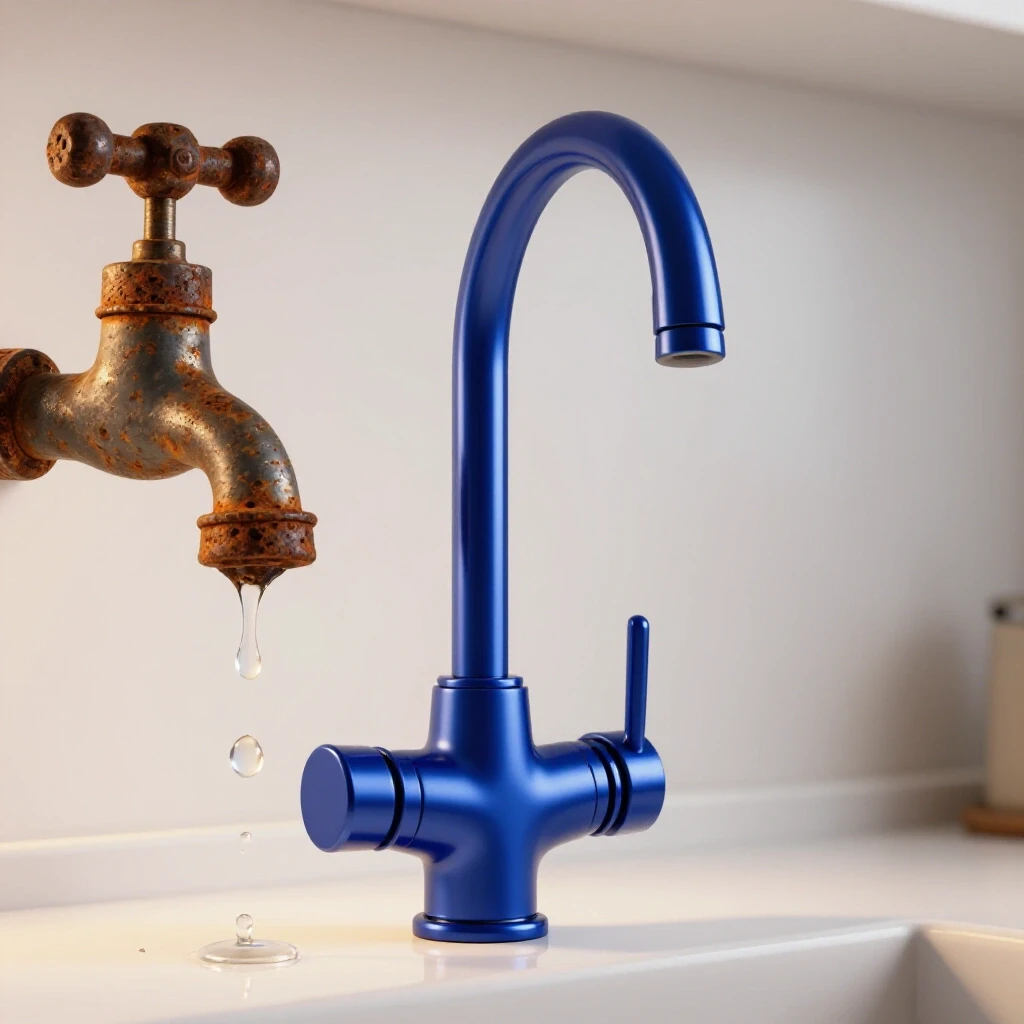
In my first home, I spent weeks tightening a mounting nut, hoping to stop a wobble that eventually caused a slow leak. I didn’t realize that the internal gaskets had simply perished from age. By the time I decided to act, the moisture had already started to swell the particle board of the cabinet floor. This taught me that if a fixture is more than ten years old and begins to fail, a total swap is often more cost-effective and reliable than attempting to piece together old internal cartridges.
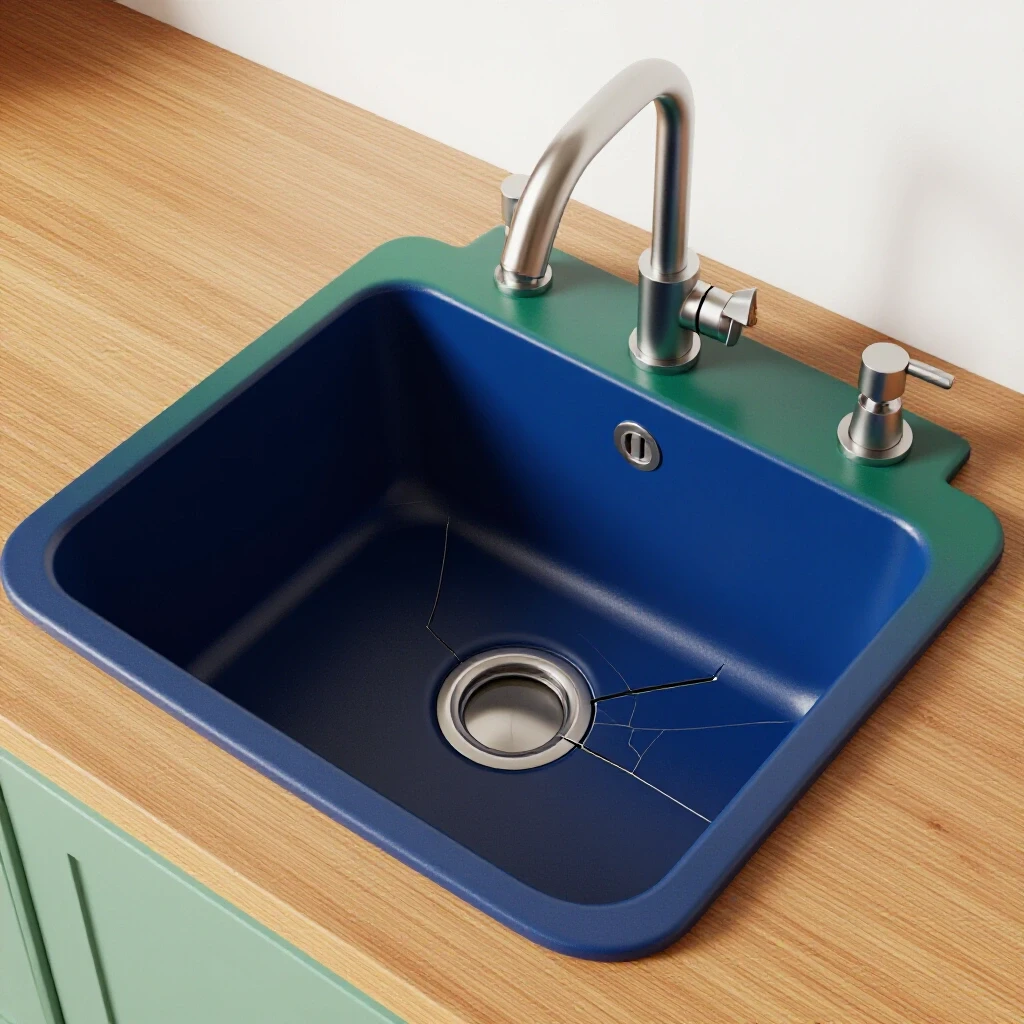
Before you buy a new unit, you must identify your sink’s configuration. Most sinks have one, two, three, or four holes drilled into the deck or the countertop. You can usually see these by looking upward from inside the cabinet. If you buy a single-handle unit for a three-hole sink, you will need a “deck plate” (also called an escutcheon) to cover the extra holes. Matching these specifications beforehand ensures that your Saturday morning project doesn’t turn into a series of frustrating trips to the hardware store.
| Project Aspect | DIY Estimation | Professional Estimation |
|---|---|---|
| Active Labor Time | 2 – 4 Hours | 1 – 2 Hours |
| Material Costs | $150 – $400 | $150 – $400 |
| Labor Fees | $0 | $200 – $500 |
| Total Investment | $150 – $400 | $350 – $900 |
| Difficulty Rating | 4/10 (Moderate) | N/A |
Essential Tools and Materials for a Hardware Swap
Having the correct tools on hand is the difference between a controlled project and a stressful afternoon. Plumbing work often requires specialized wrenches designed to reach into tight, dark spaces where standard pliers or crescent wrenches simply cannot fit or provide enough leverage to break a rusted seal.
- Basin Wrench: This is a specialized tool with a long handle and a swiveling, spring-loaded jaw. It is designed specifically to reach the mounting nuts located deep behind the sink bowl. Without this, you will likely struggle to loosen the old fixture.
- Adjustable Wrenches: You will need two of these—one to hold the shut-off valve steady and the other to turn the supply line nut. This prevents the copper pipes coming out of your wall from twisting and breaking.
- Plumber’s Putty or Silicone Sealant: This creates a watertight barrier between the new fixture and the sink deck. Check the manufacturer’s instructions, as some finishes can be damaged by putty and require silicone instead.
- Thread Seal Tape (PTFE): Often called “Teflon tape,” this is wrapped around threaded connections to ensure a leak-free seal.
- Small Bucket and Towels: There is always residual water in the lines. Having these ready prevents a mess inside your cabinet.
- Work Light or Headlamp: Under-sink areas are notoriously dark. Clear visibility is essential for identifying small drips during the testing phase.
- Safety Glasses: When you are lying on your back looking up, debris or drops of old, stagnant water can easily fall into your eyes.
Understanding Plumbing Codes and Safety Protocols
Following established plumbing standards, such as the Uniform Plumbing Code (UPC), ensures that your work is safe and functional. These codes are not just for professionals; they provide a blueprint for preventing cross-contamination of water supplies and ensuring that shut-off valves remain accessible for emergency situations.
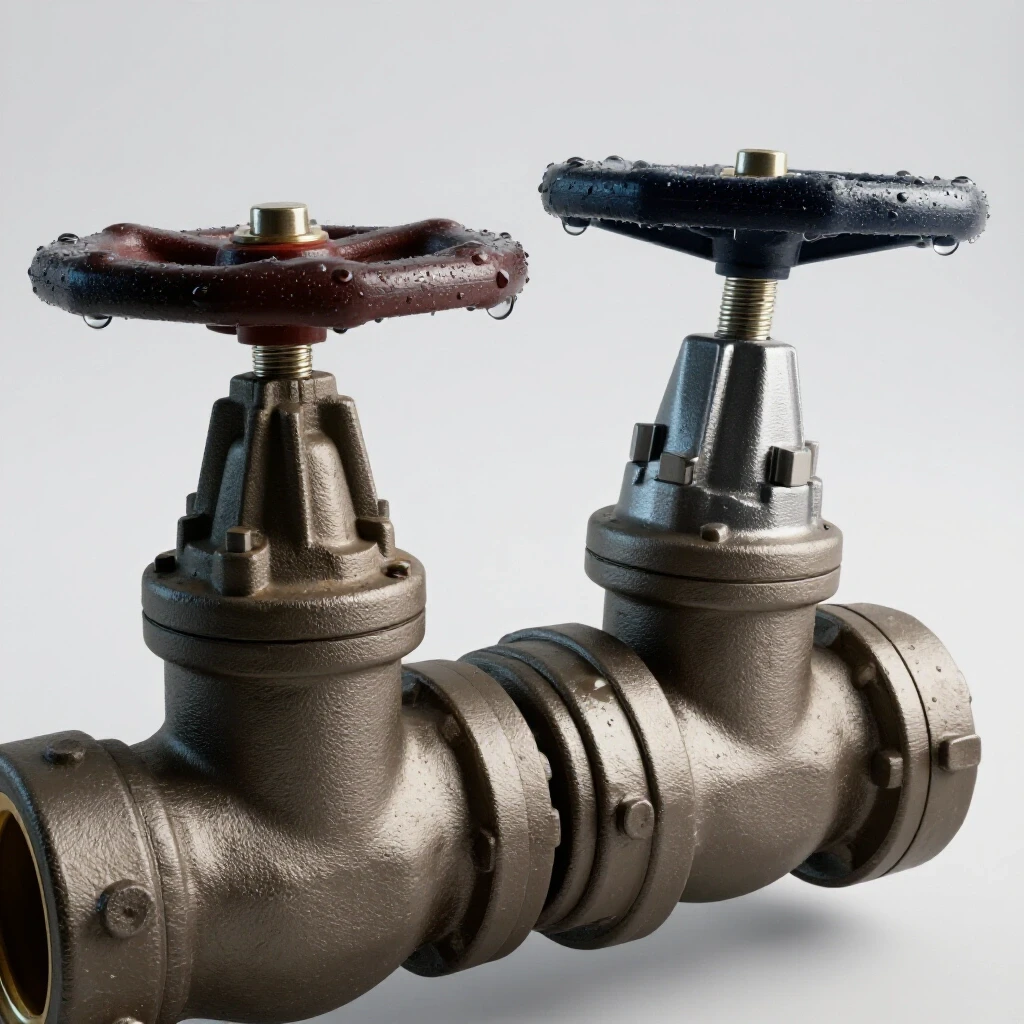
Building on the concept of accessibility, UPC Section 606.5 requires that valves be installed in a way that allows them to be reached without removing permanent parts of the structure. When you are working under your sink, ensure you aren’t burying your shut-off valves behind heavy organizers or filters. If your current valves are “gate valves” (the ones with a round wheel that takes many turns to close), they are prone to failing. Interestingly, many DIYers find that these old valves won’t fully shut off the water. If this happens, you may need to shut off the main water line to the house before proceeding.
Safety extends to your physical well-being too. Working in a cramped cabinet can lead to back strain. I recommend laying a thick moving blanket or a piece of foam insulation over the cabinet’s bottom edge. This cushions your back and neck while you work. Always wear eye protection; I once had a shard of dried mineral buildup fall directly into my eye while loosening an old nut, which halted my project for an hour while I dealt with the irritation.
Preparing the Workspace and Disconnecting the Water
Success in any home upgrade starts with a clean and organized environment. Clearing out the entire cabinet under the sink is mandatory, not optional. This gives you the physical clearance needed to use your tools and allows you to spot any pre-existing issues with the drain pipes or the cabinet floor.
- Clear the Area: Remove all cleaning supplies, sponges, and trash bins.
- Close the Valves: Turn the hot and cold shut-off valves clockwise until they stop.
- Relieve Pressure: Open the faucet handles to let any remaining water drain out and to verify the water is truly off.
- Position the Bucket: Place your container directly under the supply line connections to catch the “trap water” that will spill when the lines are loosened.
As a result of years of maintenance experience, I always suggest replacing the flexible supply lines whenever you install a new fixture. These rubber-lined hoses degrade over time. Reusing an old, stiff hose on a brand-new fixture is a common point of failure. New braided stainless steel lines are inexpensive and offer much better protection against bursts.
Removing the Old Fixture Without Damaging the Sink
Removing an old, corroded unit is often the most difficult part of the job. Over time, minerals in the water can “weld” the mounting nuts to the threaded rods, making them incredibly stubborn. This is where patience and the right technique become more important than raw strength.
First, use your adjustable wrenches to disconnect the supply lines from the shut-off valves. Hold the valve body with one wrench to provide counter-pressure while you turn the nut with the other. Once the lines are free, move to the mounting nuts under the sink deck. This is where the basin wrench earns its keep. Position the jaw around the nut, ensuring the “teeth” are gripping the flats of the nut, and turn counter-clockwise.
If the nut won’t budge, do not force it to the point of bending the sink. A penetrating oil, such as WD-40 Specialist or PB Blaster, can be applied to the threads. Let it sit for 15 to 20 minutes. Building on this, if the old fixture is truly stuck, some DIYers use a small hacksaw or a multi-tool to carefully cut the nut from above the sink, though this requires extreme caution to avoid scarring the sink surface. Once the nuts are off, lift the old unit straight up and out.
Cleaning and Prepping the Mounting Surface
Once the old hardware is removed, you will likely see a ring of “gunk”—a mixture of old plumber’s putty, hard water deposits, and soap scum. Installing a new unit over this debris will prevent a proper seal and lead to leaks that can rot your countertop.
Use a plastic putty knife to scrape away the bulk of the old sealant. Avoid metal scrapers on stainless steel or porcelain sinks, as they can leave permanent scratches. For stubborn mineral deposits, a cloth soaked in white vinegar can help dissolve the calcium. Ensure the surface is completely dry before moving to the installation phase. A dry surface is critical for the new gasket or sealant to bond correctly.
Installing the New Assembly and Making Connections
Modern fixtures are designed with the DIYer in mind, often featuring “top-mount” installation or simplified “click-connect” hoses. However, the fundamentals remain the same: the unit must be centered, leveled, and secured firmly enough that it does not shift during use.
- Dry-Fit the Unit: Place the new fixture in the holes without any sealant first. Check that the handles have full range of motion and don’t hit the backsplash.
- Apply Sealant: If your unit has a rubber gasket, you may not need putty. If it doesn’t, apply a 1/4-inch bead of plumber’s putty around the base.
- Set the Fixture: Drop the lines through the center hole and seat the fixture firmly.
- Secure from Below: From inside the cabinet, slide the mounting washers and nuts onto the threaded shanks. Tighten them by hand first to ensure the fixture is still aligned above.
- Final Tightening: Use the basin wrench to snug the nuts. Do not over-tighten; you want it firm, but crushing the gasket can actually cause it to leak.
Connecting the supply lines is the final mechanical step. If your new unit has integrated lines (the hoses are built-in), connect them directly to the shut-off valves. If not, use new braided lines. Wrap the threads of the shut-off valves with two or three passes of thread seal tape in a clockwise direction. This ensures that as you tighten the nut, the tape stays in place rather than unravelling.
Testing for Leaks and Final Adjustments
The most critical phase of the project happens after the tools are put away. A “slow drip” can be hard to see but can cause massive damage over several weeks. A systematic testing procedure is the only way to ensure your kitchen remains dry and functional.
Start by removing the aerator (the small mesh screen at the tip of the spout). This prevents any debris or solder from the new lines from clogging the screen. Turn the water valves on slowly. Open the faucet handles to flush the system for about two minutes. While the water is running, use a dry paper towel to wipe every connection point: the valves, the supply line nuts, and the base of the faucet. If the paper towel stays dry, your seals are good. If you see even a hint of moisture, give the nut an additional quarter-turn.
| Component | Check Frequency | Maintenance Action |
|---|---|---|
| Aerator Screen | Every 6 Months | Soak in vinegar to remove minerals |
| Supply Lines | Every Year | Inspect for cracks or corrosion |
| Mounting Nuts | Every 2 Years | Ensure the fixture isn’t wobbling |
| Shut-off Valves | Every 6 Months | Turn off and on to prevent “freezing” |
Troubleshooting Common Installation Challenges
Even with careful planning, unexpected issues can arise. Understanding how to pivot when a project hits a snag is what separates an experienced DIYer from a frustrated one. Most problems are related to the age of the existing plumbing or slight variations in manufacturing.
If you find that your new supply lines are too short, do not try to stretch them or pull the copper pipes. Simply buy a “compression union” and an extra length of supply line to bridge the gap. Another common issue is a “low flow” after installation. This is almost always caused by debris trapped in the aerator or the internal cartridge. Flushing the lines before final assembly, as mentioned previously, is the best way to avoid this.
If the fixture still wobbles after tightening the nuts, check if your sink deck is too thin. Some stainless steel sinks are made of thin-gauge metal that flexes. In this case, you can cut a small piece of 1/2-inch plywood to act as a “spacer” under the sink. This gives the mounting nuts a solid surface to grip against, distributing the pressure and stabilizing the hardware.
Long-Term Maintenance and Tool Care
A well-installed fixture should last a decade or more, but it requires basic care. After completing the project, take a moment to clean your tools. Wipe down your basin wrench and adjustable wrenches with a light coat of oil to prevent rust, especially if you store them in a damp basement or garage.
Register your product with the manufacturer. Many high-quality brands offer a lifetime warranty on cartridges and finishes. Keeping your digital receipt and manual in a dedicated “Home Maintenance” folder can save you the cost of a new fixture five years down the line if a leak develops. By completing this upgrade yourself, you have not only saved hundreds of dollars in labor but also gained the intimate knowledge of your home’s plumbing that will make future repairs much easier.
FAQ: Common Questions About Sink Hardware Upgrades
How do I know if I need a 1-hole or 3-hole fixture?
Look under your sink. If you see three distinct holes in the sink or countertop, you have a 3-hole setup. You can use a 1-hole fixture on a 3-hole sink if it comes with a “deck plate” to cover the unused side holes. However, you cannot easily put a 3-hole fixture on a 1-hole sink without drilling through the material.
Is plumber’s putty or silicone better for the base?
This depends on your sink material. Plumber’s putty is traditional and easy to work with, but it can stain natural stone like granite or marble. For stone or plastic sinks, use a clear 100% silicone sealant. Always check the manufacturer’s manual, as some warranties are voided if the wrong sealant is used.
Why is my new fixture leaking from the handle?
This usually indicates a loose or damaged internal cartridge. Sometimes, during shipping, the retaining nut that holds the cartridge in place can vibrate loose. You can usually fix this by popping off the decorative handle cap, loosening the set screw, and snugging the internal nut with a wrench.
What should I do if my shut-off valves won’t close?
If the valves are stuck or continue to drip when closed, you must shut off the main water valve for the entire house. This is a great time to replace those old valves with modern “quarter-turn ball valves,” which are much more reliable and less likely to seize over time.
Can I reuse my old supply lines?
It is strongly discouraged. Supply lines have rubber seals that take a “set” over years of being compressed. When you move them to a new fixture, they often fail to reseal properly. For a small investment, new braided stainless steel lines provide much higher safety margins against leaks.
Do I need to use thread tape on every connection?
No. You should only use thread tape on “pipe threads” (tapered threads). You should NOT use it on “compression fittings” or connections that have a rubber washer inside (like the end of the supply line that connects to the faucet). The washer provides the seal; the tape can actually interfere with the nut’s ability to tighten.
How tight should the mounting nuts be?
They should be “snug plus a quarter-turn.” You want the fixture to be immobile when you tug on the spout. If you over-tighten, you risk cracking a porcelain sink or stripping the plastic threads found on some budget-friendly hardware models.
What if my new pull-down sprayer won’t retract?
Check under the sink for obstructions. Often, the weight attached to the sprayer hose gets caught on the shut-off valves or a bucket of cleaning supplies. Ensure the weight is installed at the correct point marked on the hose (usually at the lowest point of the loop) to provide the proper counter-balance.
Is this project code-compliant for a DIYer?
In most jurisdictions, homeowners are permitted to replace “like-for-like” fixtures without a permit. However, always ensure your work follows the Uniform Plumbing Code (UPC) basics: accessible shut-offs, proper air gaps for dishwashers, and using approved materials.
How long will my kitchen be out of commission?
For a first-timer, plan for 3 to 4 hours. This includes time for clearing the cabinet, troubleshooting stubborn old nuts, and the final testing. If you have everything prepared, the actual “water off” time is usually less than 90 minutes.
(This article was written by one of our staff writers, Robert Callahan. Visit our Meet the Team page to learn more about the author and their expertise.)