How to Replace a Shower Head for Water Savings (Step-by-Step)

Managing a full-time career in facilities maintenance while keeping a home in top shape often feels like a balancing act. One of the biggest challenges I face is finding the time to execute meaningful upgrades that actually impact the bottom line without eating up an entire weekend. Many busy professionals start a project on Saturday morning only to find themselves at the hardware store three times by Sunday afternoon because a simple task turned into a plumbing emergency. I have learned through years of hands-on work that the key to a successful weekend DIY project is preparation and an honest assessment of the time and effort required.
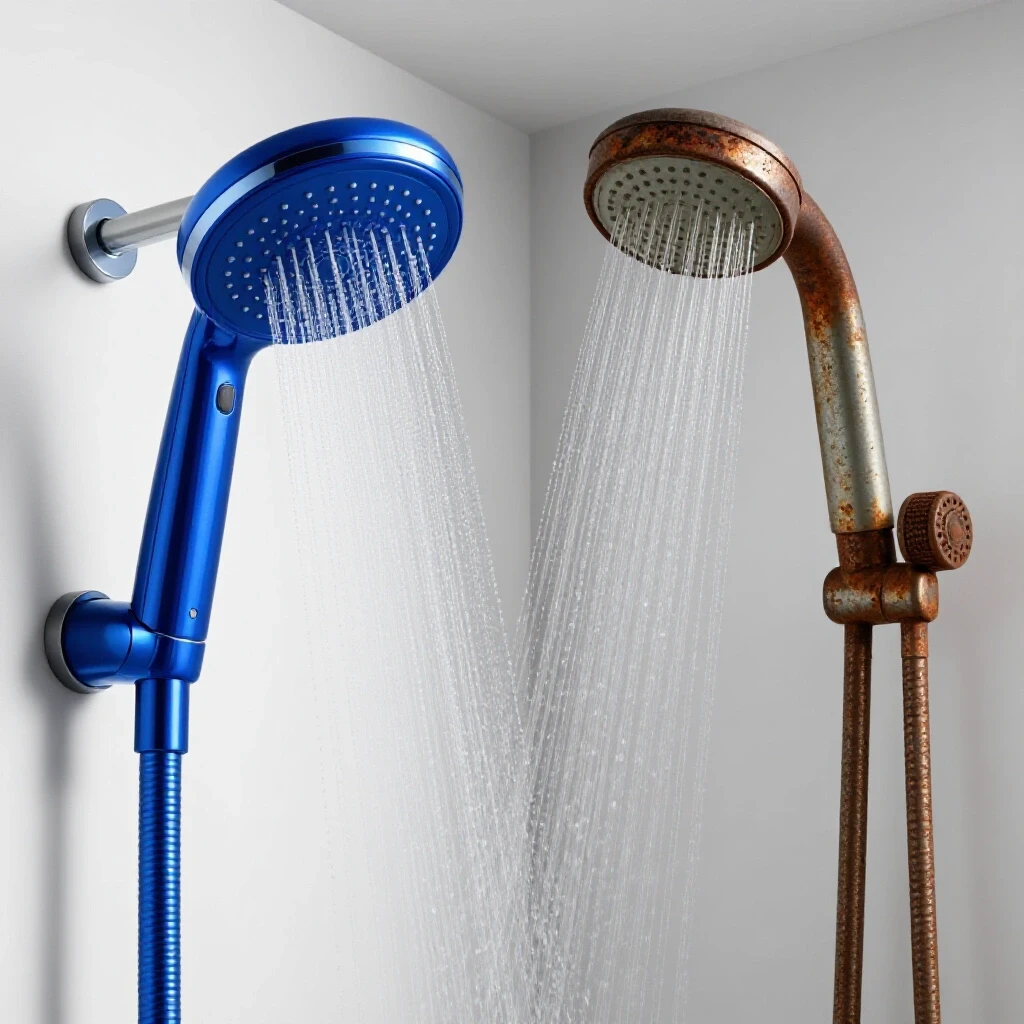
In my early years as a homeowner, I attempted to swap a leaking bathroom fixture without checking the condition of the pipe behind the wall. I ended up snapping a corroded shower arm because I applied too much torque with a pipe wrench I didn’t fully understand how to use. That mistake cost me four hours of cutting into drywall and a $200 emergency plumber visit. Today, I approach every task—from painting a room to upgrading plumbing hardware—with a safety-first mindset and a reliance on manufacturer technical guides. This guide focuses on a high-impact, low-risk upgrade: switching to a high-efficiency water-delivery fixture to lower your monthly utility costs.
Understanding the Mechanics of Water-Efficient Fixtures
High-efficiency bathroom fixtures are designed to reduce the volume of water used during a typical shower without significantly sacrificing the user experience. These devices utilize flow restrictors and aeration technology to meet federal and state environmental standards while maintaining consistent pressure for the user.
Defining Gallons Per Minute (GPM) and Pressure Standards
Gallons Per Minute (GPM) is the standard metric used to measure the flow rate of water through a plumbing fixture at a specific pressure, usually 80 pounds per square inch (psi). Understanding this number is essential for calculating your potential utility savings and ensuring your new hardware complies with local building codes.
Since the Energy Policy Act of 1992, the federal limit for shower fixtures has been 2.5 GPM. However, many modern “WaterSense” certified models operate at 2.0 GPM or even 1.75 GPM. In my experience, switching from an older 2.5 GPM head to a 1.75 GPM model can reduce your water usage by 30 percent per shower. This is not just about the water itself; you are also saving the energy required to heat that water, which often accounts for a significant portion of a home’s gas or electric bill.
Identifying Thread Standards and Compatibility
Most residential shower arms in North America use a 1/2-inch NPT (National Pipe Thread) connection, which is a tapered thread designed to create a water-tight seal when used with a sealant. Recognizing this standard allows you to purchase new hardware with confidence that it will fit your existing plumbing without needing adapters.
Before you buy a new fixture, inspect your current shower arm. If it is a standard wall-mounted pipe, almost any modern high-efficiency head will fit. If you have a ceiling-mounted “rain” style arm, you will need to ensure the new head is designed for vertical installation to prevent internal dripping or uneven flow.
Essential Equipment for a Successful Fixture Swap
Having the right tools on hand prevents the frustration of mid-project hardware store runs and ensures the job is completed safely. A well-organized tool kit for plumbing tasks should include both basic hand tools and specific materials designed for creating waterproof seals.
The Essential Tool Matrix for Bathroom Upgrades
This tool list covers the basic items required to remove old hardware and install a new, efficient model. Using the correct tool for each step protects the finish of your new fixture and prevents damage to the underlying plumbing.
- Adjustable Wrench: Used for loosening the old fixture and snugging the new one.
- Slip-Joint Pliers: Useful for gripping stubborn pipes, though they should be used with a cloth to protect finishes.
- Thread Seal Tape (PTFE Tape): A thin, white tape used to lubricate and seal the threaded connection between the arm and the head.
- Old Toothbrush: Essential for cleaning mineral deposits and old tape off the shower arm threads.
- Microfiber Cloth: Used to protect the finish of the new fixture from tool marks during installation.
- White Vinegar: A natural descaler for cleaning the shower arm before the new installation.
| Tool/Material | Purpose | Necessity |
|---|---|---|
| Adjustable Wrench | Loosening/Tightening hex nuts | Essential |
| PTFE Tape | Preventing leaks at the threads | Essential |
| Microfiber Cloth | Protecting chrome/nickel finishes | Recommended |
| Pipe Wrench | Only if the shower arm itself is being replaced | Optional |
| Plumber’s Dope | Alternative to tape for permanent seals | Optional |
Safety Gear and Workspace Preparation
Safety in a bathroom environment involves protecting your eyes from falling debris and ensuring the work surface is dry to prevent slips. Even a simple fixture swap can result in small metal shards or old mineral scales falling when the old unit is removed.
Before starting, place a towel over the shower drain. This prevents small parts, like rubber washers or the screen filter, from falling down the pipe if you drop them. I also recommend wearing safety glasses. When you look up at the shower arm to clean the threads, it is very common for dried calcium or old tape fragments to fall directly toward your face.
Removing the Existing Fixture Without Damaging Pipes
The removal phase is where most DIY mistakes happen, particularly if the old fixture has been in place for many years. Corrosion and mineral buildup can “weld” the threads together, requiring a patient and methodical approach to avoid snapping the pipe inside the wall.
Troubleshooting Seized or Corroded Connections
Seized connections occur when minerals in the water supply react with the metal threads of the plumbing over time, creating a bond that resists turning. Addressing this requires a combination of chemical breakdown and controlled mechanical force rather than brute strength.
If the old fixture won’t budge with moderate pressure on the wrench, do not force it. Instead, soak a rag in white vinegar and wrap it around the connection for thirty minutes. The acidity helps break down the calcium deposits. When you try again, hold the shower arm with one hand (or a second pair of pliers protected by a rag) to stabilize it while you turn the fixture counter-clockwise. This prevents the torque from transferring to the joint inside the wall, which is a high-failure point in older homes.
Cleaning and Inspecting the Shower Arm Threads
Once the old head is removed, the threads on the shower arm will likely be covered in old, shredded tape and crusty mineral deposits. Cleaning these threads is a non-negotiable step for ensuring the new high-efficiency model doesn’t leak.
Use an old toothbrush or a stiff nylon brush to scrub the threads. If there is stubborn old tape stuck in the grooves, a plastic pick or even a toothpick can help clear it out. Inspect the threads for any signs of “pitting” or thinning of the metal. If the threads are heavily corroded, the arm itself may need replacement, which is a slightly more involved task but still manageable for a weekend DIYer.
Installing Your High-Efficiency Hardware
The installation of a modern, water-saving fixture is a straightforward process that relies on precision rather than power. Most manufacturers provide specific instructions regarding whether to use thread tape and how tight the connection should be.
Proper Application of Thread Seal Tape
Thread seal tape, often called Teflon tape, serves two purposes: it acts as a lubricant to allow the threads to seat deeper and provides a filler to block potential leak paths. Applying it in the correct direction is the difference between a dry joint and a constant drip.
Wrap the tape in a clockwise direction as you are looking at the end of the pipe. This ensures that when you screw the new fixture on (which also turns clockwise), the tape is tightened further rather than being unraveled. I usually apply three to four full wraps, pulling the tape tight so it conforms to the shape of the threads. Avoid using too much tape, as this can prevent the threads from engaging properly and may lead to a cracked nut on the new fixture.
Executing a Hand-Tightened Connection
Most modern fixtures, especially those with plastic or composite internal parts, are designed to be hand-tightened. Over-tightening with a wrench is a common cause of failure, as it can deform the rubber washer or crack the intake collar of the new hardware.
- Check that the rubber washer is seated flat inside the new fixture’s intake.
- Align the fixture with the shower arm, ensuring you aren’t cross-threading it.
- Twist the fixture clockwise until it is snug by hand.
- If the manufacturer recommends it, use an adjustable wrench to turn it an additional 1/4 turn.
- Always use a cloth between the wrench and the fixture to prevent scratching the finish.
Post-Installation Testing and Leak Prevention
Testing the new installation is the final quality control step to ensure your upgrade is functional and safe. This phase involves checking for “weeping” at the threads and ensuring the flow rate meets your expectations.
Conducting a “Dry-Run” and Pressure Test
A pressure test involves running the water at full temperature and pressure to see if the seal holds under typical operating conditions. This is the moment where you verify that your tape application and tightening were successful.
Turn on the shower and watch the connection point closely. A leak might not be a spray; it often looks like a small bead of water forming at the base of the threads. If you see a leak, turn the water off and try tightening the fixture another 1/8 of a turn. If it still leaks, you must remove the fixture, strip the tape, and start over. Never try to “fix” a leak by just adding more tape over the old layer.
Maintaining Your High-Efficiency Fixture
To keep your water-saving hardware performing like new, periodic maintenance is required, especially in areas with hard water. Mineral buildup can clog the small nozzles of a low-flow head, causing the pressure to drop or the spray pattern to become erratic.
I recommend a deep clean every six months. You don’t even need to remove the head for this. Fill a plastic bag with white vinegar, submerge the fixture in the bag, and secure it with a rubber band. Let it soak for an hour, then run hot water to flush out the dissolved minerals. This simple preventative maintenance task extends the life of your upgrade and ensures you continue to see the expected utility savings.
Analyzing the Long-Term Utility Savings
One of the most satisfying aspects of DIY home improvement is seeing the measurable impact of your work. By switching to a high-efficiency model, you are making a functional upgrade that pays for itself over time through reduced water and energy bills.
Calculating Your Return on Investment (ROI)
The ROI for this project is surprisingly high given the low material cost and minimal time commitment. For a busy professional, the “cost” of the project is mostly the 30 to 60 minutes spent on a Saturday morning.
- Project Time: 45 minutes.
- Material Cost: $25 – $75.
- Annual Water Savings: 2,000 to 5,000 gallons for a four-person household.
- Annual Energy Savings: $20 – $60 (from reduced water heating).
- Payback Period: 6 to 12 months.
In my own home, switching to 1.75 GPM heads across three bathrooms resulted in a noticeable drop in our quarterly water bill. While the savings per shower seem small, they compound over the course of a year. When you factor in the reduced load on your water heater, the upgrade becomes one of the most cost-effective “green” improvements you can make.
Building Code Compliance and WaterSense Standards
When selecting your hardware, look for the WaterSense label, which is a program sponsored by the U.S. Environmental Protection Agency (EPA). This ensures the product has been independently certified to use 20 percent less water than the federal standard while still meeting performance criteria.
Local building codes, such as the Uniform Plumbing Code (UPC), often have specific requirements for shower valves and heads. In some states, like California, the maximum allowable flow rate is 1.8 GPM. Always verify your local regulations before purchasing hardware, as installing a non-compliant fixture could technically be a code violation, though it is rarely inspected in a simple swap scenario.
Conclusion and Next Steps
Upgrading your bathroom hardware is a foundational DIY task that builds confidence for more complex projects. By following manufacturer specs, using the right tools, and respecting the physics of threaded connections, you can complete this upgrade safely and effectively. The satisfaction of a leak-free installation and the long-term savings on your utility bills make this a perfect weekend task for any busy professional. Your next step is to check your current flow rate using a simple “bucket test” (timing how long it takes to fill a gallon container) and then head to the store to find a high-efficiency model that fits your home’s aesthetic.
Frequently Asked Questions
What is the most common mistake when swapping a bathroom fixture?
The most frequent error is over-tightening the new hardware. Many DIYers assume that “tighter is better” to prevent leaks, but excessive force can crack the internal plastic components or the mounting nut. Hand-tightening followed by a very small turn with a wrench is usually sufficient for a water-tight seal.
Do I really need to use thread seal tape?
Yes, thread seal tape is essential for NPT (National Pipe Thread) connections. These threads are designed with a slight taper, and the tape acts as both a lubricant to help the threads mesh and a sealant to fill microscopic gaps. Without it, you are highly likely to experience slow “weeping” leaks.
How do I know if my new fixture is code-compliant?
Look for the WaterSense label on the packaging. This indicates the fixture meets the EPA’s criteria for efficiency and performance. Additionally, check your local municipal codes, as some regions have stricter flow rate limits (like 1.8 GPM) than the federal 2.5 GPM standard.
What should I do if the shower arm starts spinning in the wall?
If the arm itself begins to turn while you are trying to remove the head, stop immediately. This means the connection inside the wall is loosening. You will need to use a pipe wrench or pliers to hold the arm steady while you use a second wrench to turn the fixture. Failing to do this could cause a major leak behind your shower wall.
Can a low-flow fixture actually provide a good shower experience?
Modern high-efficiency fixtures use aeration (mixing air with water) or specialized spray patterns to create the sensation of high pressure while using less water. Many users find that a well-designed 1.75 GPM head feels more powerful than an old, clogged 2.5 GPM model.
How much money can I really save with this upgrade?
A typical household can save between $50 and $100 per year on combined water and energy costs. The exact amount depends on your local utility rates and how many people are in your home. The project usually pays for itself within the first year of use.
Is white vinegar safe for all fixture finishes?
White vinegar is generally safe for chrome and brushed nickel, but you should avoid using it on oil-rubbed bronze or specialty matte finishes without checking the manufacturer’s guide. For sensitive finishes, use a mild soap and water solution instead of acidic cleaners.
What if my shower arm is too short for the new fixture?
If the new head hits the wall or doesn’t have enough clearance, you can purchase a shower arm extension or a longer S-shaped arm. Replacing the arm follows a similar process: clean the wall threads, apply tape, and thread the new arm in until it is snug and pointing downward.
Do I need to turn off the main water supply for this project?
No, you do not need to shut off the main water. As long as the shower handle is in the “off” position, there is no pressure at the shower arm. This makes it a very safe project for beginners since there is no risk of a flood if you take the head off.
What is the difference between PTFE tape and plumber’s dope?
PTFE tape is a dry film that is easy to apply and clean up, making it ideal for chrome bathroom fixtures. Plumber’s dope is a brush-on paste that creates a very strong seal but can be messy and is typically used for permanent pipe installations rather than decorative fixtures.
How do I remove old, crusty mineral buildup from the pipe threads?
A stiff-bristled toothbrush and white vinegar are the best tools for this. Soak the threads in vinegar for a few minutes to soften the calcium, then scrub vigorously. Ensuring the threads are clean is vital for the new tape to adhere and seal correctly.
Can I install a handheld wand using the same steps?
Yes, the process for a handheld unit is nearly identical. You will install a diverter or a mounting bracket onto the shower arm first, then connect the flexible hose. Both connections require thread tape and should be checked for leaks during the pressure test.
(This article was written by one of our staff writers, Robert Callahan. Visit our Meet the Team page to learn more about the author and their expertise.)