How to Replace Rusty Bathroom Hardware for Lasting Results (Guide)

Discussing investment in an older home often centers on large-scale projects like roof replacements or foundation stabilization. However, as a facilities technician with 17 years of experience, I have learned that the longevity of a property is often determined by how we manage the small, persistent failures in high-moisture zones. Over nearly two decades of maintaining legacy structures, I have seen how a single corroded faucet or a pitted towel bar serves as an early warning sign for systemic ventilation and moisture issues. Addressing these localized failures through systematic replacement is not just about aesthetics; it is a critical component of structural protection and preventative home care.
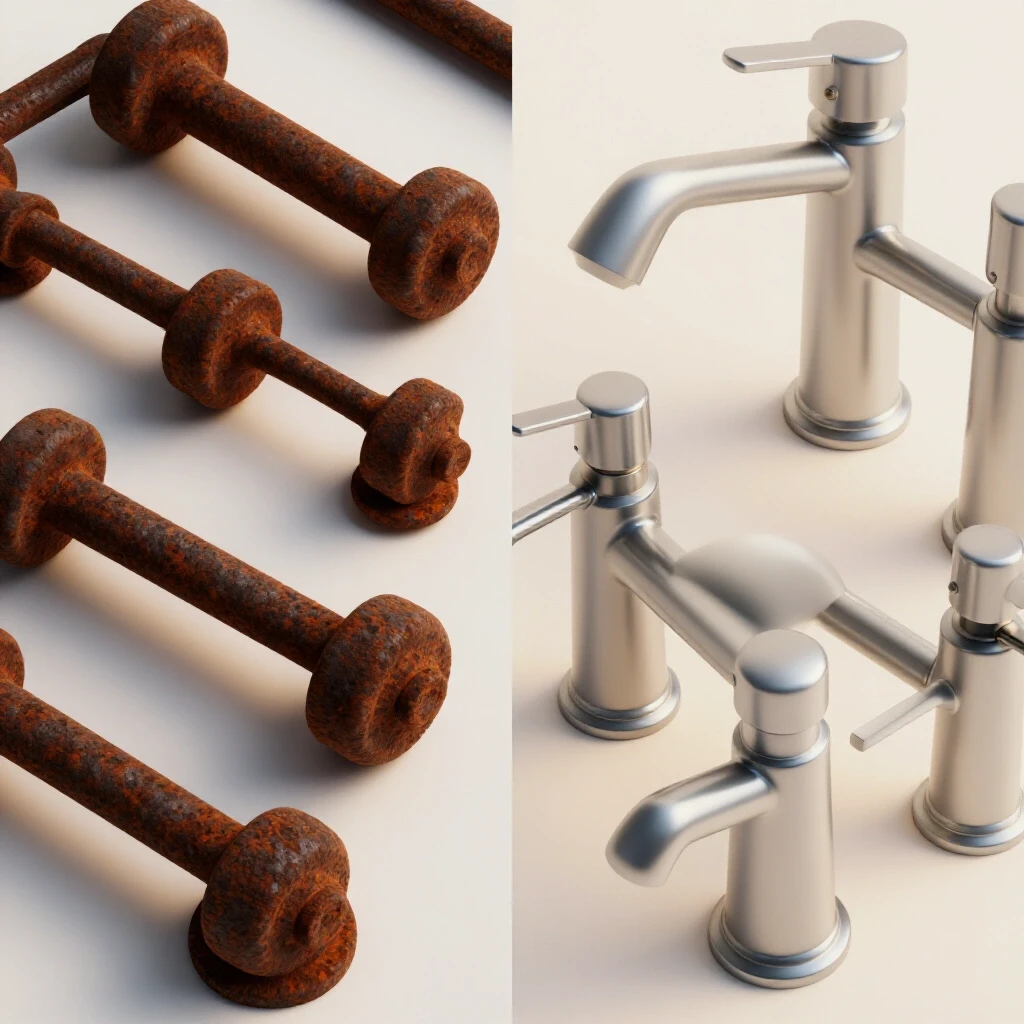
In my years managing properties, I once encountered a 1940s colonial where the bathroom hardware appeared to be “melting.” The finish was bubbling, and the metal was flaking onto the floor. This was not just a product failure. It was a symptom of a failed building envelope and inadequate air exchange. By applying building science—the study of how heat, air, and moisture move through a building—I was able to diagnose that the high relative humidity was trapped by a blocked soffit vent, causing the metal fixtures to oxidize prematurely. Replacing these items with superior materials while correcting the environment is the only way to avoid a cycle of constant repair.
The Building Science of Metal Degradation in Humid Spaces
Building science focuses on the physical behavior of the building as a system. In a bathroom, we are primarily concerned with psychrometrics, which is the study of gas-vapor mixtures. When warm, moist air from a shower hits a cooler metal surface, it reaches its dew point and condenses into liquid water.
This moisture acts as an electrolyte, facilitating an electrochemical process known as oxidation. For homeowners, this means that the oxygen in the air reacts with the metal of your fixtures, leading to the breakdown of the material. In older homes, this is often exacerbated by galvanic corrosion. This occurs when two dissimilar metals, such as a brass pipe and a zinc-alloy faucet, come into contact in the presence of moisture. The more “active” metal will sacrifice itself and corrode at an accelerated rate.
- Oxidation: The chemical reaction where metal loses electrons to oxygen.
- Electrolyte: A medium (like water) that allows ions to move, accelerating rust.
- Galvanic Series: A list of metals ranked by their electrical potential; mixing metals far apart on this list causes rapid failure.
Diagnostic Procedures for Identifying Fixture Failure
Residential diagnostics require a systematic approach to determine if a fixture is simply old or if there is an underlying mechanical failure. Before starting any plumbing repair guides or hardware swaps, I utilize a specific set of tools to assess the environment.
Monitoring the moisture content of the surrounding cabinetry and drywall is essential. If the wood vanity holding your faucet has a moisture content above 16%, you likely have a hidden leak or a severe ventilation issue that will ruin any new hardware you install. I recommend using the following tools for a baseline assessment:
- Pinless Moisture Meter: To detect water trapped behind tiles or inside vanities without damaging surfaces.
- Infrared Thermometer: To identify “cold spots” where condensation is most likely to occur.
- Hygrometer: To track relative humidity (RH). Ideally, a bathroom should return to below 50% RH within 20 minutes of a shower ending.
- Telescoping Mirror: To inspect the underside of mounting shanks for hidden “green” corrosion (verdigris).
Symptom-to-Root-Cause Diagnostic Tree
| Symptom | Likely Root Cause | Severity | Action Required |
|---|---|---|---|
| Bubbling Chrome Finish | Low-quality zinc-alloy base (pitting) | Moderate | Full replacement with PVD finish |
| Green Crust at Joints | Slow weep leak or galvanic reaction | High | Replace fixture and supply lines |
| Surface Rust on Steel | High ambient humidity / Poor CFM | Low | Improve ventilation; replace hardware |
| Flaking Metal Flakes | Advanced oxidation of base metal | Critical | Immediate replacement to prevent structural staining |
Criteria for Choosing Corrosion-Resistant Replacement Hardware
When selecting new components for a high-moisture environment, material composition is the most important factor. Many big-box store fixtures use a “pot metal” or zinc-alloy core with a thin electroplated finish. These are prone to failure in older homes with poor airflow.
For my replacement choice, I prioritize materials that are naturally resistant to the bathroom environment. PVD (Physical Vapor Deposition) finishes are a modern standard in building science. Unlike traditional plating, PVD is a vacuum process that bonds the finish to the metal at a molecular level, making it nearly impervious to scratches and chemical corrosion.
- Solid Brass: The gold standard for plumbing. It is heavy, durable, and naturally resists rust.
- 304-Grade Stainless Steel: Contains high levels of chromium and nickel, which form a passive layer of chromium oxide that prevents further surface corrosion.
- PVD Finishes: Look for “Brushed Nickel” or “Matte Black” that specifically list PVD technology on the manufacturer’s data sheet.
The Systematic Replacement Process and Mechanical Sealing
The physical replacement of bathroom hardware must be done with precision to prevent future water intrusion into the subfloor or vanity. In my facility logs, I have noted that most “new” leaks occur at the point of installation due to improper torque or failing to account for thermal expansion.
Before beginning, ensure the water pressure in your home is between 40 and 60 PSI. High water pressure (above 80 PSI) can cause “water hammer,” which vibrates fixtures and loosens the mechanical seals of your hardware over time.
Step-by-Step Installation Sequence
- Shutdown and Drainage: Close the angle stops. Open the faucet to relieve pressure. Use a bucket to catch the roughly 0.5 gallons of water remaining in the lines.
- Removal: Use a basin wrench to reach the mounting nuts behind the sink. In older homes, these may be seized. Apply a penetrating oil and wait 15 minutes rather than forcing the nut, which can crack an older porcelain sink.
- Surface Preparation: Clean the mounting surface thoroughly. Any leftover mineral deposits will prevent the new gasket from sealing, leading to “wicking” where water travels under the fixture.
- Sealing the Envelope: Most modern fixtures use a rubber gasket. If yours does not, use a high-quality 100% silicone sealant rather than plumber’s putty on porous stone surfaces to avoid staining.
- Mechanical Connection: Hand-tighten the mounting nuts, then add a 1/4 turn with a wrench. Over-tightening can crack the mounting shank or the sink itself.
- Supply Line Integration: Always replace old corrugated supply lines with braided stainless steel hoses. These offer a secondary layer of protection against bursts.
DIY vs. Professional Scope Limits
Knowing when to step back is a core tenet of preventative home care. While swapping a towel bar or a standard centerset faucet is within the DIY realm, certain conditions in older properties require a licensed plumber.
- DIY Scope: Replacing surface-mounted hardware, swapping deck-mounted faucets, replacing cabinet pulls, and installing new shower heads.
- Professional Scope: Replacing valves behind the wall (in-wall mixers), addressing rusted iron pipes that crumble when touched, or modifying drain-waste-vent (DWV) stacks.
| Task | DIY Risk Level | Tool Requirement | Professional Transition Point |
|---|---|---|---|
| Towel Bar Swap | Low | Drill, Level, Anchors | Wall studs are rotted/missing |
| Faucet Replacement | Moderate | Basin Wrench, Pliers | Supply valves won’t shut off |
| Cabinet Hardware | Low | Screwdriver, Template | Wood is soft/delaminating |
| Shower Valve Trim | High | Hex keys, Deep Sockets | Internal cartridge is seized |
Long-Term Humidity Management and Preventive Care
A successful replacement program includes managing the environment to ensure the new hardware lasts another 20 years. This involves maintaining the home’s mechanical ventilation system. According to the Home Ventilating Institute (HVI), a bathroom requires at least 1 CFM (Cubic Feet per Minute) per square foot of floor space.
If your bathroom is 50 square feet, you need a fan rated for at least 50 CFM. However, in older homes with long duct runs, I recommend a 1.5x multiplier to account for static pressure loss.
Preventative Maintenance Schedule
- Monthly: Inspect the underside of the sink with a flashlight for any moisture on the supply lines.
- Quarterly: Clean the exhaust fan grille. A dust-clogged fan can lose 30-50% of its air-moving capacity.
- Bi-Annually: Check the “bead” of silicone around the base of the faucet. If it is peeling, water can seep into the vanity.
- Annually: Test the water hardness. High mineral content (calcium/magnesium) can strip the finish off hardware from the inside out.
Actionable Diagnostic Checklist for Homeowners
To prevent costly structural damage, use this checklist to audit your bathroom every six months. Monitoring these metrics allows you to catch hardware degradation before it affects the home’s framing.
- [ ] Check faucet aerators for “green” buildup (indicates internal corrosion).
- [ ] Verify the exhaust fan can hold a single square of toilet paper against the grille via suction.
- [ ] Measure the time it takes for the mirror to clear after a shower (should be <10 mins).
- [ ] Inspect cabinet hinges for “pitting” or white powder (zinc oxidation).
- [ ] Ensure the water temperature at the tap does not exceed 120°F to prevent thermal stress on seals.
By following this systematic approach, you transition from a reactive homeowner to a proactive steward of your property. Replacing failing hardware is an opportunity to upgrade the building’s resilience. When you choose PVD-coated materials and ensure proper mechanical seals, you are not just fixing a rust problem—you are reinforcing the integrity of your home’s most vulnerable environment.
Frequently Asked Questions
Why does my “stainless steel” hardware have rust spots?
Not all stainless steel is created equal. Many consumer-grade products use 200-series stainless, which has less nickel and is prone to surface oxidation in humid environments. True 304 or 316-grade stainless steel is required for long-term resistance in bathrooms. Additionally, cleaning with bleach or abrasive pads can strip the protective oxide layer, allowing rust to form.
Can I just clean the rust off instead of replacing the hardware?
While surface cleaning is possible, once the protective plating (chrome or nickel) has bubbled or flaked, the base metal is exposed. In my experience, cleaning is a temporary measure. The underlying “pot metal” will continue to oxidize, and the rough surface will trap more moisture, accelerating the failure. Replacement is the only way to restore the mechanical integrity of the fixture.
What is the best finish for a bathroom with poor ventilation?
PVD (Physical Vapor Deposition) Brushed Nickel is statistically the most durable finish for high-humidity areas. It does not show water spots as easily as polished chrome and the molecular bonding process makes it extremely resistant to the chemical reactions caused by steam and cleaning agents.
How do I know if my bathroom fan is actually working?
A fan that makes noise isn’t necessarily moving air. Use a smoke pen or a piece of tissue paper to check for actual suction at the grille. If the fan is running but the mirror stays fogged for 20 minutes, the ductwork may be disconnected, blocked by a bird’s nest, or the fan may lack the CFM capacity for the room size.
Does hard water cause bathroom hardware to rust?
Yes. Hard water contains high levels of dissolved minerals. When water evaporates on your fixtures, it leaves behind calcium and magnesium deposits. These deposits trap moisture against the metal surface and can create “micro-environments” that lead to pitting corrosion, eventually eating through the finish.
Why is my new faucet leaking from the base?
This is usually caused by a failure in the “envelope seal.” If the mounting surface wasn’t perfectly clean or if the gasket was pinched during installation, water from your hands or the counter will wick underneath the faucet. This can rot your vanity and cause the mounting hardware underneath to rust quickly.
Should I use plumber’s putty or silicone for new hardware?
For most modern hardware, the manufacturer provides a rubber or plastic gasket that requires no sealant. If a sealant is needed, 100% silicone is generally preferred for its longevity and waterproof properties. However, be cautious with natural stone (like marble); standard plumber’s putty contains oils that can permanently stain the stone.
How long should a high-quality bathroom faucet last?
In a well-maintained environment with proper ventilation and a water softener, a solid brass faucet with a PVD finish should last 15 to 20 years. In contrast, a cheap zinc-alloy faucet in a poorly ventilated room may show signs of failure in as little as 3 to 5 years.
What are the signs of galvanic corrosion on my fixtures?
Look for a white, powdery substance or rapid “eating away” of the metal where two different materials meet—for example, where a stainless steel flexible hose connects to a plastic or brass shank. This is a sign that an electrochemical reaction is occurring, and the metals should be isolated with a dielectric union or matched materials.
Can high humidity affect my bathroom cabinet pulls?
Absolutely. Cabinet hardware is often made of lower-grade materials than faucets. Because they sit in the “stagnant air” zone near the floor or under the vanity, they are often the first to show signs of pitting. Upgrading these to solid stainless steel or PVD-coated zinc is a key part of a preventative home care strategy.
(This article was written by one of our staff writers, Daniel Whitaker. Visit our Meet the Team page to learn more about the author and their expertise.)