How to Fix Sticky Window Locks for Lasting Results (Easy Guide)

Have you ever noticed how the air in an old home tastes different when a window finally cracks open after months of being sealed shut? There is a distinct metallic tang from the hardware mixed with the scent of aged wood and settled dust. In my 17 years as a facilities technician, that specific scent often signaled a window that hadn’t been cycled or maintained in years. When a fastener refuses to budge or a latch feels like it is grinding against sand, it is rarely a sign that the hardware is broken. Instead, it is usually a cry for basic mechanical intervention.
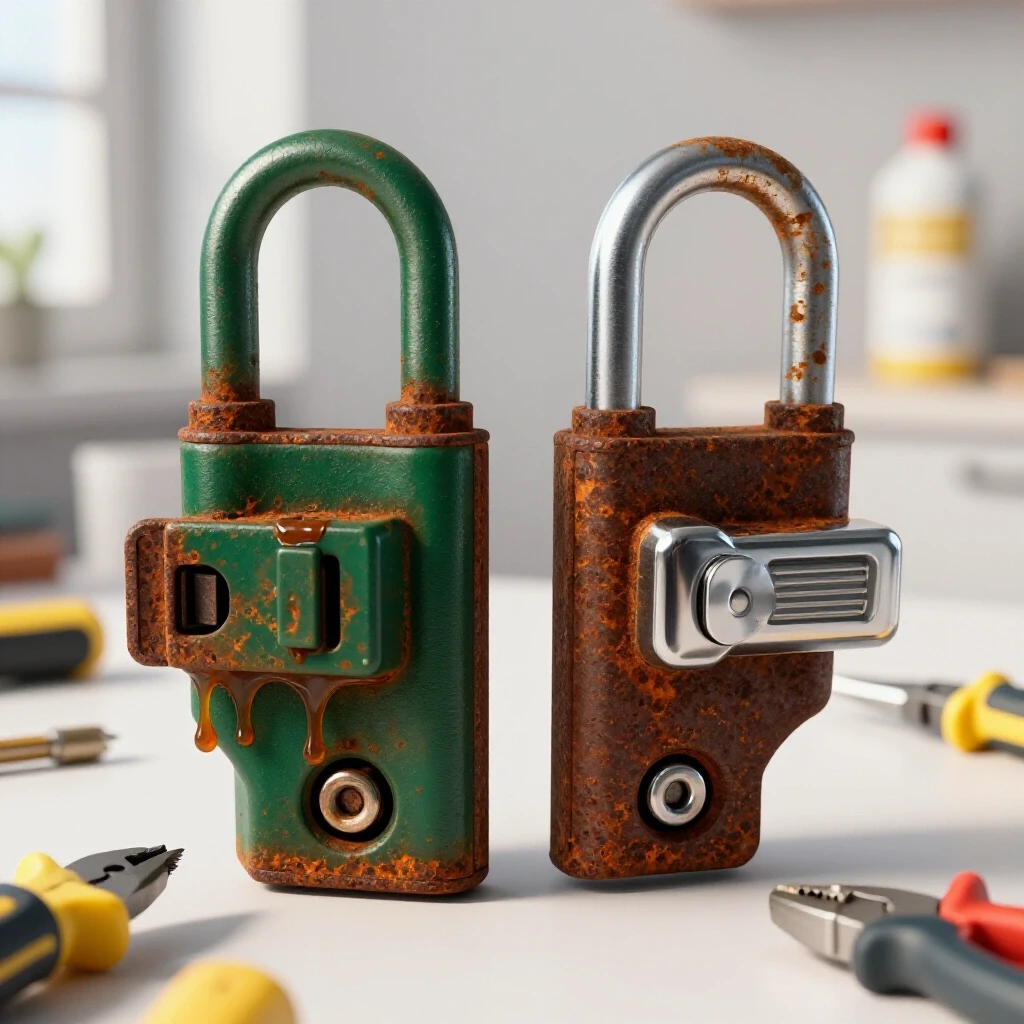
Maintaining the moving parts of an older home requires a shift in perspective. We often look at a window as a static part of the wall, but it is actually a complex mechanical assembly. When friction increases in the locking mechanism, it places undue stress on the sash, the frame, and the mounting screws. If ignored, this resistance can lead to stripped screw holes or cracked wood, turning a five-minute maintenance task into a structural headache. My approach focuses on residential diagnostics and a home maintenance checklist that prioritizes the building envelope.
Understanding the Mechanics of Hardware Resistance
Mechanical resistance in window fasteners is the physical opposition encountered when two surfaces move against each other. In residential hardware, this friction is typically caused by the accumulation of atmospheric debris, the oxidation of metal components, or the structural shifting of the window sash. By understanding the forces at play, we can address the root cause of the binding rather than just forcing the handle.
In building science, we often talk about the coefficient of friction. This is a value that represents the relationship between the force of friction between two bodies and the force pressing them together. When dust and old, congealed grease build up inside a cam lock or a sliding bolt, that coefficient rises significantly. In older properties, we also deal with hygroscopic movement—where wood absorbs moisture from the air and expands. If the relative humidity in your home rises above 55%, a wooden sash can swell just enough to push the locking hardware out of its 1/16-inch tolerance, leading to a latch that feels jammed.
Building on this, we must consider the “throw” of the lock. This is the distance the locking bolt or cam travels to engage with the keeper. If the sash has dropped even 2 millimeters due to hinge wear or frame settling, the bolt will hit the edge of the keeper rather than sliding into the recess. This creates a metal-on-metal bind that many homeowners mistake for a broken internal spring.
Essential Diagnostic Tools for Residential Hardware
Proper diagnosis requires specific, low-impact tools designed to measure and clean without damaging the finish of legacy hardware. Using the wrong tool, such as a heavy-duty degreaser or a serrated pair of pliers, can strip the protective plating off the metal or introduce abrasive particles into the mechanism. A well-stocked kit ensures that maintenance remains a simple task rather than a destructive repair.
When I perform a systemic property assessment, I carry a specific set of tools for hardware diagnostics:
- A soft-bristle nylon brush (an old toothbrush works well) for removing surface particulates.
- A vacuum with a narrow crevice tool to extract debris from the internal tracks.
- A precision screwdriver set to check the torque of mounting screws without stripping the heads.
- A non-marring plastic shim to check the gap (clearance) between the sash and the frame.
- A dry-film lubricant, which provides a slick surface without attracting the dust that wet oils do.
- A bright LED flashlight to inspect the internal “throat” of the keeper for obstructions.
Interestingly, many people reach for penetrating oils like standard WD-40 when a latch gets stiff. While these are excellent for breaking rust, they are often “wet” lubricants that act as a magnet for household dust and pet hair. Over time, this creates a thick paste that actually increases friction. For a fix that lasts, we look toward PTFE (Teflon) or silicone-based dry sprays that leave a microscopic, low-friction barrier.
Symptom-to-Root-Cause Diagnostic Tree
To address persistent hardware friction effectively, we must match the physical symptom to the mechanical failure. The following table outlines common issues I have encountered in the field and the underlying causes that require attention.
| Physical Symptom | Likely Root Cause | Diagnostic Step |
|---|---|---|
| Latch turns but feels “gritty” | Debris or oxidized metal shavings inside the housing | Inspect for grey/black dust around the base of the handle. |
| Latch hits the keeper and stops | Sash sag or frame settling (misalignment) | Measure the vertical gap between the latch and keeper. |
| Handle is difficult to start moving | Congealed old lubricant or paint “bridge” | Check for paint overspray on the moving seams. |
| Latch engages but the window feels loose | Loose mounting screws or worn-out keeper | Check for movement in the hardware body when toggled. |
| Resistance increases in high humidity | Wood expansion (hygroscopic movement) | Check moisture content of the sash with a meter (>15% is high). |
As a result of these diagnostics, we can determine if the issue is a simple cleaning job or if we need to make minor adjustments to the hardware’s position.
A Systematic Approach to Cleaning and Lubrication
Cleaning is the process of removing contaminants like dust, pet hair, and old grease that increase resistance within a mechanical assembly. Lubrication involves applying a thin layer of specialized material to reduce wear and ensure smooth operation of moving parts. Together, they form the foundation of hardware longevity and prevent the need for expensive replacements.
In my years of maintaining legacy structures, I’ve found that the “clean first” rule is unbreakable. If you apply lubricant over dirt, you are simply making “dirty oil,” which acts like sandpaper. Start by opening the window fully. Use the vacuum crevice tool to clear the tracks and the area around the lock. Use the nylon brush to scrub the crevices of the latch handle and the internal “hook” of the cam.
Once the hardware is physically clean, wipe it down with a damp microfiber cloth to remove any remaining film. If there is old paint or stubborn grease, a small amount of isopropyl alcohol on a swab can dissolve it without damaging most metal finishes. After the hardware is dry, apply a very small amount of dry-film lubricant. Cycle the lock 10 to 15 times to work the lubricant into the internal pivot points. You should feel the resistance drop almost immediately as the PTFE or silicone coats the bearing surfaces.
Addressing Minor Misalignment in Sash Latches
Misalignment occurs when the latch and the keeper no longer meet at the correct angle or height, often due to the house settling or the sash shifting within its frame. This is frequently seen in older homes where the foundation has moved slightly over decades. Small, calculated adjustments can restore function and structural protection without requiring the removal of the window unit.
If you find that the latch is hitting the top or bottom of the keeper, the first thing to check is the mounting screws. Over time, the weight of the window and the force of locking can cause screws to back out or the wood fibers to compress. This results in a “drooping” latch.
- First, use your precision screwdriver to ensure the screws are snug. Do not over-tighten; you only want to eliminate play.
- If the hardware is tight but still misaligned, check the sash itself. Sometimes a double-hung window isn’t fully closed because debris is trapped in the bottom track.
- If the misalignment is less than 1/16th of an inch, you can often “tune” the keeper. Some keepers have slightly oversized screw holes that allow for a tiny amount of vertical movement. Loosen the screws, slide the keeper into the correct position, and retighten.
Building science teaches us that even a small gap caused by a poorly engaged lock can lead to significant energy loss. A lock that doesn’t pull the sash tight against the weatherstripping allows for “stack effect”—where warm air escapes through the top of the window and pulls cold air in through the bottom. Ensuring a crisp, easy engagement is as much about energy efficiency as it is about ease of use.
DIY vs. Professional Scope Limits
When managing older properties, knowing when to stop is a vital skill. While most binding latches can be fixed with cleaning and lubrication, some situations indicate deeper structural or mechanical failures.
- DIY Scope: Surface cleaning, vacuuming tracks, applying dry-film lubricants, tightening loose screws, and clearing paint from moving parts.
- Professional Transition: If the window frame is visibly out of square (use a carpenter’s square to check), if the wood is soft and crumbling (indicating rot), or if the hardware has physically snapped or bent.
I once consulted on a home where the owner had used a hammer to try and “seat” a stubborn window lock. This resulted in a shattered glass pane and a bent frame. A systematic approach would have revealed that a small pebble in the track was preventing the sash from closing fully. Always use the minimum force required.
Building a Multi-Year Prevention Program
A prevention-focused homeowner doesn’t wait for a failure to act. Instead, they integrate hardware checks into a seasonal maintenance schedule. This proactive stance prevents the “seizing” of hardware that often occurs after a window has been closed for an entire winter or summer season.
- Spring/Fall Cycle: Every six months, vacuum the window sills and tracks. This prevents the “gritty” feeling in the hardware before it starts.
- Annual Lubrication: Apply a fresh coat of dry-film lubricant once a year. In coastal areas with salt air, this may need to be done every six months to prevent corrosion.
- Moisture Monitoring: Use a moisture meter to check the wood around windows if you notice the latches getting tighter during rainy seasons. Keeping indoor humidity between 30% and 50% helps stabilize the wood.
By following this residential diagnostics routine, you ensure that the mechanical systems of your home’s envelope remain functional for decades. It is much easier to spend ten minutes a year on lubrication than it is to spend a weekend repairing a damaged sash or searching for discontinued replacement hardware.
Summary of Maintenance Metrics
| Metric | Standard/Goal | Why It Matters |
|---|---|---|
| Indoor Humidity | 30% – 50% | Prevents wood expansion and hardware binding. |
| Hardware Clearance | ~1/16 inch | Ensures the latch enters the keeper without friction. |
| Screw Torque | Snug (not stripped) | Prevents hardware from “wobbling” or shifting. |
| Moisture Content | <12% in wood | Indicators of healthy, stable window frames. |
| Cleaning Frequency | Twice Annually | Prevents abrasive debris from wearing down metal. |
Practical Next Steps for Long-Term Care
The most effective way to start is with a simple audit. Walk through your home and test every window. Note which ones feel “heavy,” which ones “grind,” and which ones require extra force to lock. This baseline assessment allows you to prioritize your efforts.
Start with the most used windows first. Clean the tracks, brush out the locks, and apply a high-quality dry lubricant. Once you feel the difference between a neglected latch and a maintained one, the value of this preventive home care becomes clear. You aren’t just fixing a stiff handle; you are protecting the integrity of your home’s envelope and ensuring that your legacy property remains easy to manage for years to come.
FAQ: Common Questions on Maintaining Window Hardware
Why is my window lock suddenly hard to turn even though I haven’t moved it? This is often due to “settling” or thermal expansion. If the temperature or humidity has changed significantly, the sash may have shifted slightly. Additionally, dust can settle into the lubricant over time, creating a sticky residue that hardens when the hardware isn’t used.
Can I use cooking oil or petroleum jelly if I don’t have specialized lubricant? No. Organic oils like cooking oil will go rancid and become extremely sticky. Petroleum jelly is too thick and will attract massive amounts of dust, eventually making the friction worse. Stick to silicone or PTFE dry-film sprays.
What should I do if paint is covering my window hardware? Carefully score the edge of the paint with a utility knife to break the bond between the hardware and the frame. You can often use a plastic scraper to pop the paint off the metal surface. Avoid using chemical strippers while the hardware is still attached to the wood.
How do I know if the latch is actually broken inside? If the handle spins freely without any resistance at all, or if you hear a “snap” followed by a rattling sound inside the housing, the internal spring or cam may have failed. If it just feels stiff or “crunchy,” it likely just needs cleaning.
Is it safe to use a vacuum on old window tracks? Yes, and it is highly recommended. However, if your home was built before 1978, be mindful of lead paint dust. Use a vacuum equipped with a HEPA filter and avoid using brushes that might kick up fine dust particles into the air.
Why does my lock work fine when the window is open but not when it’s closed? This is a classic sign of misalignment. When the window is closed, the latch and keeper are not lining up correctly. Check for debris in the track that might be preventing the sash from sitting low enough, or check if the keeper needs to be moved slightly.
How tight should the screws on my window hardware be? They should be “finger tight” plus a quarter turn. Over-tightening can strip the wood fibers in older sashes, making the hole too large for the screw to hold. If the hole is already stripped, you may need to fill it with a small wooden dowel and wood glue before re-driving the screw.
Does salt air affect how I should maintain my window locks? Absolutely. If you live within five miles of the ocean, salt spray can cause rapid oxidation (corrosion) on metal hardware. You should clean and lubricate your hardware at least twice as often as someone living inland to prevent the metal from “pitting.”
What is the best way to clean out the “keeper” where the lock goes? A Q-tip or a small pipe cleaner is excellent for getting into the tight corners of the keeper. Dip it in a little bit of isopropyl alcohol to break up any old, hardened grease or dirt that has been compressed inside.
Can a sticky lock cause the window glass to crack? Indirectly, yes. If you have to use excessive force to engage the lock, you are putting a “twisting” pressure on the sash. This can stress the glass at the corners, leading to a stress crack over time, especially in older, single-pane windows.
(This article was written by one of our staff writers, Daniel Whitaker. Visit our Meet the Team page to learn more about the author and their expertise.)