Tile Project Cost Breakdown: How to Budget & Save (Guide)

How much of your daily life is spent in spaces that don’t quite reflect your personal style? For many homeowners, the dream of a fresh, clean surface in the kitchen or bathroom is often dampened by the fear of a spiraling budget. I have spent over a decade tracking every cent of my home improvements in detailed spreadsheets. My background as a financial planner has taught me that the difference between a successful project and a financial headache lies in the data. I remember my first bathroom update where I thought a simple $500 budget would cover everything. By the time I finished, I had spent $920. I missed the small things: the spacers, the specific trowel sizes, and the extra boxes of material needed for “oops” cuts. That experience changed how I view home maintenance. Now, I help others look at their home through the lens of a balance sheet, ensuring that every dollar spent on new surfaces is an investment rather than a loss.
Establishing a Financial Framework for Surface Improvements
A financial framework is a set of rules that governs how you spend money on a project. It acts as a guardrail to prevent emotional overspending when you see a beautiful but expensive material. By setting these boundaries early, you ensure the project fits within your actual cash flow rather than relying on high-interest credit cards.
In my personal remodeling ledger, I always start with a “hard ceiling.” This is the absolute maximum I can spend without touching my emergency fund. I recommend a 15% to 20% contingency buffer. For example, if you have $2,000 for a kitchen backsplash, you should only plan to spend $1,600 on known items. The remaining $400 is for the “unknowns” that always appear once you start the work.
- 15% Buffer: Use this for standard projects with low complexity.
- 20% Buffer: Use this for older homes where wall surfaces might be uneven.
- 30% Buffer: Use this if you are working with high-end natural stone that is prone to breaking.
Building this buffer into your initial spreadsheet prevents the mid-project panic that occurs when you realize you need three more bags of thin-set mortar than you originally estimated.
The Anatomy of a Realistic Expense Forecast
An expense forecast is a detailed prediction of every cost associated with a project. It moves beyond the price of the primary material to include consumables, tool rentals, and waste. A common mistake is only looking at the “sticker price” of the tile and forgetting the “system” required to install it.
When I analyzed my last three projects, the primary material only accounted for about 60% of the total cost. The other 40% was hidden in what I call “the support layer.” This includes backer boards, waterproofing membranes, and specialized adhesives.
| Category | Projected Cost (per sq ft) | Actual Cost (per sq ft) | Variance |
|---|---|---|---|
| Primary Material (Ceramic) | $3.50 | $3.85 | +10% |
| Setting Materials (Mortar/Grout) | $1.20 | $1.50 | +25% |
| Underlayment/Prep | $2.00 | $2.75 | +37% |
| Tools & Consumables | $1.00 | $1.40 | +40% |
| Total | $7.70 | $9.50 | +23% |
As shown in the table, the largest variances often happen in prep and tools. I once spent an extra $120 just on different notched trowels because the first one I bought didn’t provide the right coverage for a specific large-format tile.
Understanding the Waste Factor
The waste factor is the extra material you buy to account for cuts, breaks, and future repairs. It is a standard part of construction accounting that protects your project from delays. If you run out of a specific batch of material, the next box you buy might have a slightly different color or size.
- Straight Patterns: Budget for 10% waste.
- Diagonal Patterns: Budget for 15% to 20% waste.
- Herringbone or Complex Patterns: Budget for 25% waste.
I always keep one full box of material in my attic after a project is done. This is a form of “maintenance insurance.” If a pipe leaks behind a wall five years from now, you won’t have to redo the entire room because you have the matching pieces ready.
Analyzing Material Tiers and Long-Term Value
Material tiers refer to the classification of products based on their cost, durability, and composition. Choosing the right tier is a balance between your current budget and the future resale value of your home. Over-improving a home with luxury stone in a neighborhood of modest starters rarely yields a high return.
According to data from Remodeling Magazine’s Cost vs. Value reports, mid-range updates often recoup a higher percentage of their cost than upscale ones. In my financial planning practice, I advise clients to look at the “neighborhood ceiling.” If the most expensive home in your area uses porcelain, installing marble might not increase your home’s value enough to cover the extra cost.
Ceramic vs. Porcelain: A Cost-Benefit Analysis
Ceramic is usually the most budget-friendly option. It is easier to cut with simple tools, which saves money on equipment. However, it is more porous and can chip more easily in high-traffic areas.
Porcelain is denser and more durable. It is often rated for both floors and walls. While it costs about 20% to 30% more than ceramic, its “depreciation schedule”—the rate at which it wears out—is much slower. From a financial perspective, porcelain often provides better long-term value because it resists moisture and heavy wear more effectively.
Natural Stone Considerations
Natural stone like marble or slate requires a different financial mindset. Beyond the higher purchase price, you must factor in the cost of high-quality sealers. These are recurring costs. A stone surface may need to be resealed every one to two years to maintain its value. This is a “lifestyle cost” that must be added to your long-term home maintenance spreadsheet.
The Hidden Impact of Tools and Consumables
Consumables are items that are used up during the project, such as sandpaper, sponges, and drill bits. While they seem cheap individually, they can aggregate into a significant sum. For a cost-conscious planner, tracking these is essential for an accurate final tally.
When I track my projects, I use a “tool-to-material ratio.” Usually, for a DIY project, you can expect to spend about $0.15 on tools and supplies for every $1.00 spent on the tile itself. If you don’t already own a wet saw, your costs will jump.
- Manual Snap Cutter: $40–$100. Good for ceramic and straight cuts.
- Wet Tile Saw Rental: $50–$80 per day. Necessary for porcelain or complex cuts.
- Diamond Drill Bits: $15–$30 each. Needed for plumbing fixtures.
- Mixing Paddles and Buckets: $25. Essential for consistent mortar.
I once worked with a client who forgot to budget for a specialized saw blade. That single blade cost $60. Because they hadn’t used a line-item tracker, that $60 meant they had to choose a cheaper, lower-quality grout to stay on budget. This is a classic example of how small, un-tracked costs can force poor decisions later in the project.
Calculating Return on Investment for Interior Finishes
Return on Investment (ROI) is the monetary gain you get from an improvement compared to the cost of the project. In home renovation, ROI is rarely 100%. Instead, you are looking for “lifestyle value” plus a “resale bump.”
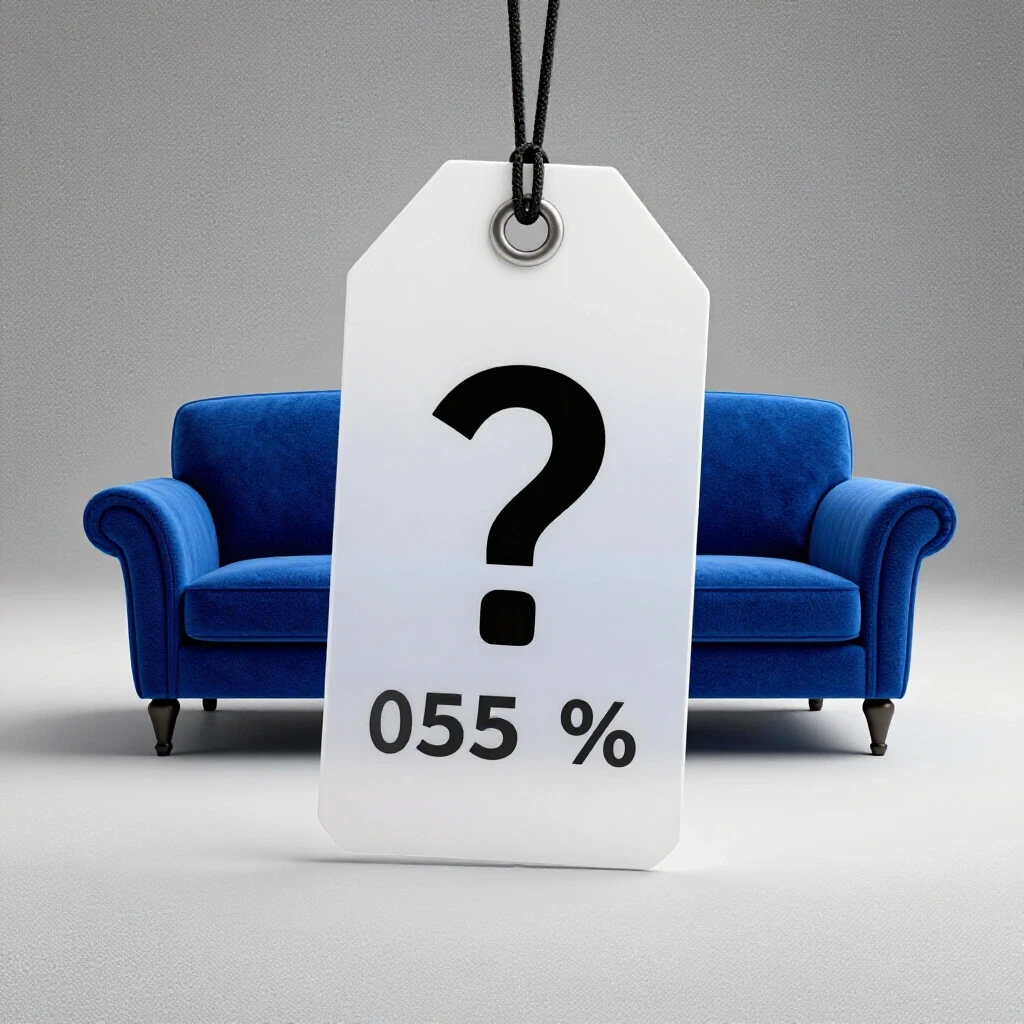
Most minor kitchen or bathroom surface updates see an ROI of 55% to 70%. If you spend $2,000, you might see a $1,200 to $1,400 increase in your home’s value. The rest of the cost is “paid for” by your enjoyment of the space.
The Concept of Sweat Equity
Sweat equity is the value you add to your home through your own labor. By doing the work yourself, you are essentially “hiring” yourself at a tax-free hourly rate. If a professional charges $10 per square foot for labor and you do 100 square feet, you have created $1,000 in equity.
- Labor-to-Material Ratio: In professional quotes, labor often costs 2x to 3x the price of materials.
- Time Valuation: Estimate your project will take 3x longer than a professional. If you value your time at $50/hour, calculate if the DIY route is actually saving you money.
For most of my readers, the financial “win” comes from the savings on labor. However, if the project takes you away from your actual job or high-value freelance work, the “opportunity cost” might be higher than the savings.
Financial Tracking Tools and Resources
To keep a project on track, you need more than just a total number. You need a living document that compares your estimates to what you actually swipe your card for at the store. I use a simple three-column method: Estimated, Actual, and Difference.
- Spreadsheet Templates: Use Google Sheets or Excel to categorize costs by “Prep,” “Materials,” and “Finishing.”
- Mobile Receipt Scanners: Use apps to scan receipts immediately so you don’t lose track of small hardware store runs.
- Regional Cost Indexes: Check sites like the U.S. Bureau of Labor Statistics for local inflation trends in building materials.
- Unit Price Calculators: Always calculate the “per square foot” cost including the waste factor to compare different products accurately.
By using these tools, you move from “guessing” to “knowing.” This data-driven approach is the only way to ensure you don’t run out of money before the last bit of grout is wiped clean.
Avoiding Common Financial Traps
One of the biggest traps is the “while we’re at it” syndrome. This happens when you start one project and decide to expand it because “the tools are already out.” This is how a $500 backsplash becomes a $5,000 kitchen refresh.
Another trap is buying the cheapest setting materials. I have seen homeowners spend $10 per square foot on beautiful stone and then use the cheapest $15 bag of mortar. If the mortar fails, the expensive stone is wasted. In construction accounting, we call this “false economy.” It is the act of saving a small amount of money upfront in a way that creates a massive liability later.
- Stick to the Scope: Define exactly where the project starts and stops before you buy anything.
- Quality Over Price for Prep: Spend more on the “invisible” stuff (mortar, waterproofers) to protect the “visible” stuff.
- Avoid Financing: If possible, pay cash. Amortizing a small project over years of interest on a credit card can double the actual cost.
Summary of Next Steps for Home Planners
If you are ready to start, begin by measuring your space three times. Take that square footage and add your 15% waste factor. Then, create your spreadsheet with the line items we discussed: materials, prep, tools, and consumables.
Once your spreadsheet is built, go to the store and get actual prices. Don’t rely on “average” costs you find online. Prices vary wildly by region. After you have your total, add your 20% contingency buffer. If that final number makes you blink, look for ways to scale back the material tier rather than cutting out the buffer. A smaller, well-funded project is always better than a large, half-finished one.
Frequently Asked Questions
What is a safe contingency buffer for a first-time project?
A safe buffer is 20% of your total estimated costs. This covers price fluctuations at the store, broken materials, and the need for extra tools you didn’t realize you needed. If your home is more than 40 years old, I recommend pushing that to 25% to account for potentially uneven surfaces that require more prep work.
How do I calculate the waste factor correctly?
Take the total square footage of the area and multiply it by the waste percentage. For a 50 square foot backsplash with a standard grid pattern, multiply 50 by 1.10 to get 55 square feet. Always round up to the nearest full box. It is better to have three extra pieces than to be one piece short.
Is porcelain worth the extra cost over ceramic?
Generally, yes. Porcelain is harder and less porous. While it costs about $1 to $2 more per square foot, it is less likely to crack or stain over time. If you are doing a floor or a shower, the added durability usually justifies the higher initial investment.
Does updating a backsplash or floor actually add home value?
It does, but it is rarely a dollar-for-dollar return. You can expect to see about 60% of the cost reflected in your home’s value. The primary benefit is often a faster sale rather than a much higher price. It makes the home “move-in ready,” which is highly attractive to modern buyers.
Should I buy or rent a tile saw?
If your project will take more than three days, buying a budget-friendly saw for $100–$150 is often cheaper than renting a professional one for $60 a day. You can also sell the saw on the used market after your project to recoup some of the cost, further lowering your total project expense.
How do I track small “incidental” costs?
The best way is to have a dedicated envelope or a digital folder for every receipt related to the project. Even a $5 bag of spacers adds up. At the end of every week, enter these into your spreadsheet. This prevents “budget creep” where you feel like you are on track but your bank account says otherwise.
What are the most common “hidden fees” in these projects?
The most common hidden fees are subfloor repair materials, transition strips (where the new surface meets the old floor), and specialized cleaning supplies for the final grout haze. These items can easily add $100 to $200 to a project that wasn’t properly scoped.
How does doing the work myself impact my taxes?
In most cases, home improvements are not tax-deductible in the year you do them. However, they can be added to your home’s “cost basis.” This can reduce the capital gains tax you might owe when you sell the home. Keep your spreadsheets and receipts as proof of the investment.
Can I use a standard calculator for my budget?
A standard calculator is a start, but a spreadsheet is better because it allows for “what-if” scenarios. You can quickly see how choosing a $4 tile versus a $6 tile changes the entire project total, including the increased cost of the waste factor and taxes.
What is the ROI on natural stone versus man-made materials?
Natural stone often has a lower ROI because it is more expensive to buy and install. While it looks high-end, many buyers worry about the maintenance (sealing). Man-made porcelain that looks like stone often provides a better return because it offers the aesthetic without the maintenance burden.
(This article was written by one of our staff writers, Steven Fletcher. Visit our Meet the Team page to learn more about the author and their expertise.)