Tile vs Waterproof Panels: Which Lasts Longer? (Expert Guide)

Whether you live in the humid Southeast or the rainy Pacific Northwest, managing moisture in a home is a constant battle. In my 18 years as a project coordinator, I have seen how regional climates dictate the success of a bathroom or kitchen remodel. A shower enclosure in a drafty, older home in Maine faces different stresses than one in a high-rise in Florida. Choosing the right wall covering is not just about looks; it is about how that material handles the specific water loads and temperature shifts of your local environment.
Planning Your Wet Area Renovation: Materials and Moisture
Defining the scope of work for a wet area means deciding between traditional masonry-based finishes and modern engineered systems. This stage involves identifying every surface that will touch water and choosing a material that fits your skill level or your contractor’s expertise. It sets the tone for the entire project budget and timeline.
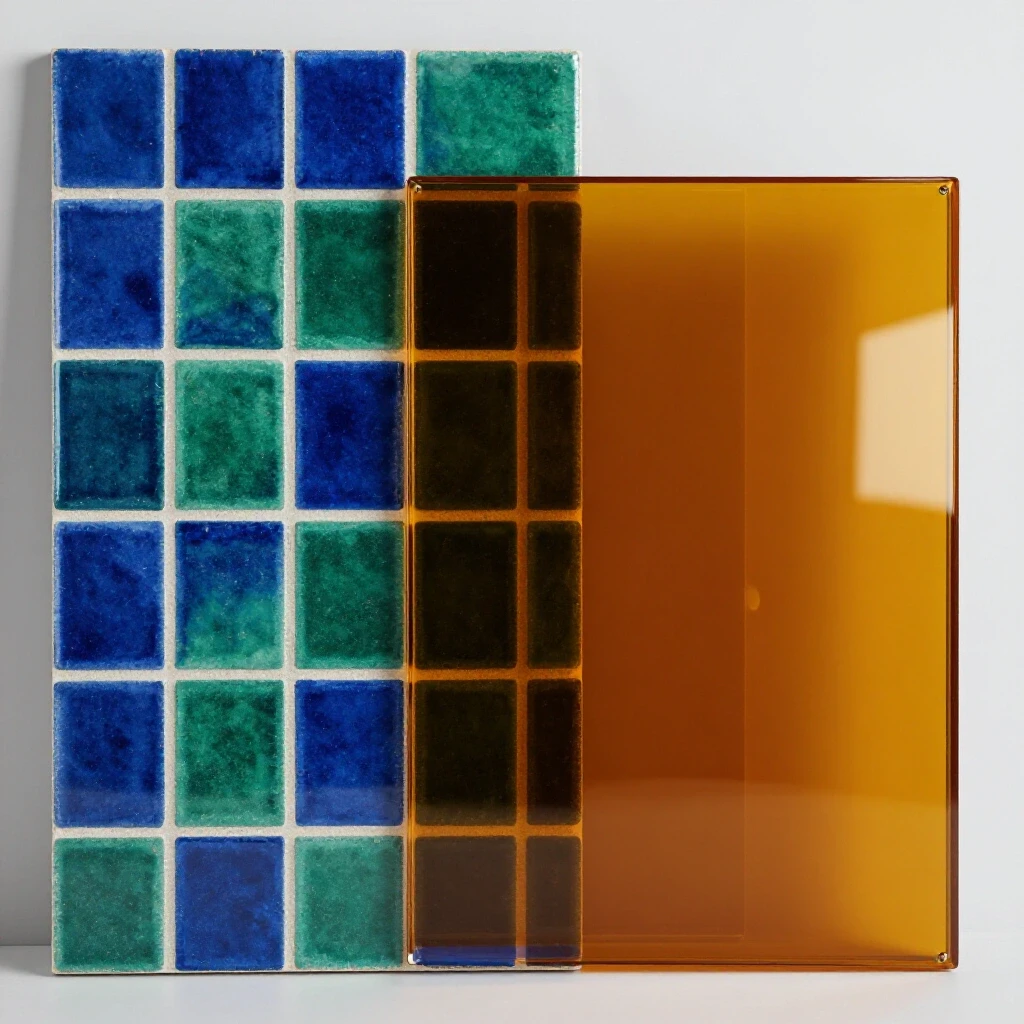
When I started my first full-home renovation, I spent weeks debating between ceramic tile and solid surface panels. I learned quickly that the “scope of work”—which is a detailed list of every task and material needed—changes drastically depending on that choice. If you choose tile, your scope must include detailed waterproofing membranes and specialized backing boards. If you choose panels, the focus shifts to precise measurements and adhesive compatibility.
In one project I managed for a client, we ignored the “why” behind the material choice and focused only on the “what.” We didn’t account for the fact that their house was over 80 years old and prone to settling. We installed a heavy porcelain tile without reinforcing the floor joists. Within two years, the grout lines began to crack. Had we used a lighter, more flexible panel system, the slight movement of the house might not have caused such a headache.
- Define the “wet zone” clearly in your plans.
- Decide if you want a system with many joints (tile) or few joints (panels).
- Assess the structural integrity of the walls before choosing heavy materials.
Estimating Costs for Surface Finishes
Budget forecasting requires looking at both material prices and the labor hours needed for installation. Using data from RSMeans, we can see that labor often costs more than the materials themselves, especially for complex patterns. A realistic budget must also include a contingency fund for the surprises found behind the walls.
In my experience, homeowners often underestimate the cost of labor for a tile job. According to RSMeans construction data, professional tile installation can range from $12 to $25 per square foot for labor alone. In contrast, installing large-format waterproof panels often costs between $5 and $10 per square foot because the process is faster.
I once oversaw a bathroom remodel where the homeowner bought high-end marble tile on sale. They thought they were saving money. However, the labor to seal, cut, and perfectly align that natural stone doubled their initial budget. When we compared this to a previous project using high-quality laminate panels, the panels were more expensive upfront but saved the client 40% on total costs due to the speed of the install.
| Material Type | Material Cost (per sq. ft.) | Labor Cost (per sq. ft.) | Total Est. Cost |
|---|---|---|---|
| Ceramic/Porcelain Tile | $2 – $15 | $12 – $25 | $14 – $40 |
| Waterproof Panels | $8 – $25 | $5 – $10 | $13 – $35 |
| Natural Stone Tile | $10 – $50 | $20 – $45 | $30 – $95 |
- Always add a 15–20% contingency buffer for bathroom projects.
- Factor in the cost of “setting materials” like thin-set, grout, or specialized adhesives.
- Remember that complex tile patterns (like herringbone) increase labor costs by 30% or more.
Contractor Vetting for Specialized Installations
Finding the right professional means looking for someone who specializes in your chosen material rather than a generalist. Contractor vetting involves checking references specifically for wet-room success and asking about their preferred waterproofing methods. A good contractor will explain the “how” and “why” behind their process.
I have seen many disputes arise because a “jack-of-all-trades” tried to install a specialized panel system like it was drywall. These panels often require specific expansion gaps and proprietary sealants. When vetting a pro, I ask them to describe their “waterproofing stack.” If they say, “I’ve been doing it this way for 20 years and never had a leak,” but they can’t explain how they handle the transition between the wall and the floor, that is a red flag.
For a personal remodel, I interviewed three tilers. One was the cheapest, but he didn’t mention using a liquid-applied membrane or a sheet-bond system. The second was mid-range and explained he used a specific foam-board backing. The third was the most expensive. I chose the second one because he understood the technical needs of a modern shower without overcharging for a brand name.
- Ask for photos of “rough-in” work, not just the finished, pretty photos.
- Verify they have experience with the specific panel or tile type you bought.
- Ensure they provide a written “scope of work” that includes prep and cleanup.
Scheduling and Construction Sequencing
The order of operations in a remodel is called “sequencing,” and it is vital for preventing rework. For wet areas, this means coordinating the plumber, the wall installer, and the finish carpenter. A “critical path” schedule identifies the tasks that must happen in a specific order to avoid delays.
In a typical bathroom remodel, the “rough-in” phase is where the pipes are placed behind the walls. If you are using panels, your plumbing valves must be set at a very specific depth so the trim fits perfectly against the flat surface. With tile, there is a bit more wiggle room because the thickness of the thin-set and tile can be adjusted slightly.
I once managed a project where the plumber finished before we decided on the wall material. We chose a thick, 10mm panel system, but the shower valve was set for thin tile. We had to tear out the brand-new wallboard to move the plumbing back an inch. This mistake cost the homeowner three days and $600 in change orders.
- Rough-in plumbing must be verified against the thickness of your wall material.
- Allow for “curing time”—the period grout or adhesive needs to dry—before using the space.
- Schedule a “flood test” for shower floors before the final wall finishes go up.
Long-Term Performance and Maintenance Realities
Looking at how materials hold up after 2 to 5 years reveals the true value of your investment. This evaluation focuses on how well the surfaces resist mold growth, whether grout lines stay clean, and if the seals remain watertight. Real-world usage is the ultimate test of any renovation.
In my own homes, I have lived with both systems. After five years, the tile in my guest bath looked great, but the grout required a deep scrub every six months to fight off orange mildew. In my primary bath, I installed high-quality waterproof panels. The panels looked exactly the same after five years as they did on day one. Because there were no grout lines, there was nowhere for the mold to hide.
However, panels are not invincible. I once saw a case study where a homeowner used a cheap panel system that wasn’t UV-rated. After three years of sun hitting the bathroom window, the panels began to yellow and warp. Tile, being a fired mineral product, is almost entirely immune to fading or warping from heat and light.
- Tile requires periodic re-sealing of grout to prevent water absorption.
- Panels require checking the silicone seals in the corners every few years.
- Porcelain is denser and more water-resistant than ceramic tile.
Managing Hidden Structural Surprises
Hidden issues like mold, rot, or outdated wiring often appear once the old walls are removed. A structural inspection checklist helps you identify these problems early so they don’t blow your budget. This is the moment when a project often shifts from “cosmetic” to “structural.”
During a remodel of a 1950s ranch, we pulled down the old plastic tile and found “black bloom” mold all over the studs. The previous owner had just covered up a leak. Because we had a 20% contingency fund, we were able to replace the rotted wood and treat the area without stopping the project. If we hadn’t planned for this, the contractor might have walked away to another job while we scrambled for cash.
I always tell my readers: the wall is a “thermal envelope.” It keeps the heat in and the moisture out. If you find wet insulation or rusted “romex” (electrical wiring), you must fix it before the new finish goes up. Covering up a problem with a shiny new panel or expensive tile is like putting a bandage on a broken arm.
- Check for “spongy” floors near the tub or toilet.
- Look for rusted nail heads in the wall studs, which indicate high humidity.
- Inspect the “vent stack”—the pipe that lets air into your plumbing—for cracks.
Project Management and Quality Control Tools
Managing a renovation requires tools to track progress, costs, and communication. From digital blueprints to scheduling apps, these resources help keep the project on the “critical path.” Using a structured approach reduces the stress of managing multiple subcontractors.
I recommend using a simple spreadsheet or a dedicated app to track “change orders.” A change order is any deviation from the original contract. For example, if you decide to add a recessed “niche” for soap in the middle of a tile job, that is a change order. It involves extra labor and materials. Tracking these in real-time prevents a “sticker shock” bill at the end of the job.
- HomeZada or CoConstruct: Great for tracking budgets and schedules.
- MagicPlan: An app that lets you create floor plans with your phone camera.
- RSMeans Online: To double-check if your contractor’s quotes are in the ballpark.
- Lien Waiver Templates: Essential documents that prove you’ve paid your subcontractors.
Conclusion: Making the Right Choice for Your Home
Choosing between these two wall systems comes down to your priorities. If you want a custom, timeless look and don’t mind the maintenance, tile is a proven winner. If you want a fast, easy-to-clean, and modern solution, waterproof panels are often the better practical choice. In my years of oversight, the most successful projects were those where the homeowner understood the prep work required for their specific choice. Take the time to vet your pro, build a solid budget, and always look behind the wall before you close it up.
FAQ: Frequently Asked Questions
Which material is more likely to leak over time? Leaks are rarely the fault of the surface material itself. Whether you use tile or panels, the leak usually happens at the “transitions”—the corners, the floor joints, or around the faucet. Tile has more “potential failure points” because every grout line is a seam. Panels have fewer seams, but if the single seam in the corner fails, it can let in a lot of water quickly.
Can I install waterproof panels over my old tile? Technically, some manufacturers allow this if the tile is perfectly flat and well-adhered. However, as a project coordinator, I advise against it. You cannot see if there is mold or rot behind that old tile. It is always better to “demo” down to the studs to ensure the structure is sound.
How much time does a tile installation take compared to panels? A standard shower tile job usually takes 3 to 5 days, including substrate prep, setting the tile, and grouting. Panels can often be installed in a single day. This makes panels a favorite for “one-day” remodel companies, but remember that the prep work behind the panels still takes time.
Do waterproof panels look “cheap” compared to tile? This is subjective, but the industry has changed. Modern high-pressure laminate or stone-composite panels can look very realistic. However, they lack the texture and depth of real ceramic or stone. In high-end “resale” markets, buyers still tend to prefer the look of professional tile work.
What is the best way to clean these surfaces to make them last? For tile, use a pH-neutral cleaner to avoid eroding the grout. For panels, avoid abrasive scrubbing pads which can scratch the surface. A simple squeegee used after every shower is the best tool for both materials, as it removes the mineral-rich water that leads to spotting and mold.
Is it harder to replace a single damaged panel or a single broken tile? It is much easier to replace a single tile. You can chip it out and put a new one in. If a large-format panel gets a deep crack or a hole, you usually have to replace the entire wall section, which may involve removing plumbing fixtures and trim.
How do I know if my contractor is doing the waterproofing correctly? Ask to see the “waterproofing membrane” before the finish goes on. If you see a bright red or blue liquid-applied coating or a bright orange sheet membrane, they are likely following modern standards. If they are putting tile directly onto green drywall in a shower, stop the job immediately.
Does the age of my house affect which material I should choose? Yes. Older houses move and settle more. Tile is rigid and can crack if the house shifts. Panels have a bit more “flex” and use silicone in the corners, which can absorb small movements without showing damage. If your home is prone to settling, panels might save you from future grout repairs.
Are there eco-friendly options for both? Yes. Many tiles are made from recycled content, and some panel manufacturers use sustainable wood fibers or recycled plastics. Look for “Low-VOC” adhesives and grouts to ensure your indoor air quality remains high during and after the remodel.
What is a “change order” and how do I avoid them? A change order is a written agreement to change the original work plan. You avoid them by having a very detailed “Scope of Work” and “Finish Schedule” before anyone picks up a hammer. Decide on your tile pattern, your niche location, and your hardware before the contract is signed.
(This article was written by one of our staff writers, David Langford. Visit our Meet the Team page to learn more about the author and their expertise.)