How to Set Toddler Toy Limits for a Clutter-Free Home (Guide)

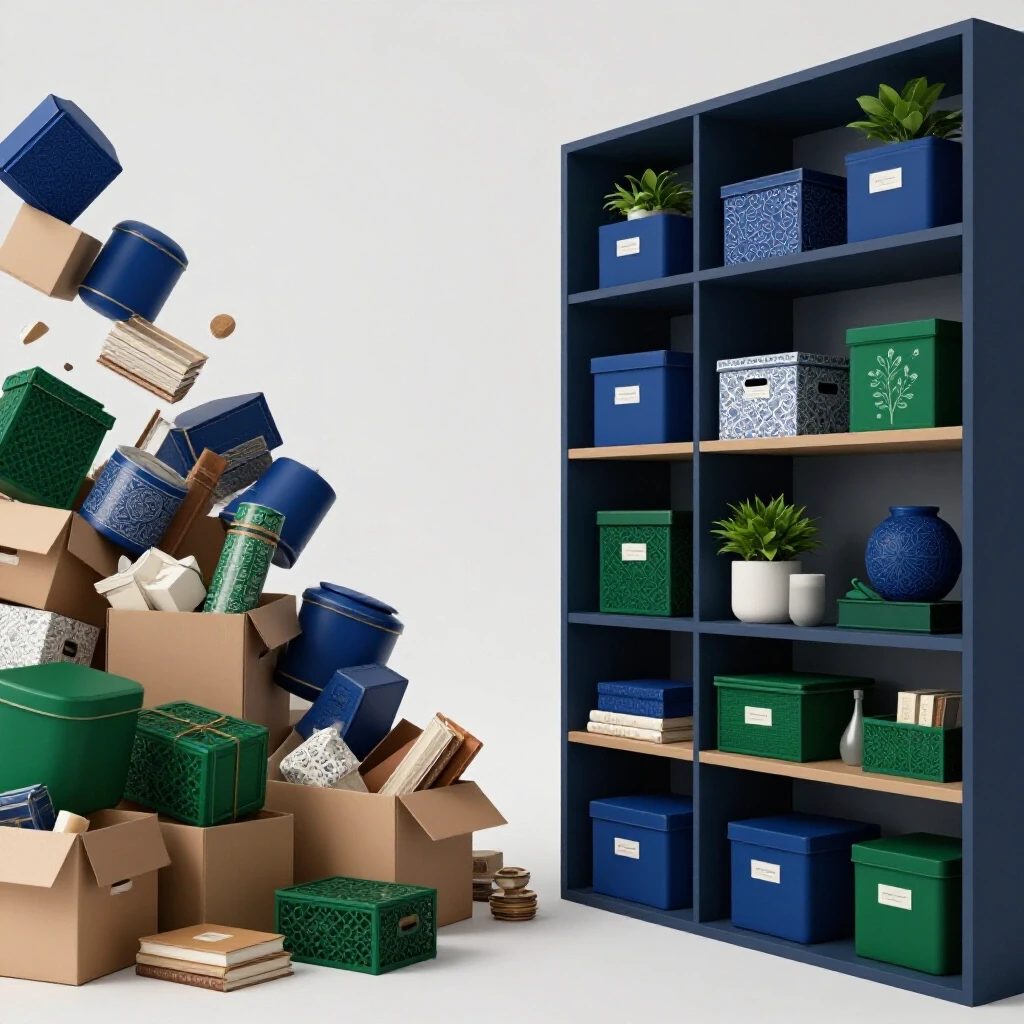
Every Sunday evening, I used to stand in the doorway of our living room and feel a heavy sense of defeat. Despite spending hours on Saturday grouping items into labeled bins, the floor was once again invisible. My background in operations and logistics taught me that when a system fails repeatedly, the problem isn’t the operator; it is the design of the system itself.
In my eleven years of managing supply chains and household flows, I have realized that most homes suffer from inventory saturation. We treat our living spaces like warehouses with infinite capacity, but every room has a hard limit. When we exceed the spatial capacity of a room, the resulting visual noise leads to decision fatigue and mental exhaustion.
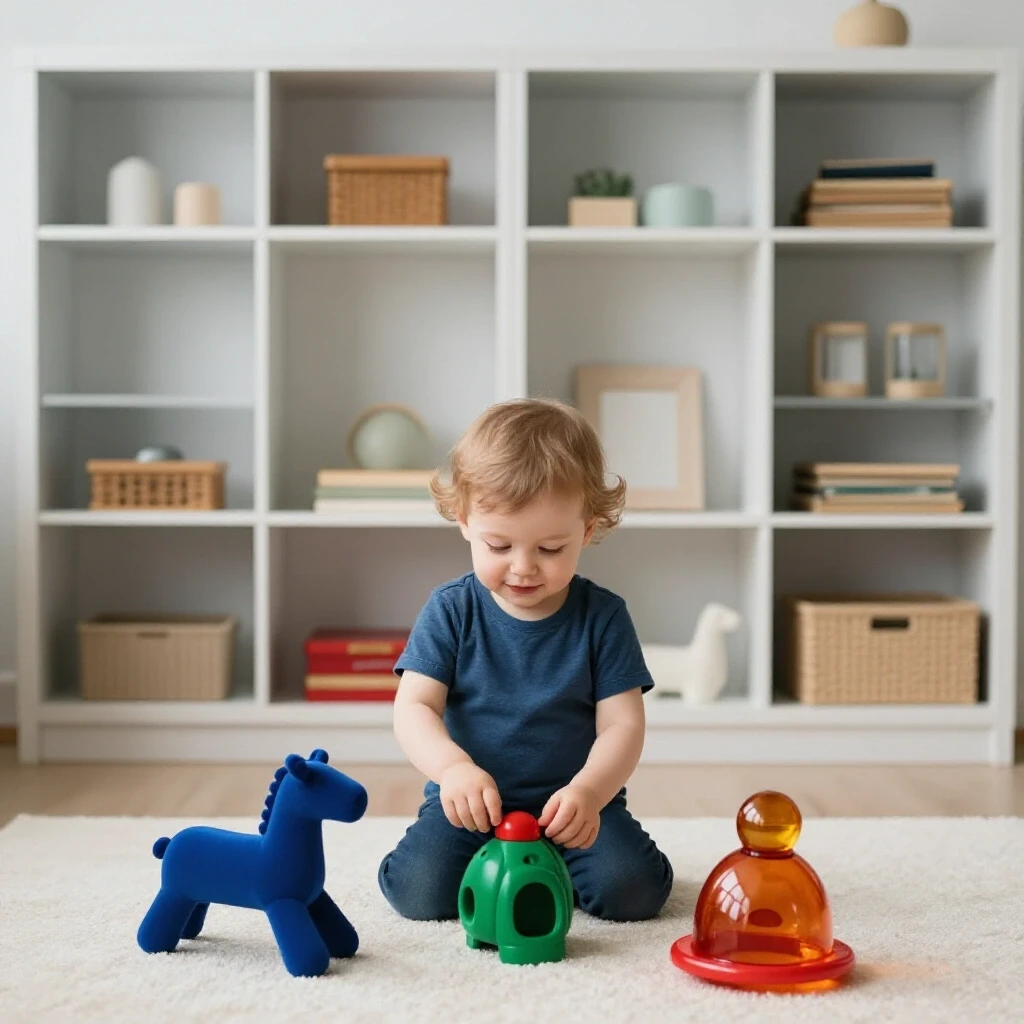
The frustration you feel after a “failed” weekend of cleaning is a signal. It tells you that your current storage solutions have too much friction for a busy family to maintain. To fix this, we must look at our homes through the lens of flow rates and volume control rather than just “tidying up.”
Understanding the Logistics of Spatial Capacity Limits
Spatial capacity is the maximum amount of inventory a room can hold while still remaining functional and visually calm. When the volume of items exceeds this limit, the system breaks down because there is no “home” for new arrivals.
In professional logistics, we call this a bottleneck. In a family home, this happens when the number of play items exceeds the available shelf inches. If you have to move three things to put one thing away, you are experiencing high retrieval friction. This friction is the primary reason why rooms revert to a cluttered state within forty-eight hours of being organized.
To maintain a functional home, we must establish a hard ceiling on the number of items allowed in any given zone. This isn’t about being restrictive; it is about protecting the flow of the room. When the volume is managed, the time required for daily resets drops from forty-five minutes to less than ten.
Why High-Friction Storage Leads to System Reversion
Storage friction refers to the number of physical and mental steps required to put an item back in its designated place. High-friction systems are the enemy of a sustainable home.
Consider a storage unit with a lid, tucked inside a closet, behind a door. To put one item away, a person must open the door, move an obstacle, pull out the bin, remove the lid, place the item, and reverse the process. This is a six-step flow. In a busy household, a six-step flow will fail 90% of the time.
A low-friction system, such as an open-top basket on a low shelf, requires only one step: drop the item in. By reducing the physical effort required to maintain order, we make it easier for every family member to follow the system.
Storage Friction Index by Container Type
| Container Type | Steps to Store | Friction Level | Sustainability Rating |
|---|---|---|---|
| Open-top Floor Basket | 1 | Very Low | High |
| Cubby with Open Bin | 2 | Low | High |
| Lidded Plastic Tote | 4 | Medium | Moderate |
| Stacked Bins with Lids | 6+ | High | Low |
| Decorative Latched Trunk | 5 | High | Low |
Implementing a Residential Sorting Framework for Volume Control
A sorting framework is a logical process used to categorize inventory and identify which items actually earn their keep in your high-traffic living areas.
When I redesigned our family’s storage, I used a method derived from industrial 5S principles: Sort, Set in Order, Shine, Standardize, and Sustain. The most critical step is the initial sort, which focuses on item density. We often keep too many variations of the same item type, which leads to “category bloat.”
By defining a specific volume limit for each category—such as “only what fits in this one basket”—we create a natural boundary. When the basket is full, the system is at capacity. To add something new, something old must exit. This creates a balanced inflow and outflow that prevents the slow creep of clutter.
The Item-Density Sorting Log
- Identify the Zone: Choose a specific area, like the bottom shelf of a media console.
- Measure the Capacity: Determine exactly how many containers or items fit comfortably without stacking.
- Categorize by Frequency: Group items by how often they are used (daily, weekly, or monthly).
- Apply the Volume Rule: If the daily-use items fill 80% of the space, move weekly and monthly items to a secondary storage location.
- Audit the Outflow: Remove any items that are broken, incomplete, or no longer age-appropriate for the users of that space.
Creating High-Efficiency Zoning Maps for Multi-Use Rooms
Zoning is the practice of dividing a room into specific functional areas based on the activities that happen there. This prevents “item drift,” where objects from one part of the house migrate and settle in another.
In a living room that also serves as a play area, zoning is essential for maintaining visual balance. I recommend a “Perimeter Strategy.” Keep the center of the room clear for movement and place all storage units along the walls. This increases the perceived square footage and reduces the feeling of being “closed in” by objects.
A successful zoning map accounts for the “Prime Real Estate” principle. Items used daily should live between knee and shoulder height. Anything stored on the floor or above head height should be reserved for items used less than once a week.
Visual vs. Functional Organization Systems
| Feature | Visual-Focused (Fails Quickly) | Functional-Focused (Sustains) |
|---|---|---|
| Primary Goal | Looks like a magazine | Minimizes daily effort |
| Container Choice | Uniform, opaque, hidden | Accessible, appropriately sized |
| Labeling | Aesthetic cursive tags | High-contrast, clear text/icons |
| Maintenance | Requires 30+ minutes daily | Requires 5-10 minutes daily |
| Flexibility | Rigid and hard to change | Modular and adaptable |
Selecting Low-Maintenance Storage Gear to Reduce Sorting Fatigue
The physical hardware you choose for your home determines how much mental energy you will spend on chores. Many parents buy large, deep toy chests, thinking they are helpful. In reality, these are “black holes” that increase sorting fatigue.
When an item is at the bottom of a deep chest, a child will dump the entire contents onto the floor to find it. This turns a thirty-second retrieval into a ten-minute cleanup. Instead, I advocate for shallow, modular storage. Shallow bins allow for “visual scanning,” meaning you can see what is inside without digging.
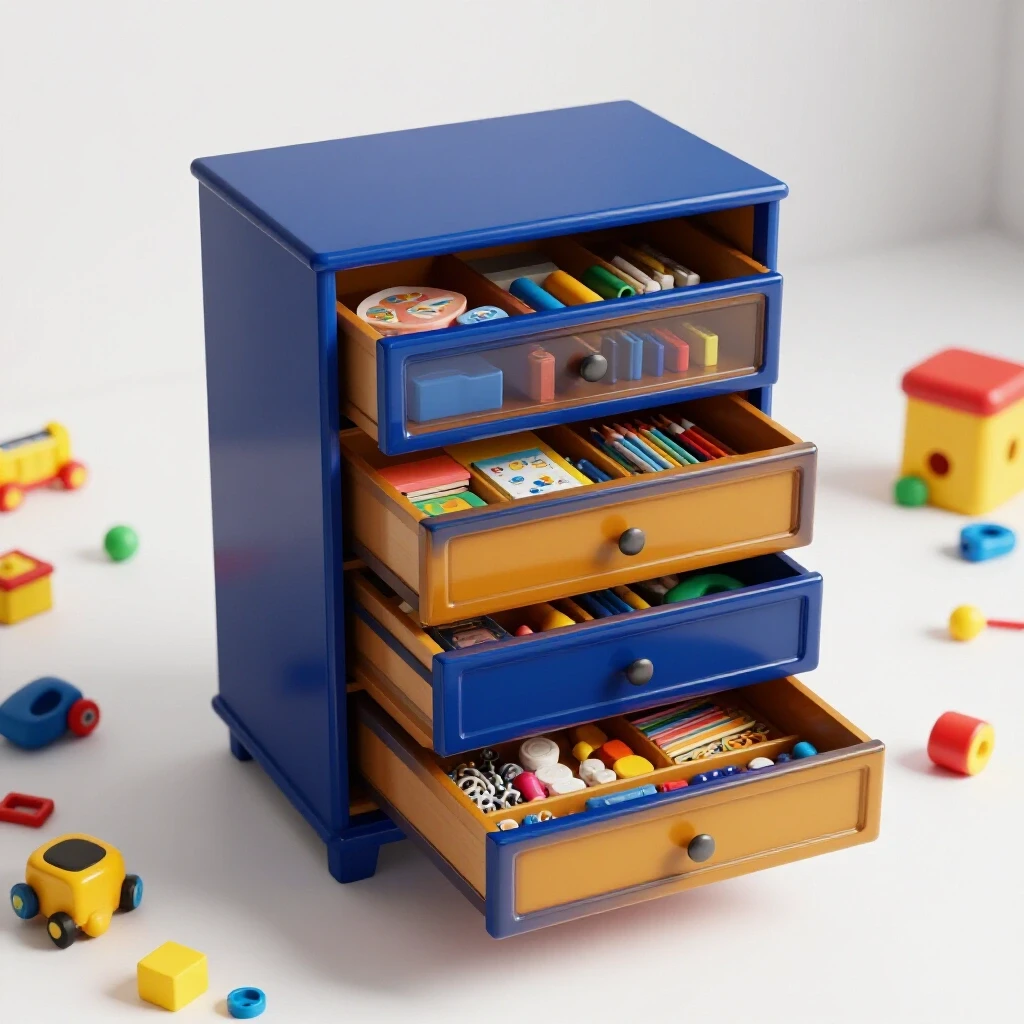
Modular units also allow you to adjust the system as your family’s needs change. If a specific category of items grows, you can add a matching bin. If a category is eliminated, the shelf can easily transition to holding books or decor without looking empty or disorganized.
Key Features of Sustainable Containers
- Transparency or Open Tops: Reduces the cognitive load of remembering where things are.
- Standardized Dimensions: Allows bins to be swapped between different rooms or shelves.
- Durability: Choose materials like heavy-duty canvas or thick plastic that can withstand frequent handling.
- Integrated Handles: Essential for quick transport during “blitz cleans.”
Establishing Sustainable Maintenance Loops and Daily Habit Systems
Even the best system requires a maintenance loop to remain functional. In logistics, this is known as “closing the loop.” It is the process of returning the system to its baseline state at regular intervals.
For a family home, the most effective loop is the “Ten-Minute Reset.” This is not a deep clean. It is a high-speed transit of items back to their designated zones. Because you have already reduced the volume of items and lowered the storage friction, this reset should be effortless.
We also use a “One-In, One-Out” rule for larger items. This ensures that our total inventory never exceeds our spatial capacity. If a new building set comes into the house, an older set that is no longer used must be donated or moved to long-term storage in the garage or attic.
Daily Maintenance Timeline for a Busy Family
- Morning (2 mins): Clear the primary transit paths (hallways and doorways).
- Post-Activity (3 mins): Return high-friction items to their bins immediately after use.
- Evening Reset (5-10 mins): A family-wide effort to clear the floor and surfaces before bed.
- Weekly Audit (15 mins): Check for “item drift” and return stray objects to their correct zones.
The Psychological Impact of Managed Item Volume
Environmental psychology research shows that high levels of visual clutter increase cortisol levels, particularly in women. When our brains are constantly processing a disorganized environment, we have less “bandwidth” for parenting, work, and self-care.
By strictly limiting the volume of items in our living spaces, we are not just cleaning; we are performing a form of cognitive offloading. A clear space allows the brain to rest. Interestingly, a study from the University of Arizona found that people in organized environments are more likely to make healthier food choices and show increased persistence on difficult tasks.
The goal is to reach a “Steady State.” This is a condition where the inflow of new items matches the outflow of old ones, and the daily effort required to maintain the home remains constant. When you achieve this, the feeling of being overwhelmed by your own home begins to vanish.
Case Study: The “Living Room Lockdown” Redesign
I recently worked with a family of four who felt they were “drowning in plastic.” Their living room was a maze of large, mismatched bins. We performed a spatial audit and discovered they had 40% more inventory than their shelving could hold.
We implemented three specific changes: 1. Volume Capping: We reduced the total number of items to fit exactly within 12 modular cubbies. 2. Friction Reduction: We replaced lidded boxes with open-front bins. 3. Zone Mapping: We moved all adult-only items (work laptops, mail) to a designated “Command Center” in the kitchen, leaving the living room for relaxation and play.
The result? Their daily cleanup time dropped from 50 minutes to just 8 minutes. More importantly, the parents reported feeling significantly less “on edge” during the evening hours.
Practical Steps for Your Next Organization Sprint
If you are ready to stop the cycle of constant cleaning and immediate reversion, follow these steps:
- Calculate Your Shelf Inches: Measure how much actual storage space you have. This is your “hard limit.”
- Perform a “Deep Sort”: Remove everything from the room. Only put back what fits comfortably within your shelf inches.
- Eliminate Lids: If an item is used daily, do not put it in a container with a lid.
- Label with Icons: For families with young children, use picture labels so everyone knows exactly where things go.
- Set a Reset Timer: Use a physical timer for 10 minutes every evening. When the timer beeps, you stop.
Frequently Asked Questions
How do I decide which items to remove when we have too many?
Focus on “utility frequency.” If an item hasn’t been touched in thirty days, it shouldn’t occupy prime real estate in your main living area. Move it to a “rotation bin” in a closet or garage. If nobody asks for it in another thirty days, it is a candidate for donation.
My family won’t follow the system. What should I do?
The system is likely too complex. Observe where items naturally pile up. If shoes are always by the door, put a basket there. If toys are always on the rug, put the toy bin right next to the rug. Design the system around your family’s actual behavior, not your “ideal” behavior.
Is it better to have open shelving or closed cabinets?
For daily-use items, open shelving with bins is superior because it has lower friction. For items that cause visual “noise” (like board games with messy boxes), closed cabinets are better. A mix of both usually works best for a balanced aesthetic.
How often should I audit the volume of items in our home?
A quick audit should happen seasonally, or every three months. This aligns with the natural changes in a family’s lifestyle and ensures that the inventory remains age-appropriate and functional.
What is the “One-In, One-Out” rule?
It is a simple logistics policy: for every new item that enters the home, one item of similar size must leave. This prevents “inventory creep” and ensures you never exceed your spatial capacity.
How do I manage items that have sentimental value but cause clutter?
Sentimental items should never be stored in high-traffic zones. Move them to a dedicated “Memory Box” in a long-term storage area. This protects the items while freeing up functional space for daily living.
What are the best containers for a low-maintenance system?
Look for “stackable yet accessible” units. Modular cubby systems are the industry standard for a reason—they are flexible, affordable, and easy for people of all ages to use.
Why does my house look messy even after I clean?
This is usually due to “visual weight.” Even if things are “away,” if you have too many small items visible on surfaces, your brain perceives it as clutter. Try to clear 50% of your flat surfaces (tables, countertops) to reduce visual weight.
How can I reduce the time I spend sorting?
Categorize broadly. Instead of having a bin for “Red Blocks” and “Blue Blocks,” just have a bin for “Blocks.” The more specific the category, the more time you spend sorting. Broad categories are much faster to maintain.
What is “Retrieval Friction” and why does it matter?
It is the effort required to get an item out and put it away. If the friction is high, people will leave items out rather than putting them back. Low friction is the secret to a home that stays tidy.
How do I handle large items that don’t fit in bins?
Designate a “Parking Zone” using an area rug or a specific corner of the room. If it doesn’t fit in the Parking Zone, it is too large for that room’s spatial capacity and needs to be relocated.
What is the most common mistake in home organization?
Buying containers before you have sorted and reduced your inventory. You cannot organize your way out of having too much stuff. Always reduce the volume first, then buy the storage that fits the remaining items.
(This article was written by one of our staff writers, Christopher Bennett. Visit our Meet the Team page to learn more about the author and their expertise.)