How to Update Cabinet Pulls Easily for a Quick Home Upgrade (Guide)

Craftsmanship is often found in the smallest details of a home. Over my 12 years as a facilities manager and a dedicated DIY enthusiast, I have learned that the most satisfying weekend DIY projects are those that provide a high visual impact with a manageable time commitment. Replacing cabinet hardware is a prime example of a functional upgrade that bridges the gap between basic maintenance and professional-grade aesthetics.
Understanding the Fundamentals of Cabinet Hardware Replacement
Replacing cabinet hardware involves selecting and installing new knobs or pulls on existing cabinetry to improve both function and style. This process requires precise measurements of hole spacing, known as center-to-center distance, and the use of basic hand or power tools to ensure a secure, level fit across all doors and drawers. (59 words)
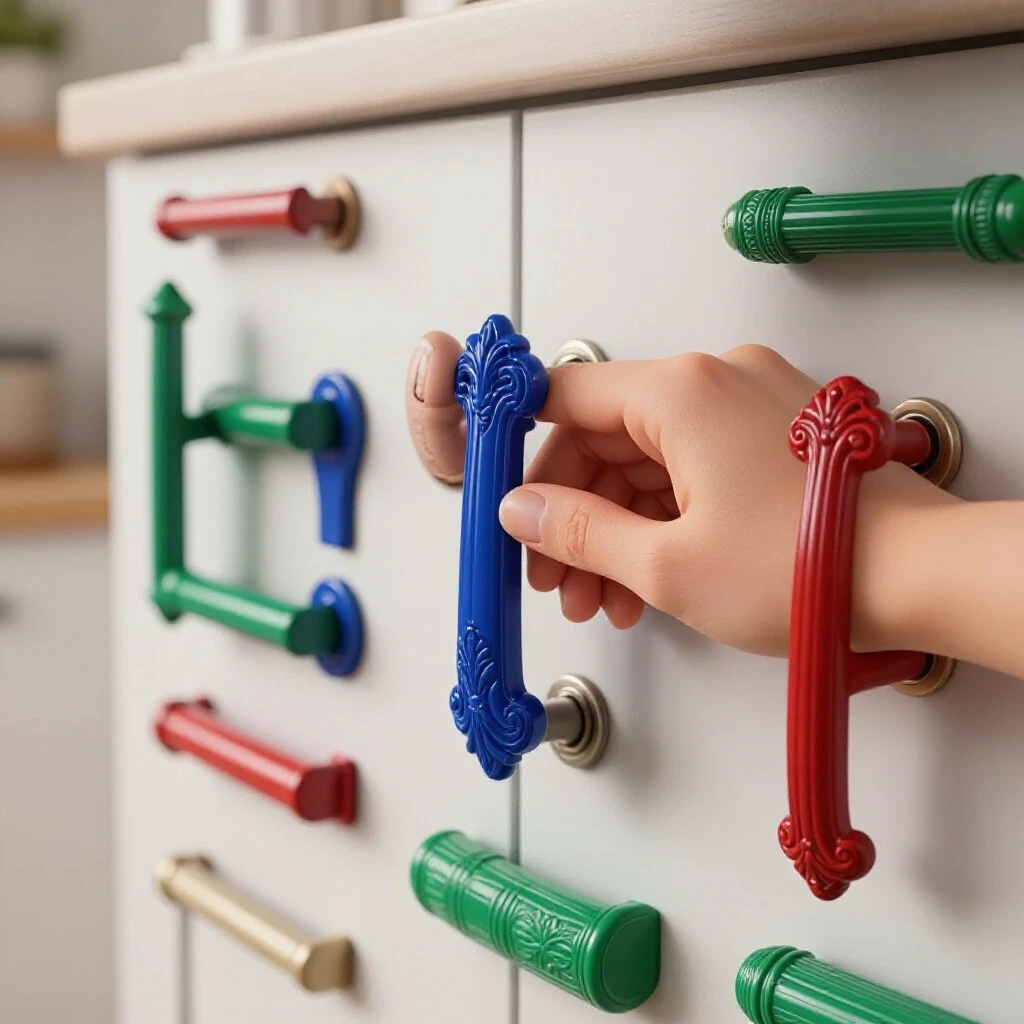
In my first home, I attempted to swap out 40-year-old brass knobs for modern matte black pulls. I assumed all pulls were a standard size. This was a significant mistake. I quickly realized that “standard” is a relative term in the world of cabinetry. While many modern pulls use a 3-inch or 96mm spacing, older custom cabinets can vary wildly. This taught me the importance of the “measure twice, buy once” rule.
When you approach this DIY home improvement task, you are not just changing a handle; you are interacting with the structural integrity of the cabinet face. If you drill a hole incorrectly, you cannot simply “undo” it. You are left with a permanent scar on a visible surface. This is why I emphasize using templates and jigs. In my professional role, we use standardized templates to ensure every locker or cabinet in a facility looks uniform. You should apply that same level of rigor to your kitchen or bathroom.
Essential Tool Inventory and Material Selection
A successful hardware swap requires a specific set of tools to ensure accuracy and prevent damage to the cabinet finish. You will need a power drill, a set of wood-safe drill bits, a screwdriver, and a specialized hardware jig. Selecting materials like solid brass or stainless steel also impacts the longevity and feel of the upgrade. (60 words)
The Essential Tool Matrix
Before you start, gather your equipment. I have seen many weekend projects stall because a homeowner lacked a simple #2 Phillips head screwdriver or a specific drill bit.
- Power Drill: A 12V or 18V cordless drill is sufficient. Ensure the battery is fully charged.
- Drill Bits: Use a 3/16-inch bit for most standard cabinet screws. A brad-point bit is preferred because it prevents the bit from “walking” or sliding across the finish.
- Screwdrivers: Both Phillips and flathead are necessary. A ratcheting screwdriver can save your wrists if you have 30 or more handles to install.
- Cabinet Hardware Jig: This is a plastic or metal template that clamps to the door. It ensures every hole is drilled at the exact same height and distance from the edge.
- Measuring Tape: Use a steel tape for accuracy.
- Level: A small torpedo level helps verify that horizontal pulls are not slanted.
- Painter’s Tape: Apply this to the cabinet surface before drilling to prevent the wood or laminate from splintering.
Material Comparison: DIY vs. Professional Installation
| Feature | DIY Approach | Professional Handyman |
|---|---|---|
| Estimated Labor Cost | $0 | $150 – $450 |
| Time Investment | 2 – 4 Hours | 1 – 2 Hours |
| Skill Level | Beginner / Intermediate | Professional |
| Risk Factor | Moderate (Drilling Errors) | Low (Insured) |
| Tool Investment | $20 – $60 | N/A |
Measuring and Selecting New Hardware
Accurate measurement is the foundation of safe home repairs and successful upgrades. You must measure the distance between the centers of the existing screw holes to find a matching pull. If you are moving from knobs to pulls, you must decide if you are willing to drill new holes and fill the old ones. (59 words)
Calculating Center-to-Center (CTC)
The most critical metric in this project is the center-to-center measurement. This is the distance from the middle of one screw hole to the middle of the other. Common sizes include: * 3 inches (76mm) * 3.75 inches (96mm) * 5 inches (128mm)
In one of my project logs from 2016, I noted a failure where I bought 128mm pulls for 96mm holes. I thought I could just “stretch” the look. It resulted in me having to fill 24 holes with wood putty, sand them down, and paint the cabinets. It turned a two-hour job into a three-day ordeal. Avoid this by using a metric ruler; many modern hardware manufacturers use millimeters for precision.
Choosing the Right Screws
Standard cabinet doors are 3/4-inch thick. Most hardware comes with 1-inch screws. However, drawer fronts are often “double-faced,” meaning you are drilling through the drawer box and the decorative front. This may require 1.5-inch to 1.75-inch screws. I always recommend buying “breakaway screws.” These have notched sections that allow you to snap off segments with pliers to reach the exact length you need.
Step-by-Step Installation Guide
Following a logical sequence ensures that each handle is secure and aligned. This process begins with removing old hardware and cleaning the surface, followed by marking new hole locations using a template. Finally, you will drill the holes and fasten the new pulls using the appropriate torque to avoid stripping threads. (58 words)
Phase 1: Preparation and Surface Cleaning
Remove all existing hardware. You will likely find a ring of grime or “shadowing” where the old knob sat. I use a mild solution of dish soap and water or a specialized cabinet cleaner. Avoid harsh chemicals that can strip the clear coat. This is the only time you will have access to this part of the wood, so clean it thoroughly.
Phase 2: Marking with a Jig
Do not eye-ball the placement. Even a 1/16-inch deviation is visible to the naked eye. 1. Set your hardware jig to the desired height and setback (usually 2 to 3 inches from the bottom or top corner). 2. Tighten the thumb screws on the jig so it cannot shift. 3. Place a piece of painter’s tape over the area where you will drill. 4. Mark the hole locations through the jig using a sharp pencil or an awl. An awl is better because it creates a small physical indentation that guides the drill bit.
Phase 3: Drilling the Holes
Safety is paramount here. Wear eye protection. Wood chips can fly at high speeds when a drill bit exits the back of a cabinet door. 1. Open the cabinet door. 2. Hold a scrap piece of wood firmly against the back of the door where the bit will emerge. This is called a “sacrificial block.” It prevents “blowout,” which is when the wood splinters as the bit pushes through the back. 3. Drill at a high speed with low pressure. Let the bit do the work. 4. Keep the drill perfectly perpendicular to the door face. If you tilt the drill, the screw will go in crookedly, and the pull will not sit flush.
Phase 4: Mounting the Hardware
Insert the screw from the back. Thread the pull onto the screw by hand for the first few turns. This prevents cross-threading, which happens when the screw enters at an angle and destroys the soft metal threads inside the handle. Use a manual screwdriver for the final tightening. Using a power drill for the final torque often leads to stripped heads or snapped screws.
Troubleshooting Common Installation Failures
Even with careful planning, issues like misaligned holes or stripped screw heads can occur. Troubleshooting involves knowing how to use wood filler for correction or using a tap and die set for thread repair. Understanding these recovery steps prevents a minor error from requiring a full door replacement. (55 words)
Dealing with Stripped Screws
If a screw head strips, do not keep spinning the drill. You will only make it worse. Use a pair of locking pliers (Vise-Grips) to grab the head and turn it manually. If the internal threads of the pull are stripped, you can sometimes fix this by inserting a small piece of a toothpick or a thin copper wire into the hole before driving the screw. This provides extra “bite” for the threads.
Correcting Misaligned Holes
If you drill a hole and find the pull is slightly crooked, you can often “enlarge” the hole slightly with the drill bit. This provides a small amount of “play” or wiggle room. As long as the base of the pull covers the larger hole, the repair is invisible. If the hole is significantly off, you must use a wood dowel and glue to fill the hole, let it dry for 24 hours, sand it flush, and redrill.
Safety Protocols and Building Code Considerations
While cabinet hardware is not strictly governed by the National Electrical Code (NEC) or Uniform Plumbing Code (UPC), it must comply with general safety standards for home modifications. This includes ensuring that hardware does not have sharp edges that could cause injury and checking older cabinets for lead-based paint before drilling. (59 words)
Lead Paint Awareness
If your home was built before 1978, the cabinets might have lead-based paint. Drilling into these surfaces creates hazardous dust. According to EPA guidelines, you should use a HEPA-filtered vacuum while drilling and wear an N95 mask. I always test older cabinets with a lead check swab before starting any DIY home improvement project involving drilling.
Structural Integrity and Load Limits
In a facility management context, we look at “pull force.” If you are installing very long pulls on heavy drawers (like those holding cast iron pans), ensure the screws are long enough to engage at least 1/2-inch of the handle’s threads. If the screw only catches two or three threads, the handle can rip out under heavy load, potentially causing foot injuries or damaging the drawer front.
Project Maintenance and Long-Term Care
Once installed, cabinet hardware requires occasional maintenance to remain functional and attractive. This involves checking for loose screws every few months and cleaning the metal with non-abrasive cloths. Proper care ensures that the finish does not tarnish and the handles do not wobble, which can cause wear on the cabinet holes. (59 words)
The Six-Month Check-up
Vibrations from closing doors and drawers will naturally loosen screws over time. I make it a habit to walk through my kitchen twice a year with a screwdriver. If a handle feels “wiggly,” it is acting like a lever, slowly enlarging the hole in the wood. Tightening it immediately prevents permanent structural damage to the cabinet door.
Cleaning Different Finishes
- Matte Black: Use a damp microfiber cloth. Avoid oils, which show fingerprints.
- Polished Chrome: A 50/50 mix of water and white vinegar restores shine.
- Unlacquered Brass: This will develop a patina. If you want it shiny, use a specialized brass polish once a year.
Achieving a Professional Result on a Weekend Timeline
Successful step-by-step home upgrades are defined by the preparation phase rather than the execution phase. By spending 70% of your time measuring, marking, and testing your jig, the actual installation becomes a repetitive, low-stress task. This approach ensures a high-quality finish that looks like it was done by a professional. (59 words)
In my 12 years of maintaining buildings, I have found that the most “efficient” workers are not the fastest; they are the ones who do not have to do the work twice. When you treat your weekend DIY projects with the same analytical mindset as a professional facility manager, you eliminate the frustration of “tutorial gaps.” You become the expert of your own home.
Final Quality Control Checklist
- [ ] Are all pulls level (check with a torpedo level)?
- [ ] Are all screws tightened by hand to avoid stripping?
- [ ] Did you remove all painter’s tape to check for wood splintering?
- [ ] Do the drawers clear the handles of adjacent cabinets when opened?
- [ ] Did you save the extra “breakaway” screws for future repairs?
FAQ: Common Questions About Swapping Cabinet Hardware
How do I know what size pulls to buy for existing holes? Measure the distance from the center of one screw hole to the center of the other. This is the center-to-center (CTC) measurement. Most hardware is sold by this metric. If you measure 3 inches, look specifically for 3-inch pulls. Do not guess, as even a 2mm difference will prevent the screws from entering the handle.
Can I replace a knob with a pull without it looking messy? Yes, but it requires more work. You will use the existing knob hole for one end of the pull and drill a new hole for the other. The challenge is hiding the old hole if it doesn’t align. If the new pull’s base isn’t large enough to cover the old hole, you will need to fill it with wood putty that matches your cabinet color.
What is the best way to ensure all my handles are at the same height? Use a cabinet hardware jig. This tool clamps to the edge of the door and provides a fixed guide for your drill bit. By setting the jig once and using it for every door, you guarantee that every handle is positioned identically. This is much more accurate than measuring and marking each door individually with a ruler.
What should I do if my cabinet screws are too long? Use breakaway screws or a pair of bolt cutters. Breakaway screws have unthreaded sections every quarter-inch. You can grip the screw with two pairs of pliers and snap it at the desired length. Alternatively, you can add a small washer behind the screw head on the inside of the cabinet to take up the extra space.
Why did the wood splinter when I drilled through the cabinet door? This is called “blowout.” It happens when the drill bit exits the back of the wood without support. To prevent this, hold a scrap piece of wood (a sacrificial block) firmly against the back of the door while you drill. The bit will pass from the cabinet door into the scrap wood, keeping the cabinet’s exit hole clean and sharp.
Is a power drill necessary for this project? While you can use a manual hand drill, a cordless power drill makes the job significantly faster and more precise. However, you should only use the power drill for creating the holes. Always use a manual screwdriver to tighten the screws into the hardware to avoid over-torqued screws or stripped threads.
How do I fix a hole that I drilled in the wrong spot? You will need to “plug” the hole. Use a wood dowel that matches the diameter of the hole, coat it in wood glue, and tap it in. Once the glue dries, cut the dowel flush with a flush-cut saw or a sharp chisel. Sand it smooth and use a touch-up marker or paint that matches your cabinets to hide the repair.
What is the most durable finish for kitchen hardware? Physical Vapor Deposition (PVD) finishes are the most durable. They are resistant to corrosion and scratches, making them ideal for high-traffic areas like kitchens. Chrome and stainless steel are also very resilient. Matte black and oil-rubbed bronze are popular but can show wear or “burnishing” over several years of heavy use.
(This article was written by one of our staff writers, Robert Callahan. Visit our Meet the Team page to learn more about the author and their expertise.)