How to Fix Water Under Fridge: Step-by-Step Troubleshooting (Guide)

Walking across a kitchen floor in socks only to step into a cold, unexpected puddle is a jarring experience for any homeowner. In my seventeen years of maintaining older properties, I have learned that a house communicates through these small, inconvenient signals. A legacy home, with its settled floorboards and aged plumbing, requires a watchful eye to prevent minor drips from turning into major repairs. When I first encountered moisture pooling beneath a refrigeration unit in a 1940s craftsman I was managing, I knew it wasn’t just a mess to mop up; it was a diagnostic puzzle that required a systematic approach to solve.
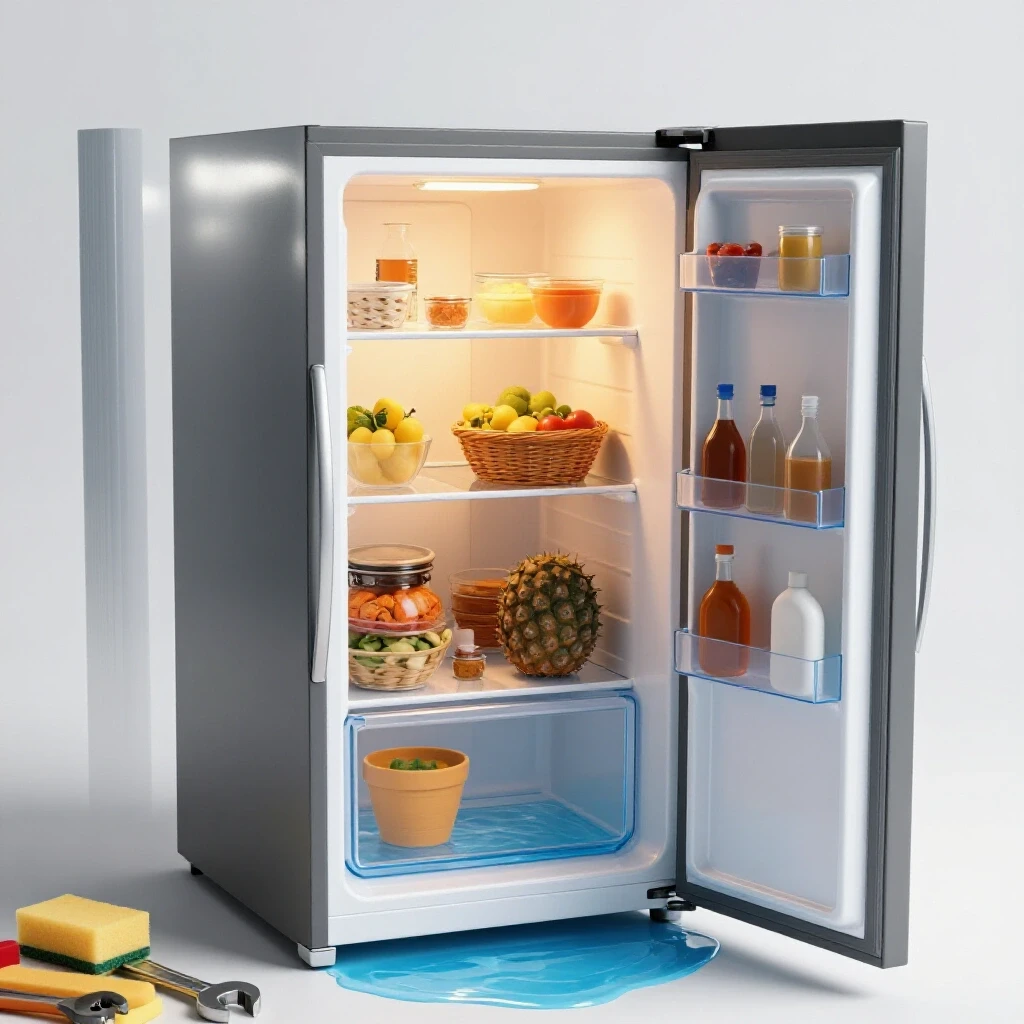
Building science teaches us that moisture moves from areas of high pressure to low pressure and follows the path of least resistance. In a kitchen environment, the area beneath an appliance is often the most neglected part of the building envelope. Over the years, I have seen how a simple clogged drain or a loose fitting can quietly release gallons of water over weeks. By understanding the mechanical systems at play and following a logical testing sequence, you can identify the source of the fluid and address it before it impacts the integrity of your kitchen.
Understanding Kitchen Moisture Dynamics and Appliance Drainage
Building science in the kitchen involves managing thermal gradients and liquid transport within a confined space. When a refrigeration unit fails to manage internal condensation or external supply lines, gravity pulls that moisture to the lowest point: the floor beneath the cabinet. Understanding how your appliance handles water is the first step in effective residential diagnostics.
Most modern and legacy refrigerators use a cycle of cooling and defrosting. During the defrost cycle, ice that has accumulated on the internal coils melts and is channeled through a drain tube into a shallow pan located near the floor. This pan relies on the heat from the condenser and airflow from the fan to evaporate the liquid. If this balance is disrupted—either by a blockage, a mechanical failure, or an environmental shift—the water has nowhere to go but out onto your floor.
In older homes, the floor itself may not be perfectly level. A slight slope of even 1/8 inch per foot can cause water to migrate away from the appliance, making a leak appear as though it is coming from a nearby cabinet or wall. This is why a systemic property assessment is vital. You must look beyond the puddle and understand the “why” of the water’s movement before you can master the “how” of the repair.
Systematic Diagnostics for Liquid Accumulation
A systematic property assessment begins with isolating variables to find the origin of the leak. By observing the puddle’s location and timing, you can differentiate between a slow plumbing drip, a defrost cycle failure, or a compromised door gasket. I always start by pulling the unit away from the wall to see the full footprint of the moisture.
When I perform these checks, I use a specific diagnostic tree. If the water is at the front of the fridge, it often points to a clogged defrost drain. If it is concentrated at the back, the water supply line or the evaporation pan is the likely culprit. Tracking the frequency of the puddle is also a key metric; a constant drip suggests a pressurized line issue, while an intermittent puddle often aligns with the appliance’s defrost schedule, which typically occurs every 8 to 12 hours.
Symptom-to-Root-Cause Diagnostic Tree
| Symptom | Potential Root Cause | Primary Action |
|---|---|---|
| Puddle at the front base | Clogged defrost drain line | Clear drain tube with warm water |
| Water dripping from the back | Loose water line connection | Tighten compression nut or replace line |
| Ice buildup on freezer floor | Frozen drain port | Manual defrost and port clearing |
| Constant slow drip (back) | Cracked plastic water line | Replace segment or entire line |
| Moisture on exterior doors | Damaged or dirty door gasket | Clean or replace magnetic seal |
| Overflowing evaporation pan | Unit out of level or high humidity | Level the unit and check airflow |
Essential Tools for Residential Moisture Detection
Precise diagnostics require specialized hand tools that provide objective data. Using items like a torpedo level or a flashlight allows a homeowner to move beyond guesswork and identify exactly why fluid is escaping the appliance’s internal containment system. Having these tools ready as part of your home maintenance checklist ensures you can act quickly when a leak is discovered.
- High-Lumen Flashlight: Essential for spotting the glisten of water on dark floorboards or behind the appliance’s rear panel.
- Torpedo Level: Used to check the pitch of the appliance. A fridge should typically have a slight rearward tilt of 0.25 inches to ensure doors close and water drains correctly.
- Inspection Mirror: Allows you to see behind the unit or under the base without fully moving the heavy appliance.
- Paper Towels: A simple but effective tool for “tracing.” Laying dry towels around the base helps you identify exactly where the first drop hits the floor.
- Adjustable Wrench: Needed for tightening the water supply line compression fittings.
- Turkey Baster or Syringe: Used for flushing the internal drain lines with warm water.
Addressing the Defrost Drain and Evaporator Pan
The defrost system is designed to channel melted frost into a shallow pan where it evaporates. If the drain line clogs with debris or the pan cracks, the system overflows, leading to persistent wetness on the subfloor or finished flooring. This is one of the most common causes of moisture issues in older units.
I have found that over time, dust, food particles, or even “slime” from bacteria can build up in the narrow drain tube. When the defrost cycle triggers, the water backs up, eventually spilling over the internal trough and leaking down through the interior of the fridge or out the bottom. To fix this, you must locate the drain hole—usually found at the back of the freezer or behind a panel—and clear it.
Using a mixture of warm water and a small amount of vinegar can help break down the blockage. I avoid using stiff wires that could puncture the plastic tubing. Instead, I use a flexible nylon brush or simply the pressure from a turkey baster. Once the line is clear, you should hear the water trickling into the pan below.
Inspecting Door Gaskets and Thermal Seals
Magnetic door gaskets create a thermal barrier that prevents warm, humid air from entering the cold cabinet. When these seals fail, excess frost builds up on the evaporator coils, eventually overwhelming the drainage system and causing external leaks. This is a classic example of how a mechanical failure in one area leads to a moisture problem in another.
In my years as a technician, I’ve used the “dollar bill test” to verify seal integrity. Close the door on a dollar bill; if it slides out with no resistance, the seal is compromised. A gap as small as 1/16 of an inch is enough to allow significant humidity into the unit. This humidity condenses on the cold surfaces, turns to ice, and then melts into a volume of water that the evaporation pan was never designed to hold.
Cleaning the gaskets with warm, soapy water can often restore their magnetic grip. If the gasket is torn or has lost its flexibility due to age, it must be replaced. Maintaining these seals is a critical part of preventative home care that also improves energy efficiency.
Evaluating the Water Supply Line and Connection Points
Ice makers and water dispensers rely on a pressurized plastic or copper line. Small pinhole leaks or loose compression fittings can release a steady spray or drip that accumulates slowly, often remaining hidden until it migrates to the front of the unit. These lines typically operate at a pressure between 20 and 120 PSI.
When I check these lines, I start at the shut-off valve, which is often located under the kitchen sink or in the basement directly below the kitchen. I look for “crusty” deposits or green oxidation on copper lines, which indicate a slow, long-term leak. For plastic (PEX or vinyl) lines, I look for kinks or brittle sections.
If the connection at the back of the fridge is damp, it may just need a quarter-turn with a wrench. However, be careful not to over-tighten, as this can crack the plastic water valve housing. If the line itself is leaking, I recommend replacing the entire run with a braided stainless steel line, which is far more resistant to bursting and kinking than the standard plastic tubing found in many older installations.
Leveling the Unit for Proper Drainage Flow
Refrigeration units must be slightly tilted or perfectly level according to manufacturer specs to ensure gravity-fed drains work. An improper slope can prevent water from reaching the evaporation pan, causing it to spill over internal baffles and onto the floor. In older homes, floors often settle, meaning an appliance that was level five years ago may not be level today.
I use a torpedo level on the top of the unit and along the side frame. Most manufacturers recommend that the front of the fridge be slightly higher than the back—usually by about 1/4 to 1/2 inch. This ensures the doors swing shut on their own and that the internal drain trough has a clear path to the rear drain tube.
To adjust this, you will need to remove the base grille at the bottom of the unit. Most fridges have adjustable leveling legs or rollers that can be turned with a wrench or a screwdriver. By fine-tuning these heights, you are applying basic physics to ensure the internal plumbing of the appliance works with gravity rather than against it.
DIY vs. Professional Scope Limits
| Task | DIY Safety Level | Tools Needed |
|---|---|---|
| Cleaning Gaskets | Safe for all | Soap, water, cloth |
| Leveling the Unit | Safe for all | Torpedo level, wrench |
| Flushing Drain Line | Safe / Moderate | Turkey baster, warm water |
| Tightening Water Line | Safe / Moderate | Wrench, dry cloth |
| Replacing Water Valve | Advanced DIY | Wrench, screwdrivers |
| Internal Electrical | Professional Only | Multimeter, specialized gear |
| Refrigerant Issues | Professional Only | Gauges, recovery tanks |
Systematic Repairs: A Step-by-Step Sequence
Once you have identified the source of the moisture, following a logical repair sequence ensures you don’t miss any underlying issues. I always follow this workflow when addressing pooling water in a residential setting.
- Clear the Area: Move the appliance carefully. On older wood or linoleum floors, I use “air sliders” or pieces of hardboard to prevent gouging the surface.
- Dry the Surface: Use a shop vac or towels to remove all standing water. This allows you to see if new water appears during your repair.
- Inspect the Pan: Locate the evaporation pan at the bottom. Check for cracks or a “sludge” buildup that might be blocking airflow. Clean it thoroughly.
- Test the Drain: Pour a small amount of water into the internal drain trough. Observe if it reaches the pan. If it doesn’t, use the warm water flush method described earlier.
- Check the Supply Line: Turn on the water dispenser or trigger the ice maker while watching the rear connections. This puts the system under maximum pressure to reveal hidden pinhole leaks.
- Verify the Seal: Perform the dollar bill test on all four sides of the freezer and fridge doors.
- Re-Level: Once the unit is back in place, perform a final check with your torpedo level.
Building a Multi-Year Prevention Program
Preventative home care is about consistency. Rather than waiting for a puddle to appear, I integrate appliance checks into my seasonal maintenance planning. This proactive approach is what saves homeowners from the stress of sudden mechanical failures and the potential for structural protection issues.
In my facility logs, I recommend a quarterly check of the base of the fridge. It takes less than five minutes to look for signs of moisture and ensure the airflow grilles are free of pet hair and dust. Every six months, I pull the unit out to vacuum the coils and inspect the water line for any signs of wear. This simple routine can extend the life of your appliance and keep your kitchen floor dry for decades.
Preventative Maintenance Schedule
- Monthly: Wipe down door gaskets to prevent sticky buildup that can tear the seal.
- Quarterly: Inspect the floor at the front and back for any signs of dampness.
- Bi-Annually: Vacuum the condenser coils and check the water supply line for kinks or leaks.
- Annually: Verify the unit is still level and flush the defrost drain line with warm water to prevent clogs.
Final Diagnostic Metrics to Remember
When you are monitoring your home, keep these standard operational parameters in mind. A healthy refrigeration system should have a freezer temperature of 0°F (-18°C) and a fridge temperature of 37°F (3°C). If these temperatures fluctuate significantly, it can cause excessive frosting and subsequent drainage issues.
Furthermore, pay attention to the humidity levels in your kitchen. A kitchen with a relative humidity above 60% will cause the appliance to work harder, leading to more condensation and a higher risk of the evaporation pan overflowing. Using a simple hygrometer can help you monitor these environmental factors.
By taking these steps, you are doing more than just mopping up water; you are mastering the systems that make your home function. A little bit of technical curiosity and a systematic approach go a long way in preserving the legacy of an older property.
Frequently Asked Questions
Why is there water pooling only when I use the ice maker? This usually indicates a leak in the secondary water line that runs from the water valve to the ice maker mold. When the valve opens to fill the tray, water escapes through a crack in the plastic tubing or a loose fitting. Since it only happens during the fill cycle (which lasts only a few seconds), the water may accumulate slowly over several days.
Can a dirty condenser coil cause water to leak on the floor? Indirectly, yes. Dirty coils cause the compressor to run longer and hotter. This increases the temperature of the air around the evaporation pan. If the pan is also full of dust, the water won’t evaporate efficiently. Additionally, the extra heat can cause the defrost cycle to run more frequently, potentially overwhelming the drainage system.
How do I know if the water is coming from the fridge or the house plumbing? The easiest way to tell is to shut off the water supply valve to the refrigerator. If the puddle continues to grow or reappears after being dried, the issue is likely the defrost system (internal water). If the leaking stops, the problem is in the pressurized water line or the inlet valve.
Is it normal for the evaporation pan to have water in it? Yes, it is perfectly normal for the pan to contain some water, especially right after a defrost cycle. However, the water should never be deep enough to overflow. If you find the pan is consistently full, it means the water isn’t evaporating fast enough, often due to poor airflow or high kitchen humidity.
What should I do if the drain line is frozen solid? A frozen drain line usually requires a manual defrost. You can turn the unit off and leave the doors open, or use a hair dryer on a low, cool setting to gently melt the ice in the drain trough. Never use a heat gun or high heat, as you can easily melt the plastic liners of the refrigerator.
How often should I replace the water supply line? If you are using plastic or vinyl tubing, I recommend inspecting it annually and replacing it every 5 to 7 years, as it can become brittle. If you have a braided stainless steel line, it can last much longer, but you should still check the gaskets at the connection points for signs of hardening or leaks every few years.
Does the slope of my floor really affect the fridge? Absolutely. In many older homes, floors can slope toward the center of the house or toward an exterior wall. If the fridge is tilted forward, the water in the internal defrost trough may spill over the front edge before it ever reaches the drain hole at the back. Always use a level to ensure the appliance is pitched slightly toward the rear.
Can I use a plumbing snake to clear the drain line? I advise against using a standard plumbing snake, as they are too aggressive for the thin plastic tubing used in appliances. Instead, use a flexible nylon “tube brush” or even a long piece of heavy-duty weed trimmer line. These are flexible enough to navigate the bends in the tube without causing punctures.
Why does water appear under the fridge after a power outage? During a power outage, the unit stops cooling and the internal frost begins to melt rapidly. This “bulk melt” can release a large volume of water all at once, which may exceed the capacity of the drain line or the evaporation pan, leading to a one-time puddle.
What is the “slime” I found in my drain pan? That is typically a biofilm caused by bacteria and yeast that thrive in warm, damp environments. While it’s common, it can eventually clog the drain line or produce odors. Cleaning the pan and the end of the drain tube with a mild bleach or vinegar solution once a year will prevent this buildup.
(This article was written by one of our staff writers, Daniel Whitaker. Visit our Meet the Team page to learn more about the author and their expertise.)