How to Widen Doorways for Improved Home Mobility (Step-by-Step)

As the autumn leaves begin to settle and the air turns crisp, many homeowners move their focus from outdoor landscaping to the interior of their homes. This seasonal shift often sparks the realization that certain areas of the house feel cramped or difficult to navigate. Over my 18 years in residential project coordination, I have seen how a simple change to the width of a passage can transform the entire feel of a home. Whether you are planning a kitchen overhaul or a full-house remodel, thinking about how you move from room to room is a foundational step in residential renovation planning.
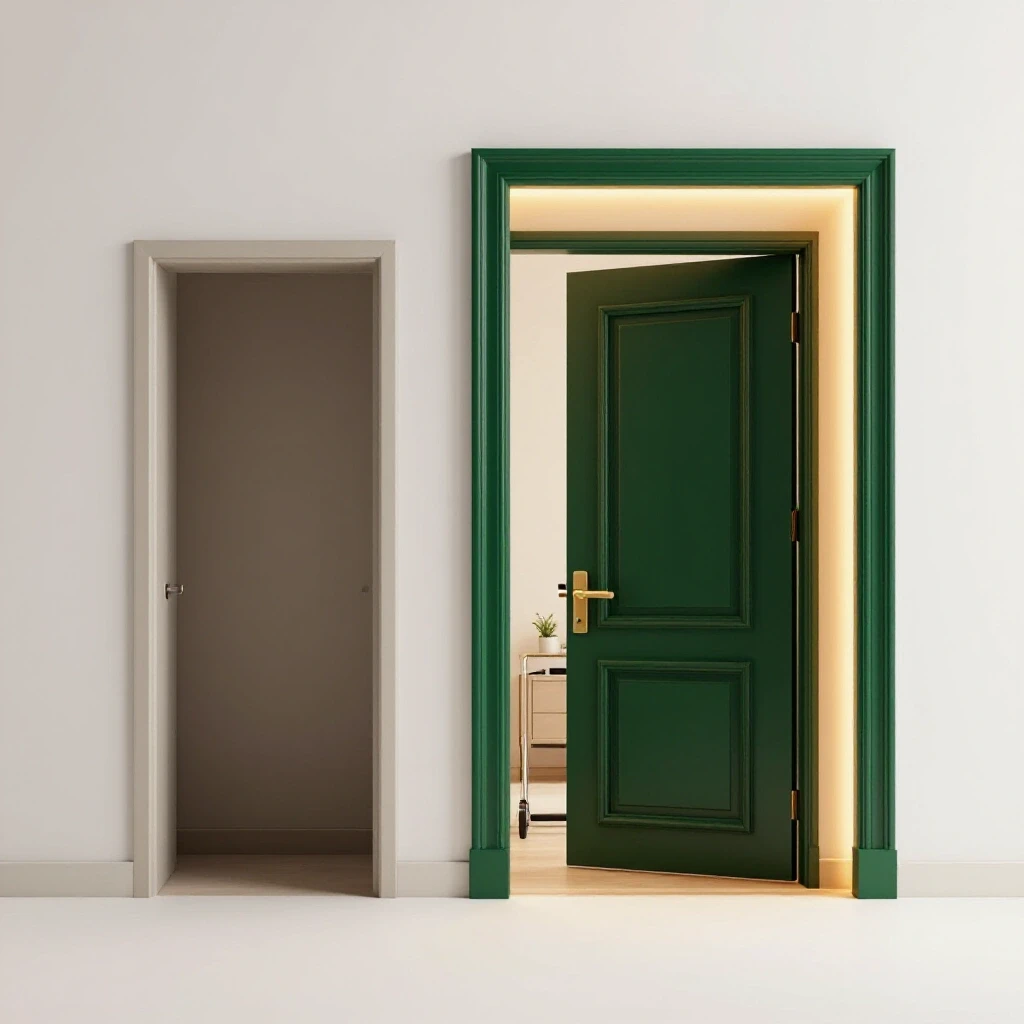
In my own first home renovation, I ignored the narrow entry to the primary bathroom. I focused on the tile and the vanity, leaving the 24-inch door as it was. Three years later, after a minor sports injury left me using crutches, that narrow opening became a daily source of frustration. I had to navigate the frame sideways, often bumping my shoulders. This personal oversight taught me that spatial accessibility is not just a luxury; it is a core component of a functional home.
Planning for Enhanced Interior Passage and Spatial Flow
Planning for enhanced interior passage involves evaluating how wide your doors and hallways need to be to allow for effortless movement throughout the home. This phase requires looking at the current floor plan and identifying bottlenecks that restrict the flow of people, furniture, or equipment.
When I coordinate a project, I start by looking at the “critical path” of movement. In a standard home built thirty or forty years ago, interior doors were often 28 or 30 inches wide. Modern design standards now lean toward 32 or 36 inches. This extra space might seem small on paper, but in practice, it changes the way a room feels. It allows two people to pass each other comfortably and ensures that large items, like a new refrigerator or a king-sized mattress, can move through the house without damaging the drywall.
Establishing a clear scope of work for expanding these openings is the first step to avoiding budget overruns. You need to decide if you are simply replacing a door or if you are physically moving studs to create a larger hole in the wall. This decision dictates whether you will need a simple carpenter or a team that includes a structural specialist and an electrician.
Estimating the Cost of Opening Up Structural Portals
Estimating the cost of opening up structural portals involves calculating the labor and material expenses required to widen an existing entryway or create a new, larger one. This includes demolition, framing, rerouting utilities, and finishing the surrounding surfaces.
Using data from RSMeans construction estimating resources, the cost to enlarge a doorway can vary significantly based on whether the wall is load-bearing. A load-bearing wall supports the weight of the roof or the floor above it. If you cut into it, you must install a larger “header”—a heavy beam that spans the opening to distribute the weight.
- Standard Non-Load-Bearing Expansion: $450 – $850 per opening.
- Load-Bearing Wall Expansion: $1,200 – $3,500 per opening (depending on the span and beam material).
- Drywall and Paint Touch-ups: $200 – $500 per side.
In a recent kitchen remodel I oversaw, the homeowner wanted to widen the pantry entry to 36 inches. We initially estimated $600 for the framing. However, once we opened the wall, we found a main plumbing vent pipe that served the upstairs bathroom. Rerouting that pipe added $1,200 to the bill. This is why I always recommend a 20% contingency fund for any project involving wall modifications.
| Property Age | Recommended Contingency Buffer | Common Hidden Issues |
|---|---|---|
| 0–15 Years | 10–15% | Minor electrical rerouting, mismatched trim |
| 16–40 Years | 15–25% | Galvanized pipes, outdated wiring, non-standard studs |
| 40+ Years | 25–30% | Lead paint, knob-and-tube wiring, structural rot |
Structural Realities and Hidden Surprises
Structural realities and hidden surprises refer to the unexpected elements found inside a wall during demolition, such as electrical wiring, plumbing lines, or structural supports that were not visible during the planning phase.
One of the biggest fears for homeowners is the “hidden monster” behind the drywall. During my second full-home renovation, we decided to widen the passage between the dining room and the kitchen to create a more inclusive environment. When the contractor removed the plaster, we discovered a “creative” electrical splice where three different circuits met without a junction box. It was a fire hazard that had been hidden for decades.
This is a common scenario in contractor management. A good contractor will stop work immediately and show you the problem. A less-than-honest one might bury the issue and keep moving. To prevent this, I use a structural inspection checklist before any wall is closed back up.
- Verify that the new header is sized correctly for the span.
- Ensure all electrical wires are moved to the side and secured with nail plates.
- Check for any signs of mold or moisture if the opening is near a bathroom or kitchen.
- Confirm that the floor remains level across the new, wider threshold.
Managing Subcontractors for Wall Modifications
Managing subcontractors for wall modifications involves coordinating the different trades—framers, electricians, and drywallers—to ensure the new, wider opening is completed in the correct sequence and to a high standard.
In a typical home remodeling guide, the “sequence of operations” is often overlooked. For widening an entryway, the sequence is vital. If the drywaller finishes the wall before the electrician moves the light switch, you will pay twice for the same work. I call this “rework,” and it is the primary reason budgets blow up.
When vetting contractors, ask them specifically how they handle “rough-in” versus “finish” phases. The rough-in phase is when the skeleton of the project is built. For a wider passage, this means the framing is up and the wires are moved, but the wall is still open. You should never allow a contractor to hang drywall until you have personally inspected the rough-in.
The Critical Path of Entryway Expansion
The critical path of entryway expansion is the chronological order of tasks that must happen to finish the project on time, from the initial demolition to the final coat of paint on the new door trim.
If you are doing a whole-house remodel, the expansion of doorways should happen early in the demolition phase. This allows easier access for workers to bring in materials for the rest of the renovation. If you wait until the end, you risk damaging new floors or freshly painted walls while trying to move heavy equipment through narrow gaps.
- Site Protection: Lay down floor protection and set up dust barriers.
- Demolition: Carefully remove the existing door, trim, and drywall.
- Utility Rerouting: Move any switches, outlets, or pipes.
- Framing: Install the new studs and the header.
- Drywall: Hang, tape, and sand the new wall sections.
- Flooring Patching: Fill in the gap in the floor where the old wall used to sit.
- Trim and Finish: Install the new door and casing.
In my experience, homeowners often forget about the floor. When you widen a doorway, you remove a section of the wall that was sitting on the subfloor. This leaves a “scar” in your hardwood or tile. Planning for how to patch this area is a critical part of construction sequencing. If you don’t have extra flooring material, you might end up having to replace the floors in both rooms.
Change Orders and Scope Creep in Entryway Projects
Change orders and scope creep occur when the project grows beyond the original agreement, often due to new design choices or the discovery of structural issues that require more work than expected.
A change order is a formal document that alters the original contract price and timeline. In the world of widening passages, scope creep often happens when a homeowner realizes that widening one door makes the door next to it look “off.” Suddenly, a one-door project becomes a three-door project.
To manage this, I suggest a “Change-Order Threshold.” This is a pre-agreed amount (usually $500 or $1,000) where the contractor can proceed with minor fixes without a formal meeting, provided they document the work with photos. Anything above that requires a written estimate and your signature. This keeps the project moving while protecting your bank account.
Quality Control and Post-Occupancy Evaluation
Quality control and post-occupancy evaluation involve checking the finished work for defects and then living in the space to ensure the new layout meets your needs for ease of movement.
Once the dust settles, the “punch list” begins. This is a list of small items that need to be fixed before the final payment is made. For a wider entryway, look for these specific details:
- Does the door swing freely without hitting the floor or the frame?
- Is the gap between the door and the frame (the reveal) consistent all the way around?
- Does the new trim match the existing trim in the rest of the house?
- Is the transition between the two rooms smooth and trip-free?
After the project is done, I always do a post-occupancy evaluation. I ask myself: “Does this change actually make my life easier?” Usually, the answer is a resounding yes. The ease of moving a laundry basket through a 36-inch opening versus a 28-inch one is a small daily victory that justifies the investment.
Project Management Tools for the Homeowner
Managing a renovation requires organization. You don’t need to be a professional coordinator to keep things on track, but you do need a system. Here are the tools I recommend for staying on top of your remodel:
- Digital Blueprints: Use a tablet to keep a PDF of your floor plan. Mark it up with actual measurements as you find them inside the walls.
- Scheduling Apps: Use a simple shared calendar with your contractor to track milestones like “Framing Complete” or “Flooring Delivery.”
- Photo Documentation: Take photos of every open wall. Knowing exactly where a wire or pipe is located can save you thousands in future repairs.
- Budget Tracker: A simple spreadsheet that tracks “Estimated Cost” versus “Actual Cost” for every line item.
- Communication Log: Keep all texts and emails in one folder. If a dispute arises about a design choice, you have a paper trail.
Key Takeaways for Your Renovation Journey
Widening the passages in your home is one of the most effective ways to future-proof your living space. While it involves more than just “cutting a hole,” the process is manageable if you follow a logical sequence. Start with a realistic budget that includes a healthy contingency for what lies behind the walls. Vet your contractors by asking about their process for structural modifications and utility rerouting. Most importantly, stay involved during the rough-in phase to catch errors before they are hidden by drywall.
Renovations are rarely perfect, and you will likely encounter a few surprises. However, by focusing on spatial flow and passage width, you are investing in the long-term usability of your home. You aren’t just changing a door; you are changing how you experience your space every single day.
Frequently Asked Questions
How much wider should a doorway be to notice a difference in movement? Most homeowners find that moving from a standard 30-inch door to a 34 or 36-inch opening makes a significant impact. This extra four to six inches allows for much easier passage of large items and provides a more open, airy feel to the home. It also ensures that the space is more accommodating for various mobility needs over time.
What is the most expensive part of widening an interior opening? The highest cost usually comes from structural changes if the wall is load-bearing. This requires a heavy-duty header and potentially new support posts. Rerouting “hidden” utilities like plumbing stacks or main electrical panels can also drive up the price significantly.
Can I widen a doorway myself, or should I hire a professional? If the wall is non-load-bearing and contains no utilities, a skilled DIYer can handle the framing and drywall. However, if the wall supports the house or contains electrical and plumbing, hiring a professional is safer. Mistakes in structural framing can lead to sagging ceilings or cracked drywall in other parts of the house.
How do I know if a wall is load-bearing before I start demolition? Generally, walls that run perpendicular to your floor joists are load-bearing. You can often check this in your attic or basement. However, some internal walls are “point-loaded,” meaning they support a specific heavy element above. A structural professional can verify this by looking at the framing plan or inspecting the home’s skeleton.
Will widening my doorways increase my home’s resale value? While it may not provide a 1:1 return on investment like a kitchen remodel, it increases the “marketability” of a home. Buyers today look for inclusive design and open floor plans. A home that is easy to navigate is often more attractive than one with cramped, narrow passages.
What happens to the flooring when a doorway is widened? When you widen an opening, you will have a gap in the flooring where the old wall stood. You will need to “tooth in” new pieces of wood or use a transition strip. If you have tile, you may need to replace the tiles in the immediate area. It is vital to source matching flooring material before you begin demolition.
How long does it typically take to widen one doorway? A single doorway expansion usually takes 3 to 5 days of active work. This includes one day for demo and framing, one day for electrical or plumbing moves, and two to three days for drywall taping, sanding, and painting. The “dry time” for drywall mud and paint is often the biggest factor in the timeline.
What are the common signs of a contractor who doesn’t understand structural flow? Watch out for contractors who suggest “just cutting into the studs” without mentioning a header. Also, be wary of those who don’t ask about rerouting electrical switches. A pro will always look at the “ripple effect”—how changing one opening affects the light switches, the flooring, and the structural integrity of the room.
Should I widen all the doors in my house at once? If you are doing a whole-house remodel, it is much more cost-effective to do them all at once. This allows the framing crew and the drywall crew to work in a “production line” fashion, which reduces labor costs. If you do them one by one over several years, you will pay a premium for each visit.
What is a “rough opening” versus a “finished opening”? The rough opening is the hole in the wood framing. It is usually 2 inches wider and 2 inches taller than the door itself to allow for the door frame and shims. The finished opening is the actual clear space you have to walk through once the door and trim are installed. Always plan your project based on the finished width you desire.
(This article was written by one of our staff writers, David Langford. Visit our Meet the Team page to learn more about the author and their expertise.)