How to Avoid Accent Wall Mistakes in Home Decor (Expert Tips)

Your first home is not just a building; it is a complex machine that requires both careful maintenance and a steady hand when you decide to change its appearance. Many new homeowners feel a sudden rush to personalize their space the moment they get the keys. I have been there three times over the past 14 years. In my first home, I rushed into aesthetic changes without understanding how light, scale, and daily life would affect my choices. This often leads to common focal point errors that can make a room feel disjointed or even smaller than it actually is. By looking at my personal maintenance logs and national housing data, we can see that smart homeownership is about balancing these creative urges with long-term structural and financial health.
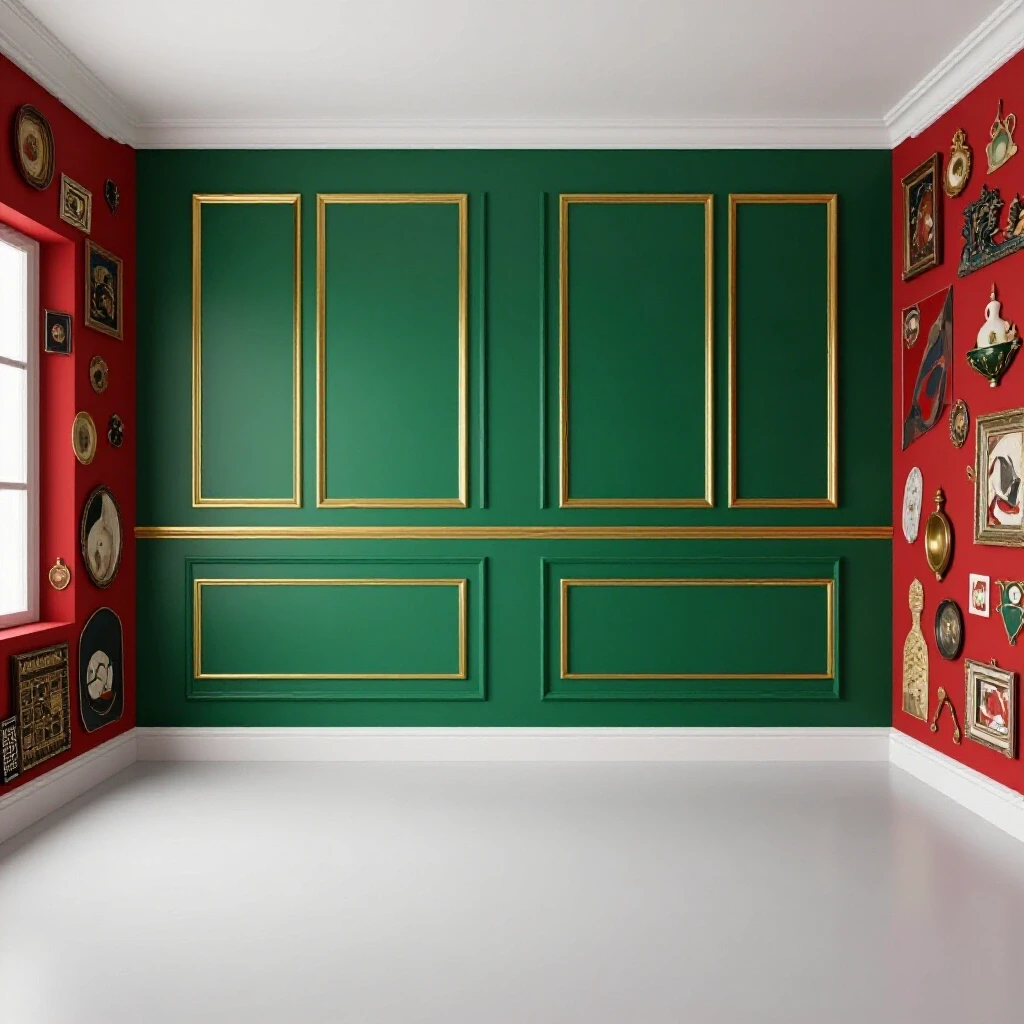
Building Your Homeownership Financial Framework
Establishing a solid financial foundation means creating a clear boundary between your emergency repair funds and your home improvement budget.
Before you pick up a paintbrush or a hammer, you must understand the “1% Rule” of home maintenance. This rule suggests setting aside at least 1% of your home’s purchase price every year for routine upkeep and unexpected failures. According to U.S. Census Bureau housing surveys, many first-time buyers underestimate these costs by nearly 30% in their first two years. When you prioritize a visual project over a failing water heater, you risk your long-term equity. I learned this the hard way in my second home when I spent my “extra” cash on a high-end textured wall finish, only to have the HVAC system fail three weeks later.
The 1% Rule and Your Aesthetic Budget
This is a strategy where you save a specific portion of your home’s value to cover the costs of keeping the property in good working order.
In my experience, the 1% rule is a floor, not a ceiling. If your home is older than 20 years, you should aim for 2% or 3%. This fund is for the “boring” things: roof leaks, pipe seals, and furnace filters. Only after this fund is stable should you look at your “want” list. Using a household budgeting diary to track these categories separately prevents you from dipping into your “new roof fund” to pay for a trendy room update.
| Maintenance Category | Annual Benchmark (% of Home Value) | Priority Level |
|---|---|---|
| Critical Systems (HVAC, Plumbing) | 0.5% – 1.0% | High |
| Structural Integrity (Roof, Foundation) | 0.5% – 1.0% | High |
| Cosmetic Upgrades (Paint, Trim) | 0.2% – 0.5% | Low |
| Landscape and Exterior | 0.1% – 0.3% | Medium |
Identifying Common Errors in Feature Wall Execution
A feature wall is a single wall in a room that uses a different color or texture to act as a visual anchor for the space.
When done correctly, it adds depth. When done poorly, it creates a visual “clash” that can be hard to live with. Many people choose the wrong wall, often picking the one they see first when entering the room without considering the furniture layout. In my 14 years of tracking home logs, I have seen that the most successful focal points are those that complement the room’s natural architecture rather than fighting against it.
The Science of Light and Color Failure
Color failure occurs when a chosen shade looks drastically different on your wall than it did on a small sample in the store.
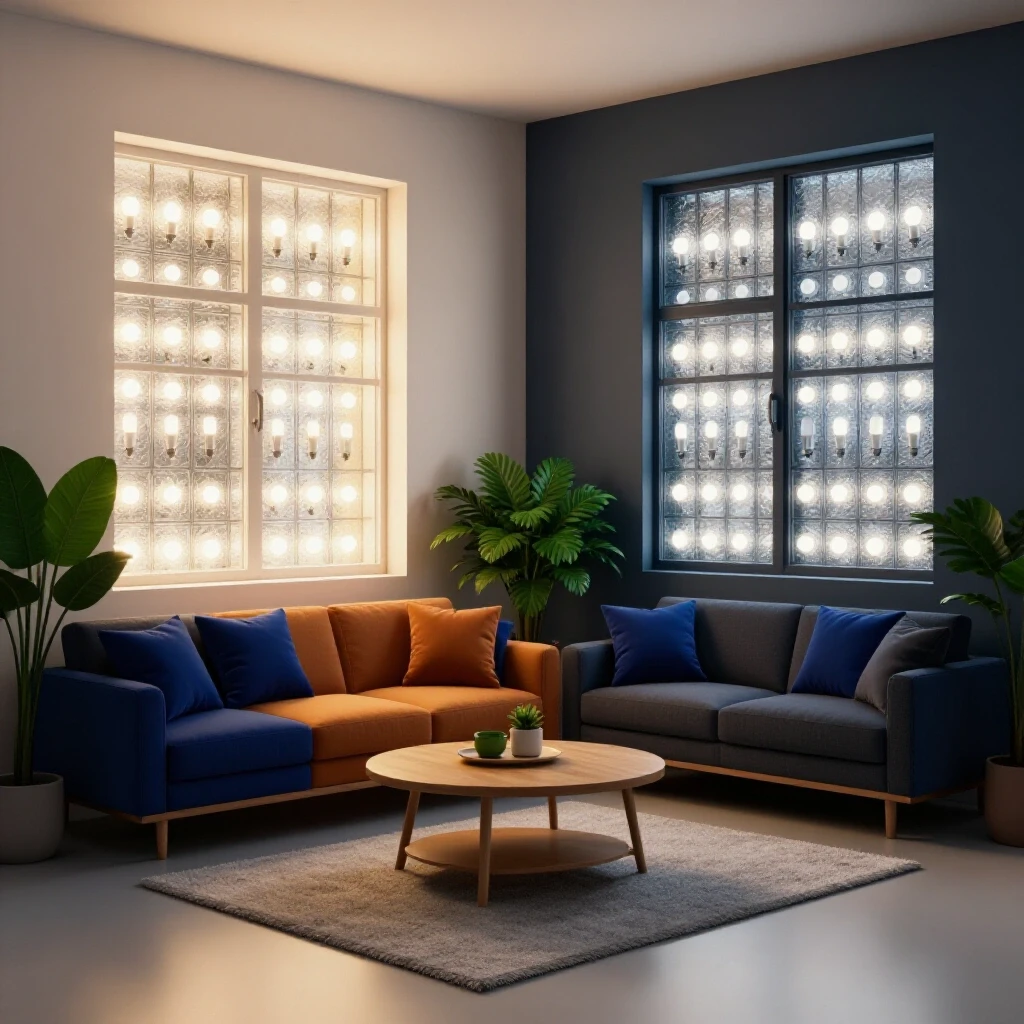
Light is the most important factor in how a room feels. A dark navy blue might look sophisticated in a sun-drenched showroom, but in a north-facing bedroom with small windows, it can feel like a cave. I once documented a “failed” project in my own home where I chose a deep forest green for a dining room. Because I didn’t test the paint at different times of the day, the wall looked black by 4:00 PM, making the space feel oppressive and small. Always apply a large sample and observe it in morning, afternoon, and artificial night light before committing.
Scale and Proportion: Why Size Matters
Scale and proportion refer to how the size of your design elements relates to the overall dimensions of the room and the furniture within it.
A common mishap is choosing a wall that is too small or too broken up by doors and windows. If you apply a bold color to a wall with three different doors, the visual flow is constantly interrupted. This creates a “choppy” feel that can cause eye fatigue. Instead, look for a solid wall that can support the weight of your furniture, such as the wall behind a bed or a sofa. This creates a sense of balance and purpose.
Sustainable DIY Strategies for New Homeowners
Sustainable DIY is the practice of choosing home projects that you can realistically finish without burning out or overspending.
As a first-time homeowner, it is easy to start five projects at once. I recommend the “One Room, One Project” rule. This helps you manage your time and your budget. According to HUD reports, homeowners who finish one project before starting the next are 40% more likely to stay within their initial budget. This approach also reduces the “renovation fatigue” that often hits around the six-month mark of homeownership.
Material Durability and Long-Term Wear
Material durability is the ability of a product to withstand daily use, cleaning, and environmental factors without degrading.
When selecting materials for a focal point, think about the “touch factor.” If you have young children or pets, a delicate wallpaper or a matte paint might not be the best choice. In my third home, I tracked the wear and tear on different paint finishes. I found that eggshell or satin finishes on feature walls held up significantly better against scuffs and fingerprints than flat finishes.
- Flat/Matte: Best for low-traffic areas; hides wall imperfections but is hard to clean.
- Eggshell: A good middle ground; offers a soft glow and decent durability.
- Satin: Highly durable; easy to wipe down; great for hallways or kids’ rooms.
- Semi-Gloss: Very shiny; best for trim or areas prone to moisture.
Lessons from My Personal Home Maintenance Logs
A home log is a detailed record of every repair, upgrade, and cost associated with your property over time.
I have kept a digital log since 2010. It has saved me thousands of dollars by helping me identify patterns. For example, I noticed that my first-floor rooms needed a paint refresh every four years, while the second floor lasted seven. This data allowed me to budget for supplies well in advance. When you track your DIY home care, you move from being a reactive homeowner to a proactive one.
Case Study: The Cost of Trend Chasing
In 2015, I followed a popular trend and installed a heavy, dark wood-plank wall in my living room. At the time, it felt modern. However, three years later, the trend had faded, and the dark wood made the room feel dated. When I decided to remove it, I discovered that the adhesive had damaged the underlying drywall. What began as a $200 “simple” project turned into a $1,200 repair.
| Project Type | Initial Cost | Years Until “Dated” | Removal/Update Cost |
|---|---|---|---|
| Bold Paint Wall | $50 – $100 | 3 – 5 | $50 (Repaint) |
| Removable Wallpaper | $150 – $300 | 2 – 4 | $0 (Peel off) |
| Fixed Wood/Stone | $500 – $1,500 | 5 – 10 | $1,000+ (Drywall Repair) |
Preventing Homeowner Burnout During Early Upgrades
Homeowner burnout is the physical and emotional exhaustion that comes from the constant demands of property maintenance and improvement.
The first year of homeownership is a marathon, not a sprint. You are learning how your house “breathes,” where the drafts are, and how the yard drains. If you spend every weekend on aesthetic projects, you will eventually resent the house. I suggest a “maintenance-to-improvement ratio.” For every hour you spend on a fun project, spend two hours on preventative maintenance like cleaning gutters or checking the attic for leaks.
Managing the “New Home” Anxiety
It is natural to feel anxious about potential failures. You might hear a noise in the night and wonder if the roof is falling in. This is where your home log and a solid inspection schedule come in. Knowing that you checked your sump pump in March and your smoke detectors in April provides a sense of control.
- Month 1-3: Focus on safety and deep cleaning. Do not start major cosmetic projects yet.
- Month 4-6: Observe the house through a change of season. Note where it gets hot or cold.
- Month 7-12: Begin small, low-risk DIY projects like painting a single wall.
- Year 2+: Tackle larger projects once you have a full year of utility and maintenance data.
Strategic DIY Prioritization for Long-Term Value
Prioritization is the process of ranking projects based on their necessity, cost, and the value they add to your daily life.
Not all projects are equal. A feature wall might make you happy, but a well-insulated attic will save you money every month. Use the data from your utility bills to guide your decisions. If your heating bills are 20% higher than the local average (which you can find in U.S. Census data), your first “project” should be weather-stripping and sealing gaps, not picking out a new paint color.
DIY Time-Investment vs. Professional ROI
As a veteran homeowner, I have learned that my time has a specific dollar value. If a project takes me 20 hours to complete but would take a professional four hours, I have to ask if the “savings” are real. However, for small aesthetic changes like painting one wall, the DIY route almost always wins on ROI. It is a low-risk way to build your skills and gain confidence in handling your own home.
- Low Skill/High Impact: Painting, changing cabinet hardware, installing smart thermostats.
- Medium Skill/High Impact: Installing floating shelves, simple tile backsplashes.
- High Skill/High Risk: Electrical work, plumbing behind walls, structural changes.
Establishing Sustainable Maintenance Routines
A maintenance routine is a scheduled list of tasks performed at regular intervals to prevent system failures.
Think of your home like a car. You wouldn’t drive 50,000 miles without an oil change. Your home needs the same attention. My log shows that spending $20 on a high-quality furnace filter every three months can extend the life of a $6,000 HVAC system by years. This is the “unvarnished reality” of owning a home: the small, boring tasks are what protect your biggest investment.
Seasonal Checklist Priorities
- Spring: Clean gutters, inspect the roof for winter damage, test the A/C.
- Summer: Check exterior paint for peeling, service the lawn equipment.
- Fall: Flush the water heater, seal windows and doors, service the furnace.
- Winter: Monitor for ice dams, check the basement for moisture after snow melts.
Conclusion
Moving into your first home is a major life transition. It is tempting to want everything to be perfect immediately, but the best homes are those that evolve slowly over time. By avoiding common focal point errors and focusing on the underlying health of your property, you create a space that is both beautiful and sustainable. Remember that your home is a long-term asset. Treat it with the respect it deserves by prioritizing maintenance, budgeting wisely, and making thoughtful design choices. Start small, track everything, and don’t be afraid to live with white walls for a few months while you get to know your new environment.
FAQ
What is the most common mistake when creating a feature wall?
The most frequent error is choosing the wrong wall. People often pick a wall that is cluttered with windows, vents, or doors. This breaks up the visual impact and makes the room feel chaotic. The best wall is usually a solid, uninterrupted surface that serves as a natural anchor for the room’s main furniture.
How do I know if a color will work before I paint?
Never trust a small paint chip. Buy a sample pot and paint a two-foot square on the wall you intend to change. Observe it at different times of the day. Colors can shift from warm to cool depending on the direction of the sun and the type of light bulbs you use in the room.
Can a dark feature wall make a small room look even smaller?
Not necessarily. If the room has plenty of natural light and the other walls are a lighter, coordinating shade, a dark wall can actually add depth and make the room feel larger. However, in a room with poor lighting, a dark wall can “close in” the space and make it feel cramped.
How much should I budget for a simple DIY wall update?
For a standard 10×12 wall, a gallon of high-quality paint, primer, and basic supplies (tape, rollers, drop cloths) will typically cost between $75 and $125. If you choose removable wallpaper, expect to pay between $150 and $300 depending on the quality and pattern.
Is it better to use paint or wallpaper for a focal point?
Paint is the most cost-effective and easiest to change if you grow tired of it. Wallpaper offers more texture and pattern but is more expensive and can be difficult to remove. For first-time homeowners, “peel-and-stick” wallpaper is a great middle ground because it is less permanent.
How does the 1% maintenance rule apply to my decorating plans?
The 1% rule ensures you have money for essential repairs. You should only spend money on decorating once your 1% maintenance fund is fully funded. This prevents you from being “house poor” when a major system like your water heater inevitably needs replacement.
What is the “visual weight” of a room?
Visual weight refers to how much an object or color draws the eye. A bold feature wall has a lot of visual weight. To balance the room, you need to ensure that the furniture and decor on the opposite side of the room provide enough visual interest to keep the space from feeling lopsided.
How do I track my home maintenance and projects?
I recommend using a simple spreadsheet or a dedicated home maintenance app. Record the date of the project, the materials used (including specific paint colors and brands), the total cost, and any issues you encountered. This creates a valuable history for you and for future buyers.
Why is light direction important for interior design?
North-facing rooms get cool, bluish light, which can make colors look flatter. South-facing rooms get warm, bright light that can wash out pale colors. Understanding this helps you choose a shade that will look its best in the specific conditions of your room.
How can I avoid burnout during my first year of homeownership?
Limit yourself to one project at a time and schedule “no-project” weekends. Focus on learning the rhythms of your house first. It is better to have a slow, successful transition than to rush into projects and end up overwhelmed by the cost and labor.
What should I do if I hate the result of a DIY project?
Don’t panic. Almost every aesthetic choice is reversible. If a paint color is wrong, it only costs another gallon of paint and a few hours of work to fix it. This is why I recommend starting with low-cost, low-risk projects as you build your DIY confidence.
How do I balance my career with home maintenance?
Break tasks into small, manageable chunks. Instead of trying to clean all the gutters in one day, do one side of the house. Use your home log to set reminders so that maintenance tasks don’t pile up all at once.
(This article was written by one of our staff writers, Michael Morrison. Visit our Meet the Team page to learn more about the author and their expertise.)