How to Prepare for Your First Open House as a Homeowner (Guide)

“The house of everyone is to him as his castle and fortress, as well for his defence against injury and violence as for his repose.” This quote by Sir Edward Coke captures the weight of our first steps into a new living space. When I walked into my first home fourteen years ago, I didn’t see the aging HVAC or the thinning sealant on the windows. I saw a sanctuary. However, as a real estate analyst who has logged every filter change and repair across three different properties, I’ve learned that the initial feeling of a space—the way the light hits the floor and how the rooms connect—is just the beginning of a much longer story.

That first sensory assessment of a property is a critical moment for any new homeowner. It is the point where your lifestyle goals meet the hard reality of a building’s physical bones. Whether you are currently touring potential homes or have just moved in, understanding how to read a house’s layout and materials will save you years of frustration. In my 14 years of tracking home logs, I have found that the most successful homeowners are those who can balance their creative vision with a data-driven approach to maintenance.
Assessing the Interior Rhythm and Room Connectivity
Spatial flow refers to the logical movement between rooms and how the layout supports daily activities without creating bottlenecks or wasted space. It is the “invisible” map of your home that dictates whether your morning routine feels like a breeze or a chore.
When I evaluated my second home, a 1970s split-level, I initially loved the open feel. But after six months, my personal logs showed a spike in “noise frustration.” The spatial flow didn’t account for the acoustic carry between the kitchen and the home office. According to U.S. Census Bureau housing surveys, many homeowners in the 25–40 age bracket now prioritize “flexible spaces” over traditional formal rooms. This shift reflects our modern need for homes that function as offices, gyms, and retreats all at once.
To analyze a home’s rhythm, walk through the space as if you are performing a daily task, such as carrying groceries or doing laundry. Is the path clear? Do doors swing into each other? These small layout quirks often become major pain points over time. In my experience, a home with poor connectivity will eventually lead to expensive structural changes that many first-time owners aren’t prepared to fund.
The Impact of Natural Illumination and Surface Tones
Lighting and color palettes are the primary drivers of a home’s emotional atmosphere, influencing everything from your circadian rhythm to the perceived size of a room. Natural light is not just an aesthetic choice; it is a functional asset that can reduce your reliance on artificial lighting and even help heat your home in the winter.
In my third property, I meticulously tracked the sun’s path during my initial walkthrough. I noticed that the primary bedroom received heavy western light in the afternoon. This meant higher cooling costs in the summer. By identifying this early, I was able to budget for high-quality thermal curtains before the first heatwave hit. Data from the EPA suggests that proper window treatments and light management can reduce heat gain by up to 77%.
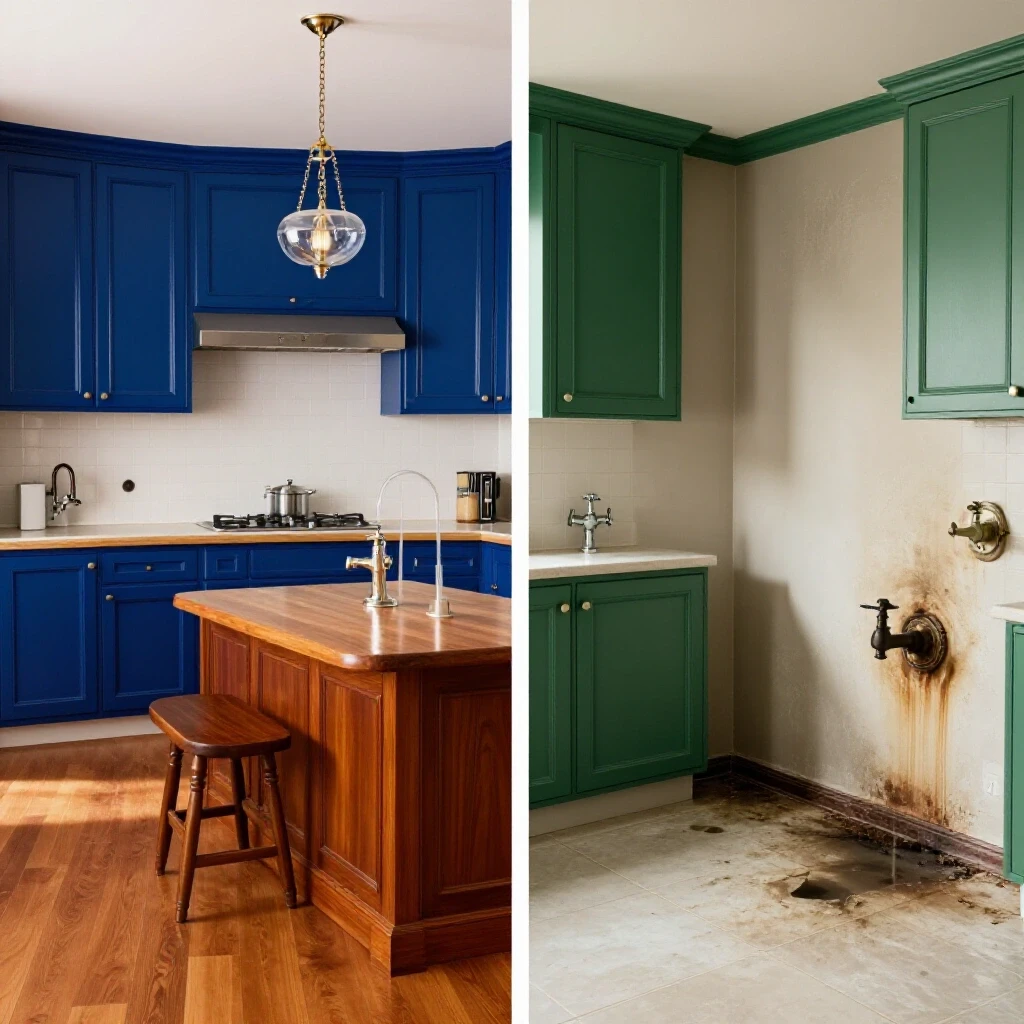
Color palettes also play a role in how we maintain our homes. Light-colored floors might make a room feel airy, but my logs from 2016 remind me that they also show every speck of dust and pet hair. When you react to a home’s colors, think about the “maintenance cost” of that beauty. A dark, moody kitchen looks great in photos, but it may require more frequent cleaning to stay looking sharp.
Evaluating the Durability of Interior Finishes
The physical components of a home, such as hardwood, quartz, or tile, dictate your cleaning schedule and the long-term replacement horizon for your property. Every material has a lifespan, and knowing where yours stand helps you avoid the “first-year failure” anxiety many new owners feel.
During my first year of homeownership, I assumed all countertops were indestructible. I was wrong. A simple spill of lemon juice etched my marble surfaces because I didn’t understand the chemistry of the stone. Now, I advise new owners to create a “Material Map” of their home. This map lists every surface and its specific care requirements.
| Material Type | Expected Lifespan | Annual Maintenance Task | Professional Refinish Cost |
|---|---|---|---|
| Solid Hardwood | 50–100 years | Dusting/Specialized cleaning | $3.00–$5.00 per sq. ft. |
| Laminate Flooring | 15–25 years | Moisture protection | N/A (Replacement only) |
| Quartz Counters | 20–30 years | Mild soap cleaning | N/A |
| Natural Stone | 20–50+ years | Periodic sealing | $200–$500 per visit |
| Nylon Carpet | 5–15 years | Deep steam cleaning | $0.25–$0.50 per sq. ft. |
Navigating the Emotional Transition of Home Upkeep
The shift from being a renter to a homeowner is a psychological journey that often involves a period of “buyer’s fatigue” or overwhelming responsibility. When you are no longer calling a landlord, every drip of a faucet feels like a personal failure or a looming financial crisis.
I remember the first time my water heater leaked. It was a Tuesday night, and I felt a wave of panic. But looking back at my logs, that moment was a turning point. It taught me that a home is a living system that requires constant, small adjustments rather than occasional, massive overhauls. HUD reports indicate that the average homeowner spends about $1,200 to $3,000 annually on routine maintenance. If you expect these costs, they become manageable line items rather than emergencies.
To manage this transition, I recommend the “Rule of Three.” Each month, identify three small tasks you can handle yourself. This builds “homeowner efficacy”—the confidence that you can actually manage the property you’ve worked so hard to acquire.
Establishing a Sustainable Maintenance Rhythm
A sustainable routine is the only way to protect your property’s value without burning out. This involves moving beyond reactive repairs to a proactive, scheduled approach to home care.
My personal 14-year log shows that the most expensive repairs I ever faced were the ones I could have prevented for less than $50. For example, failing to clean gutters led to a $2,000 basement moisture issue. I now use a seasonal checklist to stay ahead of the curve.
- Monthly: Test smoke detectors, clean range hood filters, and inspect the HVAC filter.
- Quarterly: Run water in unused sinks, check for leaks under cabinets, and inspect window seals.
- Bi-Annually: Deep clean the dryer vent, service the HVAC system, and clean the gutters.
- Annually: Flush the water heater, inspect the roof for loose shingles, and check the attic for signs of pests or moisture.
By following this rhythm, you reduce the “decision paralysis” that comes with owning a home. You don’t have to wonder what needs to be done; the calendar tells you.
Identifying Creative Potential and DIY Boundaries
Distinguishing between cosmetic updates you can do yourself and structural issues that require professional intervention is a key skill for the early-stage homeowner. It is easy to get caught up in the “DIY Surge” after your first walkthrough, but overestimating your skills can lead to costly mistakes.
In my first home, I tried to retile a bathroom myself. I spent three weeks and $800, only to have the tiles crack because I didn’t level the subfloor correctly. I eventually had to pay a pro $1,500 to tear it out and start over. Now, I use a “DIY ROI” framework to decide which projects to tackle.
- Green Light (DIY): Painting, swapping light fixtures (if wiring is existing), basic landscaping, installing smart thermostats, and caulking baseboards.
- Yellow Light (Proceed with Caution): Installing backsplash tile, minor plumbing (replacing a faucet), and basic deck repair.
- Red Light (Professional Only): Removing load-bearing walls, electrical panel work, gas line adjustments, and roof repairs.
Sustaining the Home’s Value Through Preventative Care
Long-term asset protection is about more than just keeping the house pretty; it’s about maintaining the “invisible” systems like the thermal envelope and hydrological mitigation. These are the systems that keep your home dry, warm, and structurally sound.
Thermal envelope sealing involves ensuring that the “shell” of your home—the walls, roof, and floor—is airtight. According to the Department of Energy, the average home has enough air leaks to equal a window being left open year-round. Using a simple thermal leak detector (a $50 tool) can help you find drafts around outlets and doors. Sealing these with inexpensive weatherstripping can save you 10–20% on your monthly utility bills.
Hydrological mitigation is a fancy way of saying “keep water away from the foundation.” My logs show that water is a homeowner’s greatest enemy. Ensure your soil slopes away from the house at a rate of at least six inches over ten feet. This simple fix prevents hydrostatic pressure from cracking your foundation walls—a repair that can easily cost $10,000 or more.
Managing Homeowner Fatigue and Long-Term Vision
Homeowner fatigue is real, especially for young professionals and families balancing careers and childcare. It is the feeling that the “to-do” list never ends. To combat this, I suggest looking at your home in five-year increments rather than six-month sprints.
When I look back at my 14 years of logs, I see that I didn’t finish everything in the first year. In fact, it took me four years to get my first home exactly where I wanted it. Give yourself permission to live in a “work in progress.” Focus on the systems that provide safety and efficiency first (HVAC, roof, plumbing), and let the aesthetic updates come as your budget and energy allow.
Tools and Resources for the Modern Homeowner
To stay organized, you need more than just a toolbox. You need a digital and physical infrastructure to track your home’s health. Here are the five resources I rely on most:
- Digital Home Log: I use a simple spreadsheet to track every repair, the date it happened, the cost, and the contact info for the pro who did the work.
- Smart Water Sensors: These $30 devices sit under sinks and near the water heater, alerting your phone if a leak is detected.
- HVAC Diagnostic Apps: Many modern thermostats have apps that track run-time and alert you when efficiency drops.
- Local Building Code Portal: Most cities have their building codes online. Checking these before a DIY project ensures your work is safe and legal.
- The 1% Reserve Fund: I keep a separate high-yield savings account where I deposit 1% of the home’s value annually. This ensures that when a system eventually fails, the money is already there.
Moving Forward with Confidence
Stepping into your first home is a monumental achievement, but the real work begins when the initial excitement fades. By focusing on the spatial flow, material durability, and preventative maintenance of your property, you move from being a “resident” to a “steward” of your investment.
My 14-year journey has taught me that there is no such thing as a “perfect” home, only a well-maintained one. Start small, track everything, and remember that every hour you spend understanding your home’s systems today saves you ten hours of stress tomorrow. You have the tools and the data to manage this transition; now it’s just a matter of taking it one room at a time.
Frequently Asked Questions
How much should I realistically set aside for monthly maintenance? A common benchmark is the 1% to 3% rule, where you save 1% of your home’s value annually for maintenance. For a $300,000 home, that is $3,000 a year, or $250 a month. If your home is older (30+ years), aim for the 3% mark to cover aging systems like the roof or HVAC.
What is the most common mistake new homeowners make in their first year? The most common mistake is spending the entire “emergency fund” on cosmetic upgrades like new furniture or paint before living in the house through a full change of seasons. You need to see how the house handles rain, snow, and heat before committing your capital to non-essential aesthetics.
How do I know if a wall is load-bearing before I plan a layout change? Generally, walls that run perpendicular to your floor joists are load-bearing. However, you should never assume. Always check the attic or basement to see where the weight of the house is being transferred. If you are unsure, hiring a structural engineer for a one-hour consultation (usually $200–$500) is a vital investment.
Why does my energy bill seem so much higher than my previous rental? Apartments often benefit from “shared heat” from neighboring units. In a standalone home, you are responsible for the entire thermal envelope. Check for air leaks around windows, doors, and attic hatches. Also, ensure your water heater is set to 120 degrees Fahrenheit; higher settings can unnecessarily bloat your utility bill.
Should I prioritize fixing a leaky faucet or painting a room? Always prioritize “active failures” like leaks or electrical issues. A leaky faucet can waste hundreds of gallons of water and cause structural rot if it seeps into the subfloor. Cosmetic issues like painting can wait, but moisture-related problems only get more expensive over time.
How often should I professionally service my HVAC system? You should have a professional inspection and tune-up twice a year: once in the spring for the AC and once in the fall for the furnace. This typically costs $100–$200 per visit but can extend the life of your system by 5–10 years.
What is the best way to track home maintenance for resale value? Keep a “Home Binder” or digital folder with all receipts, permit records, and warranties. When you eventually decide to move, showing a potential buyer a meticulous log of every service and upgrade proves the home has been cared for, which can significantly increase their confidence and your final equity.
Is it worth it to invest in smart home technology for maintenance? Yes, but focus on “utility” smart tech rather than “entertainment” tech. Smart leak detectors, smart thermostats, and connected smoke/CO detectors provide tangible protection and ROI. They can even lower your homeowner’s insurance premiums in some cases.
What should I look for when inspecting my roof from the ground? Use binoculars to look for “cupping” or “curling” shingles, missing granules (which look like dark bald spots), and damaged flashing around chimneys or vents. If you see moss growing, it indicates moisture retention that needs to be addressed immediately to prevent rot.
How do I handle the “overwhelm” of having a long to-do list? Categorize your list into three tiers: “Safety/Structure” (Must do now), “Efficiency/Comfort” (Do this year), and “Aesthetics” (Do when funds allow). Tackling one “Safety” item per month will provide a sense of control and protect your investment without burning you out.
(This article was written by one of our staff writers, Michael Morrison. Visit our Meet the Team page to learn more about the author and their expertise.)