How to Landscape Your Yard From Scratch on a Budget (Step-by-Step)

The day I closed on my first house, I stood in the backyard and realized I had inherited a rectangle of packed red clay and construction debris. Like many first-time buyers, I had spent every spare cent on the down payment and closing costs, leaving exactly zero dollars for a professional garden design. According to the U.S. Census Bureau’s American Housing Survey, nearly 40% of new homeowners take on a major outdoor project within the first two years, often underestimating the sheer physical and financial toll. Over 14 years and three different homes, I have learned that building an outdoor sanctuary from nothing isn’t about writing a huge check. It is about understanding the dirt beneath your feet, pacing your energy, and using a strategic, low-cost approach to turn a blank slate into a functional living space.
Why Starting Your Outdoor Space Requires a Financial Roadmap
A financial roadmap for your yard is a documented plan that aligns your outdoor goals with your monthly cash flow. It helps you avoid the common trap of overspending on plants that die or tools you only use once, ensuring your property value grows alongside your garden.
When I moved into my second home, I followed the “1% to 3% rule” for home maintenance, which suggests setting aside that percentage of your home’s value annually for upkeep. For outdoor projects, I narrowed this down to a specific “green fund.” In my first year, I allocated just $500 for the entire yard. This forced me to prioritize structural needs, like drainage, over aesthetic ones, like colorful flowers. Data from HUD reports suggests that proactive maintenance, including proper grading and ground cover, can prevent thousands of dollars in foundation repairs caused by water runoff.
Setting Realistic Benchmarks for First-Year Spending
First-year spending benchmarks are specific price targets for essential items like soil, seeds, and basic tools. These figures act as a guardrail to keep your hobby from turning into a financial burden while you are still adjusting to a new mortgage.
In my personal logs, I tracked every bag of mulch and every hand trowel. I found that a “blank slate” yard typically requires an initial investment in soil health before anything else. If you spend your limited funds on expensive nursery plants but put them in poor soil, you are essentially throwing money away. I recommend spending 60% of your initial budget on “invisible” improvements like compost and mulch, and only 40% on the plants themselves.
| Category | DIY Budget Estimate | Professional Equivalent | Potential Savings |
|---|---|---|---|
| Soil & Compost | $150 – $300 | $800 – $1,200 | $650+ |
| Basic Hand Tools | $100 – $200 | N/A | N/A |
| Seeds & Small Starts | $50 – $150 | $1,500 – $3,000 | $1,350+ |
| Mulch (Bulk Delivery) | $100 – $250 | $600 – $900 | $500+ |
| Total | $400 – $900 | $2,900 – $5,100 | $2,500+ |
Tracking Your Progress in a Digital Home Log
A digital home log is a simple spreadsheet or app where you record what you planted, when you did it, and how much it cost. This record becomes an invaluable asset for troubleshooting plant failures and proving property improvements if you decide to sell later.
I use a basic spreadsheet to track my “outdoor assets.” For example, in 2012, I recorded that I planted three small shrubs I found on clearance for $10 each. By 2018, those shrubs had grown into a privacy hedge that would have cost $1,500 to install professionally. Seeing these small wins in black and white helps combat the “homeowner fatigue” that sets in when the yard still looks unfinished.
- Create a “Yard” tab in your household budget.
- Save digital copies of all plant tags and receipts.
- Take “Before” photos from the same four corners of your lot every six months.
- Note down the dates of the first and last frosts in your area.
The Essential DIY Toolkit for New Homeowners
An essential DIY toolkit consists of a few high-quality, manual tools designed to handle the majority of yard tasks. Owning these basics allows you to maintain your property without the recurring costs of rentals or the high price tags of specialized power equipment.
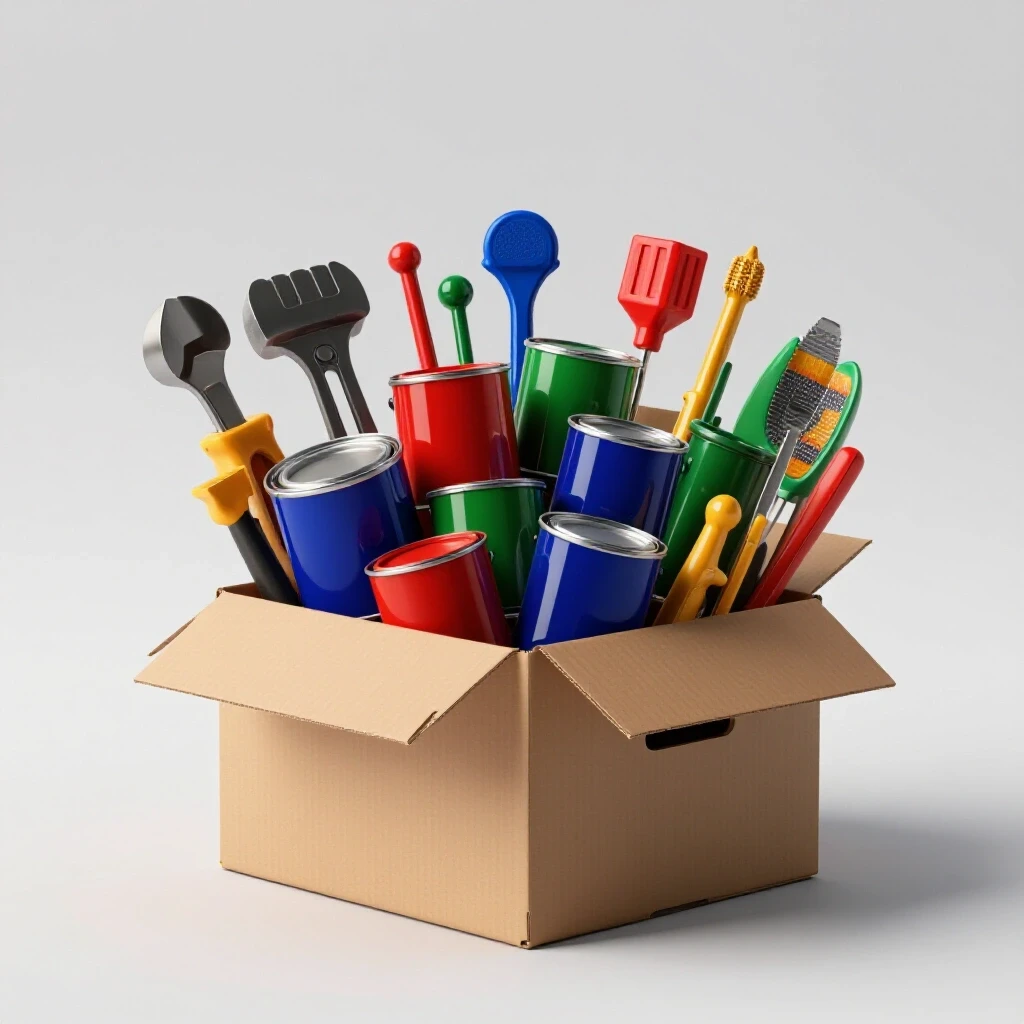
You do not need a shed full of power tools to start a yard from scratch. In fact, I did my first entire renovation with just five tools: a round-point shovel, a steel rake, a pair of bypass pruners, a garden hose, and a wheelbarrow. I bought most of these at garage sales for less than $50 total. High-quality manual tools often last longer than cheap electric ones and are much easier to maintain.
Choosing Tools Based on Long-Term Utility
Long-term utility refers to a tool’s ability to perform multiple functions over many years of use. Choosing tools with sturdy construction and replaceable parts ensures that your initial investment pays for itself through hundreds of hours of labor.
When I was 26, I bought a cheap plastic rake that snapped within two weeks of clearing heavy wet leaves. I replaced it with a steel-tined rake that I still use today, 14 years later. This is a classic example of how “buying cheap” often costs more in the long run. Look for tools with wooden or fiberglass handles and forged steel heads. They might cost $10 more at the start, but they won’t end up in a landfill by mid-summer.
- Round-Point Shovel: For digging holes and moving heavy soil.
- Steel Rake: For leveling dirt and spreading mulch.
- Bypass Pruners: For clean cuts on living plants.
- Garden Hose with Spray Nozzle: For targeted watering.
- Wheelbarrow: Essential for moving bulk materials like dirt and stone.
Mapping Your Yard Layout Without Professional Help
Mapping your yard layout is the process of creating a simple bird’s-eye view drawing of your property to plan where different activities will happen. This DIY design phase prevents you from placing plants in areas where they won’t thrive or blocking necessary access points.
One of my biggest rookie mistakes was planting a vegetable garden in the only spot that stayed shaded all afternoon. I spent $200 on materials only for the plants to wither. Now, I suggest a “sun audit.” Spend one Saturday watching how the light moves across your yard. Mark the areas that get 6+ hours of sun and the areas that stay damp and dark. This simple, free step ensures that every dollar you spend on plants is a smart investment.
Understanding the “Flow” of Your Outdoor Space
The flow of your space describes how you move from your back door to different areas like a seating spot, a trash bin, or a play area. Designing for flow ensures your yard is practical for daily life and doesn’t feel cluttered or difficult to navigate.
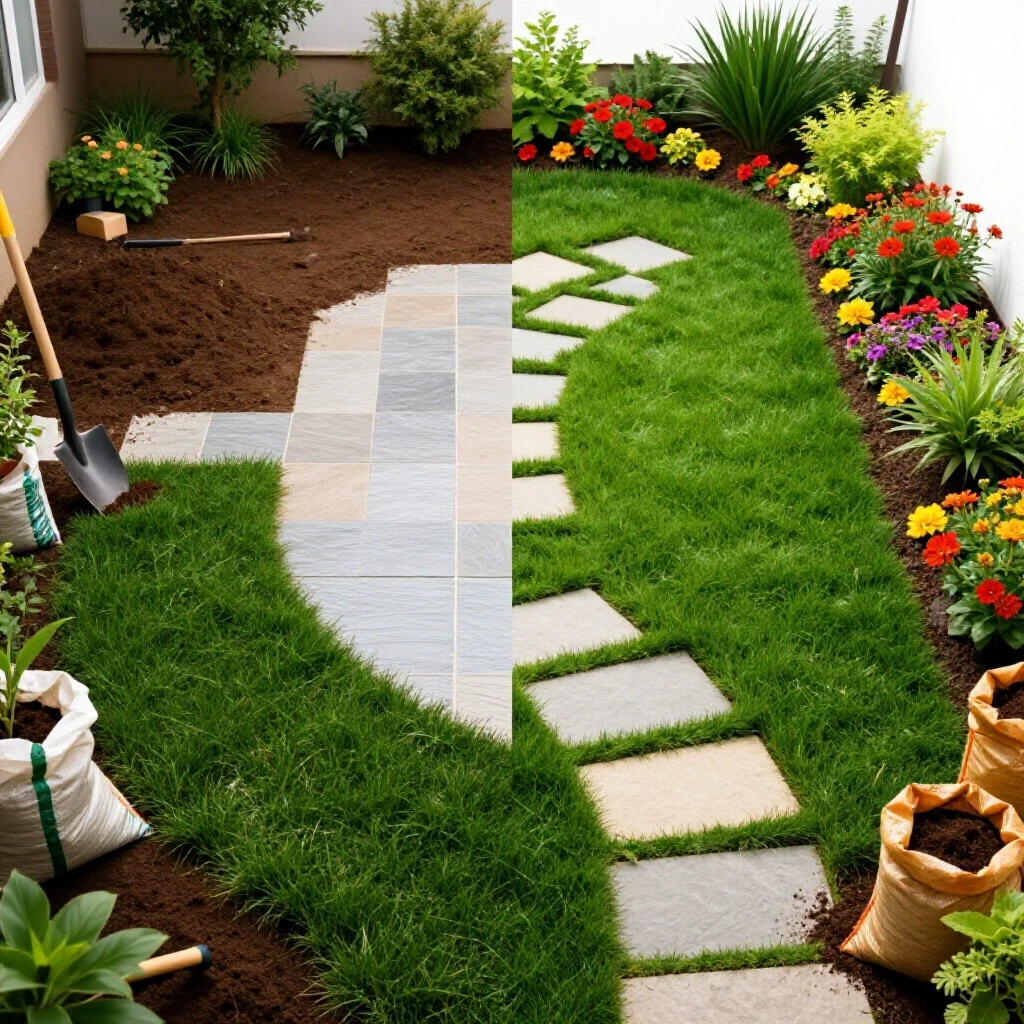
Think about your daily routines. Where do you want to drink your morning coffee? Where will the kids play? In my current home, I realized I was walking across the grass to take out the trash, creating a muddy path every winter. By laying down a simple $40 path of stepping stones, I solved a major maintenance headache. Use a garden hose or some string to “draw” these paths on the ground before you commit to any permanent changes.
- Identify high-traffic zones (e.g., the path to the grill).
- Locate your outdoor water spigots and electrical outlets.
- Check for “low spots” where water pools after a heavy rain.
- Mark the location of underground utility lines (always call 811 before digging).
Improving Your Soil Quality Without Expensive Chemicals
Soil quality improvement is the practice of adding organic matter to your ground to create a nutrient-rich environment for plants. By focusing on natural methods like composting and mulching, you can build healthy earth for a fraction of the cost of synthetic fertilizers.
Most new construction homes have “dead” soil because the topsoil was stripped away during building. Instead of buying dozens of bags of “garden soil” from a big-box store, I used the “sheet mulching” method. This involves laying down plain brown cardboard (free from appliance stores) and covering it with a thick layer of wood chips. Over six months, the cardboard rots, kills the weeds, and invites earthworms to do the tilling for you. This cost me nothing but time and saved me hundreds in labor and chemical costs.
The Power of Bulk Materials and Upcycling
Bulk materials are items like mulch, soil, or gravel purchased by the cubic yard rather than by the individual bag. Upcycling involves finding discarded materials—like old bricks or wood pallets—and repurposing them for use in your yard projects.
In my first year of homeownership, I spent $6 on a single bag of mulch. I quickly realized I needed 50 bags to cover my small flower beds. That’s $300. The next year, I called a local tree service company. They delivered a massive pile of fresh wood chips to my driveway for free because it saved them a trip to the dump. While it required more physical labor to move, it was a 100% savings.
- ChipDrop: A service that connects homeowners with free wood chips from arborists.
- Local Municipalities: Many cities offer free compost or mulch made from yard waste.
- Coffee Grounds: Local cafes often give away used grounds, which are great for nitrogen-loving plants.
- Leaves: Never bag your leaves; shred them with a mower to create free “leaf mold” fertilizer.
Affordable Sourcing for Plants and Ground Covers
Affordable sourcing is the strategy of acquiring plants through methods other than high-priced retail nurseries. This includes growing from seeds, dividing existing plants, or participating in community plant swaps to fill your yard on a budget.
Plants are the most expensive part of any outdoor project. To stay under budget, I learned the “rule of three.” I buy one perennial plant (a plant that grows back every year) and then learn how to divide it into three separate plants the following season. Hostas, daylilies, and ornamental grasses are perfect for this. My home log shows that I started with five hostas in 2015; by 2019, I had 25 plants scattered across my yard, all originating from those first five.
Using Seeds and Small Starts for Maximum ROI
Maximum ROI (Return on Investment) in the yard comes from starting with the smallest version of a plant possible. While a large tree or shrub provides instant gratification, smaller “starts” or seeds are significantly cheaper and often adapt to your soil more successfully.
It is tempting to buy the biggest tree at the nursery so your yard looks “finished.” However, a 1-gallon shrub usually catches up to a 5-gallon shrub within two years because it suffers less transplant shock. I once bought a “bargain” tree for $150 that died because it couldn’t handle the transition. Now, I buy $5 saplings or $2 seed packets. The patience required pays off in a much lower failure rate and thousands of dollars saved over a decade of ownership.
| Plant Type | Seed Cost | Small Start (4″) | Mature Plant (3-Gal) |
|---|---|---|---|
| Perennial Flowers | $3.00 (50 seeds) | $6.00 | $25.00 |
| Privacy Shrub | N/A | $12.00 | $45.00 – $60.00 |
| Ground Cover | $5.00 (packet) | $4.00 | $18.00 |
| Herbs | $2.50 (packet) | $5.00 | $15.00 |
Preventing Burnout While Maintaining Your New Property
Preventing homeowner burnout involves setting manageable goals and recognizing that a yard is a multi-year project. By breaking large tasks into small, weekly segments, you can maintain your property without sacrificing your mental health or career responsibilities.
The “overwhelmed” feeling usually hits about three months after move-in. You see the weeds growing, the grass dying, and the dirt blowing onto your porch. I call this the “first-year slump.” To beat it, I follow the “one-hour rule.” I commit to just one hour of yard work on Saturday morning. When the hour is up, I stop, even if I’m not finished. This prevents the physical exhaustion that makes you resent your home.
Creating a Sustainable Maintenance Routine
A sustainable maintenance routine is a schedule of small, recurring tasks that prevent large, expensive problems from developing. By doing a little bit each week, you keep the yard manageable and avoid the need for a massive, weekend-long overhaul.
My personal maintenance log is broken down by season. In the spring, I focus on mulching to prevent weeds. In the fall, I focus on soil health. By spreading the work across the year, the costs are also spread out. This makes it much easier to manage your household budget. Remember, your yard doesn’t have to look like a magazine cover in month six. Most of the beautiful yards I evaluate as an analyst took five to seven years of consistent, low-cost effort to reach maturity.
- Weekly: Mow and check for pests.
- Monthly: Edge the beds and pull visible weeds.
- Seasonally: Add compost and refresh mulch.
- Annually: Review your budget and plan one “big” $200 project.
Conclusion
Building a yard from scratch on a budget is a marathon, not a sprint. By focusing on the foundations—soil health, basic tools, and a smart layout—you can create a beautiful outdoor space without the financial anxiety that often plagues new homeowners. My 14 years of tracking costs have proven that the most successful yards aren’t the ones with the biggest initial budgets; they are the ones where the owners were patient, did the work themselves, and learned from their mistakes. Start small, track your spending, and remember that every bag of free mulch and every divided perennial is a step toward building equity and a home you truly love.
FAQ
What is the most cost-effective way to start a lawn from scratch? Starting a lawn from seed is significantly cheaper than laying sod. While sod provides an instant green carpet, it can cost $1.00 to $2.00 per square foot. In contrast, high-quality grass seed costs about $0.02 per square foot. To succeed with seed, you must ensure good “seed-to-soil” contact and keep the area consistently moist for the first three weeks.
How much should I realistically budget for my first year of yard work? For a standard suburban lot, a realistic DIY budget is between $500 and $1,000. This covers basic tools, bulk mulch, soil amendments, and several small plants or seeds. If you focus on “invisible” improvements like soil health first, you will save money in the long run by reducing plant loss.
Where can I find free materials for my outdoor projects? Check local community groups on social media, such as “Buy Nothing” groups or Facebook Marketplace. Often, neighbors have extra bricks, stones, or plants they are dividing and giving away for free. Additionally, contact local arborists for free wood chips and check with your city’s waste management department for free municipal compost.
How do I know if my soil is healthy enough for plants? You can perform a simple “squeeze test.” Take a handful of moist soil and squeeze it. If it falls apart immediately, it’s too sandy. If it stays in a hard, sticky ball, it has too much clay. Ideally, it should hold its shape but crumble easily when poked. For more detail, your local university extension office usually offers low-cost soil testing kits for around $15 to $20.
What are the best “beginner” plants for a low-budget yard? Look for “native plants” that are indigenous to your specific region. These plants have evolved to survive in your local climate and soil without extra water or expensive fertilizers. Perennials like coneflowers, black-eyed Susans, and native grasses are hardy, affordable, and often spread on their own over time.
How can I prevent weeds without spending a lot on chemicals? The most effective low-cost weed prevention is a thick layer of mulch. Applying 3 inches of wood chips or shredded leaves blocks sunlight from reaching weed seeds. For existing weeds, a mixture of white vinegar, salt, and a drop of dish soap can act as a natural, inexpensive spot-treatment, though it should be used carefully around desired plants.
Is it better to buy plants in the spring or the fall? Fall is often the best time for budget-conscious homeowners. Many nurseries offer deep discounts (up to 70% off) in September and October to clear out their inventory. Additionally, the cooler temperatures and increased rainfall in the fall help new plants establish their roots more easily than in the heat of summer.
How do I handle a yard that has major drainage issues on a budget? First, observe where the water goes during a heavy rain. You can often solve minor drainage issues by “grading” the soil (sloping it away from your house) using a simple shovel and rake. Creating a “rain garden”—a slightly sunken area filled with water-loving native plants—can also help capture and absorb runoff naturally without expensive pipe systems.
What tools are worth spending a little extra money on? Invest in a high-quality shovel and a pair of bypass pruners. These are the tools you will use most often. A cheap shovel with a weak handle will break under the pressure of heavy clay, and dull pruners will tear your plants, leaving them vulnerable to disease. Look for brands that offer a lifetime warranty.
How do I stay motivated when the yard looks like a mess? Focus on “zones.” Instead of trying to fix the whole yard at once, pick one small area, like the space next to the front door, and make it look exactly how you want. Having one “finished” spot provides a visual reward and the motivation to keep going when the rest of the yard feels overwhelming.
(This article was written by one of our staff writers, Michael Morrison. Visit our Meet the Team page to learn more about the author and their expertise.)