How to Manage Small Appliance Overload at Home (Easy Guide)

The moment you step across the threshold of your first home, a clock starts ticking. You have spent months, perhaps years, saving for a down payment and navigating the complex world of mortgage approvals. Now, the space is yours, and the urge to fill it with tools, gadgets, and conveniences is overwhelming. However, many new owners quickly find that their dream kitchen becomes a crowded warehouse of specialized tools that rarely see the light of day.
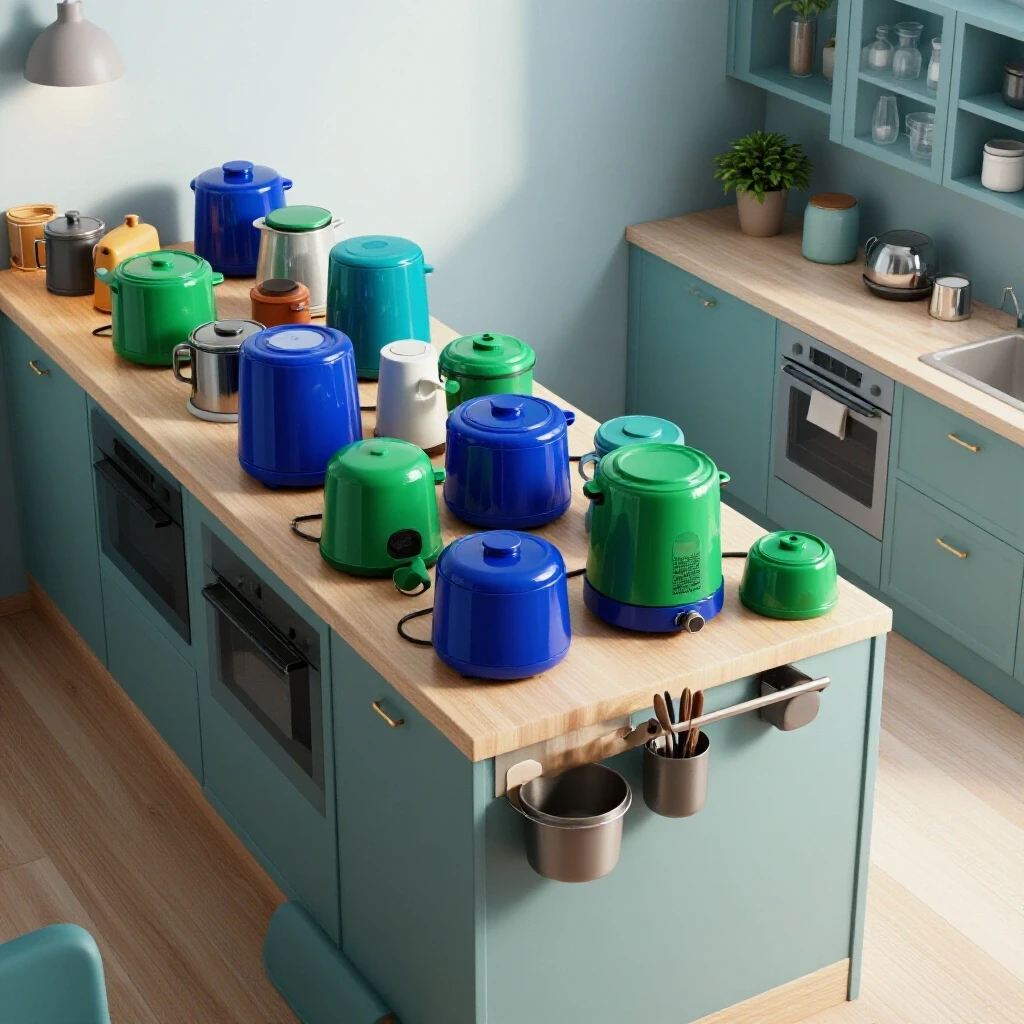
This accumulation of kitchen gadgets often happens quietly. You buy a bread maker for Sunday mornings, a high-end blender for smoothies, and a specialized grill for indoor steaks. Before you know it, your workspace has vanished. My personal home logs from my first house in 2010 show that I spent nearly $1,200 on portable kitchen tools in the first six months alone. By the time I moved to my second home, half of those items were still in their original boxes, taking up valuable real estate in my pantry.
Navigating the Financial Realities of Your First Year
The first year of homeownership is often defined by a shift from saving for a purchase to managing recurring and unexpected costs. This transition requires a mindset shift where you view your home as a living system that needs constant, measured investment rather than a one-time purchase.
Data from the U.S. Census Bureau suggests that new homeowners spend significantly more on home-related items in the first year than at any other time. It is easy to get caught up in the excitement and over-purchase items that promise to make life easier. In my 14 years of tracking expenses, I have found that the most successful homeowners are those who prioritize structural health over countertop convenience.
- Establish a maintenance reserve of 1% to 3% of your home’s value annually.
- Track every minor purchase in a household budgeting diary to see where “leakage” occurs.
- Prioritize essential tools like a high-quality drill and level over specialized kitchen gadgets.
- Wait at least 90 days before buying any non-essential item for your new space.
| Expense Category | Recommended Annual Budget | Reality Check (First Year) |
|---|---|---|
| General Maintenance | 1% of Home Value | Often 1.5% due to initial fixes |
| Utility Buffer | $200 – $500 | Variable based on insulation quality |
| Emergency Fund | 3-6 Months Expenses | Crucial for unexpected failures |
| Tool/Gadget Purchases | $500 | Often tripled by excited buyers |
Managing the Accumulation of Kitchen Gadgets
Addressing countertop congestion involves a strategic look at how you use your kitchen every day. It is about identifying which portable tools earn their place on your limited workspace and which ones are simply stealing your peace of mind.
When I moved into my second home, a 1940s bungalow with very little counter space, I realized that my collection of gadgets was a liability. I was a real estate analyst by day, but at night, I was a homeowner struggling to find room to chop an onion. I started a “usage log” for 30 days. If a tool wasn’t used at least three times a week, it lost its “prime real estate” status on the counter.
The Psychological Impact of Visual Clutter
Visual clutter in the kitchen can lead to a sense of homeowner burnout. When every surface is covered with a different machine, the kitchen feels like a chore rather than a place of comfort. This is a common pain point for young families who are already balancing demanding careers and childcare.
- Identify “daily drivers” like the coffee maker or toaster.
- Move “weekly workers” to lower cabinets or pull-out drawers.
- Store “seasonal specialists” like turkey roasters in high-reach areas or the garage.
- Keep the “Golden Triangle” (sink, stove, fridge) as clear as possible.
Building Custom DIY Storage for Portable Tools
Creating your own shelving and cabinetry solutions allows for a tailored fit within your specific kitchen layout. This approach uses basic woodworking and organizational principles to turn wasted wall space into accessible, aesthetically pleasing storage zones.
In my current home, I avoided buying expensive commercial organizers. Instead, I used scrap wood and basic brackets to build custom shelving inside a deep, dark pantry. This simple project cost less than $40 and recovered nearly 15 square feet of usable storage. By verticalizing my storage, I was able to move all my specialized gadgets off the counters while keeping them within easy reach.
DIY Shelving for Functional Decor
Using open shelving is a great way to integrate your tools into your home decor. If you have a beautiful stand mixer or a vintage-style kettle, these can be displayed as part of the room’s aesthetic. This turns a storage problem into a design opportunity.
- Measure the height of your tallest portable tool to determine shelf spacing.
- Locate wall studs using a reliable stud finder to ensure the shelf can hold the weight.
- Use simple pine boards and sand them down for a clean, modern look.
- Apply a food-safe finish or a paint that matches your kitchen cabinets.
- Install heavy-duty brackets that can support 50+ pounds.
| System Component | Expected Lifespan | Maintenance Level |
|---|---|---|
| Custom Wood Shelving | 20+ Years | Low (Occasional dusting/re-staining) |
| Major Appliances (Fridge/Stove) | 10-15 Years | Medium (Filter changes/cleaning) |
| Portable Gadgets | 3-7 Years | Low (Cleaning after use) |
| Cabinet Hardware | 15-20 Years | Very Low (Tightening screws) |
Establishing Sustainable Home Maintenance Routines
A sustainable home maintenance guide focuses on long-term property preservation through small, consistent actions. By managing your household items effectively, you reduce the time spent cleaning and searching for tools, which helps prevent homeowner fatigue.
My 14-year logs show a direct correlation between organized spaces and lower maintenance costs. When your kitchen is clear, you are more likely to notice a small leak under the sink or a crack in the backsplash. Clutter hides the early warning signs of system failures. I recommend a “quarterly audit” where you check the health of your kitchen systems while also re-evaluating your gadget collection.
Why Early Prevention Saves Thousands
Preventative mechanical care is the backbone of smart homeownership. While it is tempting to focus on the fun parts of a new home, the “boring” tasks like cleaning refrigerator coils or checking sink traps are what actually protect your equity.
- Clean refrigerator coils every six months to improve efficiency.
- Check the seals on your dishwasher to prevent hidden floor damage.
- Inspect cabinet hinges and drawer slides for wear and tear.
- Verify that all portable tools are in good working order before storing them.
Budgeting for Long-Term Asset Protection
Successful household budgeting involves more than just paying the mortgage; it requires a strategic plan for future repairs and upgrades. By avoiding the trap of buying too many small household items early on, you keep your cash liquid for the things that truly matter.
According to HUD reports, the average homeowner spends about $3,000 per year on home improvements and repairs. If you spend that money on specialized kitchen gadgets instead of your HVAC or roof fund, you are setting yourself up for financial stress. In my third home, I shifted my focus entirely. I stopped buying “stuff” and started investing in high-quality air filters and better insulation.
- Month 1-3: Focus on safety and basic function (smoke detectors, locks).
- Month 4-12: Establish your DIY tool kit and address minor cosmetic issues.
- Year 2-5: Plan for major system upgrades or structural improvements.
- Ongoing: Maintain a “sinking fund” specifically for appliance replacement.
Strategic DIY Prioritization for New Owners
Knowing when to do it yourself and when to call a professional is a critical skill. For tasks like building simple storage or organizing a pantry, the DIY route offers a high return on investment (ROI). However, for structural or complex mechanical issues, professional help is often the safer, more cost-effective choice in the long run.
In my experience, building your own storage solutions is the perfect “starter” DIY project. It teaches you how to use basic tools and gives you a sense of ownership over your space. My logs show that I saved over $800 by building my own kitchen island storage instead of buying a pre-made unit. This money was then redirected into my emergency repair fund.
| Project Type | DIY Cost | Professional Cost | Time Investment |
|---|---|---|---|
| Pantry Shelving | $50 – $150 | $500 – $1,000 | 4 – 8 Hours |
| Cabinet Refacing | $200 – $500 | $2,000 – $5,000 | 20 – 40 Hours |
| Faucet Replacement | $100 – $300 | $250 – $600 | 1 – 2 Hours |
| Backsplash Tile | $300 – $800 | $1,500 – $3,000 | 12 – 24 Hours |
Avoiding Homeowner Burnout Through Curation
The emotional transition of moving into a home is often overlooked. The pressure to have a “perfect” home can lead to anxiety and decision paralysis. By practicing minimalist organization and curation, you give yourself permission to grow into your home slowly.
I have evaluated dozens of homes where the owners felt overwhelmed by the sheer volume of their possessions. They felt like they were “failing” at homeownership because they couldn’t keep up with the mess. The reality is that a home is a tool for living, not a museum for gadgets. Reducing the number of items you manage daily is the fastest way to reduce stress.
- Adopt a “one-in, one-out” rule for kitchen tools.
- Use labeled containers to make finding items easier for the whole family.
- Schedule “no-spend” months to refocus on maintaining what you already own.
- Celebrate small wins, like a perfectly organized spice rack or a clear counter.
Implementing Digital Home Logs for Organization
A digital home log is a modern tool that helps you track everything from paint colors to the age of your water heater. It is also an excellent place to store your “appliance audit” notes. By keeping a digital record, you remove the mental load of trying to remember when you last cleaned the oven or replaced a filter.
I use a simple spreadsheet to track my three homes over the last 14 years. This data allowed me to see patterns in my spending and maintenance needs. For a first-time homeowner, this log is your most valuable asset during a future resale. It proves to buyers that you have been a diligent steward of the property.
- Inventory: List all major and minor appliances with their purchase dates.
- Maintenance: Log every task, from lawn care to HVAC servicing.
- Receipts: Store photos of receipts for warranty and tax purposes.
- Contacts: Keep a list of trusted contractors and neighbors.
Establishing Practical, Low-Barrier Next Steps
Moving forward doesn’t require a total kitchen renovation or a massive budget. It starts with a simple evaluation of your current space and a commitment to keeping it functional. Start by clearing your counters today and see how it changes your perspective on your kitchen.
Your home is a long-term asset, and your role is to protect its value while making it a comfortable place to live. By focusing on sustainable systems and mindful curation, you can navigate the early years of homeownership with confidence. Remember, the best home improvement isn’t something you buy; it’s the care and attention you give to the space you already have.
Common Questions About Managing Kitchen Spaces
How do I decide which kitchen tools should stay on the counter? The best rule is the “three-times-a-week” test. If you don’t use an item at least three times every week, it should be moved to a cabinet or shelf. This keeps your primary workspace clear for actual food preparation and reduces visual noise.
What are the best materials for building DIY kitchen shelves? For most homeowners, common pine or poplar boards are excellent choices. They are affordable, easy to cut, and take paint or stain well. Ensure you use sturdy metal brackets and anchor them into wall studs to support the weight of heavy tools.
How does kitchen clutter impact my home’s resale value? While clutter isn’t a structural issue, it significantly affects “buyer perception.” A cluttered kitchen looks smaller and suggests a lack of storage. Keeping your surfaces clear makes the room feel larger, cleaner, and better maintained to potential buyers.
Can I use vertical space effectively in a very small kitchen? Absolutely. Vertical space is the most underused resource in small homes. You can install shelves above the doorway, use the space on top of the refrigerator, or hang pots and pans from a ceiling rack to free up cabinet space for smaller tools.
How often should I audit my collection of kitchen gadgets? I recommend a bi-annual audit—once in the spring and once before the winter holidays. This allows you to clear out items you didn’t use during the previous season and make room for the tools you will need for upcoming festivities.
What is the “one-in, one-out” rule for homeowners? This is a simple discipline where you agree that for every new portable tool or gadget you bring into the home, one must be sold, donated, or recycled. This prevents the slow creep of items that eventually leads to a crowded and dysfunctional kitchen.
How can I label containers without buying a specialized label maker? You can use simple masking tape and a permanent marker for a “chef-style” look, or purchase chalkboard stickers that can be wiped clean and rewritten. This helps everyone in the household know exactly where items belong, ensuring the system stays organized.
Does a cluttered kitchen really increase daily stress levels? Yes, multiple studies in environmental psychology suggest that visual clutter increases cortisol levels, the body’s stress hormone. A clear, organized kitchen creates a sense of order and control, which is especially important after a long day at work.
How can I repurpose existing furniture for kitchen storage? An old bookshelf can be painted and used as a pantry extension, or a small dresser can be converted into a kitchen island. These DIY projects save money and add unique character to your home without the need for commercial storage products.
What is the best way to organize deep, dark lower cabinets? The most effective way is to build or install “pull-out” trays. These are essentially shallow drawers that sit on the cabinet shelf, allowing you to bring the items at the very back into the light without having to crawl on the floor.
(This article was written by one of our staff writers, Michael Morrison. Visit our Meet the Team page to learn more about the author and their expertise.)