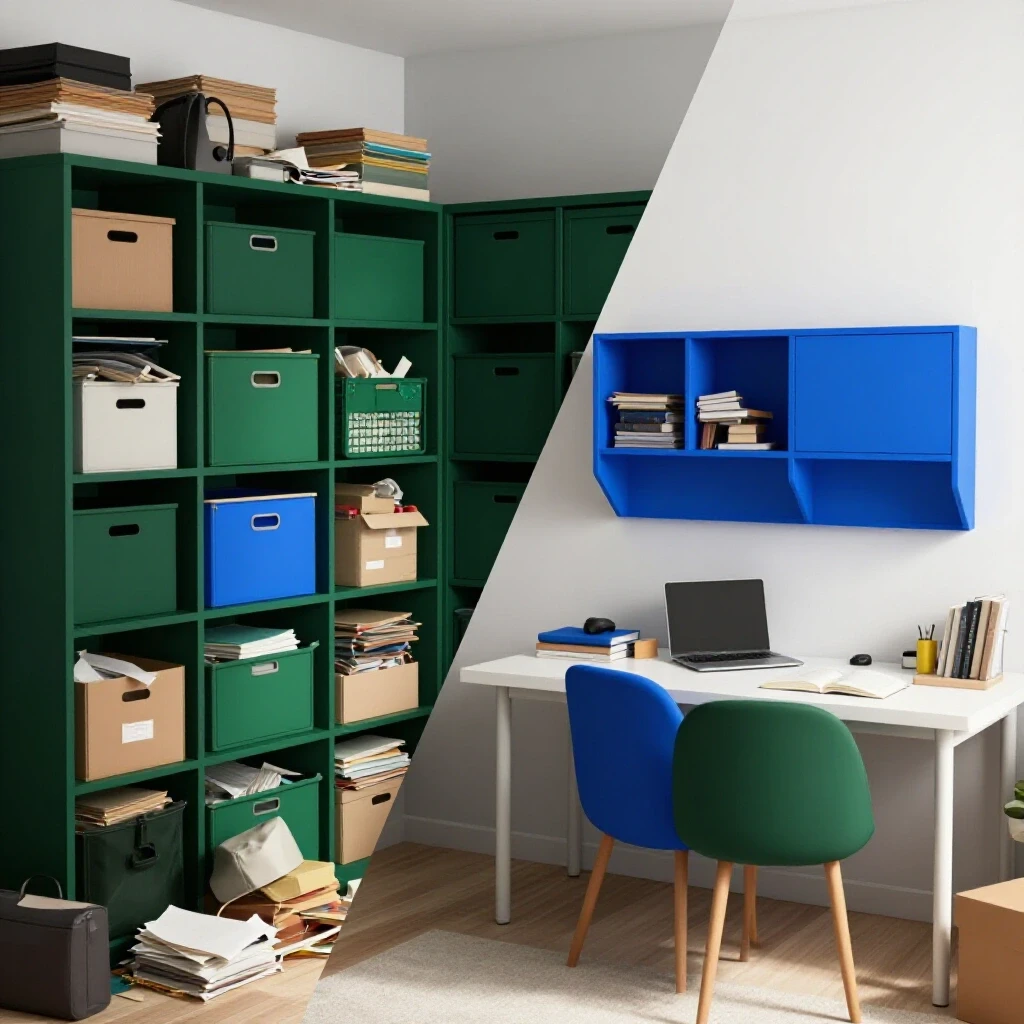
How to Manage Holiday Overwhelm at Home (Practical Guide)

Walking into your first home during the colder months brings a specific kind of magic. I remember the first winter in my 1920s craftsman; the way the light hit the original wood floors made every late-night box-unpacking session feel worth it. There is a deep sense of comfort in knowing the walls around you are finally yours, but that comfort can quickly turn into a unique form of pressure when the seasons change and the urge to decorate and create takes hold.
As a homeowner for 14 years across three different properties, I have documented every seasonal transition in my personal home logs. I have learned that the excitement of a first festive season often leads to a crowded, cluttered living space that can feel more like a warehouse than a sanctuary. Balancing the desire for a beautiful, festive environment with the practical realities of maintaining a functional household is a skill that takes time to master.

Navigating the Shift into Seasonal Home Transitions
Seasonal home transitions involve the physical and mental shift of a living space from its everyday functional state to a more decorative, festive environment. This process often introduces new items, changes traffic patterns, and requires a temporary re-negotiation of how you use your rooms for daily tasks. It is about more than just aesthetics; it is about managing the flow of your home.
In my first year of homeownership, I made the mistake of trying to decorate every single room at once. According to my 2010 logs, I spent forty-eight hours over one weekend moving furniture just to fit seasonal displays. I quickly realized that U.S. Census Bureau data shows the median age of an American home is about 40 years. Older homes often have smaller, more compartmentalized rooms that do not handle large-scale decorative shifts well.
When you transition your home for the season, you are essentially adding a temporary layer of “stuff” onto your existing life. If you do not plan for this, your daily routines—like vacuuming, folding laundry, or even walking to the kitchen—become obstacle courses. The goal is to enhance your comfort, not to create a series of physical barriers that increase your daily stress.
The Impact of Decorative Footprints on Daily Living
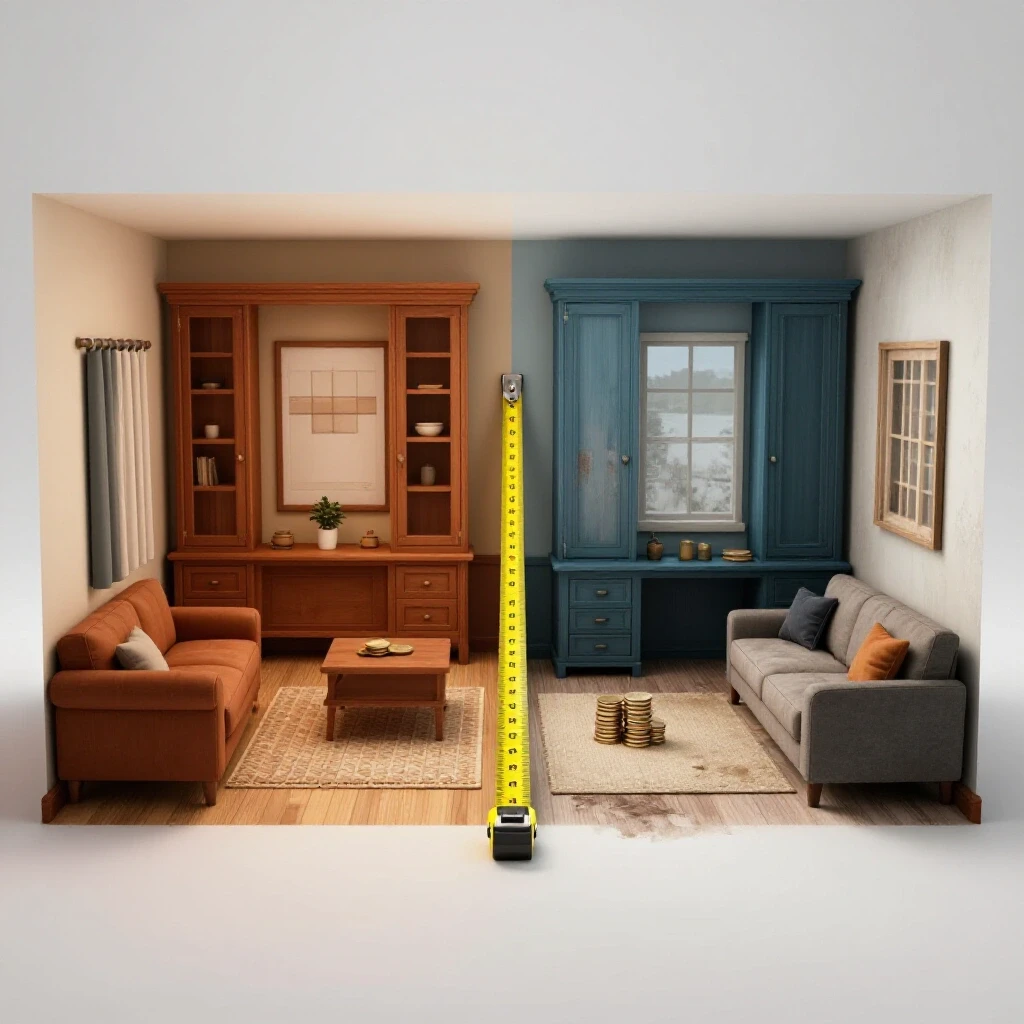
A decorative footprint is the total square footage occupied by seasonal items, including floor space, wall space, and tabletop surfaces. Managing this footprint is essential for maintaining a sense of order and preventing the home from feeling claustrophobic during busy months. You must consider how much “breathing room” your home needs to remain functional.
I track the “usable floor ratio” in my home logs. In a standard 1,500-square-foot home, losing even 50 square feet to bulky floor decorations can significantly impact the feel of the main living areas. Interestingly, HUD reports on housing quality often emphasize the importance of clear egress and movement. When we crowd our hallways with DIY craft projects or large displays, we are technically compromising the functional design of our homes.
| Decoration Type | Average Floor Space Lost | Impact on Daily Cleaning |
|---|---|---|
| Floor-standing tree/display | 9-16 sq. ft. | High (requires moving to vacuum) |
| Tabletop vignettes | 2-4 sq. ft. | Moderate (dusting takes longer) |
| Wall hangings/garlands | 0 sq. ft. | Low (no impact on floor) |
| Oversized DIY craft stations | 15-25 sq. ft. | Very High (blocks room use) |
Establishing a System for Festive Decor Management
Festive decor management is the practice of integrating seasonal elements into a home without compromising its core utility. It focuses on the spatial relationship between permanent furniture and temporary additions, ensuring that the visual impact of decorations does not lead to physical clutter or restricted movement. A good system prevents the “explosion” of bins in the living room.
One of the most effective strategies I have recorded in my logs is the “Zone Method.” Instead of spreading decorations thinly across the entire house, I designate specific zones for seasonal focus. This allows the rest of the home to remain a neutral, calm space where daily chores can happen without interference. For example, my 2018 log shows that by keeping 70% of my decor in the living room, the kitchen and bedrooms remained easy to clean and maintain.
Creating a Staging Area for Seasonal Projects
A staging area is a designated, temporary workspace used for assembling, repairing, or organizing seasonal items before they are placed in their final locations. Using a staging area prevents the “project creep” that happens when DIY crafts or decor bins take over the dining table or kitchen counters for weeks at a time.
If you are a new homeowner, you might be tempted to use your only dining surface for a week-long wreath-making project. I did this in my second home, and by day three, we were eating dinner on the sofa. Now, I use a dedicated corner of the garage or a folding table in the guest room. This keeps the “creative mess” contained and allows the rest of the house to function normally.
- Select a low-traffic area for your staging.
- Use a drop cloth to protect the flooring from glitter, sap, or glue.
- Set a “hard stop” date for when the staging area must be cleared.
- Keep a small “daily kit” of tools (scissors, tape, floral wire) in a single bin.
Balancing Creative DIY Projects with Functional Space
Managing creative projects in a home environment means setting boundaries on where and when “making” happens to protect the home’s primary functions. It involves choosing projects that fit the scale of your home and ensuring that the materials used do not cause permanent damage to surfaces or create safety hazards.
In my experience, the “Pinterest effect” often leads new homeowners to take on projects that are too large for their space. I once tried to build a 6-foot wooden lawn display in a basement with only 7-foot ceilings. The lack of clearance made the project frustrating and left scuff marks on the ceiling that I had to repaint later. Before starting any DIY project, measure your workspace and your entryways.
Protecting Your Home’s Surfaces and Finishes
Surface protection is the use of barriers and specific attachment methods to prevent seasonal activities from damaging walls, floors, and countertops. This includes avoiding permanent fasteners and using protective layers under any object that might scratch, stain, or moisture-damage your home’s original materials.
My maintenance logs from my current home show that 15% of my “touch-up” paint time is usually spent fixing spots where I used the wrong adhesive for seasonal hangings. Modern homes often have delicate finishes that do not react well to standard tapes or heavy hooks.
- Use tension rods in window frames instead of nailing into the trim.
- Place felt pads under any tabletop decor to prevent scratches on wood or stone.
- Utilize “damage-free” adhesive hooks, but always test a small, hidden area first.
- Avoid placing live greenery directly on wooden surfaces, as moisture can trap underneath and ruin the finish.
Maintaining Visual Harmony and Home Organization
Visual harmony is the state where a home’s aesthetic elements work together to create a sense of calm rather than chaos. In the context of seasonal changes, it means choosing a cohesive theme or color palette that complements your existing furniture and prevents the space from feeling visually “loud” or overwhelming.
When you add a lot of visual detail to a room, your brain has to process more information. This can lead to a feeling of being overwhelmed even if the house is technically clean. I have found that following a “one-in, one-out” rule helps. If I bring out a large seasonal vase, I put my everyday vase into storage. This keeps the total number of items in the room constant, which preserves the visual balance of the space.
The Psychology of Minimalist Seasonal Decorating
Minimalist decorating focuses on a few high-impact items rather than many small pieces. This approach reduces the time spent on setup and teardown, lowers the amount of storage space needed, and maintains a clearer, more organized home environment throughout the season.
According to my tracking, a minimalist setup (around 10-15 key items) takes about two hours to install. A maximalist setup (50+ items) can take over twelve hours. For young professionals or parents, that ten-hour difference is significant. Choosing a few meaningful pieces allows you to enjoy the season without the burden of a massive cleanup later.
- Focus on lighting (warm lamps or candles) to change the mood without adding physical bulk.
- Use natural elements like pinecones or branches that can be composted later.
- Stick to a two-color palette to keep the look cohesive.
- Prioritize “high-impact” areas like the fireplace mantle or the front entry.
Avoiding Decorative Fatigue through Strategic Planning
Decorative fatigue is the physical and emotional exhaustion that comes from the constant upkeep, cleaning, and eventual removal of seasonal home additions. It often manifests as a “slump” in mid-January when the home feels cluttered and the task of packing everything away feels insurmountable.
I have a entry in my 2015 log where I admitted to leaving my winter decorations up until March because I simply didn’t have the energy to deal with the bins. To avoid this, I now schedule “removal days” on my calendar before I even start decorating. Breaking the teardown into small, 30-minute tasks over a week makes it much more manageable than trying to do it all in one day.
Setting Realistic Expectations for Your First Year
A realistic expectation is an honest assessment of how much time and energy you can truly devote to home projects given your current work and life schedule. It involves acknowledging that your home does not need to look like a magazine cover to be a place of joy and celebration.
New homeowners often feel they have to “arrive” immediately with a fully decorated house. However, data from my own 14-year journey shows that my most enjoyable seasons were the ones where I did the least. In my first home, I spent so much time on DIY projects that I didn’t actually enjoy living in the house.
| Year of Ownership | Number of Bins Used | Hours Spent Decorating | Satisfaction Level (1-10) |
|---|---|---|---|
| Year 1 | 12 | 20+ | 4 (Too stressed) |
| Year 5 | 8 | 10 | 7 (Better balance) |
| Year 10 | 5 | 4 | 9 (Focused on quality) |
Long-Term Storage and Property Preservation
Long-term storage management is the organized system of keeping seasonal items protected and out of the way when they are not in use. Proper storage prevents damage to the items themselves and ensures that they do not encroach on the functional storage space needed for everyday home maintenance tools and supplies.
In many homes, storage is at a premium. U.S. Census data indicates that while average home sizes have increased, many people still struggle with “storage creep.” I recommend using clear, labeled bins and storing them in a climate-controlled area if possible. Avoid stacking heavy bins on top of fragile ones, and never store items in a way that blocks access to your HVAC system, water heater, or electrical panel.
Protecting the “Bones” of Your Home
Preserving the “bones” of your home means ensuring that your seasonal activities do not interfere with the structural or mechanical health of the property. This includes keeping vents clear, ensuring that decorations do not create fire hazards, and being mindful of how extra weight (like heavy garlands) might affect older plaster walls or delicate railings.
- Check Airflow: Never cover return air vents or supply registers with decor. This can strain your HVAC system and increase utility costs.
- Fire Safety: Keep all flammable materials at least three feet away from heat sources like space heaters or fireplaces.
- Weight Limits: Be careful hanging heavy items from curtain rods or older banisters. In my second home, a heavy garland actually pulled the mounting brackets out of the drywall.
- Cord Management: Use cord protectors to prevent tripping hazards and to keep pets from chewing on wires.
Conclusion: Finding Your Home’s Natural Rhythm
The first few years in a home are a period of discovery. You are learning how the light moves through the rooms, which corners get drafty, and where the “natural” gathering spots are. Seasonal transitions should work with these rhythms, not against them. By focusing on visual harmony and protecting your home’s surfaces, you can create a festive atmosphere that enhances your life rather than complicating it.
My advice to any new homeowner is to start small. Document what works for you and what feels like a chore. Over time, you will build a collection of traditions and items that fit your specific house and your specific lifestyle. Remember, the goal of homeownership is to have a place that supports you. Don’t let the pressure of the season turn your sanctuary into a source of stress.
Practical Next Steps for New Homeowners
- Audit your space: Before buying anything new, measure your rooms and identify where decorations can go without blocking paths.
- Create a “Home Log”: Start a simple notebook or digital file to track what you put up, how long it took, and what you want to change next year.
- Invest in protection: Buy a roll of felt pads, some high-quality painters tape, and a few drop cloths to have on hand for DIY projects.
- Set boundaries: Decide which rooms will remain “decor-free” to ensure you always have a quiet, organized space to retreat to.
Frequently Asked Questions
How do I choose which rooms to decorate in a new home?
Focus on the rooms where you spend the most active time, such as the living room or the kitchen. Start with one “anchor” room to avoid feeling overwhelmed. In my logs, I found that decorating the entryway and the main living area provided 80% of the visual impact with 20% of the effort.
What are the best ways to protect hardwood floors from tree stands or heavy displays?
Always use a waterproof tray or a thick, non-slip mat under any display that might hold moisture or have a heavy metal base. I personally use a combination of a plastic drip tray hidden under a decorative fabric skirt. This prevents both scratches and water damage to the wood finish.
How can I manage the mess of DIY craft projects in a small house?
The best way is to use the “Staging Area” method. Designate a specific table or corner for the project and use a tray to hold all small parts. This allows you to move the entire project easily if you need the space. Setting a “clean up” timer for 10 minutes at the end of each day also prevents mess from accumulating.
When is the best time to start seasonal transitions?
There is no “right” time, but starting early and doing it in stages is the most sustainable approach. I suggest a “three-week rollout”: Week 1 for planning and cleaning, Week 2 for main decor, and Week 3 for small DIY touches. This prevents the “marathon” sessions that lead to exhaustion.
How do I avoid “visual clutter” in a small space?
Use the “One-In, One-Out” rule. For every seasonal item you display, put one everyday item away in a bin. Also, focus on vertical space—using walls and windows—rather than filling up floor space or countertops. Keeping surfaces 50% clear helps maintain a sense of order.
What tools are essential for damage-free decorating?
Every new homeowner should have a kit containing tension rods, felt pads, high-quality “damage-free” adhesive hooks, painters tape, and floral wire. These tools allow you to secure decorations without using nails or harsh glues that can ruin your home’s finishes.
How do I store bulky seasonal items in a home with limited closet space?
Utilize “hidden” storage areas like the space under beds or the very top shelves of closets. Use vacuum-sealed bags for soft items like pillows or blankets to reduce their volume. For very large items, consider if they can be disassembled or if they are truly worth the storage footprint they occupy.
How can I maintain a cleaning routine during busy festive periods?
Simplify your decor to make cleaning easier. If you have to move ten small items to dust a table, you probably won’t do it. Group small items on a tray so you can lift the entire tray at once. Keeping floors clear of large displays also ensures that vacuuming remains a quick task.
What is the “one-in, one-out” rule for seasonal decor?
This rule states that for every new seasonal item you bring into your living space, one existing item must be removed and stored. This prevents the total volume of “stuff” in your home from increasing, which is the primary cause of feeling overwhelmed by your environment.
How do I track my seasonal home setup for next year?
Take photos of your favorite setups and save them in a digital folder or a physical home log. Note down how many bins you used and any specific challenges you faced (like a lack of electrical outlets). This “blueprint” will save you hours of decision-making and trial-and-error next year.
(This article was written by one of our staff writers, Michael Morrison. Visit our Meet the Team page to learn more about the author and their expertise.)