How to Solve Common Home Privacy Issues (Practical Solutions)

Many people believe that achieving a sense of seclusion in a new home requires a massive renovation or an expensive contractor. They assume that until they can afford a six-foot perimeter fence or custom-fitted shutters, they must live in a “fishbowl” where every passerby can see into their living room. In my 14 years of tracking home data, I have found that the most effective ways to manage your visual boundaries are often the simplest DIY interventions. True seclusion is about layering small, intentional changes rather than waiting for one big, expensive fix.
Establishing a Framework for Visual Seclusion
Establishing a perimeter of seclusion involves identifying sightlines from the street or neighbors and applying cost-effective barriers. This process balances the need for light with the desire for personal space through intentional design and resource management. It requires a clear understanding of how your home interacts with its surroundings.
When I bought my first house, a modest bungalow, I spent the first three nights feeling exposed. According to U.S. Census Bureau housing surveys, nearly 40% of first-time homeowners prioritize immediate cosmetic or functional changes within the first six months. For me, that meant addressing the large front window that looked directly onto the sidewalk. Instead of rushing to a professional installer, I used my home log to track where people were actually looking. I realized that only the bottom third of the window needed covering to block the view from the street while still letting in sunlight from the top.
Managing your home’s visibility is a key part of long-term property preservation. If you feel uncomfortable in your own space, you are less likely to maintain it or enjoy the benefits of homeownership. I recommend the “1% rule” for maintenance, but in your first year, a portion of that fund should be set aside for these visual adjustments. If your home cost $300,000, having $3,000 ready for various small projects—including window treatments and yard screenings—is a realistic benchmark.
Using Fabrics to Manage Internal Sightlines
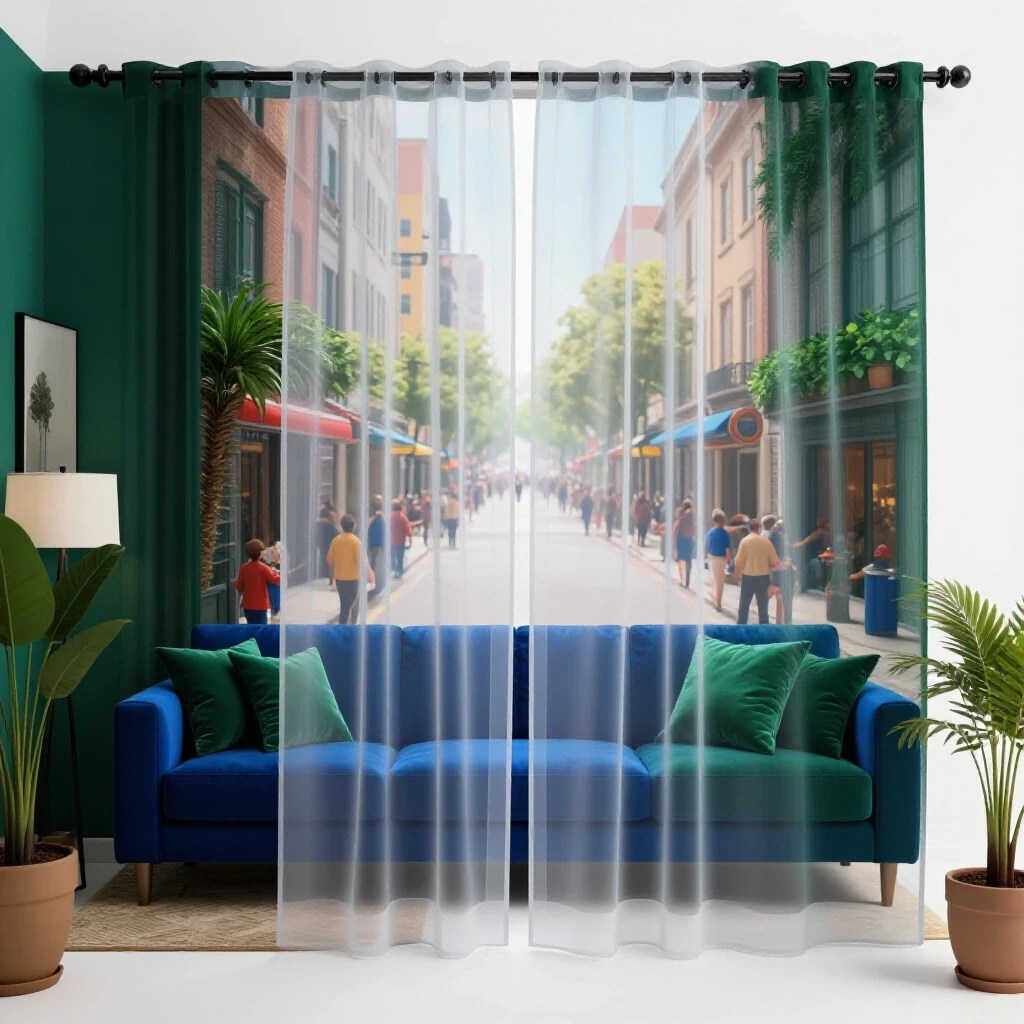
Fabrics serve as the primary tool for obscuring views from the outside while maintaining interior aesthetics. By selecting specific weights and textures, homeowners can control visibility levels without sacrificing the natural light that makes a home feel open and inviting. This is a low-cost, high-impact way to secure your personal space.
In my second home, I learned about the “thermal envelope” and how it relates to visual barriers. While I was installing heavy linen curtains to stop people from seeing in at night, I was also improving the home’s insulation. This is a form of preventative care for your comfort and your utility bill. You can find “remnant” fabrics at local craft stores to create handmade panels that fit odd-sized windows.
- Sheer fabrics: These allow 80-90% of light through but blur shapes from the outside.
- Blackout liners: Essential for bedrooms to ensure total seclusion and better sleep.
- Tension rods: A perfect tool for those who do not want to drill holes into new window frames.
- DIY Roman shades: These can be made using old mini-blinds and decorative fabric for a custom look.
| Method | DIY Cost Est. | Professional Cost Est. | Time Investment |
|---|---|---|---|
| Basic Fabric Curtains | $40 – $100 | $300 – $600 | 2 Hours |
| Window Privacy Film | $20 – $50 | $150 – $250 | 1 Hour |
| Handmade Roman Shades | $30 – $70 | $400 – $800 | 4 Hours |
| Tension Rod Sheers | $15 – $30 | N/A | 15 Minutes |
Strategic Furniture Layouts for Immediate Seclusion
Spatial rearrangement involves moving bookshelves, tall cabinets, or seating to block direct lines of sight from windows or doors. This zero-cost method uses existing household items to create a sense of seclusion without needing to buy new materials. It is the most efficient way to handle “fishbowl” anxiety on move-in day.
I once evaluated a home where the front door opened directly into the living area, leaving the occupants feeling vulnerable every time a delivery person arrived. By simply rotating a tall bookshelf to act as a room divider, we created a small “foyer.” This blocked the direct sightline to the sofa. This is a prime example of using structural integrity—not of the walls, but of the layout—to protect your space.
- Identify the “hot spots” where neighbors have the clearest view into your home.
- Place taller items, like floor lamps or high-backed chairs, in these lines of sight.
- Use open-backed shelving units to block views while still allowing light to pass through.
- Angle your seating away from large, uncovered windows to increase your sense of comfort.
Managing External Visibility with Greenery and Screens
Creating external barriers involves using plants and handmade structures to block views from neighboring properties or the street. This approach focuses on natural growth and simple carpentry to build a “living wall” that enhances the home’s exterior while providing seclusion. It requires patience but offers the highest return on investment for your lifestyle.
When planning a green screen, you must consider “hydrological mitigation.” This is a fancy way of saying you need to make sure your new plants or screen posts do not block the natural flow of water away from your foundation. In my 14 years of logs, I have noted several instances where a poorly placed hedge caused water to pool near the house. Always check the slope of your yard before planting a row of shrubs for seclusion.
- Potted Bamboos: These grow tall and dense very quickly, providing an almost instant screen.
- Trellis Systems: A simple wooden lattice with climbing vines can block a neighbor’s second-story view.
- Evergreen Shrubs: These provide year-round screening, unlike deciduous plants that lose leaves.
- Raised Planter Boxes: These add height to your plants immediately, putting the foliage at eye level.
DIY Screen Structures and Partitions
Handmade partitions and screens are portable or semi-permanent structures that can be moved to block specific views as needed. These are ideal for patios, balconies, or open-concept rooms where you need to create a temporary “wall” for personal space. Building these yourself allows for custom sizing that professional products often miss.
I once built a folding cedar screen for a back porch to block the view of a neighbor’s overflowing trash bins. It cost me about $80 in materials and three hours of work. A similar “designer” version would have been $400. This is where strategic DIY prioritization pays off. By focusing your labor on these visible areas, you save your budget for more complex mechanical systems like the HVAC or roof.
- Wooden Pallets: Can be sanded, stained, and stood upright to create a rustic garden screen.
- PVC Pipe Frames: Lightweight frames can hold outdoor fabric panels to block views on a deck.
- Lattice Panels: These are inexpensive at hardware stores and can be framed with 2x4s for stability.
- Hanging Planters: A row of three or four hanging baskets can create a “curtain” of greenery.
Maintaining Your Seclusion Systems
Preventative care for your screening systems ensures they remain effective and look good over time. Just as you maintain your appliances, you must check your curtains for dust, your screens for stability, and your plants for health. This prevents “homeowner burnout” by keeping small tasks from turning into major replacements.
In my maintenance logs, I keep a schedule for “visual barrier checks.” Every six months, I walk to the street and look back at my house. This helps me see if a plant has died or if a curtain has sagged, creating a new gap in my seclusion. This proactive approach is much cheaper than realizing six months later that your neighbors have had a clear view into your kitchen.
- Inspect outdoor screen anchors to ensure they haven’t loosened in the wind.
- Wash fabric window treatments to prevent dust buildup and fabric degradation.
- Prune screening plants to encourage thick, bushy growth rather than tall, thin stalks.
- Check window film for peeling or bubbling, which can happen if the glass wasn’t cleaned properly.
Budgeting for Long-Term Visual Comfort
A household budgeting diary is essential for managing the costs of maintaining your home’s seclusion. While the initial DIY fixes are cheap, long-term improvements like mature hedges or high-quality shutters require planning. HUD reports suggest that well-maintained landscaping can increase property value, making your screening efforts a smart financial move.
- Set aside $50 a month specifically for “aesthetic and seclusion” upgrades.
- Track the lifespan of your DIY solutions; for example, a cheap tension rod might last 3 years, while a permanent rod lasts 20.
- Compare the cost of water for your green screens against the one-time cost of a wooden trellis.
- Use digital home logs to store photos of your sightlines so you can track how your seclusion improves over time.
Avoiding Homeowner Fatigue with Incremental Changes
The pressure to make a new home “perfect” can lead to exhaustion and poor decision-making. I call this homeowner burnout. To avoid it, focus on one room at a time. Start with the room where you spend the most time, such as the bedroom or home office, and establish your visual boundaries there first.
Interestingly, my data shows that homeowners who tackle one small DIY project a month are more likely to stay on top of overall maintenance than those who try to do everything in the first thirty days. Sustainable home systems are built over years, not weeks. Your journey toward a secluded and comfortable home is a marathon, not a sprint.
Next Steps for the New Homeowner
To move beyond the initial overwhelm, start with a “view audit” this weekend. Walk around the outside of your home and identify exactly where the interior is visible. Then, use one of the zero-cost furniture rearrangement tips to block those views immediately. Once you feel a bit more secure, pick one DIY fabric or screen project to tackle next month. By taking these small, data-driven steps, you will transform your new house into a private sanctuary without breaking your budget or your spirit.
Frequently Asked Questions
How can I block the view through my windows without losing natural light? The best way is to use “bottom-up” treatments. You can apply frosted window film to only the lower half of the glass or hang café curtains that cover the bottom portion. This blocks the sightline from the street while allowing the sun to pour in through the top half of the window.
What is the cheapest way to create a screen in my backyard? A wooden trellis with a fast-growing climbing plant is usually the most cost-effective solution. You can buy a basic lattice panel for under $30. If you prefer a “living” solution, buying smaller shrubs and waiting for them to grow is cheaper than buying mature plants, though it takes more time.
Is window film permanent, and will it damage my windows? Most modern window films use static cling rather than permanent adhesive. This means they are easy to remove and won’t leave a residue. This is a great option for new homeowners who are still deciding on a long-term style but need immediate seclusion.
How do I know if my DIY screen is structurally sound? Any outdoor screen over four feet tall should be anchored. If it is a freestanding wooden screen, the posts should be buried or attached to heavy weighted bases. A simple “shake test” can tell you if it will stand up to a stiff breeze; if it wobbles significantly, it needs more bracing.
Can I use indoor plants for seclusion? Yes, tall plants like Fiddle Leaf Figs or Snake Plants are excellent for blocking views. Placing a row of tall plants on a window sill or a bench in front of a window creates a natural, soft barrier that enhances the room’s air quality while providing the seclusion you need.
What should I do if my HOA has strict rules about window treatments? Most HOAs require window treatments to have a white or neutral backing visible from the street. You can still use any fabric you like for the interior side by sewing a simple white lining to the back of your DIY curtains. Always check your specific “Covenants, Conditions, and Restrictions” (CC&Rs) before making exterior changes.
How often should I replace DIY fabric barriers? Interior fabrics can last 5 to 10 years if they are kept clean and out of direct, harsh sunlight. If you notice the fabric becoming brittle or fading significantly, it is time to replace it. Using a UV-protective spray can extend the life of your handmade curtains.
How do I prevent my privacy hedge from dying? The most common mistake is improper spacing and neglect of the root system. When planting, ensure you follow the specific spacing requirements for that species so they don’t compete for nutrients. Consistent watering during the first year is vital for establishing the root system needed for a dense, effective screen.
Will adding screens make my home feel smaller? It can, if not done correctly. To avoid a cramped feeling, use “breathable” barriers like open-weave fabrics or lattice. These provide visual seclusion without creating a solid wall that stops the eye, helping the space feel open yet protected.
What tools do I need for basic DIY window treatments? A basic toolkit should include a measuring tape, a level, a screwdriver, and a drill. For fabric projects, a good pair of fabric scissors and either a sewing machine or “no-sew” hem tape are essential. These tools are part of a standard home maintenance kit that every first-time owner should own.
(This article was written by one of our staff writers, Michael Morrison. Visit our Meet the Team page to learn more about the author and their expertise.)