Hard Water Damage Costs for Homeowners (Repair & Prevention Guide)

When I was bathing my oldest daughter in our first home, I noticed something strange about the bathtub faucet. A crusty, white ring had formed around the base, and the water seemed to spray in odd directions. As a new father and a first-time homeowner, I initially thought it was just a bit of soap scum. I quickly learned that these tiny white flakes were actually calcium deposits, a calling card of high mineral content in our local water supply. For young families, these small details often get buried under the chaos of diaper changes and career demands, but ignoring them can lead to a slow drain on your household budget.
The Visual Impact of Mineral Scaling on Home Fixtures
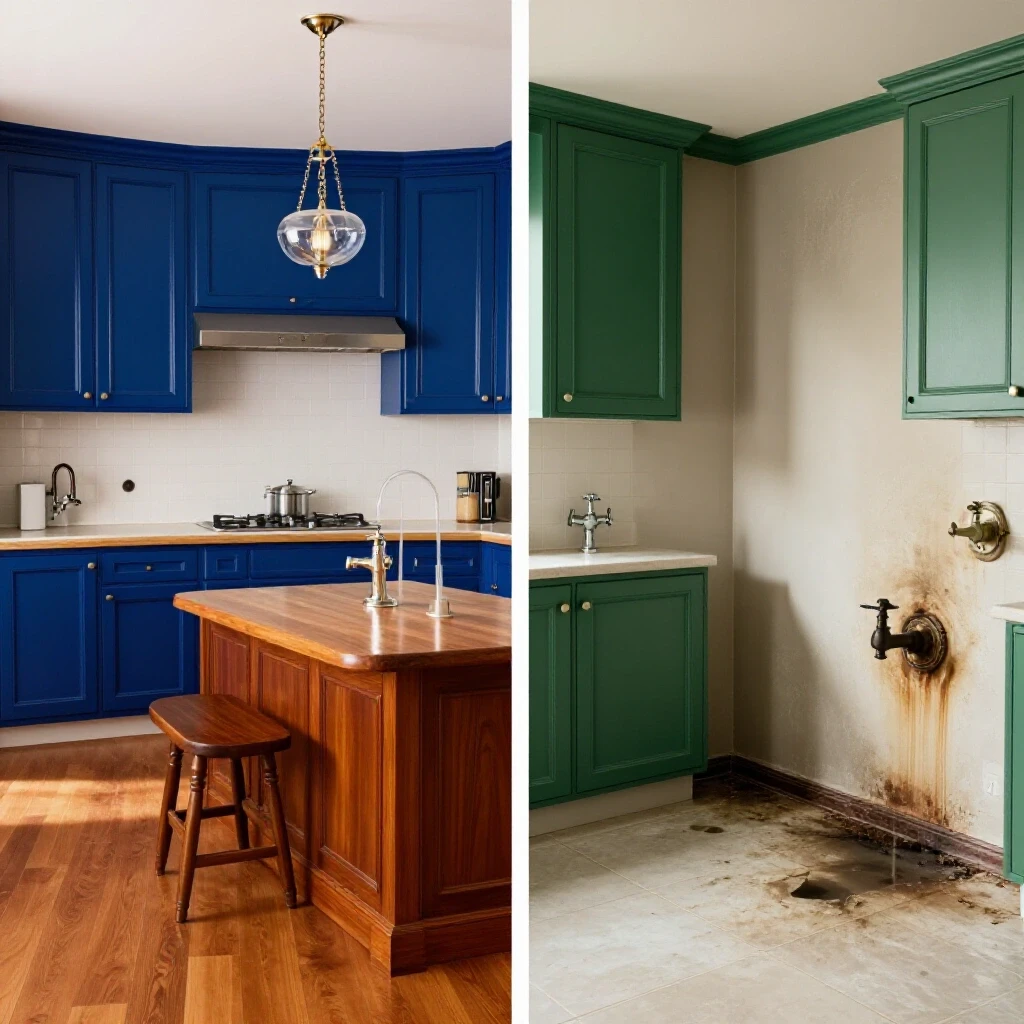
Mineral scaling refers to the chalky, white, or greenish residue that accumulates on faucets, showerheads, and tiles when water evaporates. This buildup is primarily composed of calcium and magnesium, which bond to surfaces and harden over time.
In my 14 years of tracking home logs, I have found that the aesthetic degradation of fixtures is one of the most immediate “hidden” costs of homeownership. When you buy a house, you see the gleaming chrome in the listing photos. Two years later, that same chrome can look dull and pitted. According to the U.S. Census Bureau’s American Housing Survey, homeowners spend a significant portion of their maintenance budget on “non-structural” repairs, and fixture upkeep is a prime example.
I once evaluated a three-year-old townhouse where the owner had never wiped down the glass shower doors. The mineral etching was so severe that the glass appeared frosted. No amount of vinegar could restore the clarity. They ended up replacing the doors before selling, a cost that could have been avoided with a simple $5 squeegee and a weekly cleaning routine.
Calculating the Real-World Expense of Surface Restoration
Surface restoration is the process of removing mineral deposits and polishing a fixture or surface back to its original state. This involves specialized cleaning agents, abrasive pads, or, in extreme cases, total replacement of the visible component.
Budgeting for these small items is where many first-time owners stumble. We often focus on the “big” things like roof repairs or taxes, but the “death by a thousand cuts” comes from replacing $150 kitchen faucets or $200 shower sets every few years. Based on my personal logs, a proactive maintenance approach costs roughly $40 per year in supplies, whereas a reactive replacement approach can cost upwards of $600 every five years.
| Fixture/Surface | DIY Restoration Cost (Annual) | Replacement Cost (Every 5-7 Years) |
|---|---|---|
| Kitchen Faucet | $12 (Vinegar/Microfiber) | $150 – $350 |
| Showerhead | $5 (Citric Acid Soak) | $75 – $200 |
| Glass Shower Doors | $15 (Water Repellent) | $400 – $1,200 |
| Bathroom Tile Grout | $10 (Specific Cleaners) | $300 (Professional Regrouting) |
Strategic DIY Care for Modern Homeowners
DIY care involves using mild acids, such as white vinegar or citric acid, to dissolve mineral bonds without damaging the underlying finish of your fixtures. It is a low-cost, high-return activity that fits into a busy weekend schedule.
When I moved into my second home, I established a “First Saturday” routine. On the first Saturday of every month, I would wrap vinegar-soaked rags around the faucets and secure them with rubber bands. After an hour, the minerals would simply wipe away. This prevented the “pitting” effect, where minerals eat into the metal finish. If you wait until the buildup is thick, you risk scratching the finish while trying to scrape it off.
For young professionals, time is the scarcest resource. I recommend using modern diagnostic tools like a simple TDS (Total Dissolved Solids) meter. These handheld devices, often costing under $20, give you a baseline reading of your water’s mineral load. If your reading is high, you know your cleaning frequency needs to increase.
Long-Term Asset Preservation for Kitchen and Bath Decor
Asset preservation in this context is the practice of maintaining the visual and functional integrity of your home’s interior finishes to protect your equity. A home that looks “crisp” and well-maintained always commands a higher appraisal and faster sale.
In my analysis of residential housing trends, I’ve seen that “pride of ownership” is often measured by the condition of the wet areas—kitchens and baths. If a buyer sees mineral-crusted faucets, they subconsciously assume the rest of the home has been neglected. This can lead to lower offers, even if the structural elements are sound.
To manage this, I suggest the “1% Rule” for maintenance, but with a twist. While the rule suggests setting aside 1% of your home’s value for annual repairs, I recommend allocating 10% of that fund specifically for “aesthetic preservation.” This covers the cost of new aerators, high-quality cleaning supplies, and the occasional replacement of a fixture that is beyond saving.
Five Essential Tools for Managing Mineral Buildup
- White Vinegar: The most cost-effective acid for dissolving calcium.
- Microfiber Cloths: These lift minerals without scratching delicate finishes.
- Old Toothbrushes: Perfect for scrubbing the tiny holes in a showerhead.
- Plastic Sandwich Bags: Use these to soak faucets and showerheads in vinegar overnight.
- Squeegees: A mandatory tool for glass shower doors to prevent water spots from hardening.
Managing Homeowner Fatigue and Maintenance Routines
Homeowner fatigue is the emotional exhaustion that comes from the endless list of tasks required to keep a property in top shape. For those aged 25–40, balancing a career and perhaps a young family makes this fatigue very real.
The key to avoiding burnout is automation and simplification. You don’t need to scrub your whole house every day. Instead, focus on “hydrological mitigation”—the fancy term for keeping water where it belongs and cleaning it up when it leaves a mark.
In my third home, I realized that I was spending too much time on the guest bathroom that we rarely used. I started keeping the sink dry and the toilet lid closed to prevent evaporation from leaving rings. By reducing the frequency of water use in certain areas, I reduced the maintenance load.
- Establish a “Dry Sink” Policy: Use a dedicated towel to wipe down faucets after the final use of the night.
- Use Water Repellents: Products designed for car windshields can be used on glass shower doors to make water bead off.
- Monitor Appliance Exteriors: Wipe the mineral spots off the front of your dishwasher or fridge water dispenser immediately to prevent permanent staining.
The Financial Reality of Ignored Maintenance
When I look back at my logs from 2010, I see a entry for a $280 kitchen faucet replacement. I had let the mineral scaling get so bad that the handle literally seized up. It wouldn’t turn. Because I was busy with work, I ignored the “stiffness” of the handle for months.
That $280 could have been a nice dinner out or a contribution to my daughter’s college fund. Instead, it went to a piece of hardware because I didn’t spend $2 on vinegar. This is the reality of homeownership: small, cheap tasks prevent large, expensive problems.
Actionable Benchmarks for New Homeowners
- Monthly: Soak all aerators and showerheads in vinegar for 30 minutes.
- Quarterly: Inspect the base of all faucets for white “crust” and treat immediately.
- Annually: Replace any plastic aerators that have become brittle or clogged (usually $5 each).
- Reserve Fund: Keep $500 in a “Small Fixture Fund” so a broken faucet doesn’t feel like a financial emergency.
Building these habits early in your homeownership journey will save you thousands of dollars over the life of your mortgage. It also reduces the anxiety of “what’s going to break next?” because you are actively managing the small things before they escalate.
Frequently Asked Questions
What exactly causes those white spots on my faucets? Those spots are mineral deposits, mostly calcium and magnesium. When water sits on a surface and evaporates, it leaves these minerals behind. Over time, they layer on top of each other, creating a hard, rock-like substance known as scale.
Can I use bleach to remove mineral buildup? No, bleach is not effective against minerals. Bleach is a disinfectant, but it doesn’t have the acidic properties needed to dissolve calcium. In fact, using the wrong chemicals can sometimes discolor the metal finish of your fixtures. Stick to mild acids like vinegar or citric acid.
How often should I clean my showerhead to prevent clogging? If you live in an area with high mineral content, a quick soak once every three months is ideal. If you notice the water pressure dropping or the spray becoming uneven, that is a sign that the tiny holes are being blocked by scale.
Are expensive “designer” faucets more resistant to mineral damage? Actually, the opposite can be true. Some high-end finishes, like oil-rubbed bronze or matte black, can be more sensitive to both the minerals and the acidic cleaners used to remove them. Always check the manufacturer’s cleaning instructions for specialty finishes.
Why does my dishwasher have a white film on the inside? This is the same mineral scaling affecting your fixtures. It happens because the high heat of the drying cycle evaporates the water quickly, leaving minerals behind. Using a rinse aid or a monthly dishwasher cleaner specifically designed for scale can help keep the interior surfaces clean.
Will a squeegee really save my shower doors? Yes. By removing the water before it has a chance to evaporate, you are removing the minerals along with it. It takes about 30 seconds after a shower but can save you the $800 cost of replacing etched glass down the road.
What is the best way to clean tile grout with mineral stains? Use a stiff-bristled brush and a paste made of baking soda and a little water, or a dedicated alkaline grout cleaner. Avoid using heavy acids on grout too frequently, as it can weaken the material over time.
How do I know if the buildup is permanent? If you clean the surface and it still looks “cloudy” or feels rough, the minerals may have etched the surface. Etching is a physical change to the material (like glass or stone) and usually cannot be cleaned away; it requires polishing or replacement.
Does mineral buildup affect the value of my home? While it might not show up on a formal appraisal, it heavily impacts “buyer perception.” Clean, sparkling fixtures suggest a well-maintained home, while crusted fixtures can lead buyers to worry about deeper, hidden maintenance issues, potentially resulting in lower offers.
(This article was written by one of our staff writers, Michael Morrison. Visit our Meet the Team page to learn more about the author and their expertise.)