How to Reduce Homeowner Stress: Practical Strategies (Guide)

On the day I closed on my first house in 2010, the living room looked like a scene from a catalog. The sunlight hit the polished floors, and every wall was a pristine, neutral white. Fast forward six months, and that same room was filled with half-unpacked boxes, a mysterious hum coming from the floorboards, and a growing list of repairs I didn’t know how to start. The transition from the “dream home” image to the reality of daily property management is often where the initial excitement turns into a heavy sense of overwhelm.
In my 14 years of owning three different homes, I have learned that the pressure of property upkeep rarely comes from one giant disaster. Instead, it is the slow accumulation of small, unknown tasks that creates a sense of being underwater. According to the U.S. Census Bureau’s American Housing Survey, nearly 40% of homeowners in older properties report unexpected maintenance issues within the first two years. My goal is to share the systems I built to turn that chaos into a manageable routine.

Redefining the First-Year Ownership Experience
The first year of owning a home is a period of discovery where you learn how your building breathes, drains, and settles. It is a transition from a passive occupant to an active operator of a complex machine. Understanding this shift is the first step toward lowering the pressure of daily household management.
Moving Beyond the Move-In Checklist
A move-in checklist is a great start, but it often ends once the boxes are emptied. True property management is an ongoing cycle of observation and action. In my first home, I spent months worrying about every creak in the floor until I started a “Home Log.” This simple notebook allowed me to track what was normal and what was changing. I realized that most “emergencies” are actually predictable events that give plenty of warning if you know where to look.
The Reality of the Learning Curve
No one is born knowing how to bleed a radiator or find a wall stud. I remember feeling embarrassed that I had to watch a video three times just to change a furnace filter. However, data from residential housing trends shows that the most successful homeowners are those who treat the first 36 months as an apprenticeship. You are learning a new trade while living in your workshop. Accepting that you will make mistakes—like the time I painted a bathroom without checking for moisture—is part of the process.
Establishing a Predictable Maintenance Cadence
A routine schedule turns scary repairs into boring chores. By checking systems regularly, you remove the element of surprise that causes most household friction. When you have a plan, you are no longer waiting for something to break; you are managing a schedule.
Tracking Your Home’s Vital Signs
I keep a digital log of every major system in my house. This includes the age of the water heater, the last time the gutters were cleared, and the brand of paint used in every room. This record-keeping reduces the mental load of trying to remember when you last performed a task. For example, knowing your HVAC filters need changing every 90 days allows you to set a recurring calendar alert rather than guessing when the air feels dusty.
| System | Expected Lifespan | Maintenance Frequency | DIY Difficulty |
|---|---|---|---|
| HVAC System | 15–20 Years | Every 6 Months | Low (Filters) |
| Water Heater | 8–12 Years | Every 12 Months | Medium (Flush) |
| Roof (Asphalt) | 20–25 Years | Every 12 Months | High (Inspection) |
| Refrigerator | 10–13 Years | Every 6 Months | Low (Coils) |
| Dishwasher | 9–12 Years | Every 12 Months | Low (Filter) |
Seasonal Priorities for Property Preservation
Breaking tasks down by season prevents the feeling that everything needs to happen at once. In the spring, I focus on the exterior—checking for cracks in the foundation or clearing debris from the yard. In the fall, I pivot to the interior—testing smoke detectors and checking window seals. According to HUD reports, proactive exterior maintenance can prevent major structural issues that cost five times more to fix once they reach the interior of the home.
- Spring: Inspect roof shingles, clean gutters, and test the air conditioner.
- Summer: Check for basement moisture and prune trees away from the roofline.
- Fall: Flush the water heater, seal window gaps, and service the furnace.
- Winter: Monitor for ice dams and check pipes in unheated areas.
Using Interior Organization to Ease Daily Friction
How you arrange your home affects how you feel in it. Smart storage and styling help a new house feel like a functional home rather than a storage unit. When every tool and cleaning supply has a dedicated home, the friction of maintaining the property drops significantly.
Creating a Functional Command Center
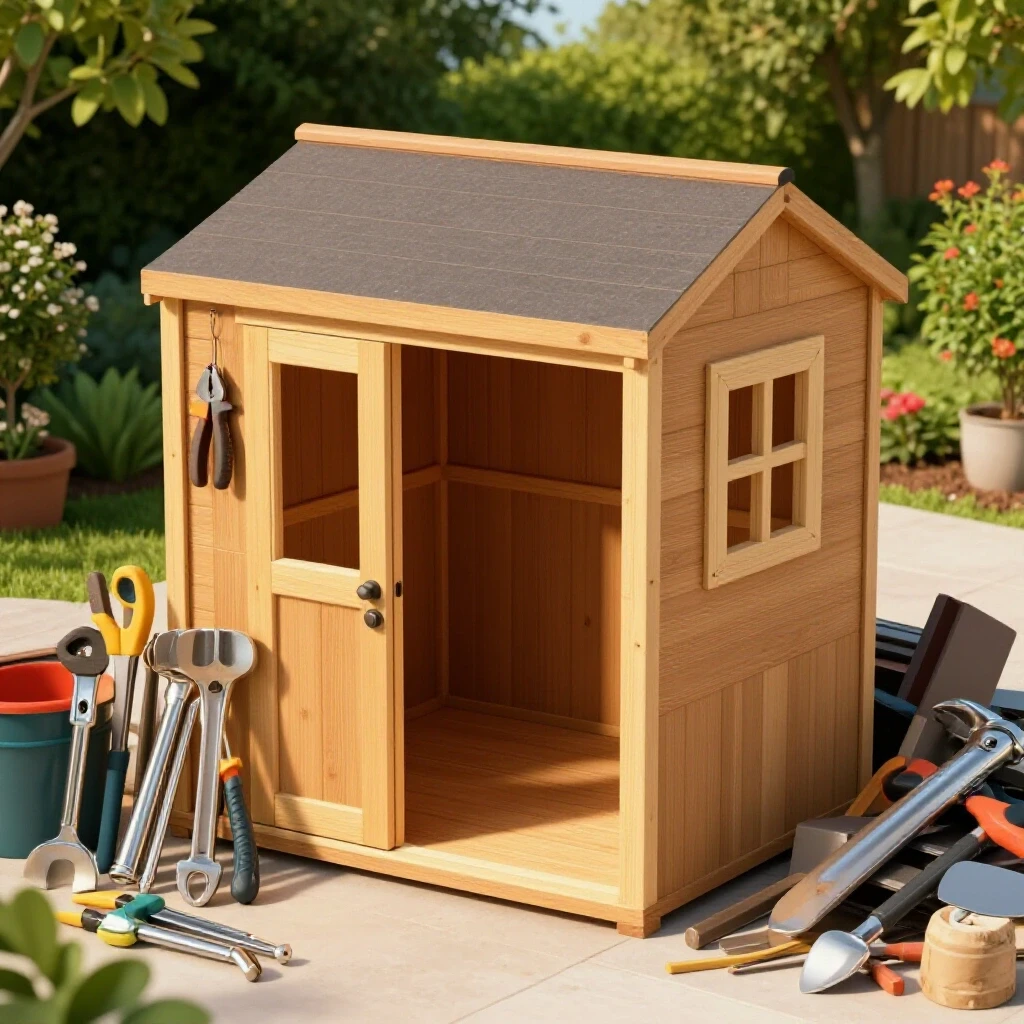
One of the best things I did for my household management was creating a “Home Station.” This is a single drawer or cabinet that holds the home log, a basic toolkit, and a folder for appliance manuals. When a faucet starts dripping, I don’t have to hunt for a wrench or the manual; I go to the station. This organization reduces the “decision paralysis” that often happens when a small problem arises.
Low-Cost Decor and Craft Techniques
Styling your home doesn’t require a massive renovation. Simple DIY crafts can help you claim ownership of the space and make it feel finished. I found that painting old outlet covers to match the walls or adding simple floating shelves for organization made a huge difference in my comfort level. These small wins build the confidence needed for larger projects later on.
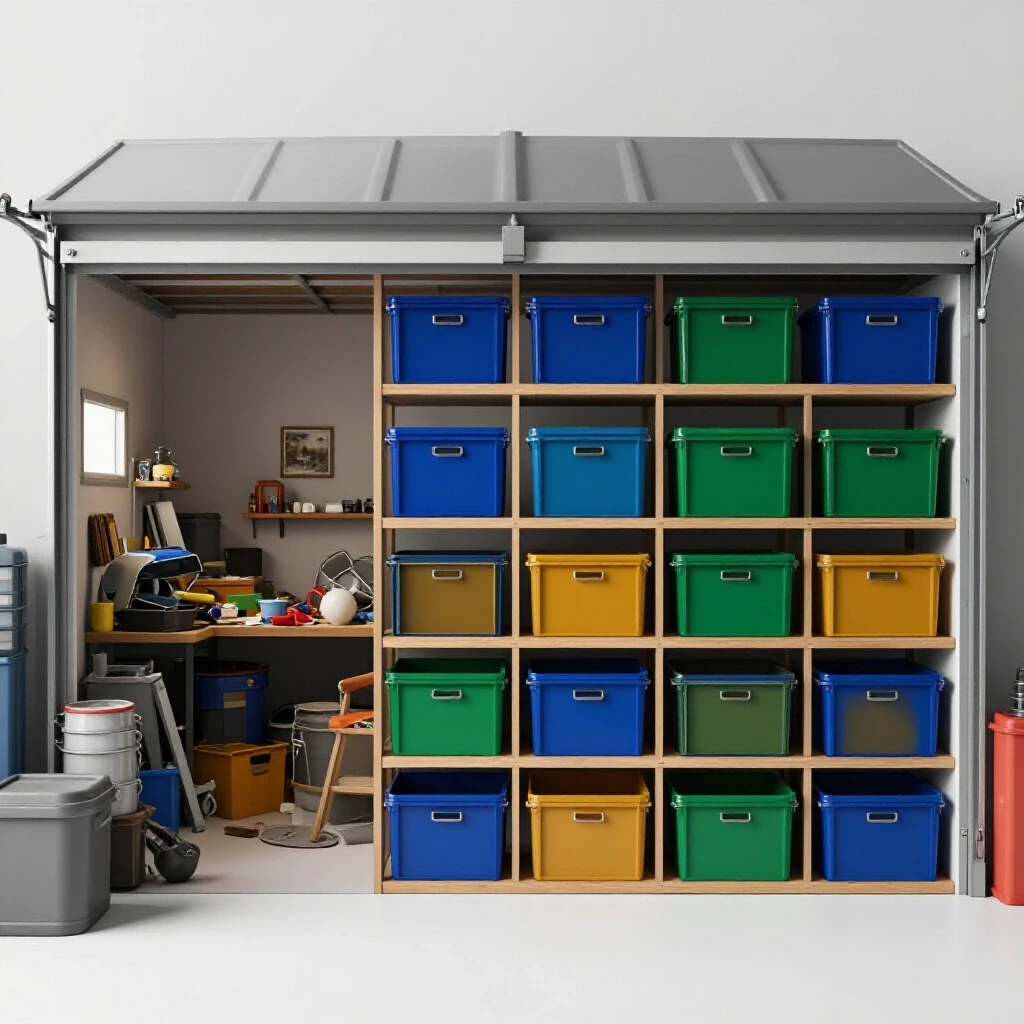
- Uniform Storage: Use matching bins in the pantry or garage to reduce visual clutter.
- Labeling: Use a label maker for breaker boxes and shut-off valves.
- Lighting: Swap out harsh bulbs for warm LEDs to change the mood of a room instantly.
- Textiles: Use rugs and curtains to dampen sound, which makes a home feel more solid and calm.
Strategic DIY and Project Prioritization
Not every project is worth your time or effort. Learning to distinguish between what you should do yourself and what requires a professional is a vital skill for any new homeowner. This balance keeps you from burning out on a never-ending list of “to-dos.”
The DIY vs. Professional ROI
I use a simple rule: if a mistake could lead to a flood, a fire, or a fall, I call a professional. For everything else, I try to learn. In my second home, I spent a weekend learning how to tile a backsplash. It took me twice as long as a pro, but the cost savings were significant, and the sense of accomplishment reduced my anxiety about future repairs.
- DIY Friendly: Interior painting, changing light fixtures, installing shelving, basic landscaping, and minor caulking.
- Pro Recommended: Electrical panel work, gas line repairs, structural wall removal, and complex roofing.
Managing Project Fatigue
It is easy to get caught in a cycle of “house guilt,” where you feel like you should always be working on something. I have learned to limit myself to one major project per quarter. This allows me to live in and enjoy the home between tasks. According to home inspection standards, most homes only need about 10 to 15 hours of active maintenance per month. If you are spending every weekend on repairs, you may be over-extending yourself or ignoring the need for professional help.
Preventing Mechanical Failures Through Routine Care
Most major appliance failures are not sudden; they are the result of years of neglected maintenance. By understanding the “why” behind mechanical care, you can prevent the most common causes of homeowner overwhelm.
Why HVAC Maintenance Saves Thousands
Your heating and cooling system is the lungs of your home. If the filters are clogged, the system works harder, uses more energy, and burns out faster. I once ignored a whistling sound in my furnace for a month, which turned a $50 part replacement into a $600 emergency repair. Now, I perform a simple “Step-by-Step Inspection” every six months:
- Check the Filter: If you can’t see light through it, replace it.
- Clean the Condenser: Spray off the outdoor unit to remove dirt and leaves.
- Clear the Drain Line: Ensure the condensation line isn’t backed up with algae.
- Listen and Smell: Note any new clicks, bangs, or burning smells immediately.
Hydrological Mitigation: Keeping Water Out
Water is the primary enemy of any structure. My logs show that the most expensive repairs I’ve faced were all related to water—a leaky pipe under a sink and a basement window well that didn’t drain. Modern diagnostic tools, like inexpensive moisture meters or smart water leak sensors, can alert you to a problem before it becomes a disaster. These tools provide a “set it and forget it” layer of protection that significantly reduces daily worry.
Building a Sustainable Home Budgeting Diary
While I won’t dive into mortgage specifics, managing the operational costs of a home is essential for long-term stability. A “Budgeting Diary” tracks what you actually spend on utilities, supplies, and repairs compared to national benchmarks.
The 1% to 3% Maintenance Rule
A common industry benchmark is to set aside 1% to 3% of your home’s value each year for maintenance. For a $300,000 home, that is $3,000 to $9,000. In my experience, older homes (30+ years) consistently hit the 3% mark, while newer builds may stay closer to 1%. Having this “maintenance reserve” ready means that when the dishwasher finally quits, it’s a scheduled replacement rather than a financial crisis.
Utility Benchmarks and Energy Audits
I track my utility costs per square foot to spot inefficiencies. If my heating bill jumps 20% compared to the previous year’s weather-adjusted data, I know I have a draft or a failing seal. Performing a basic DIY energy audit—checking for drafts around doors and adding insulation to attic hatches—can reduce monthly operational costs by 10% to 15%. This creates a more sustainable and comfortable environment.
| Home Age | Avg. Maintenance Cost (Annual) | Common Focus Areas |
|---|---|---|
| 0–5 Years | 1% of Home Value | Landscaping, Paint Touch-ups |
| 6–15 Years | 1.5% of Home Value | Appliance Replacement, HVAC |
| 16–30 Years | 2% of Home Value | Roofing, Water Heater, Windows |
| 31+ Years | 3% of Home Value | Plumbing, Electrical, Siding |
Conclusion: Taking the First Step Toward a Calmer Home
The transition into homeownership is a marathon, not a sprint. The feeling of being overwhelmed often stems from the belief that you must have everything figured out by the first anniversary. My 14-year journey has taught me that the most successful homeowners aren’t the ones with the newest houses, but the ones with the best systems.
Start small. This weekend, create your “Home Station.” Buy a simple notebook or start a digital folder. Walk through your home and write down the age of your major appliances. This simple act of documentation moves you from a place of uncertainty to a place of control. By establishing these routines and accepting the learning curve, you can stop just “owning” a house and start truly living in your home.
Frequently Asked Questions
What is the most important tool for a new homeowner to own?
Beyond a basic hammer and screwdriver, a non-contact voltage tester and a moisture meter are essential. These tools allow you to safely check if a wire is live or if a wall is damp before you start a project. They provide data that removes the guesswork from maintenance.
How do I know if a crack in my wall is a major structural issue?
Small, vertical hairline cracks are often just the house settling. However, horizontal cracks or cracks wider than a quarter-inch that appear over doors and windows can indicate foundation movement. If you can fit a coin in the crack, it is time to call a structural engineer for an evaluation.
How often should I actually clean my gutters?
In most climates, twice a year—late spring and late fall—is sufficient. However, if your home is surrounded by pine trees or large oaks, you may need to do it quarterly. Clogged gutters are the leading cause of basement leaks and foundation erosion, so this is a high-priority task.
Is it worth it to buy “smart” home appliances for maintenance?
Smart tools are most useful when they prevent disasters. Smart leak detectors under sinks or near water heaters are highly recommended because they can shut off the water automatically. Smart thermostats are also helpful for monitoring HVAC health by tracking how long the system runs to reach a set temperature.
How do I prioritize my “to-do” list when everything feels urgent?
Use the “Safety, Structure, Style” hierarchy. First, fix anything that is a safety hazard (exposed wires, trip hazards). Second, address things that protect the structure (roof leaks, gutter issues). Finally, move on to style and cosmetic projects. This ensures your time and money are spent on the most critical items first.
What should I do if I feel completely burnt out by home projects?
Stop all non-essential work for 30 days. Focus only on “operational” tasks like taking out the trash or basic cleaning. Homeowner fatigue is real, and taking a break helps you regain perspective. Remember that a home is a place to live, not just a list of chores.
How can I lower my utility bills without a major renovation?
Check the “thermal envelope” of your home. Use weatherstripping on doors and caulk around window frames. Adding an insulated blanket to your water heater and switching to LED bulbs are low-cost steps that provide immediate returns on your monthly expenses.
Should I keep paper manuals for all my appliances?
While you can find most manuals online, keeping a physical or digital copy of the specific model and serial number is vital. This information is necessary for ordering the correct replacement parts or checking for manufacturer recalls. A dedicated folder in your “Home Station” is the best place for these.
What is the best way to find a reliable contractor?
Start by asking neighbors for recommendations, as they likely have homes built with similar materials and systems. Always check for a license and insurance, and look for contractors who specialize in “repair and maintenance” rather than just large-scale renovations for smaller tasks.
How do I prepare my home for a long vacation?
Shut off the main water valve to prevent leaks while you are away. Set your thermostat to a “hold” temperature (around 55°F in winter or 78°F in summer). Unplug non-essential electronics to prevent power surge damage and save on “phantom” energy costs.
(This article was written by one of our staff writers, Michael Morrison. Visit our Meet the Team page to learn more about the author and their expertise.)