Renovation Budget vs Reality: How Homeowners Can Stay on Track (Guide)

Focusing on family was the main reason I bought my first house fourteen years ago. I wanted a yard for the kids and a place where we could finally put down roots. Like many of you, I spent months scrolling through listings and calculating mortgage payments. I thought I had a solid handle on what it would cost to turn a house into a home. However, my personal logs from that first year tell a different story. I quickly learned that the numbers on a closing statement are just the beginning of the journey.
Through three different homes and over a decade of tracking every nail, utility bill, and repair, I have seen a clear pattern. There is often a wide gap between what we expect to spend and what the house actually demands. This guide is built from my own household budgeting diary and years of analyzing residential data. My goal is to help you navigate the early years of homeownership without the constant fear of the unknown. We will look at the true costs of maintaining a property and how to plan for the updates you want while managing the repairs you need.
Understanding the Financial Gap in Home Ownership
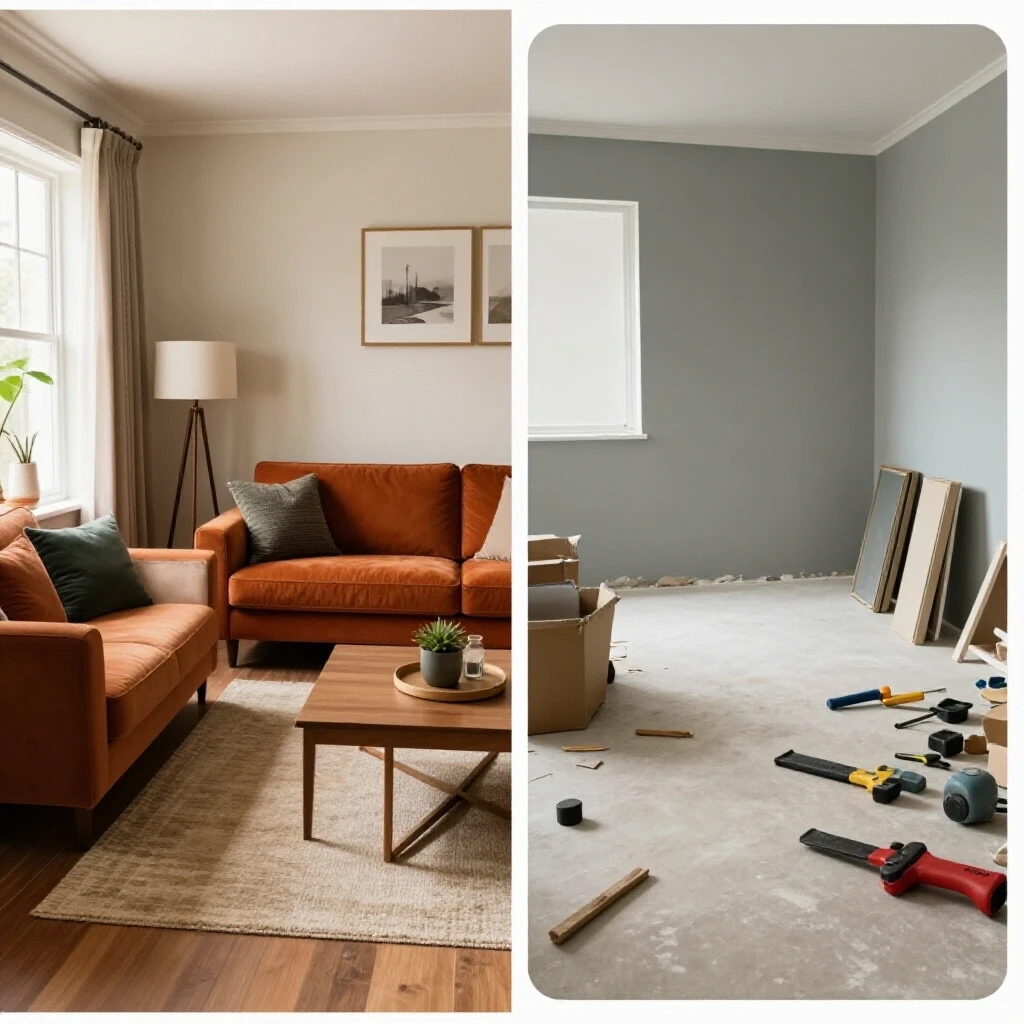
This concept refers to the difference between the initial cost estimates a buyer makes and the actual expenses incurred during the first few years of living in a home. It covers everything from unexpected repairs to the rising costs of basic materials and labor for small home improvements.
When I bought my first 1940s bungalow, I thought a $2,000 “emergency fund” was plenty. Within six months, a sewer line backed up and a water heater failed. According to the U.S. Census Bureau’s American Housing Survey, recent homebuyers often spend significantly more on improvements and repairs in the first two years than long-term owners. This is because we are often playing catch-up with maintenance that the previous owner deferred.
To stay ahead, I recommend the 1% to 3% rule. This means you should set aside 1% to 3% of your home’s purchase price every year for maintenance. If you bought a home for $400,000, you should aim to save between $4,000 and $12,000 annually. Newer homes usually sit at the 1% mark, while older homes or those with aging systems require the full 3%.
- 1% Rule: Best for homes under 10 years old with modern systems.
- 2% Rule: Ideal for homes 10 to 30 years old needing mid-life repairs.
- 3% Rule: Essential for historic homes or properties with visible wear.
Establishing a Realistic Household Budgeting Diary
A household budgeting diary is a detailed record of all home-related spending, including utilities, small hardware runs, and major system repairs. It serves as a historical document that helps homeowners predict future costs and identify where their money is actually going each month.
I started my first log in a simple spiral notebook. Today, I use a spreadsheet, but the goal remains the same: track every cent. Interestingly, my logs showed that “small” trips to the hardware store for light bulbs, filters, and paint added up to over $150 a month. These are the homeownership realities that rarely show up in a pre-purchase calculator.
Building a sustainable home maintenance guide starts with knowing your baseline. In my second home, a 1990s build, I noticed my water bill spiked every July. By looking at my diary, I realized the irrigation system had a small leak I hadn’t noticed. Without that data, I would have just assumed water was getting more expensive.
- Track fixed costs: Mortgage, insurance, and property taxes.
- Track variable costs: Electricity, water, gas, and trash pickup.
- Track maintenance: Every air filter, lawn bag, and tool purchase.
Why Early HVAC Maintenance Saves Thousands
Preventative mechanical care involves the regular inspection and servicing of major home systems like heating, ventilation, and air conditioning to ensure they run efficiently. This proactive approach helps extend the life of the equipment and prevents the high costs associated with emergency system failures.
In my third year of homeownership, my AC unit died on a 95-degree Sunday. The emergency repair cost me double the standard rate. As a result, I learned that a $150 annual tune-up is much cheaper than a $6,000 replacement. HUD reports suggest that properly maintained systems can last 20% to 30% longer than neglected ones.
| System Component | Expected Lifespan | Replacement Cost (Average) | Annual Maintenance Task |
|---|---|---|---|
| Central AC | 12-15 Years | $5,000 – $8,000 | Clean coils & check coolant |
| Gas Furnace | 15-20 Years | $3,000 – $6,000 | Inspect heat exchanger |
| Water Heater | 8-12 Years | $1,200 – $2,500 | Flush sediment annually |
| Roof (Shingle) | 20-25 Years | $10,000 – $18,000 | Clear debris & check flashing |
Building on this, you can perform some of this care yourself. Changing your furnace filter every 90 days is the simplest way to protect your HVAC system. In my experience, using a smart home app to set reminders ensures these tasks don’t fall through the cracks when life gets busy.
The Truth About DIY Home Care and Project Planning
DIY home care involves tackling home improvements or repairs yourself rather than hiring a professional. It requires a balance between the desire to save money and the reality of the time, tools, and skills needed to complete a project safely and effectively.
We have all seen the videos where a room is transformed in thirty seconds. In reality, my first attempt at tiling a small backsplash took three weekends and four trips to the store. When planning updates, I now use the “Rule of Three”: it will likely take three times as long and cost 30% more than your initial estimate.
Before you start a project, ask yourself if you have the “Big Three”: the tools, the time, and the tolerance for a mess. If you are a young professional with a 50-hour work week, spending your only free time sanding floors might lead to homeowner burnout. Sometimes, paying a pro is the better investment for your mental health.
- High ROI DIY: Painting, basic landscaping, swapping cabinet hardware.
- Low ROI DIY: Refinishing hardwood floors, complex carpentry, tree removal.
- Safety First: Always hire pros for main electrical panels or structural wall removals.
Strategic Prioritization for Home Updates
Strategic prioritization is the process of deciding which home projects to tackle first based on their impact on safety, structural integrity, and long-term value. It helps homeowners move away from cosmetic wants and toward essential needs to protect their investment.
When I moved into my second home, I wanted to gut the kitchen. However, a home inspection showed the grading around the foundation was causing water to pool in the crawlspace. I had to choose between new granite counters or a dry foundation. I chose the foundation. It wasn’t exciting, but it protected the home’s structural integrity.
A common rookie mistake is spending the entire renovation budget on “the pretty stuff” before ensuring the “bones” are good. I recommend a “Bottom-Up” approach: fix the basement/foundation, then the roof/envelope, then the mechanicals, and finally the cosmetics. This ensures you aren’t putting a $10,000 kitchen under a $500 leaky roof.
Essential Home Toolkits for New Owners
An essential toolkit is a curated collection of high-quality manual and power tools that allow a homeowner to perform basic repairs and maintenance. Having the right tools on hand prevents small issues from turning into expensive professional service calls.
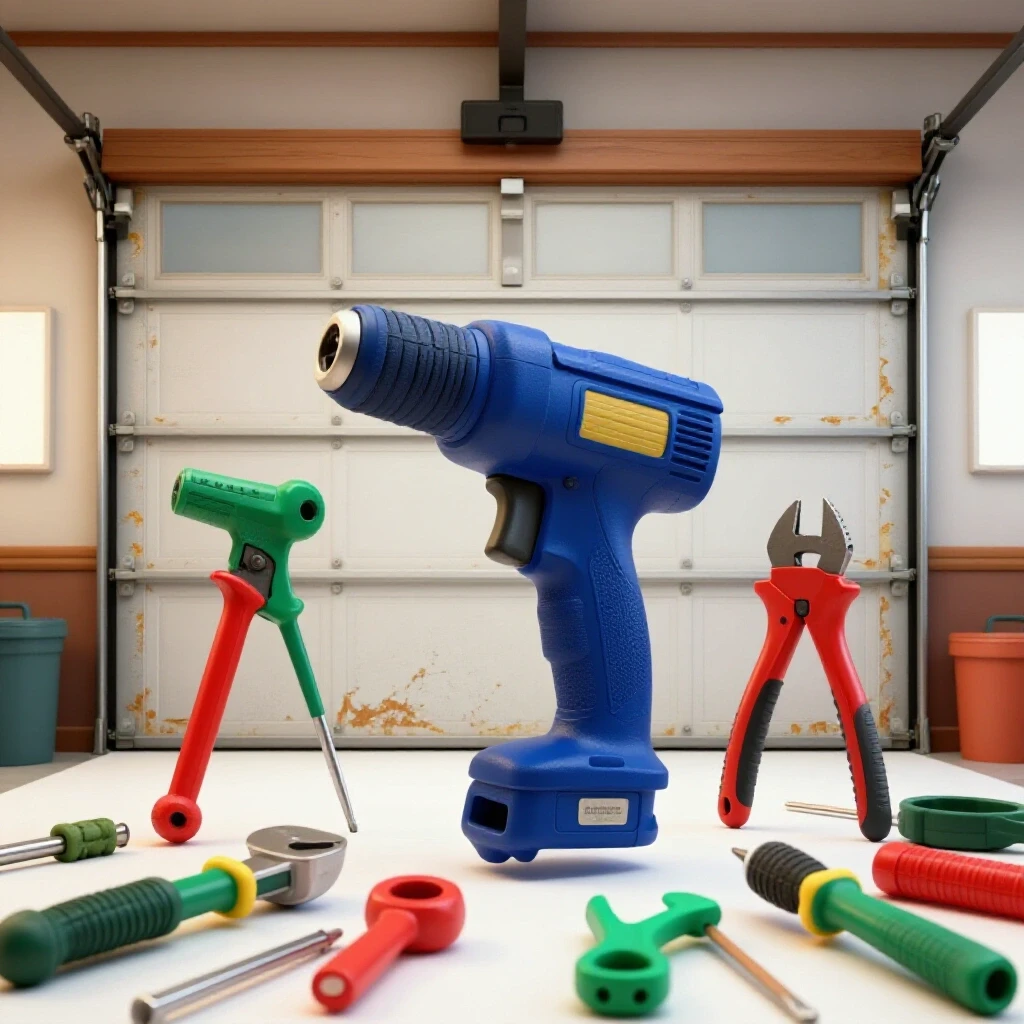
You don’t need a garage full of power tools on day one. In fact, buying cheap tool sets often leads to broken parts and frustration. I’ve found that building a kit slowly is more effective. Start with a high-quality 16-ounce hammer, a set of screwdrivers, and a reliable cordless drill.
- Measuring Tape: A 25-foot locking tape is the gold standard.
- Level: Essential for hanging shelves or checking if your appliances are straight.
- Utility Knife: Used for everything from opening boxes to trimming carpet.
- Stud Finder: Prevents you from putting holes in your drywall where there is no support.
- Adjustable Wrench: For tightening loose bolts on furniture or plumbing fixtures.
Managing Energy Audits and Sustainable Home Systems
Energy audits are professional or self-guided assessments of a home’s energy use and efficiency. They identify where heat or cooled air is escaping, helping homeowners lower utility bills and create a more comfortable living environment through better insulation and sealing.
My third home felt drafty every winter. I performed a basic energy audit by walking around with an incense stick on a windy day. Wherever the smoke wavered near a window or outlet, I knew I had a leak. According to the EPA, sealing air leaks and adding insulation can save homeowners an average of 15% on heating and cooling costs.
Modern sustainable home systems, like smart thermostats and LED lighting, are low-hanging fruit. I saw a 10% drop in my electric bill just by switching to a programmable thermostat that lowers the temp when we are at work. These small changes help bridge the gap between a high utility budget and actual monthly savings.
- Check weatherstripping: Replace worn seals around doors.
- Insulate outlets: Use foam gaskets behind outlet covers on exterior walls.
- LED transition: Replace bulbs as they burn out to lower heat output and energy draw.
Long-Term Asset Protection and Structural Integrity
Asset protection in homeownership involves the ongoing tasks required to keep the home’s structure and major systems in peak condition. This prevents depreciation and ensures the home remains a valuable financial asset when it comes time to sell.
The U.S. Census Bureau notes that the average homeowner stays in their home for about 13 years. Over that time, small issues like a clogged gutter can lead to massive problems like a rotted fascia board or a cracked foundation. I make it a point to walk around the exterior of my house every season to look for changes.
Hydrological mitigation—or keeping water away from the house—is your most important job. I once ignored a downspout that had fallen off. Two months later, I had a mold issue in my basement. Now, I ensure my gutters are clear and my downspouts carry water at least six feet away from the foundation.
Overcoming Homeowner Fatigue and Decision Paralysis
Homeowner fatigue is the emotional and physical exhaustion that comes from the constant demands of maintaining and improving a property. It often manifests as a feeling of being overwhelmed by the endless “to-do” list, leading to a total halt in progress.
I have felt this many times. You finish one project, and two more appear. To combat this, I use a “One Room, One Project” rule. I focus on one specific task until it is 100% done before moving to the next. This provides a sense of accomplishment and prevents the house from feeling like a permanent construction zone.
Remember that a home is a marathon, not a sprint. It took me 14 years to feel like I truly understood my homes. It is okay to live with a dated bathroom or an old carpet for a few years while you build up your maintenance reserve. Your home should serve your life, not the other way around.
Actionable Tracking Framework for the First Year
To help you manage the transition, I’ve developed a simple schedule based on my 14 years of logs. This framework focuses on the most critical tasks that protect your budget and your sanity during those first twelve months.
- Month 1: Locate your main water shut-off and electrical panel. Label every breaker clearly.
- Month 3: Change all HVAC filters and test smoke/carbon monoxide detectors.
- Month 6: Clean your gutters and check the exterior for any signs of pests or wood rot.
- Month 9: Flush your water heater to remove sediment and check the pressure relief valve.
- Month 12: Review your household budgeting diary. Compare your actual spending to your initial estimates.
By following this plan, you move from being a reactive homeowner to a proactive one. You will start to see patterns in your home’s behavior, which reduces the anxiety of the “unexpected.”
Frequently Asked Questions
How much should I really save for home repairs every month? Most experts and my own data suggest the 1% rule as a baseline. For a $300,000 home, aim for $250 per month. If your home is older than 30 years, try to double that. This fund should be separate from your general emergency savings to ensure it’s available when a major system like the HVAC needs attention.
What are the most common hidden costs for new homeowners? Beyond the mortgage, the biggest surprises are often property tax increases after a sale, higher utility bills for a larger space, and “settling in” costs like window treatments and lawn equipment. I found that my first-year “hidden” costs were roughly 15% of my annual mortgage total.
Is it always cheaper to DIY a home project? Not necessarily. While you save on labor, you must buy or rent tools and materials at retail prices. If you make a mistake, fixing it can cost more than the original professional quote. I usually DIY cosmetic tasks but hire pros for anything involving high-voltage electricity or major plumbing.
How do I know if my HVAC system needs a professional tune-up? If you notice uneven cooling, strange noises, or a sudden spike in your electric bill, it’s time to call a pro. I schedule mine every spring before the heavy heat hits. This prevents emergency calls which can cost 50% to 100% more than a scheduled visit.
What is the best way to track home maintenance tasks? A digital home log or a simple spreadsheet is best. Include the date of the service, the cost, and the contact info for any contractor you used. This history is incredibly valuable when you eventually sell the home, as it proves you were a responsible owner.
How often should I check my home’s structural integrity? A full professional inspection isn’t needed every year, but you should do a personal “walk-around” every spring and fall. Look for cracks in the foundation, sagging rooflines, or soft spots in the siding. Catching these early can save you tens of thousands of dollars in major structural repairs.
What are the signs of homeowner burnout? If you find yourself ignoring necessary repairs, feeling angry at your house, or feeling paralyzed by the number of choices for a simple update, you are likely burned out. The best fix is to take a “maintenance break” where you do nothing but the absolute essentials for a month.
Should I prioritize energy efficiency or cosmetic updates? Energy efficiency usually has a better long-term return. Sealing air leaks or upgrading insulation will lower your monthly bills, leaving more money in your budget for cosmetic updates later. A beautiful kitchen is hard to enjoy if the house is freezing and the heating bill is $400.
How do I handle a major system failure in my first year? First, don’t panic. Get at least three quotes from reputable local contractors. Check your home inspection report to see if the failure was noted as a possibility. If you have been following the 1% savings rule, this is exactly what that fund is for.
What tools should I buy first as a new homeowner? Start with a high-quality cordless drill, a 25-foot tape measure, a level, and a basic set of hand tools (hammer, screwdrivers, pliers). These will get you through 90% of basic tasks like hanging curtains, assembling furniture, and changing light fixtures.
How can I lower my monthly utility costs quickly? The fastest ways are installing a smart thermostat, switching all bulbs to LEDs, and lowering the temperature on your water heater to 120 degrees. These three steps cost very little but can show a noticeable difference on your next bill.
Is a home warranty worth it for new owners? It depends on the age of your appliances. If your home has 15-year-old systems, a warranty might provide peace of mind for the first year. However, read the fine print carefully, as many have high service fees and exclusions that can make them less valuable than a dedicated savings account.
(This article was written by one of our staff writers, Michael Morrison. Visit our Meet the Team page to learn more about the author and their expertise.)