What to Expect When Making Your First Mortgage Payment (Guide)

The moment you finally hold the keys to your own front door is the exact moment you realize you no longer have anyone to call when the basement floods. It is a strange blend of absolute freedom and total accountability that only truly sinks in once the first monthly housing bill is settled. For many, this transition marks the end of the “honeymoon phase” and the beginning of a long-term commitment to property stewardship.
In my 14 years of owning three different homes, I have tracked every repair, utility bill, and weekend project in detailed logs. I remember the specific weight of that first monthly payment on my first home in 2010. It wasn’t just a line item in my budget; it was the moment I stopped being a guest and started being a caretaker. This shift in mindset changes how you look at a flickering light or a patch of brown grass. It moves you from passive observation to active management.

Navigating the Psychological Transition to Property Ownership
This phase involves a significant shift in how you perceive your living environment and your financial responsibilities. It is the period where you move from the excitement of the purchase to the reality of daily maintenance and long-term personalization. Understanding this change helps you prioritize projects and manage the stress of new responsibilities.
The Shift Toward Intentional Living
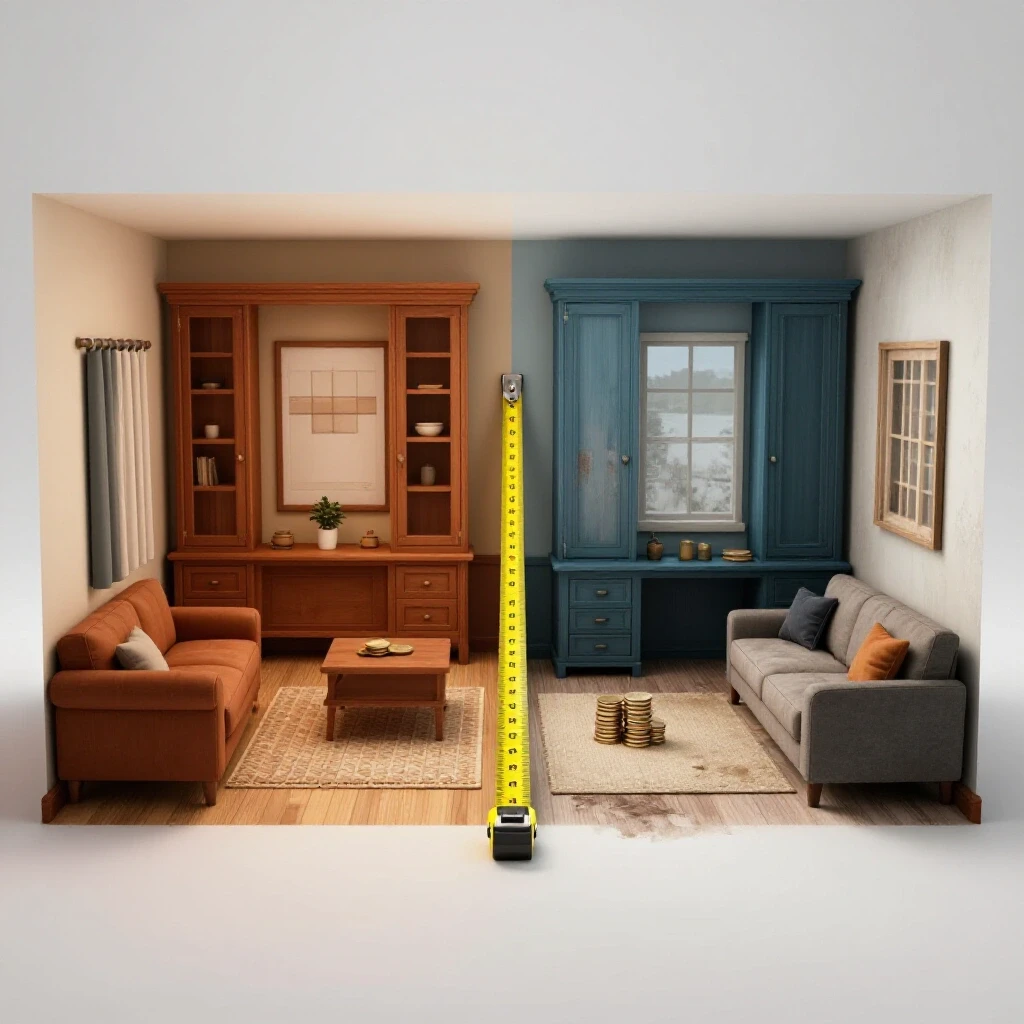
After the initial monthly payment clears, most homeowners feel a new urge to make the space truly theirs. In my first home, I spent weeks agonized over paint colors that I would have ignored as a renter. This intentionality is a natural response to the long-term nature of your commitment. According to the U.S. Census Bureau’s American Housing Survey, new homeowners spend significantly more on home improvements in the first two years than at any other time.
Prioritizing Personalization and Comfort
When you own the walls, your perspective on decor and layout changes from “temporary fix” to “permanent solution.” You might find yourself researching the best way to hang heavy shelves or looking for high-quality light fixtures. This is the time to focus on small changes that improve your daily life without breaking the bank. I found that upgrading the showerhead and installing smart thermostats were the most rewarding early changes I made.
Establishing a Realistic Household Budgeting Diary
A household budget for a homeowner must account for more than just the monthly bank draft and utilities. It requires a dedicated fund for routine maintenance and the inevitable failure of major home systems. By tracking these costs early, you can avoid the “sticker shock” that often follows a major appliance breakdown.
The 1% to 3% Maintenance Rule
A standard benchmark for home upkeep is to save 1% to 3% of your home’s purchase price every year for maintenance. If your home cost $300,000, you should aim to set aside $3,000 to $9,000 annually. In my second home, a 1970s ranch, I hit the 3% mark quickly due to aging plumbing. Newer homes may only require 1% for several years, but the fund should always be growing.
| Home Age | Annual Maintenance Reserve | Primary Focus Areas |
|---|---|---|
| 0–5 Years | 1% of Home Value | Landscaping, Filter Changes, Minor Cosmetic |
| 6–15 Years | 1.5% – 2% of Home Value | Appliance Repair, HVAC Service, Exterior Paint |
| 16–30 Years | 2% – 3% of Home Value | Roof Replacement, Water Heater, Major Systems |
| 30+ Years | 3%+ of Home Value | Structural, Plumbing Overhauls, Electrical Updates |
Tracking Monthly Utility Benchmarks
Utility costs often fluctuate during the first year as you learn how your home handles different seasons. I recommend keeping a log of your square-foot energy costs to identify inefficiencies early. On average, U.S. homeowners spend about $0.10 to $0.15 per square foot on monthly utilities, depending on the climate and fuel sources.
Building an Essential Homeowner Toolkit
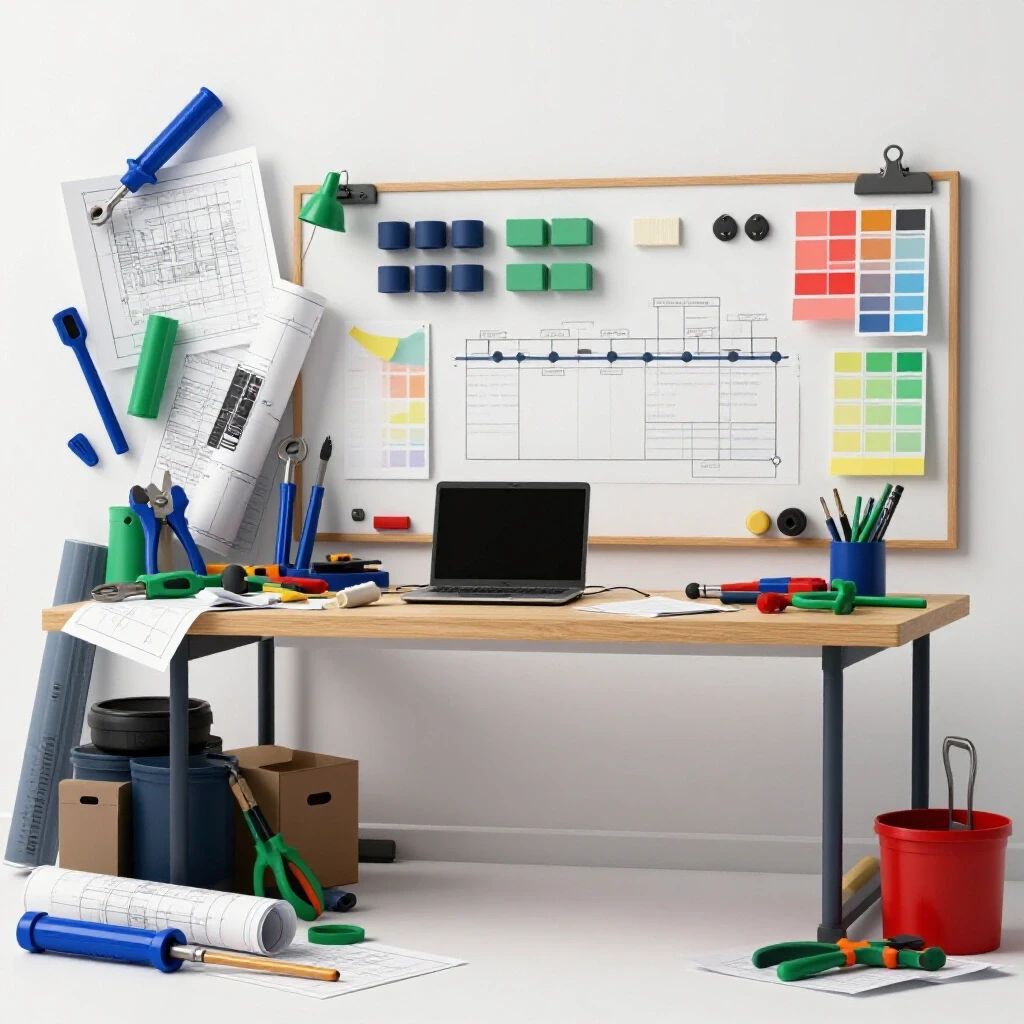
Having the right tools on hand prevents minor issues from becoming expensive emergency calls to a professional. A basic kit allows you to handle small repairs immediately, preserving the integrity of your home’s systems. Investing in quality tools early will save you money and frustration over the next decade.
Must-Have Tools for the First Year
You do not need a garage full of power tools on day one, but a few essentials are non-negotiable. I learned this the hard way when a sink started leaking at 10:00 PM and I didn’t own a basic wrench. Start with a high-quality cordless drill, a set of screwdrivers, a hammer, and a 25-foot tape measure.
- Digital Multimeter: For testing outlets and basic electrical safety.
- Plunger and Auger: Essential for managing minor plumbing blockages.
- Stud Finder: To ensure you are hanging decor safely and securely.
- Infrared Thermometer: Great for finding drafts around windows and doors.
Organizing Your Digital Home Log
A digital home log is a central place to store receipts, warranties, and paint codes. I use a simple spreadsheet, but many homeowners prefer dedicated apps. Having a record of when you last changed your furnace filter or flushed your water heater is invaluable for long-term care.
- System Inventory: List the make, model, and serial number of every major appliance.
- Service History: Record dates and contact info for any professional work done.
- Warranty Tracker: Note expiration dates for your roof, windows, and appliances.
- Paint and Material Log: Save the exact brand and color of every paint used in the house.
Strategic DIY Prioritization and Professional ROI
Deciding when to fix something yourself and when to hire a pro is one of the most important skills a new owner can learn. Taking on projects beyond your skill level can lead to costly mistakes and safety hazards. However, mastering simple tasks can save thousands of dollars over the life of your home.
Evaluating DIY vs. Professional Costs
For most homeowners, “sweat equity” is a point of pride, but your time has a specific value. I generally DIY tasks that involve cosmetic changes or simple mechanical parts. I hire professionals for anything involving gas lines, structural changes, or complex electrical panels.
| Task | Estimated DIY Cost | Estimated Pro Cost | Time Investment | Skill Level |
|---|---|---|---|---|
| Interior Painting (Room) | $50 – $100 | $400 – $800 | 1 – 2 Days | Beginner |
| Replacing a Faucet | $100 – $300 | $250 – $500 | 2 – 4 Hours | Intermediate |
| HVAC Annual Tune-Up | $20 (Filters) | $150 – $300 | 1 Hour | Professional |
| Installing Luxury Vinyl Plank | $2 – $4 /sqft | $8 – $12 /sqft | 3 – 5 Days | Intermediate |
Avoiding the “Rookie Mistake” of Over-Renovating
One common trap is trying to change everything at once during the first year. In my third home, I waited six months before making any major changes. This allowed me to see how the natural light hit each room and how we actually used the space. Rushing into renovations can lead to choices you might regret once you understand the home’s quirks.
Preventative Mechanical Maintenance and System Care
Proactive care for your home’s mechanical systems is the most effective way to prevent catastrophic failures. Most major systems, like your HVAC or water heater, give subtle warning signs before they stop working. Learning to recognize these signs can save you from an expensive emergency replacement.
Why Early HVAC Maintenance Saves Thousands
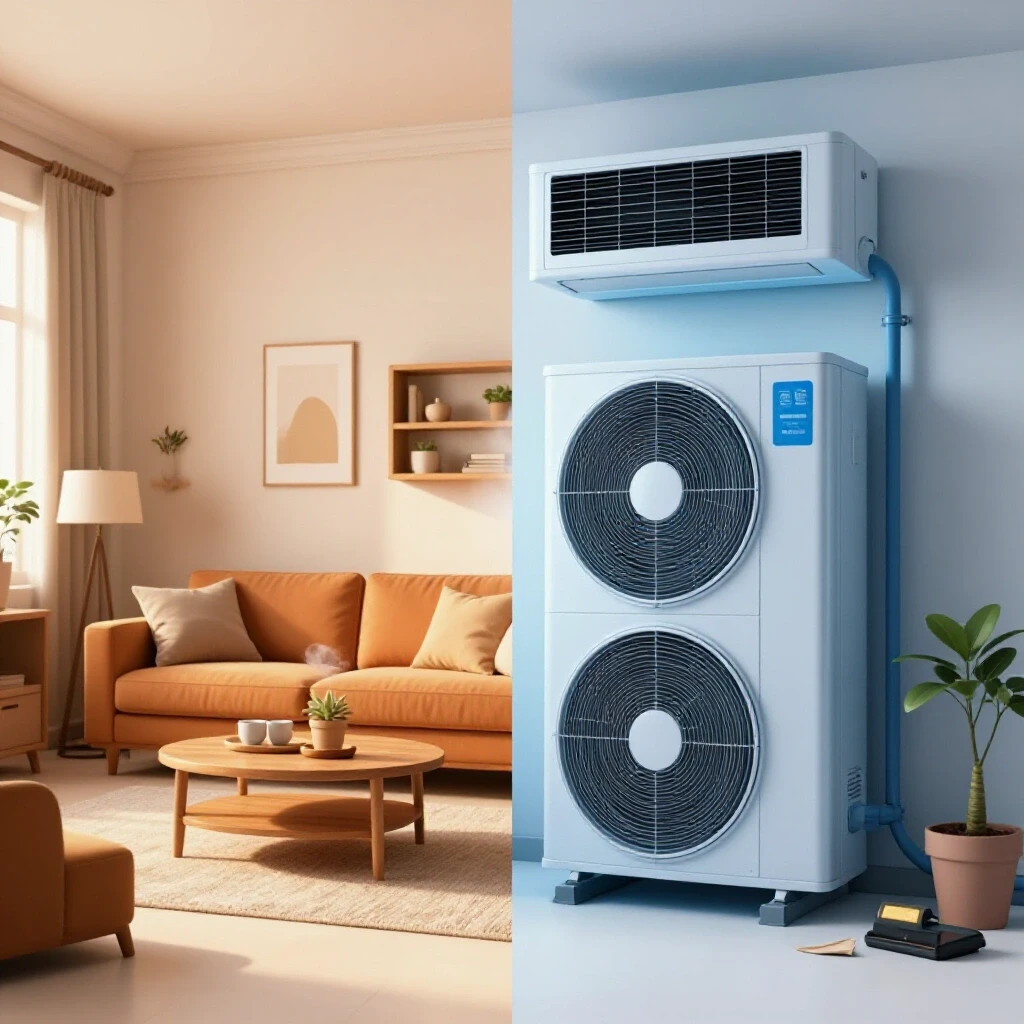
Your heating and cooling system is likely the most expensive machine in your home. Simple tasks like changing filters every 90 days can extend the unit’s life by years. According to HUD reports, poorly maintained HVAC systems are a leading cause of unexpected repair costs for new owners.
- Filter Checks: Inspect your air filters monthly; replace them if they look grey or dusty.
- Clear the Perimeter: Ensure the outdoor condenser unit is free of leaves and debris.
- Listen for Noises: Banging, whistling, or grinding sounds often indicate a failing motor or loose belt.
- Check the Drain Line: Ensure the condensate line is dripping properly to avoid indoor water damage.
Monitoring the Hydrological Health of Your Home
Water is the primary enemy of structural integrity. From leaky faucets to poor yard drainage, managing how water enters and leaves your property is vital. I always walk around my house during a heavy rainstorm to see where the water is pooling.
- Gutter Cleaning: Do this twice a year to prevent basement leaks and foundation damage.
- Sump Pump Testing: Pour a bucket of water into the pit to ensure the pump activates.
- Water Heater Flushing: Drain your tank annually to remove sediment and improve efficiency.
- Toilet Leak Test: Put a few drops of food coloring in the tank; if color appears in the bowl, you have a leak.
Advanced Energy Audits and Structural Asset Protection
Protecting your investment means looking beyond the surface to the “bones” of the house. Energy efficiency and structural stability are the foundations of long-term property value. Simple upgrades in these areas can lower your monthly costs and increase your comfort.
Conducting a DIY Energy Audit
You don’t always need a professional to find where your home is losing money. On a windy day, hold a lit incense stick near windows, doors, and outlets. If the smoke blows sideways, you have an air leak that needs sealing.
- Caulking and Weatherstripping: These are the cheapest ways to lower your energy bills.
- Attic Insulation: Check if your insulation is level with or below the floor joists; you may need more.
- LED Transition: Replacing all incandescent bulbs can save the average homeowner over $200 a year.
- Smart Power Strips: Use these for home theaters and offices to stop “vampire” power draw.
Understanding Appliance Lifespan Horizons
Knowing when your appliances are likely to fail helps you plan your savings. I keep a “replacement horizon” list in my home log so I am never surprised by a dead refrigerator. Most modern appliances have a shorter lifespan than those built thirty years ago.
| Appliance | Expected Lifespan | Warning Signs |
|---|---|---|
| Water Heater | 8 – 12 Years | Rusty water, popping sounds, slow recovery |
| Dishwasher | 9 – 12 Years | Cloudy dishes, leaks, failing to drain |
| Refrigerator | 13 – 15 Years | Excessive frost, loud compressor, warm food |
| Roof (Asphalt) | 20 – 25 Years | Curled shingles, granules in gutters, leaks |
| HVAC System | 15 – 20 Years | Frequent cycling, uneven cooling, high bills |
Managing Homeowner Fatigue and Avoiding Burnout
The constant list of “to-dos” can lead to a state of exhaustion known as homeowner fatigue. It is important to remember that a home is a marathon, not a sprint. You do not have to fix everything in the first year to be a successful homeowner.
Establishing a Sustainable Routine
Break your maintenance tasks into seasonal chunks to avoid feeling overwhelmed. I dedicate one Saturday a month to “Home Care Day.” This prevents tasks from piling up and makes the workload feel manageable.
- Spring: Focus on exterior drainage, roof inspection, and garden prep.
- Summer: Service the AC, check deck/patio safety, and monitor irrigation.
- Fall: Clean gutters, winterize pipes, and check the heating system.
- Winter: Test smoke detectors, clean dryer vents, and organize the home log.
Recognizing Burnout Indicators
If you find yourself resenting your home or ignoring obvious repairs, you might be experiencing burnout. This often happens after a major project or a string of unexpected failures. When this happens, give yourself permission to step back and just live in the house for a few weeks without a project.
Long-Term Asset Preservation and Five-Year Planning
Your home is likely your largest financial asset, and protecting it requires a long-term view. A five-year plan helps you move from reactive repairs to proactive improvements. This strategic approach ensures that your home grows in value while remaining a comfortable place to live.
Creating a Five-Year Improvement Roadmap
Look ahead at the major projects you want to tackle, such as a kitchen refresh or a new deck. Estimate the costs and set a target date for each. This allows you to save specifically for these goals rather than dipping into your emergency maintenance fund.
- Year 1: Focus on safety, efficiency, and basic personalization.
- Year 2: Tackle one medium-sized DIY project (e.g., backsplash or landscaping).
- Year 3: Save for a major mechanical upgrade if needed (e.g., HVAC).
- Year 4: Address large cosmetic updates (e.g., flooring or cabinetry).
- Year 5: Evaluate the exterior (e.g., siding, windows, or roof).
Frequently Asked Questions
How much should I really save for unexpected repairs in my first year? You should aim for at least 1% of your home’s purchase price. However, if your home is more than 20 years old, having an emergency fund of $5,000 to $7,000 is a safer bet. This covers the typical cost of a new water heater or a major HVAC repair.
What are the most common “hidden” costs of owning a home? The most overlooked costs are property tax increases, rising insurance premiums, and yard maintenance. Many new owners also underestimate the cost of basic supplies like light bulbs, filters, and cleaning products, which can add $50 to $100 to your monthly budget.
Is it worth buying a home warranty for the first year? Home warranties can be helpful if your appliances are near the end of their lifespan. However, they often have high service fees and may not cover everything. Read the fine print carefully. I usually prefer to “self-insure” by putting that monthly premium into a dedicated savings account.
How do I know if a crack in the wall is a structural problem? Small, hairline cracks (less than 1/8 inch) are usually just the house settling. However, if a crack is wide enough to fit a coin, runs diagonally, or appears over a door frame, it may indicate a foundation issue. If you are worried, hiring a structural engineer for a few hundred dollars is worth the peace of mind.
What is the most important maintenance task I should never skip? Changing your HVAC filters and cleaning your gutters are the two most important tasks. Failing to do these can lead to thousands of dollars in damage to your furnace, roof, and foundation. They are cheap, easy, and provide the highest return on your time.
How can I lower my utility bills without a major renovation? Start by sealing air leaks with caulk and weatherstripping. Install a programmable thermostat to lower the temperature when you are away. Additionally, lowering your water heater temperature to 120 degrees Fahrenheit can save you significantly on your energy bill.
What tools should I buy first if I have a limited budget? Focus on a high-quality cordless drill and a basic 100-piece tool set that includes a hammer, wrenches, and screwdrivers. These will handle 90% of the small tasks you encounter in your first few months of ownership.
How often should I check my smoke and carbon monoxide detectors? You should test the alarms once a month by pressing the test button. Replace the batteries every six months, even if they aren’t chirping. Most detectors have a lifespan of 10 years, so check the manufacture date on the back of the unit.
Should I try to fix my own plumbing leaks? You can usually handle simple tasks like replacing a faucet or a toilet flapper. However, if the leak is behind a wall or involves your main water line, call a professional. Water damage happens quickly and can lead to mold if not handled correctly.
How do I stay organized with all these new responsibilities? Create a “Home Binder” or a digital folder. Store your inspection report, closing documents, and a calendar for seasonal maintenance. Having everything in one place reduces the mental load and makes it easier to stay on top of your home’s needs.
(This article was written by one of our staff writers, Michael Morrison. Visit our Meet the Team page to learn more about the author and their expertise.)