How Dining Room Usage Changes Over Time (Practical Guide)

The Ghost of Dinners Past: Why Your Most Formal Room Often Becomes Your Most Fluid Space
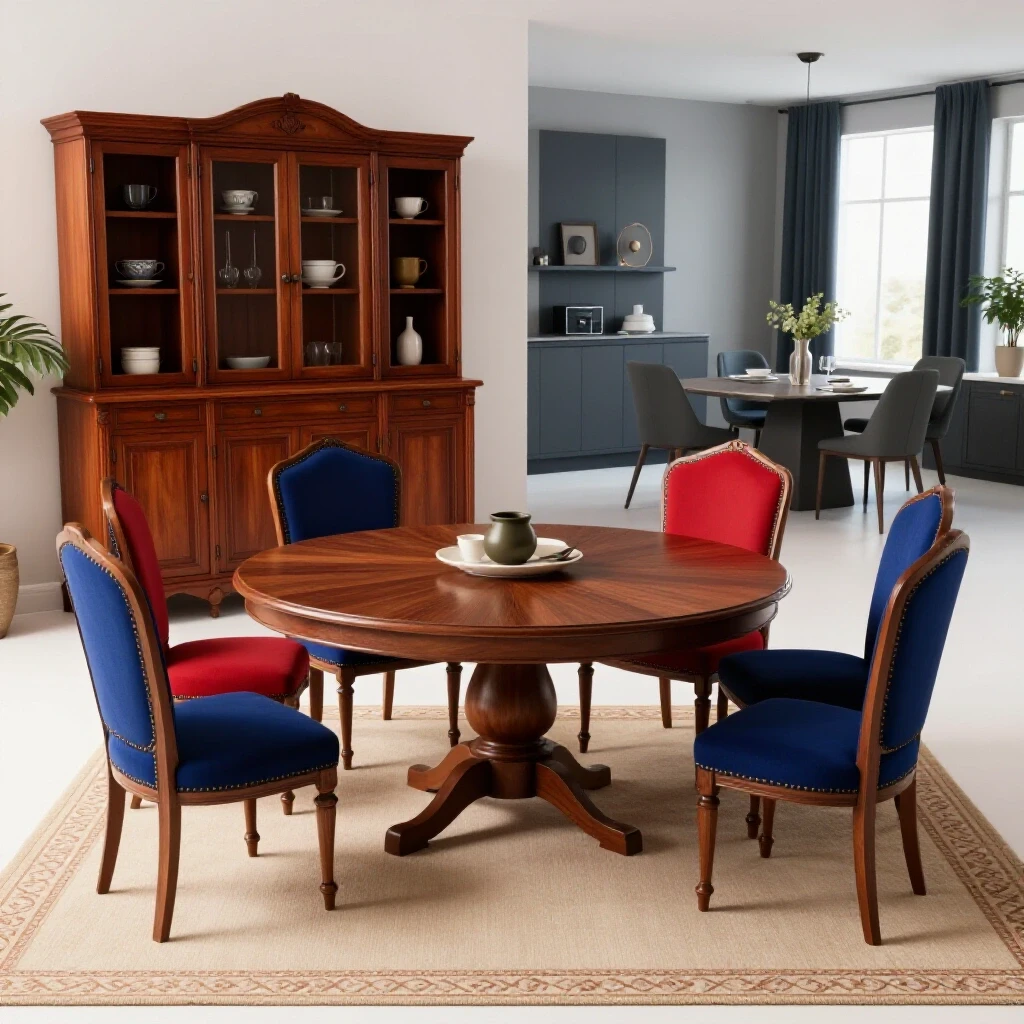
When I closed on my first house fourteen years ago, I had a very specific image of my dining area. I saw holiday hams, candlelit dinners, and sophisticated adult conversations. I spent three months’ savings on a solid oak table that could seat eight people. In reality, that table spent the first two years of its life as a glorified mail sorter and a staging ground for half-finished DIY projects. This gap between expectation and reality is a common hurdle for new homeowners. We often buy for the life we think we should have, rather than the life we actually lead. My personal logs from three different homes show that the way we use our eating spaces shifts dramatically as our careers evolve and our families grow.
The Evolution of the Formal Dining Space
The dining area is often the most underused square footage in a modern home, yet it requires significant emotional and financial investment. Understanding how this space functions over a decade helps you avoid overspending on items you won’t use.
In my first home, the dining room was a “pass-through” zone. It was a formal space I felt I had to “complete” to feel like a real adult. According to U.S. Census Bureau housing surveys, many homeowners in the 25–40 age bracket prioritize these spaces during the initial purchase, only to find they use them less than 5% of the time. My logs show that for the first thirty-six months, my primary dining table was used for actual meals only about four times a month. The rest of the time, it served as a hobby station. Recognizing this early allows you to choose furniture and decor that are durable and modular rather than purely ornamental.
Budgeting for Interior Adaptations and Upkeep
Financial planning for your home should extend beyond the mortgage to include a dedicated fund for interior wear and tear. A standard benchmark is the 1% to 3% rule, where you set aside that percentage of your home’s value annually for maintenance.
When you first move in, your budget is likely tight. You might feel pressured to fill every room immediately. However, the cost of maintaining interior finishes—like hardwood floors under a heavy table or the paint on high-traffic walls—adds up. In my second home, I tracked every cent spent on the dining area. I found that “soft costs,” such as rug cleaning and wall touch-ups, accounted for nearly $400 a year. By planning for these recurring expenses, you avoid the “first-year shock” when a major appliance fails and your “decorating fund” is already empty.
| Expense Category | Annual Maintenance Cost (Est.) | DIY Time Investment | Professional Cost (Est.) |
|---|---|---|---|
| Floor Refinishing/Care | $150 – $300 | 4 – 6 Hours | $800 – $1,500 |
| Wall Paint & Touch-ups | $50 – $100 | 3 – 5 Hours | $400 – $600 |
| Lighting Maintenance | $20 – $50 | 1 Hour | $150 – $250 |
| Furniture Preservation | $40 – $80 | 2 Hours | N/A |
Functional DIY Upgrades for High-Traffic Areas
Small, strategic projects can transform a stagnant room into a functional hub without requiring a massive contractor bill. Focusing on lighting and wall protection can significantly increase the room’s utility.
One of my early mistakes was ignoring the “thermal envelope” and lighting of my dining room. It was drafty and dark, which made me avoid it. I eventually installed a dimmable LED fixture and added weather stripping to the nearby windows. These simple DIY tasks cost less than $200 but changed the room’s atmosphere. If you are balancing a full-time job, these “weekend wins” are essential. They provide a sense of accomplishment without the burnout of a full-scale renovation. Always check local building codes before doing electrical work, but swapping a light fixture is generally a straightforward task for a beginner.
Managing the Spillover Effect of Multi-Use Rooms
The dining room rarely stays contained; its use often bleeds into other parts of your daily routine, affecting your home’s overall flow and cleanliness.
As a real estate analyst, I’ve seen how “lifestyle creep” turns a dining table into a secondary office. In my current home, the dining room serves as my primary workspace from 9:00 AM to 5:00 PM. This “spillover” means the room needs to handle more than just food. It needs power outlets, comfortable seating, and surfaces that won’t scratch when a laptop is dragged across them. HUD reports suggest that homes with flexible, multi-purpose spaces retain their value better because they adapt to the owner’s needs. If your dining room is doubling as an office, consider a rug with a high “rub count” to protect the flooring from chair wheels.
Long-Term Asset Protection for Interior Finishes
Maintaining the structural and aesthetic integrity of your home’s interior is a marathon, not a sprint. Proactive care prevents small scuffs from becoming permanent damage.
I learned the hard way that sunlight is the enemy of fine wood. In my first house, I didn’t use window treatments, and within three years, my expensive oak table had a permanent “sun tan” on one side. This is why I now emphasize “preventative mechanical care” for the whole house. This includes checking the humidity levels in your home. Wood furniture and flooring expand and contract with the seasons. Using a simple hygrometer to keep your home between 30% and 50% humidity can save you thousands in warped wood repairs over a decade.
Appliance and System Lifespan in Gathering Spaces
While the dining room doesn’t have many “appliances,” it is often the center of your home’s HVAC flow and lighting grid.
- LED Bulbs: Expect 15,000 to 25,000 hours. Replacing old incandescents reduces heat output and energy bills.
- HVAC Vents: Should be vacuumed every six months to prevent dust buildup on dining surfaces.
- Window Seals: Typically last 10–15 years. Foggy glass in your dining area indicates a seal failure, which impacts your energy efficiency.
- Hardwood Finishes: May need a “screen and coat” every 5–7 years to maintain the protective layer.
Combating Homeowner Fatigue Through Simple Adjustments
The pressure to have a “perfect” home can lead to burnout, especially in the first three years of ownership. It is okay if your dining room isn’t a masterpiece yet.
Homeowner fatigue is a real metric I’ve tracked in my personal logs. It usually peaks around month eighteen, when the initial excitement wears off and the maintenance list keeps growing. To combat this, I recommend the “one-room-a-year” focus. Instead of trying to perfect the whole house, pick one area—like the dining space—to optimize. This might mean just adding a fresh coat of paint or finally buying the right-sized rug. By narrowing your focus, you manage your mental energy and your bank account more effectively.
Strategic DIY Prioritization for New Homeowners
Not every project is worth your time. Learning to distinguish between a “value-add” DIY and a “time-sink” is a vital skill for any young professional.
- Assess the ROI: Will this project make the room more usable daily? (e.g., adding better lighting).
- Check the Tool Gap: Do you own the tools, or will you spend $300 at the hardware store just to start?
- Evaluate Skill Level: Painting a room is a 2/10 difficulty. Refinishing a dining table is a 7/10. Start small to build confidence.
- Time Audit: A “quick” project usually takes three times longer than you expect. Factor in prep and cleanup.
A 14-Year Perspective on Room Utility
Looking back at my logs, the dining room has been a nursery, a boardroom, a craft center, and occasionally, a place to eat dinner. My most successful home maintenance strategy was accepting that the room would change. I stopped buying “precious” items and started buying “resilient” ones. I traded a high-maintenance glass table for a reclaimed wood one that looks better with a few scratches. This shift in mindset—from “museum curator” to “home manager”—is the key to long-term happiness in your first home.
Next Steps for the First-Year Homeowner
If you have recently moved in, your first step shouldn’t be buying a $2,000 dining set. Instead, spend a month observing how you actually use the space. Do you naturally gravitate toward the table to check emails? Do you find yourself eating on the couch instead? Use this data to inform your purchases. Start a digital home log (a simple spreadsheet or a dedicated app) to track your interior maintenance tasks and costs. This record will be your best friend when you eventually decide to sell or upgrade, as it proves the care you’ve put into the property.
Frequently Asked Questions
How much should I realistically spend on a dining room rug? For a first home, look for “performance” fabrics. You don’t need a $3,000 silk rug. A durable synthetic or wool-blend rug that is at least 24 inches wider than your table on all sides will protect your floors and handle spills. Expect to spend $300–$600 for a quality 8×10 rug that lasts five years.
Why is my dining room always colder than the rest of the house? This is often due to “thermal bridging” or poor air circulation. Dining rooms frequently have large windows or are located at the end of HVAC runs. Check for drafts around window frames and ensure your vents aren’t blocked by heavy furniture or long curtains.
Is it worth refinishing an old dining table myself? If the table is solid wood, yes. It is a great way to learn basic DIY skills. However, it requires a well-ventilated space and about 15–20 hours of labor. If the table is veneer or particle board, it is usually not worth the effort or the cost of materials.
How often should I deep clean the high-traffic areas in my dining space? I recommend a deep clean every six months. This includes moving the furniture to vacuum the rug, dusting the light fixtures, and checking the walls for scuffs. This “preventative aesthetic care” keeps the room from looking “tired” as the years pass.
What is the best way to protect hardwood floors from dining chairs? Felt pads are the gold standard. In my logs, I noted that I need to replace these every 12 months. They collect hair and grit, which can actually scratch the floor if they aren’t changed regularly. It’s a $5 fix that saves a $2,000 floor.
Does a formal dining room actually add resale value? According to recent housing trends, “flexible” spaces are more valuable than strictly “formal” ones. A room that is staged as a dining area but clearly shows it can function as an office or library appeals to a wider range of buyers in the 25–40 age group.
How do I choose the right lighting for a multi-use dining table? Look for a fixture with “tunable” light or a dimmer switch. You want bright, cool light (3000K-4000K) for working or hobbies, and warm, soft light (2700K) for eating. This simple upgrade significantly increases how often you will use the room.
What should I do if I rarely use my dining room? Don’t feel guilty. If the room isn’t serving your needs as a dining space, pivot. Turn it into a library, a music room, or a dedicated workspace. The goal of homeownership is to make the house work for you, not the other way around.
(This article was written by one of our staff writers, Michael Morrison. Visit our Meet the Team page to learn more about the author and their expertise.)