How to Set Up a Functional Grill Area for Homeowners (Guide)

Spending time outdoors is one of the most effective ways to lower cortisol levels and improve your overall mood. For many new homeowners, moving the cooking process from a cramped indoor kitchen to a spacious backyard station is the first step toward a healthier lifestyle. Transitioning to an outdoor lifestyle encourages more movement, provides essential vitamin D from sunlight, and creates a natural environment for social connection. After fourteen years of tracking my own home logs, I have found that a well-organized exterior cooking space isn’t just a luxury; it is a functional extension of the home that promotes physical and mental well-being.
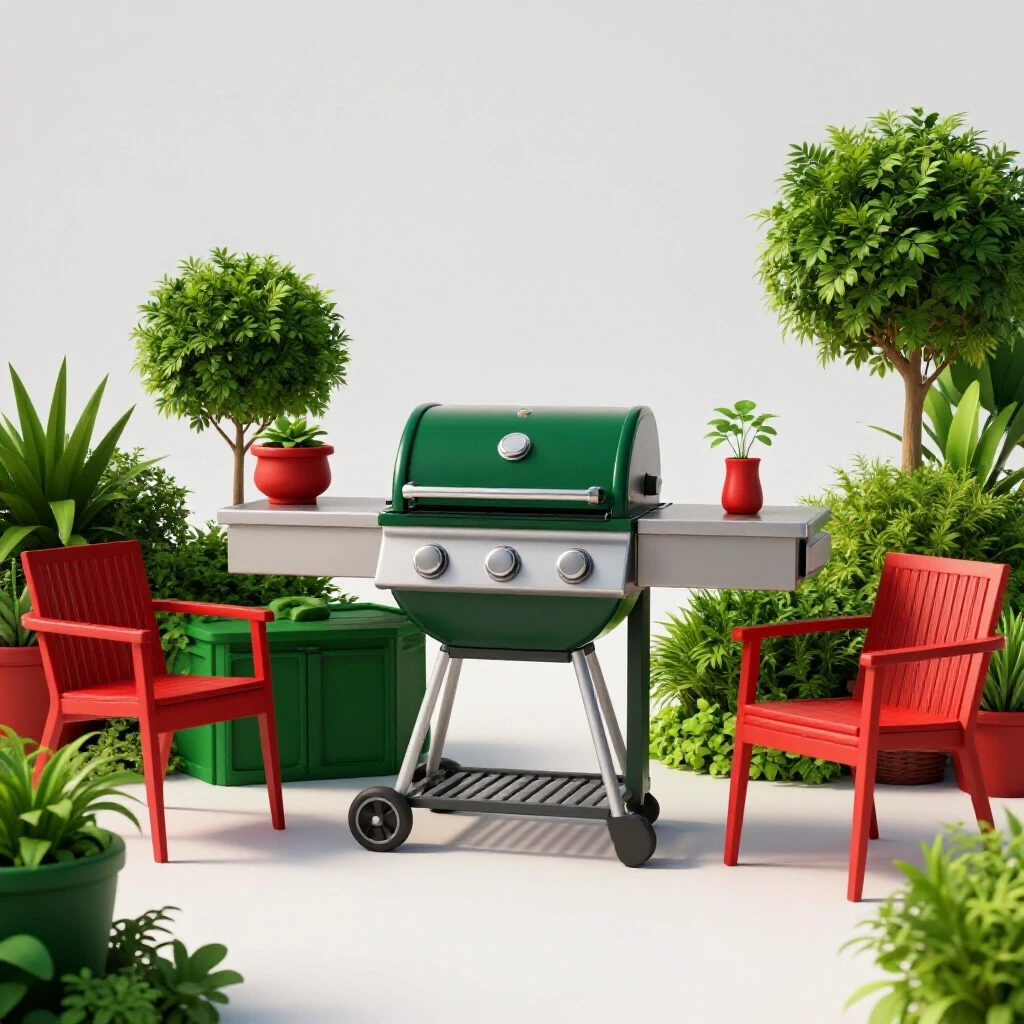
Designing Your First Outdoor Culinary Space
Planning a functional backyard cooking zone requires a deep look at your property’s layout and your personal habits. This stage involves assessing where the sun hits your yard, how the wind moves across your patio, and where you can safely place heat-producing equipment. It is the foundation of creating a space that you will actually use rather than one that sits idle and collects dust.
When I bought my first home in 2010, I made the mistake of placing my cooking equipment in the far corner of the yard. I thought it looked better there, tucked away. However, I quickly realized that carrying heavy trays of food and cleaning supplies across thirty feet of grass was exhausting. According to U.S. Census Bureau housing surveys, many homeowners prioritize aesthetics over function in the first two years, leading to underused outdoor spaces.
A home maintenance guide for beginners should always emphasize the “path of least resistance.” You want your outdoor station to be close enough to the back door to make trips inside easy, but far enough away that smoke doesn’t drift into your living room. I now recommend a distance of about five to eight feet from the house. This provides a safety buffer while keeping the “kitchen-to-patio” transition seamless.
- Observe wind patterns to ensure smoke moves away from seating areas.
- Check for overhead obstructions like low-hanging branches or vinyl siding.
- Measure the “landing zones” on either side of your equipment for plates and tools.
- Ensure the ground is level to prevent equipment from tipping or uneven cooking.
Financial Frameworks for Backyard Projects
Managing the costs of homeownership requires a disciplined household budgeting diary to track every dollar spent on improvements. For an outdoor cooking area, this means balancing the initial purchase of equipment with the long-term costs of surface materials, covers, and seasonal maintenance. Following the 1% to 3% annual maintenance reserve rule helps ensure you have funds for repairs without dipping into your emergency savings.
In my second home, I tracked every penny of my backyard setup. I found that the hidden costs often lie in the “extras” like weather-proof storage and high-quality covers. Many first-time homeowner tips focus on the shiny new grill, but the reality is that the environment will destroy your investment if you don’t budget for protection. Data from my own logs shows that a $50 heavy-duty cover can extend the life of outdoor equipment by four to six years.
| Feature | DIY Estimated Cost | Time Investment | Expected Lifespan |
|---|---|---|---|
| Gravel Pad Base | $150–$300 | 4–6 Hours | 5–10 Years |
| Concrete Paver Patio | $500–$1,200 | 16–24 Hours | 20+ Years |
| Solar Task Lighting | $40–$100 | 1 Hour | 2–3 Years |
| Weather-Proof Storage | $150–$400 | 2 Hours | 5–7 Years |
Establishing a sustainable home systems budget means looking at the “cost per use.” If you spend $1,000 on a setup but only use it five times a year, your cost per use is $200. I aim for a cost per use of under $10. This mindset helps you prioritize functional upgrades over decorative ones that don’t add real value to your daily life.
Choosing the Right Foundation and Materials
Selecting durable materials for your outdoor station is a core part of DIY home care and long-term property preservation. The ground beneath your feet needs to be heat-resistant, easy to clean, and capable of supporting heavy equipment without shifting over time. Using the wrong materials can lead to structural issues or, worse, fire hazards that threaten your new investment.
In my current home, I opted for a simple paver system instead of a wooden deck for my cooking zone. Wood is beautiful, but grease spills and high heat are its enemies. I learned this the hard way in my first home when a stray ember left a permanent mark on my pressure-treated pine. Sustainable home systems rely on materials that require the least amount of chemical treatment and the most amount of natural durability.
Stone and concrete are the gold standards for this application. They don’t rot, they don’t burn, and they can be hosed off in seconds. If you are on a tight budget, a compacted pea gravel area can work, but it is harder to keep level. For a first-time homeowner, I recommend starting with a small 4×6 foot area of level pavers. It is a manageable DIY project that provides a professional-looking result without the need for heavy machinery.
- Use heat-resistant pavers or bricks for the primary cooking surface.
- Avoid using indoor-grade wood or plastic-heavy composites near high heat.
- Ensure the base layer is at least 4 inches of compacted gravel and sand.
- Select light-colored stones to reduce heat absorption during summer months.
Spatial Planning for Maximum Functionality
Effective spatial design is about more than just where things sit; it is about how you move between them. By organizing your outdoor area into specific zones—prep, cook, and clean—you reduce homeowner fatigue and make the process much more enjoyable. This “work triangle” is a standard in indoor kitchens, but it is often ignored in backyard setups.
When I evaluate homes for my real estate analysis, I often see “dead zones” where people have placed large pieces of furniture that block the flow of traffic. In my third home, I spent three months just watching how we moved in the backyard before I committed to a layout. I realized that the person cooking often felt isolated from the rest of the family. By rotating the cooking station 90 degrees, I could see the kids playing while I worked.
The psychological transition of homeownership involves moving from “renting a space” to “crafting an environment.” You have the power to change how your home functions. If you find yourself constantly walking around a table to get to your tongs, move the table. Use your home log to note these frustrations. After a few weeks, you will have a clear map of what needs to change to make your DIY home care more efficient.
- Identify the “hot zone” where the actual cooking happens.
- Designate a “cold zone” for raw food and beverage prep.
- Create a “landing zone” for finished dishes to prevent clutter.
- Maintain a clear 36-inch path for walking to ensure safety.
Lighting Strategies for Safety and Comfort
Integrating lighting into your backyard station extends its utility and ensures safety during evening use. Good lighting helps you see what you are doing while you handle hot surfaces and sharp tools, reducing the risk of accidents. It also creates a welcoming atmosphere that makes your outdoor space feel like a true part of the home rather than a dark corner of the yard.
I have found that “layered lighting” works best for homeownership realities. You need bright, focused task lighting for the cooking area and softer, ambient lighting for the dining area. In my second home, I tried using a single bright floodlight. It was terrible. It blinded my guests and created harsh shadows that made it hard to see if the food was actually done.
Sustainable home systems now offer incredible solar and battery-powered options. These are perfect for first-time homeowners because they don’t require complicated wiring. I use magnetic LED lights that stick directly to the metal surfaces of my equipment. They provide light exactly where I need it without any permanent changes to the house.
- Use magnetic task lights for direct illumination on cooking surfaces.
- Install solar path lights to mark the walkway between the house and the patio.
- Hang string lights at least 8 feet high to create a soft ambient glow.
- Keep a high-quality flashlight or headlamp nearby for emergency checks.
Avoiding Homeowner Burnout Through Iterative Design
One of the biggest pitfalls for new homeowners is trying to do everything at once. This leads to decision paralysis and financial anxiety. The key to long-term property preservation is iterative design—making small, manageable changes over time rather than attempting a massive overhaul in the first month.
My personal records show that my most successful projects were those I tackled in phases. In year one, I just focused on getting a level surface. In year two, I added a prep table. In year three, I improved the lighting. This approach kept my household budgeting diary in the black and prevented the “homeowner fatigue” that comes from being overwhelmed by a long to-do list.
According to HUD reports, homeowners who pace their improvements tend to stay in their homes longer and report higher satisfaction levels. When you rush, you make mistakes that cost money to fix later. By living with a basic setup for a full season, you learn the “quirks” of your yard. You might find that the spot you chose is too windy or that the sun hits it at a weird angle during dinner time.
- Start with the essentials: a level surface and a safe cooking unit.
- Track your usage for 90 days in a home log.
- Identify the single biggest frustration (e.g., “nowhere to put my plate”).
- Address that one frustration with a DIY solution.
- Repeat the process every season.
Seasonal Maintenance and Asset Protection
Protecting your outdoor investment is a year-round responsibility that requires a clear preventative maintenance timeline. Weather is the primary enemy of any exterior setup. Rain leads to rust, sun fades finishes, and winter freezes can crack stone or concrete surfaces. Proactive care is the difference between a setup that lasts fifteen years and one that needs replacing after three.
In my 14 years of tracking home data, I have seen that “out of sight, out of mind” is a dangerous mantra. Every autumn, I perform a deep clean of my outdoor station. I remove grease buildup, check for signs of pests, and apply a fresh coat of sealant to any stone surfaces. This simple routine takes about two hours but saves hundreds of dollars in premature replacement costs.
- Spring: Inspect surfaces for winter damage and clear away debris.
- Summer: Check for grease buildup every four uses to prevent flare-ups.
- Fall: Perform a deep clean and apply protective covers for the winter.
- Winter: Ensure snow doesn’t pile up on top of equipment covers.
By following these first-time homeowner tips, you can move past the initial overwhelm of property ownership. Building a functional outdoor space is a journey, not a destination. It requires patience, a bit of sweat equity, and a willingness to learn from the inevitable mistakes along the way. Your home is your biggest asset; treat it with the care it deserves, one small project at a time.
Frequently Asked Questions
How do I choose the best location for my outdoor cooking area? The best location is usually 5 to 8 feet away from your home’s exterior walls. This distance is close enough for easy trips to the kitchen but far enough to prevent smoke from entering the house or damaging your siding. You should also look for a naturally level spot that is shielded from high winds and away from low-hanging tree branches.
What is the most durable DIY surface for an outdoor station? Concrete pavers are the most durable and cost-effective choice for DIY homeowners. They are heat-resistant, easy to clean with a hose, and can be replaced individually if one gets stained or cracked. Unlike wood decks, they won’t rot or catch fire from stray embers, making them a safer long-term choice for cooking zones.
How much should I realistically budget for a basic setup? A functional, entry-level DIY setup typically costs between $500 and $1,200. This includes a small paver patio ($300), a basic cooking unit ($300–$500), a high-quality cover ($50), and some basic lighting ($50). Following the 1% maintenance rule ensures you have the funds to keep this area in good shape over the years.
How can I prevent my outdoor equipment from rusting? The most effective way to prevent rust is to use a heavy-duty, waterproof cover whenever the equipment is not in use. Additionally, cleaning off salt and grease regularly is vital, as these substances accelerate corrosion. For stainless steel surfaces, applying a thin layer of specialized outdoor cleaner once a season can provide an extra barrier against the elements.
Is it worth it to install permanent lighting for a backyard cooking zone? For most first-time homeowners, permanent lighting is not necessary. High-quality solar lights and battery-powered magnetic LEDs offer plenty of illumination for a fraction of the cost. These options are also easier to maintain and can be moved as you refine your layout, which helps avoid the “decision paralysis” of permanent electrical work.
How do I handle grease spills on my patio pavers? The key to managing grease is speed. If a spill happens, cover it with cat litter or baking soda immediately to soak up the liquid. For older stains, a mixture of dish soap and warm water with a stiff brush usually does the trick. Sealing your pavers once every two years can also prevent grease from soaking into the stone.
What are the signs of homeowner burnout during a DIY project? Burnout often manifests as feeling overwhelmed by the number of choices or frustrated by small setbacks. If you find yourself avoiding the backyard or feeling anxious about the “unfinished” look of your project, it is time to step back. Focus on one small, 30-minute task per week to regain a sense of control and accomplishment.
How often should I update my home log for outdoor maintenance? I recommend updating your home log at the start of every season. Note any new cracks in the patio, the condition of your equipment covers, and how often you actually used the space. This data will help you make smarter budgeting decisions next year and ensure you are spending your time on the improvements that matter most.
What is the “landing zone” and why is it important? A landing zone is a flat, heat-safe surface directly next to your cooking equipment. It is essential for safety, giving you a place to set down hot pans, raw meat trays, or tools without having to turn around or walk away. A minimum of 12 to 18 inches of space on either side of your equipment is ideal for a smooth workflow.
Can I set up a cooking area on a wooden deck safely? While possible, it requires extra precautions like a heavy-duty grill mat to protect the wood from heat and grease. You must also ensure the equipment is at least 3 feet away from any wooden railings or house siding. For long-term peace of mind, many homeowners eventually transition their cooking station to a stone or concrete surface.
(This article was written by one of our staff writers, Michael Morrison. Visit our Meet the Team page to learn more about the author and their expertise.)