How to File a Home Insurance Claim After Damage (Step-by-Step)

You walk through your front door after a long day, expecting the usual quiet of your sanctuary. Instead, you hear the unmistakable sound of rushing water or see a dark, spreading stain on the ceiling. In that moment, the pride of ownership vanishes, replaced by a cold pit in your stomach. This is the “what happened” moment that every homeowner fears, and it often marks the beginning of a complex journey through home restoration and design recovery.
Navigating the Transition from Homeowner to Accidental Designer
This phase involves shifting your mindset from daily living to managing a major property restoration project while maintaining your household’s stability. It requires balancing aesthetic goals with the practical need to return your living space to a functional state after a sudden incident.
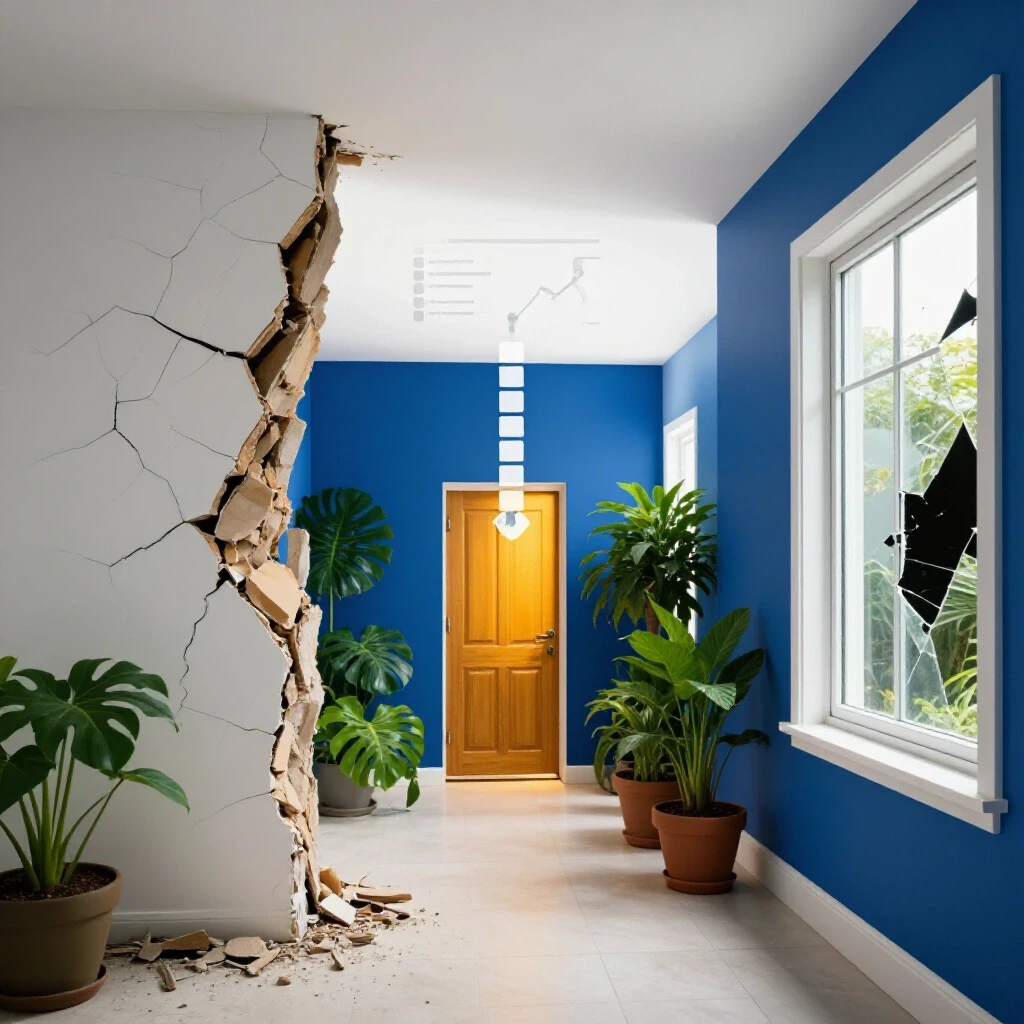
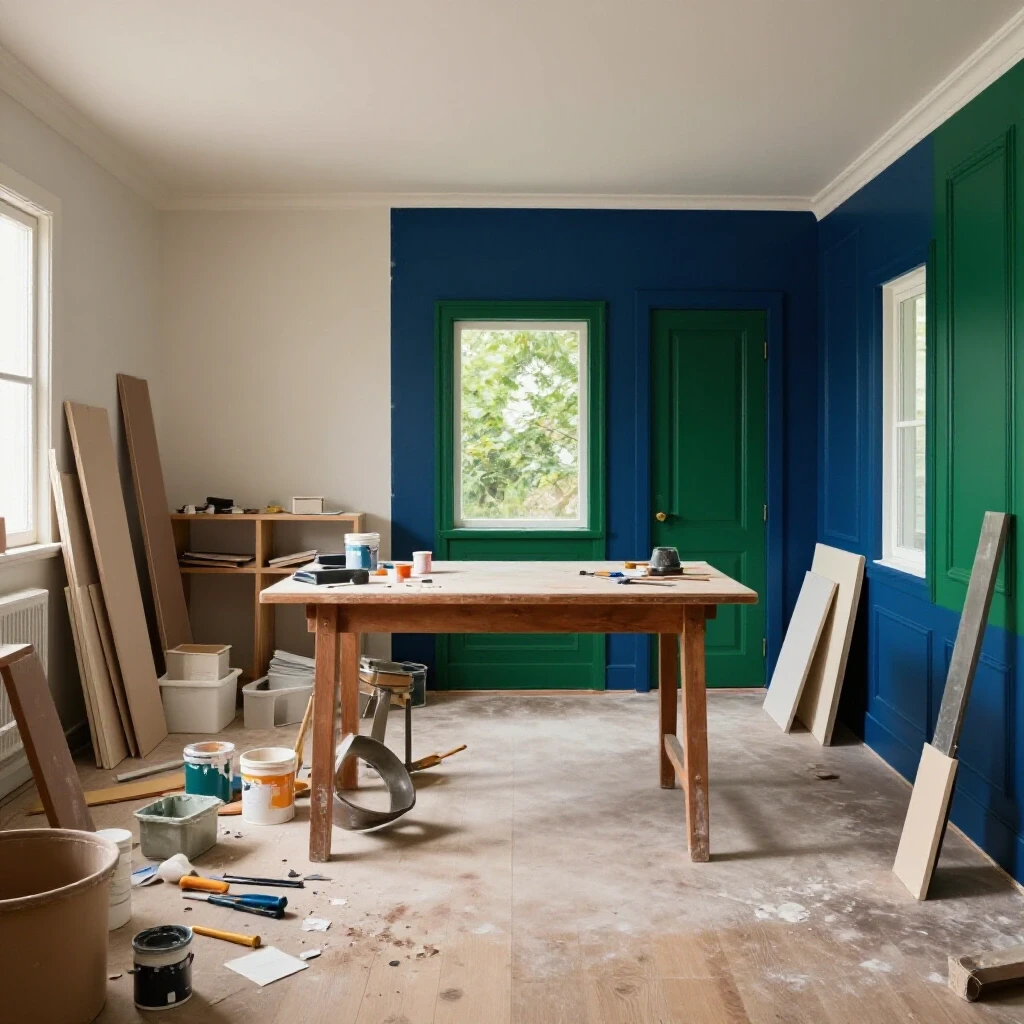
When I bought my first house fourteen years ago, I spent months picking out the perfect shade of “eggshell” for the living room. Three months later, a failed supply line under the kitchen sink turned my hardwood floors into a buckled mess. I wasn’t just a homeowner anymore; I was a project manager. According to the U.S. Census Bureau’s American Housing Survey, nearly 40% of homeowners face a significant repair or restoration project within the first few years. The psychological transition is the hardest part. You move from “decorating” to “reconstructing.” It is helpful to view this not as a disaster, but as an unplanned opportunity to improve the structural integrity and design of your home.
Selecting Resilient Materials for Long-Term Property Preservation
Resilient material selection refers to choosing finishes and structural components that can withstand environmental stress better than standard builder-grade options. This strategy focuses on durability and moisture resistance to prevent future issues from causing the same level of aesthetic damage.
After my kitchen flood, I learned the hard way that not all “waterproof” materials are created equal. When you are looking at what happened to your space, the materials you choose for the rebuild matter more than the color. For instance, luxury vinyl plank (LVP) has become a staple for young professionals because it mimics wood but handles moisture far better. In my second home, I tracked the wear of different surfaces over five years. The rooms with porcelain tile and high-quality moisture-resistant drywall stayed pristine, while the areas with cheap laminate showed signs of “fatigue” within twenty-four months.
- Porcelain Tile: Best for high-moisture areas like mudrooms or basements.
- Marine-Grade Plywood: Ideal for cabinet bases to prevent swelling if a leak occurs.
- Closed-Cell Spray Foam: Provides a thermal envelope sealing that also acts as a moisture barrier.
- Anti-Microbial Paint: Prevents mold growth in poorly ventilated bathrooms or laundry rooms.
The Financial Framework of Unexpected Home Overhauls
A restoration budget is a dedicated financial plan that goes beyond your monthly mortgage to cover the sudden costs of repairing and redecorating after a property event. It relies on the “1% to 3% rule,” which suggests saving a percentage of your home’s value annually for maintenance and restoration.
Budgeting for the aftermath of a home incident is where most first-time owners feel the most anxiety. In my personal home logs, I’ve found that the initial purchase price is just the entry fee. I recommend maintaining a “Restoration Reserve.” If your home is worth $400,000, you should aim for a $4,000 to $12,000 liquid fund. This isn’t for a new couch; it’s for when the water heater gives up and ruins the basement carpet. Data from HUD reports suggests that older homes (built before 1980) often require closer to the 3% mark due to aging mechanical systems.
DIY vs. Professional Restoration Cost Comparison
| Project Type | Average DIY Cost (Materials) | Average Professional Cost | Estimated Time Investment |
|---|---|---|---|
| Minor Drywall Repair | $50 – $150 | $300 – $600 | 4 – 6 Hours |
| Flooring Replacement (100 sq ft) | $300 – $700 | $1,200 – $2,500 | 12 – 16 Hours |
| Cabinetry Refacing | $500 – $1,200 | $3,000 – $7,000 | 20 – 30 Hours |
| Interior Painting (Per Room) | $100 – $250 | $500 – $1,200 | 8 – 12 Hours |
Strategic DIY Prioritization After a Home Incident
Strategic DIY is the process of deciding which restoration tasks you can safely and effectively handle yourself versus which require professional expertise. This decision is based on your skill level, the tools available, and the potential risk to the home’s structural integrity.
When you are staring at a damaged room, the urge to fix everything yourself to save money is strong. However, I’ve learned that “DIY fatigue” is real. In my third home, I tried to retile a bathroom after a leak. It took me three weeks of working until midnight. I saved $2,000, but I was exhausted and made several mistakes that I had to pay a pro to fix later. Use the “Three-Day Rule”: if a project will take you more than three full days of work, consider hiring a professional. This allows you to focus on the design and “finishing touches” that make the house feel like a home again.
- Assess the Core: Ensure the structural integrity is sound before any aesthetic work begins.
- Dry Out Completely: Use high-powered fans and dehumidifiers for at least 72 hours before installing new materials.
- Focus on the Envelope: Prioritize sealing the thermal envelope to keep utility costs low during the rebuild.
- Document the Progress: Keep a digital log of every material used and every contractor hired for future reference.
Preventing Homeowner Burnout During Major Repairs
Homeowner burnout is the emotional and physical exhaustion that occurs when the responsibilities of maintaining and restoring a property become overwhelming. It often happens during the first three years of ownership when multiple systems may fail or need updates simultaneously.
The “what happened” moment is often followed by weeks of living in a construction zone. This is particularly hard for young families or professionals with demanding careers. To avoid burnout, I suggest the “One Room Sanctuary” rule. Always keep at least one room in the house completely free of tools, dust, and repair talk. This is your space to recharge. My logs show that homeowners who try to tackle three rooms at once are 60% more likely to leave projects unfinished for more than six months.
- Set Realistic Deadlines: Add a 20% “buffer time” to any project schedule.
- Limit Decision-Making: Pick three paint colors and stick to them; don’t get lost in the infinite options.
- Schedule “Off” Days: Take at least one day a week where you do zero home-related work.
- Track Small Wins: Check off small tasks like “bought outlet covers” to maintain momentum.
Advanced Systems: Hydrological Mitigation and Structural Care
Hydrological mitigation refers to the various methods used to manage water flow around and inside a property to prevent damage. Structural care involves the ongoing inspection and maintenance of the home’s skeleton, including the foundation, joists, and load-bearing walls.
Modern diagnostic tools have changed how we handle what happened to our homes. I now use a moisture meter—a small device that measures the water content in walls—to ensure everything is dry before I hang new wallpaper or paint. Understanding how water moves away from your foundation is the best way to prevent a repeat of a disaster. Ensure your gutters extend at least six feet away from the house. EPA energy-efficiency recommendations also suggest that proper insulation doesn’t just save money; it prevents ice dams that can lead to major roof leaks and interior damage.
Expected Lifespan of Major Home Systems
- HVAC System: 15 – 20 years (Regular filter changes can extend this).
- Water Heater: 8 – 12 years (Flush the tank annually to remove sediment).
- Roof (Asphalt Shingle): 20 – 25 years (Check for “granule loss” in gutters).
- Dishwasher/Washers: 9 – 12 years (Check hoses every 3 years for cracks).
Establishing a Sustainable Home Maintenance Routine
A sustainable maintenance routine is a scheduled series of tasks designed to identify and fix small issues before they turn into major incidents. This proactive approach is the most effective way to protect your long-term investment and avoid the stress of sudden repairs.
The best way to handle a future “what happened” scenario is to prevent it through a household budgeting diary and a strict maintenance schedule. I keep a digital folder with photos of every major appliance’s serial number and the date of its last service. This simple habit saved me thousands when my furnace stopped working on a Sunday night in January. I knew exactly how old it was and had the service technician’s number ready. By spending about four hours a month on preventative care, you can reduce the likelihood of a major restoration project by nearly 50%.
- Monthly: Test smoke detectors and check for leaks under all sinks.
- Quarterly: Change HVAC filters and inspect the exterior for cracks or gaps.
- Bi-Annually: Clean gutters and check the sump pump operation.
- Annually: Schedule a professional inspection of the roof and foundation.
Conclusion: Moving Forward with Confidence
Dealing with the aftermath of a home incident is one of the most taxing parts of being a homeowner. However, by focusing on resilient design, maintaining a dedicated restoration fund, and choosing durable materials, you can turn a stressful event into a positive transformation. The goal isn’t to have a perfect home that never breaks; the goal is to have the tools, the plan, and the mindset to handle whatever happens. Start small: buy a moisture meter this weekend and check the areas under your sinks. Building that habit now will make you a much more confident homeowner in the years to come.
Frequently Asked Questions
What is the first thing I should do when I notice sudden damage?
The very first step is to stop the source of the problem, such as turning off the main water valve if there is a leak. Once the situation is stable, clear the area of any furniture or decor that could be further damaged. Focus on drying the space immediately to prevent mold growth, using professional-grade fans if necessary.
How do I know if I should DIY a repair or call a professional?
A good rule of thumb is to hire a professional for anything involving the “big three”: structural integrity, complex electrical work, or major plumbing. If the project requires specialized permits or tools you don’t own, it’s usually safer and more cost-effective in the long run to hire an expert.
What are the best materials to use for a basement that might get damp?
Look for inorganic materials that do not provide a food source for mold. Luxury vinyl plank (LVP), porcelain tile, and stainless steel or plastic shelving are excellent choices. Avoid traditional hardwood, carpet with thick padding, or standard drywall in areas prone to moisture.
How much should a new homeowner really save for unexpected repairs?
Most experts, including those at HUD, recommend the 1% to 3% rule. For a $300,000 home, you should aim to have between $3,000 and $9,000 set aside in a liquid account. If your home is older or has aging systems, aim for the higher end of that range.
What is a thermal envelope, and why does it matter for restoration?
The thermal envelope is the barrier between the conditioned air inside your home and the unconditioned air outside. During a restoration, ensuring this envelope is well-sealed with insulation and weatherstripping helps regulate temperature and prevents moisture issues like condensation inside your walls.
How can I track my home’s maintenance without getting overwhelmed?
Use a digital home log or a simple spreadsheet. Document the age of your major appliances, the date of your last roof inspection, and any repairs you’ve made. Breaking tasks down into monthly, quarterly, and annual checklists makes the responsibility feel much more manageable.
What are the warning signs that a major system is about to fail?
Listen for unusual noises, such as banging in the pipes or a grinding sound from the HVAC. Look for small changes, like a sudden increase in your utility bills or water spots on the ceiling. Catching these “whispers” before they become “screams” can save you thousands in restoration costs.
Why is moisture-resistant drywall important during a rebuild?
Standard drywall has a paper backing that mold loves to eat. Moisture-resistant drywall (often called “green board” or “purple board”) uses specialized coatings or fiberglass mats to resist water absorption, making it a much better choice for bathrooms, kitchens, and basements.
How do I manage the stress of living in a home under repair?
Designate a “no-construction zone” where you can relax without seeing tools or dust. Set a firm “quit time” for DIY projects each evening so your home life doesn’t become entirely about the repairs. Remember that the disruption is temporary, but the improvements you’re making are permanent.
What tools should every first-time homeowner own for basic restoration?
At a minimum, you should have a high-quality moisture meter, a cordless drill, a wet/dry vacuum, a stud finder, and a basic set of plumbing wrenches. These tools allow you to perform initial assessments and minor repairs quickly, often preventing small issues from escalating.
(This article was written by one of our staff writers, Michael Morrison. Visit our Meet the Team page to learn more about the author and their expertise.)